

Service Hotline
17788211014

A one-stop resource hub bringing together knowledge, answers, virtual factory tours, and materials to help you efficiently access the latest information.
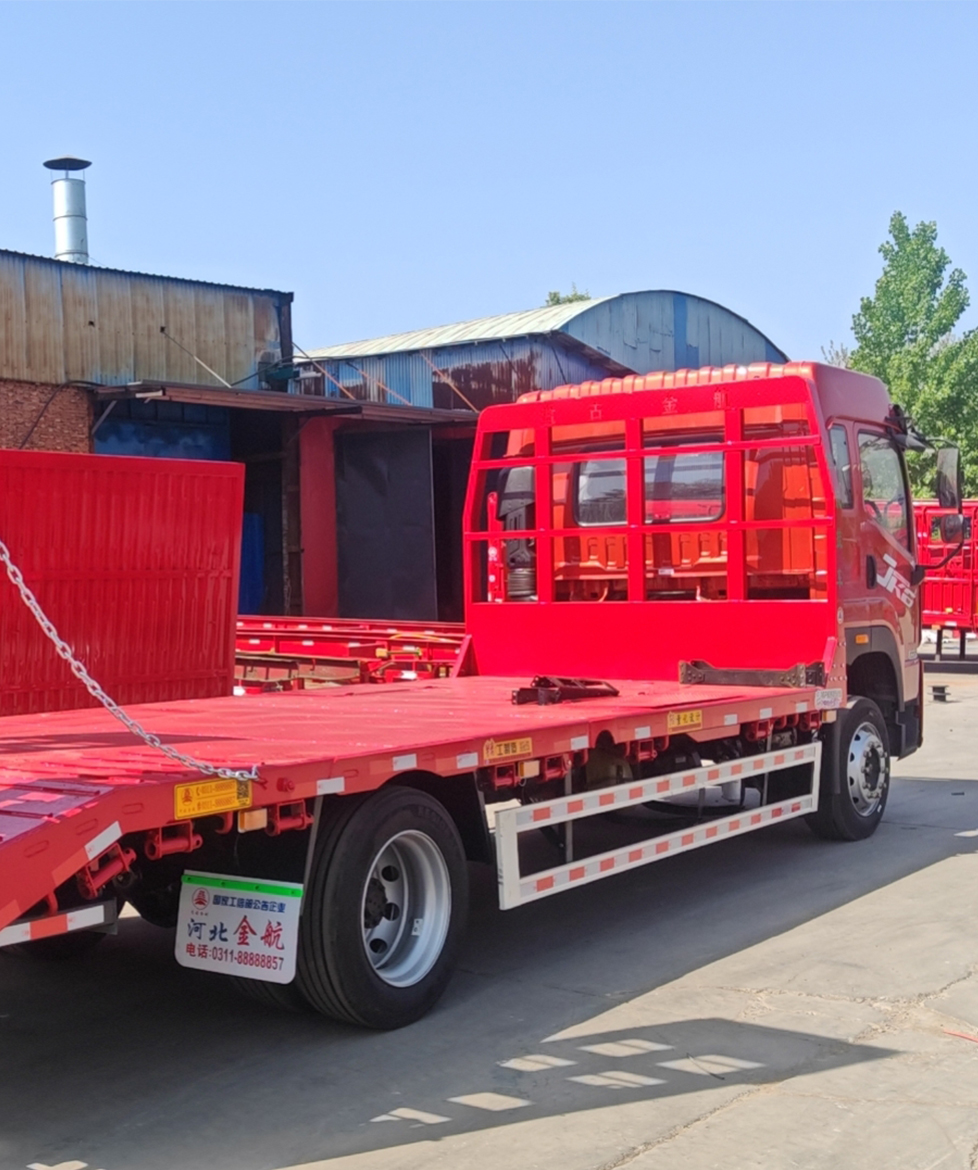
Before exporting a 6.8m ladder flatbed trailer, clients must provide the equipment type, weight, dimensions, loading/unloading method, transport route, tractor details, destination country, quantity, port of destination, and delivery timeline. If used for construction machinery transport, details such as track width, wheelbase, ground clearance, approach angle, ladder requirements, and securing methods are also required. Requests for custom brand painting, toolboxes, spare tire racks, or other accessories should be specified upfront. Destination country standards regarding vehicle dimensions, axle load, braking, lighting, and safety markings must be verified in advance. For models with unconfirmed detailed parameters, technical drawings and configuration specs should be finalized prior to production.
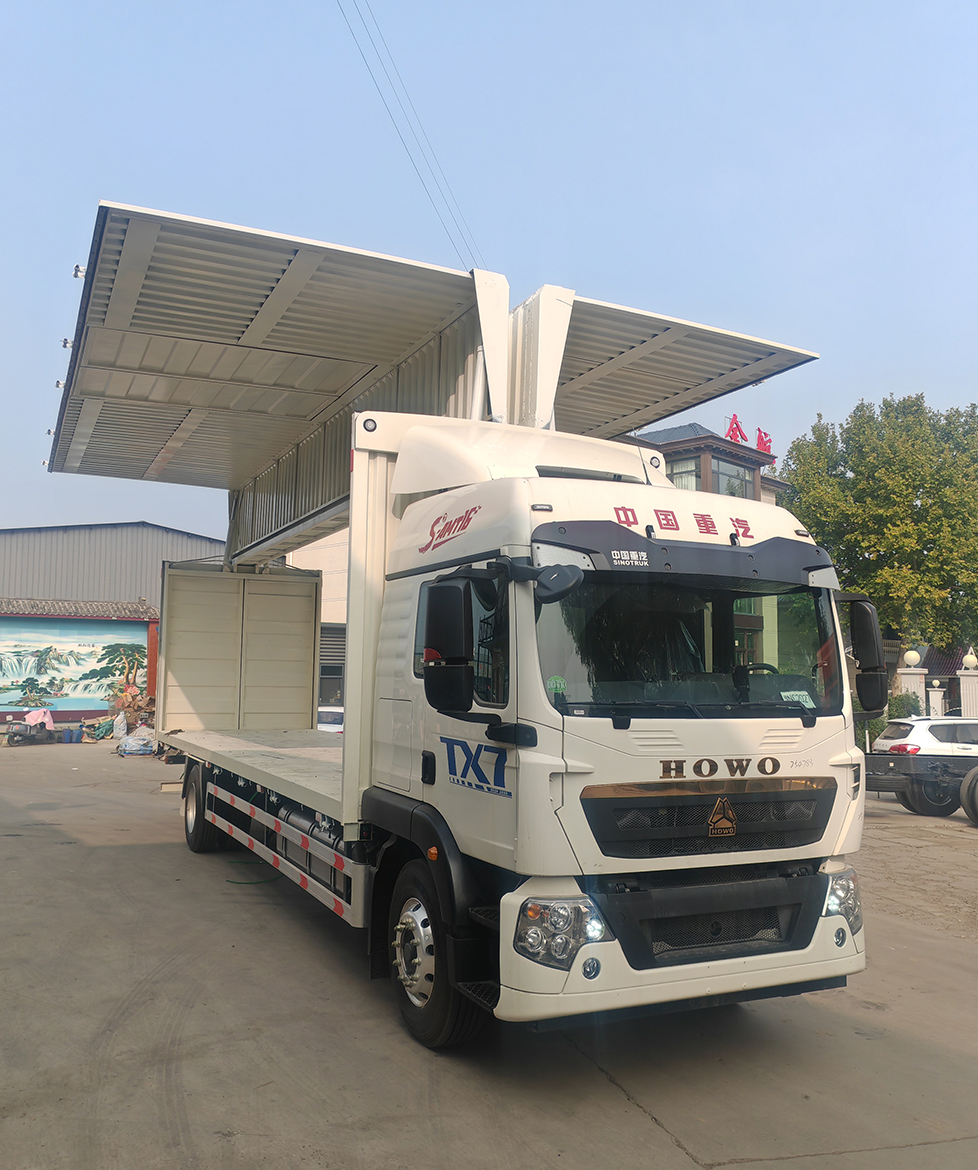
The key to how wing-van trailers boost efficiency lies in their upward-opening side wings. With both sides open, forklifts can load and unload directly from the side without relying solely on the rear door. For palletized, packaged goods, or multi-point operations, this design cuts wait times and enhances convenience. However, wing trailers are not suitable for all transport tasks. Buyers should consider if the warehouse or site has sufficient side space, available forklifts, and cargo suitable for side loading. The key to how wing-van trailers boost efficiency lies in their upward-opening side wings. With both sides open, forklifts can load and unload directly from the side without relying solely on the rear door. For palletized, packaged goods, or multi-point operations, this design cuts wait times and enhances convenience. However, wing trailers are not suitable for all transport tasks. Buyers should consider if the warehouse or site has sufficient side space, available forklifts, and cargo suitable for side loading. Before purchasing, customers are advised to choose the right model based on daily loading processes, cargo specs, fleet operations, and road conditions. Before purchasing, customers are advised to choose the right model based on daily loading processes, cargo specs, fleet operations, and road conditions.
The JHT9401CCY stake transport semi-trailer can be configured with a length ranging from 10 to 11.5 meters. Featuring a 3-axle structure, it is primarily designed for transporting steel, sand and gravel, big-bag mineral materials, heavy grains, and other general cargo. Steel transportation typically requires attention to cargo length, single-piece weight, center of gravity, and lashing methods; sand, gravel, and mineral materials require consideration of cargo density, loading volume, and vehicle load-bearing capacity; while big bags and heavy grains require proper stacking height planning to prevent off-center loading or shifting during transit. When requesting a quote, customers are advised to provide cargo weight, dimensions, packaging method, loading and unloading equipment, and major road conditions in order to confirm the most suitable body length, suspension, and securing accessories.
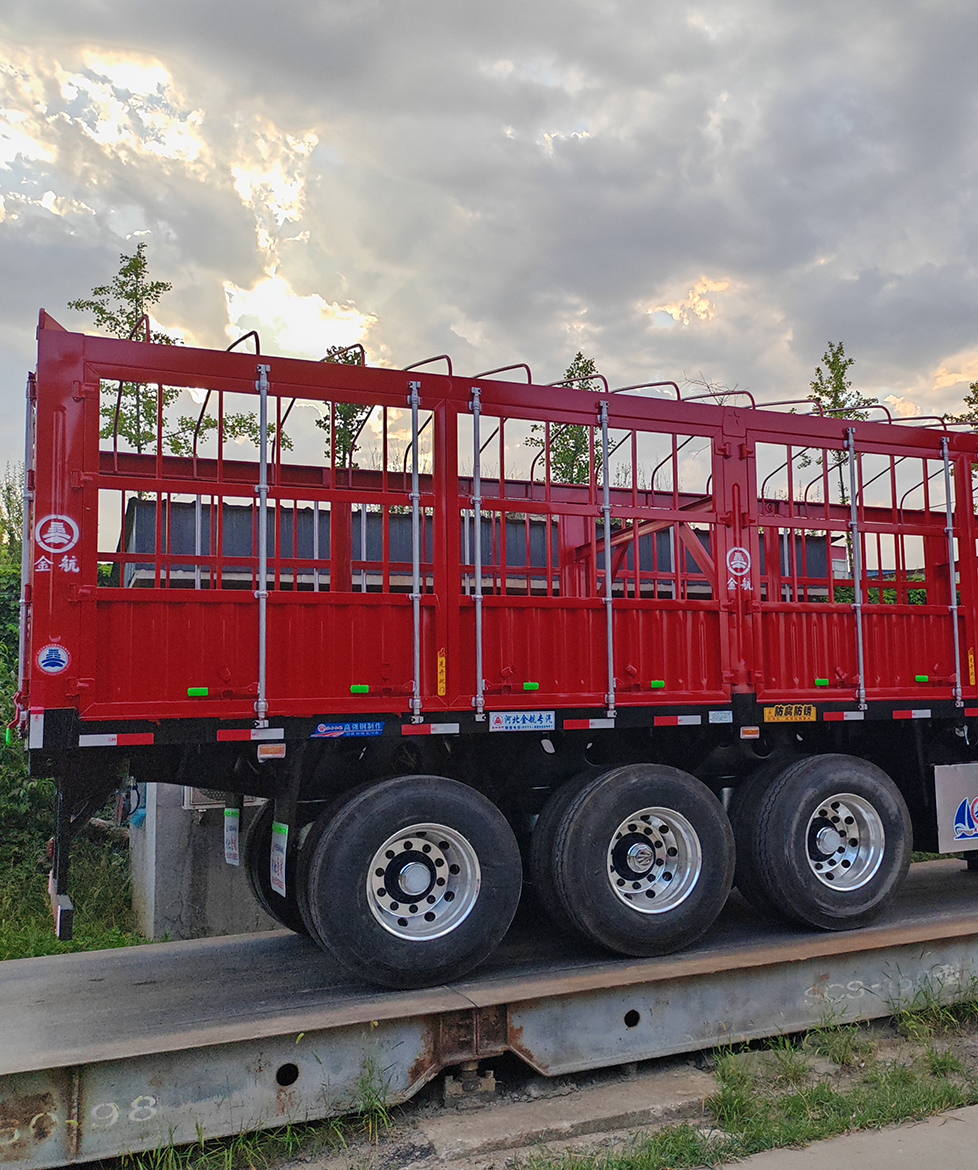
Steel features high weight, large variations in length, and a concentrated center of gravity. Before purchasing a fence semi-trailer, you should first confirm the length, width, unit weight, bundling method, and loading/unloading equipment for the steel. When loading, the cargo should be placed within the primary load-bearing area of the vehicle as much as possible, with front-to-back and side-to-side weight properly distributed to avoid significant eccentric loading. Depending on the steel shape and transport route, chains, straps, chocks, or other suitable securing methods can be used. Before transport, inspect the sideboards, upright posts, tie-down points, tires, suspension, and braking systems. For extra-long steel, verify road height limits, width limits, turning clearance, and cargo overhang regulations in advance.
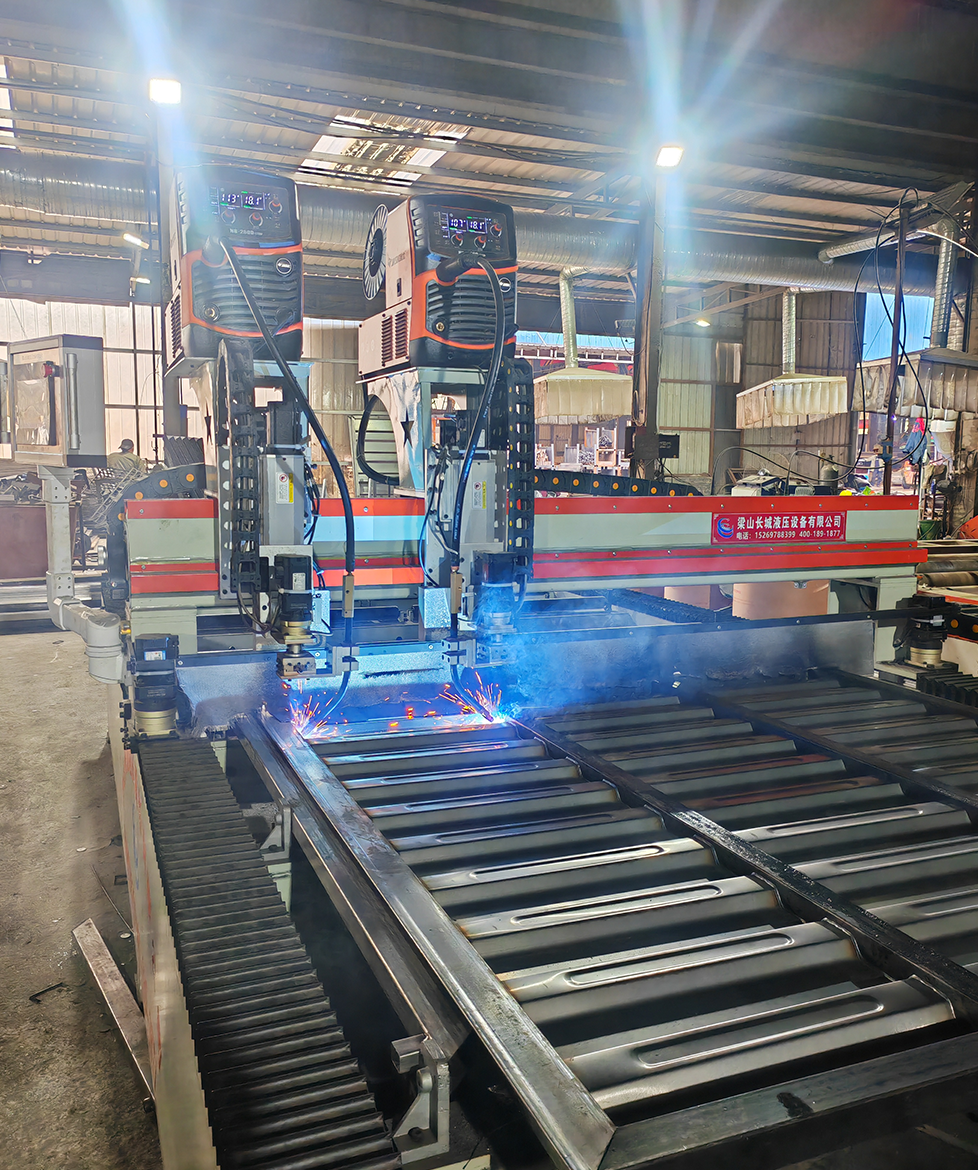
During the transportation of fruits, vegetables, and agricultural products, efforts should be made to minimize crushing, collisions, and cargo shifting. Before loading, it is recommended to arrange the cargo in layers based on its packaging, pressure tolerance, and weight, preventing heavy items from pressing on fragile goods. Cargo should be evenly distributed throughout the vehicle compartment and not concentrated on one side or in localized areas. For lightweight and easily shifted items, straps, dividers, or other securing accessories can be used based on actual conditions. Before transit, sideboards, pillars, locks, and tie-down points should also be inspected to ensure they are in good condition. For long-distance transport, the loading and unloading sequence should be arranged logically to minimize repeated handling en route and reduce the risk of cargo damage.
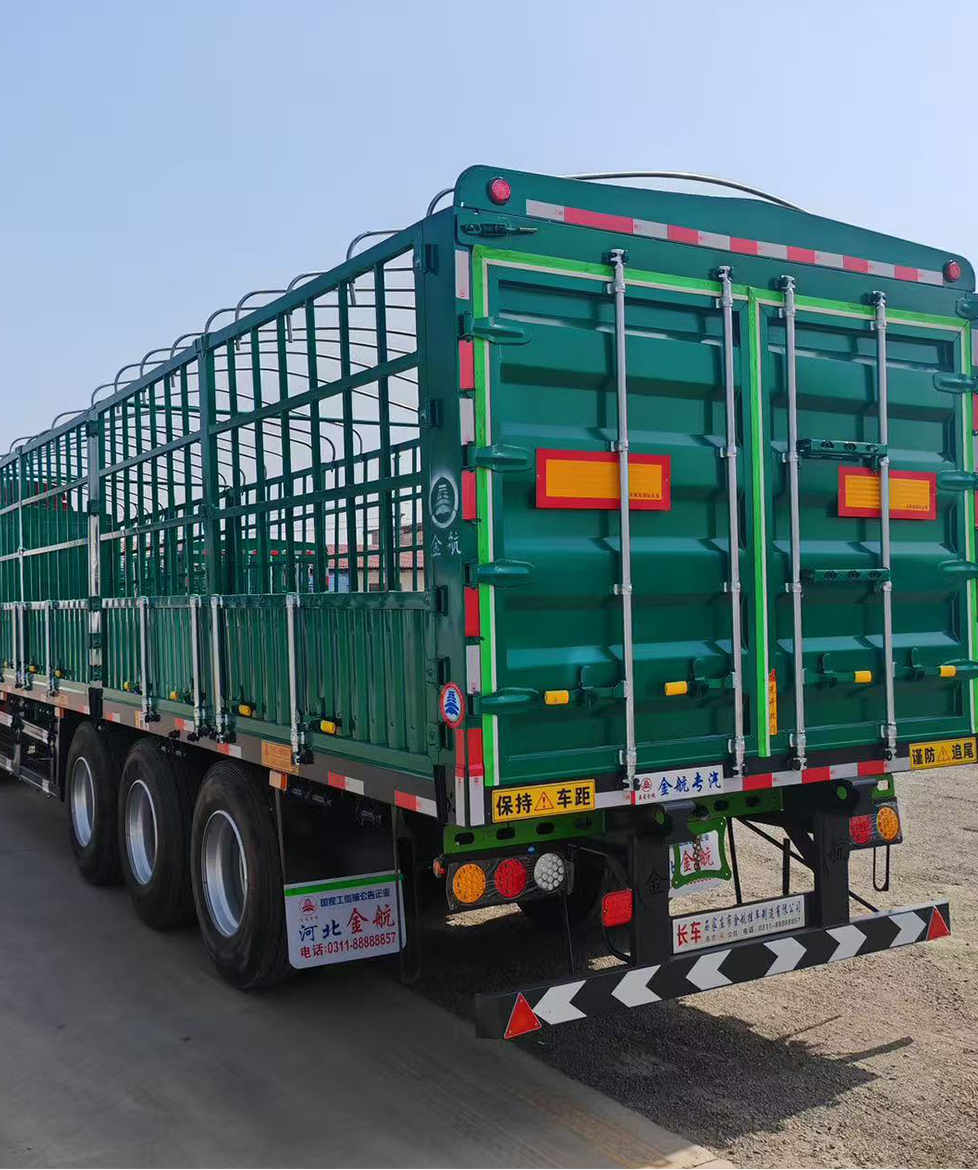
While the stake structure provides a certain level of containment, heavy cargo still requires separate securement. Securing methods for steel materials, bulk bags (FIBCs) of minerals, and heavy grains should be selected based on cargo shape, packaging, and center of gravity. After loading is complete, check whether the cargo exceeds allowable vehicle limits, whether tie-down points are secure, and whether the sideboards and locking mechanisms function properly. For goods prone to rolling, sliding, or having a high center of gravity, additional chocks, straps, or other auxiliary measures should be added. Once the vehicle is in service, regularly inspect the sideboards, stakes, tie-down rings, tires, suspension, brakes, and axles, and promptly address any looseness or abnormal wear.
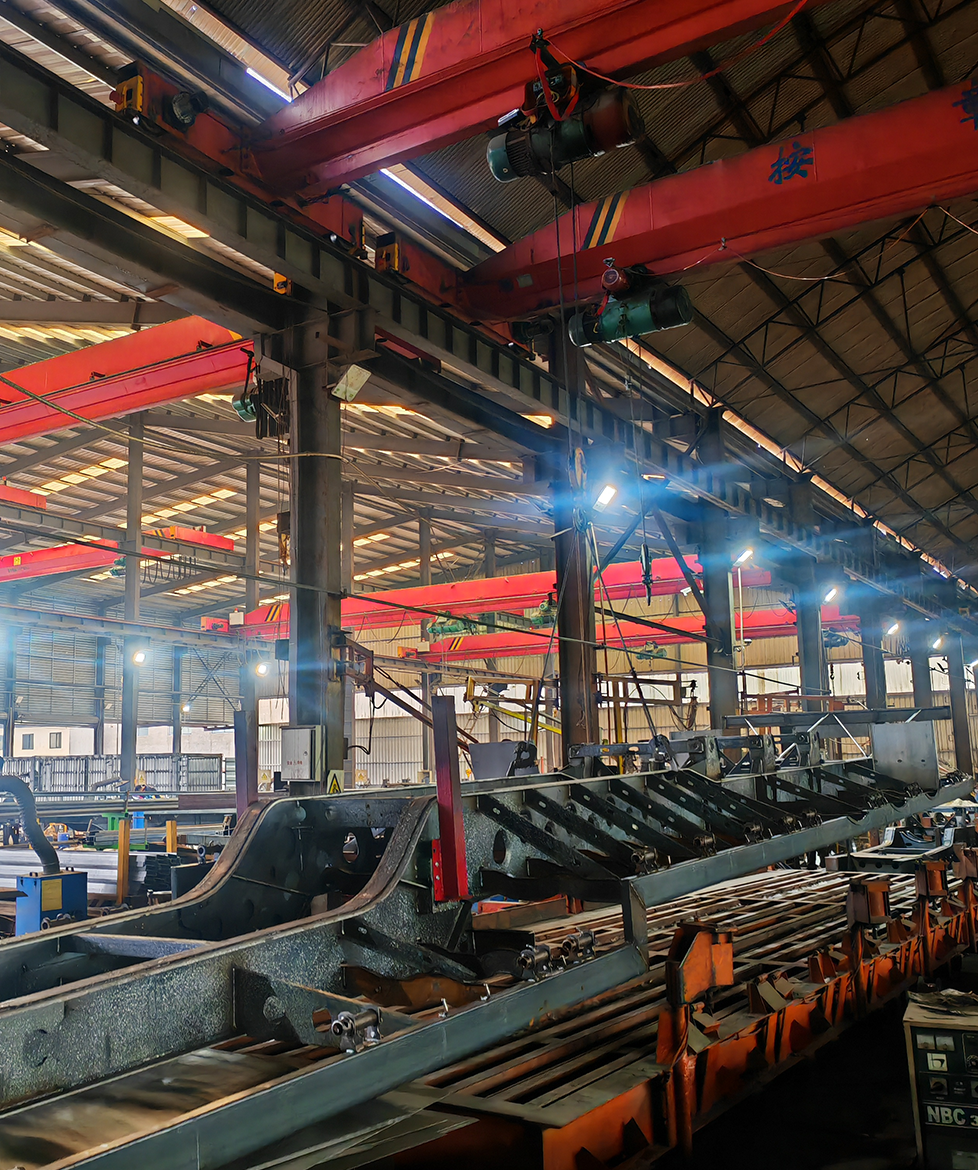
The length of the JHT9401CCYE stake semi-trailer can be confirmed between 9.5 and 13 meters according to project requirements. It is mainly used for the transportation of fruits and vegetables, agricultural and sideline products, general merchandise, building materials, and other general cargo. Fruits, vegetables, and agricultural products typically require reduced squeezing, collision, and shifting; general merchandise transport focuses more on loading and unloading efficiency and space utilization; building materials transport requires special consideration of cargo weight, dimensions, and securing methods. The stake structure provides a relatively open loading and unloading space, facilitating loading via forklifts, cranes, and manual labor. When selecting a model, customers are advised to provide packaging dimensions, unit weight, loading height, loading/unloading equipment, and main transport routes of frequently shipped goods, in order to confirm the appropriate vehicle length, stake structure, and accessory configurations.
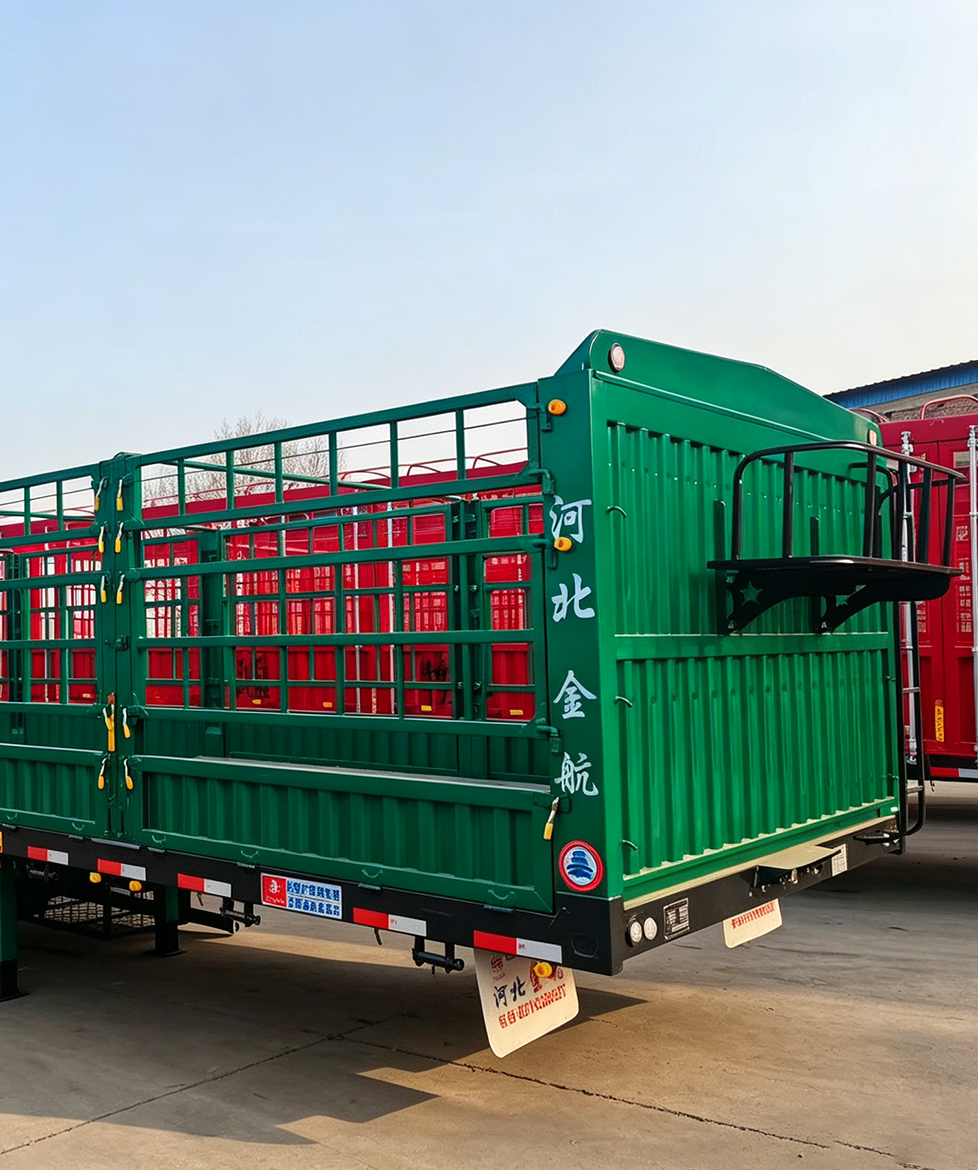
The JHT9401CCYE stake semi-trailer offers a length range of 9.5 to 13 meters, suitable for different cargo volumes and transport routes. Shorter models are generally better suited for transport tasks around suburban areas, rural roads, routes with frequent turns, or loading and unloading sites with limited space. Longer models are more suitable for logistics scenarios with larger cargo volumes, relatively stable routes, and the need to maximize single-trip capacity. When choosing trailer length, you should also take into account local vehicle dimension regulations, tractor matching, road width, and loading/unloading space. A longer trailer does not necessarily mean higher transport efficiency; the key is whether the cargo dimensions match the actual route conditions.
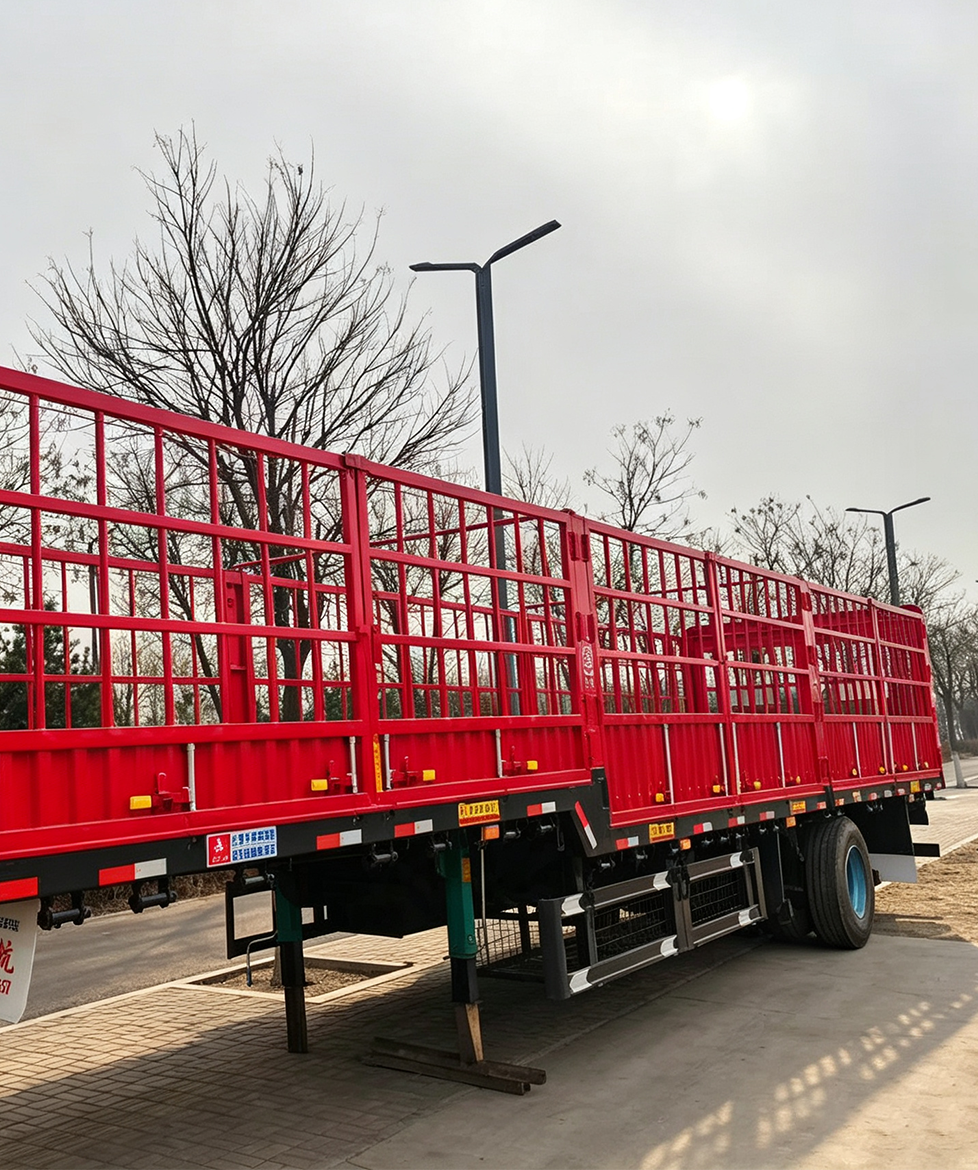
During the transportation of fruits, vegetables, and agricultural by-products, efforts should be made to minimize crushing, collisions, and cargo shifting. Before loading, it is recommended to arrange cargo in layers based on packaging, pressure resistance, and weight, avoiding placing heavy items on top of fragile goods. Cargo should be evenly distributed inside the compartment and must not be concentrated on one side or in specific areas. For lighter and easily movable packages, straps, partitions, or other securing accessories can be used as appropriate. Before transport, also check whether sideboards, pillars, locks, and anchor points are in proper condition. For long-distance transportation, the loading and unloading sequence should be planned reasonably to minimize repeated handling en route and reduce the risk of cargo damage.
Stake semi-trailers feature a relatively open cargo space and can be loaded and unloaded from the sides, rear, or top depending on site conditions, making them suitable for transporting general merchandise, agricultural products, and building materials. When operating with forklifts, ensure sufficient working space on both sides and at the rear of the vehicle; when using cranes for loading and unloading, verify the cargo weight, lifting points, and platform load-bearing areas. Loading methods vary for building materials, packaged goods, and palletized cargo, so customers should specify their commonly used loading and unloading equipment in advance. For long-term fleet operations, establishing a standard cargo loading checklist to record dimensions, quantities, placement arrangements, and securing requirements can reduce loading time and improve vehicle turnaround efficiency.
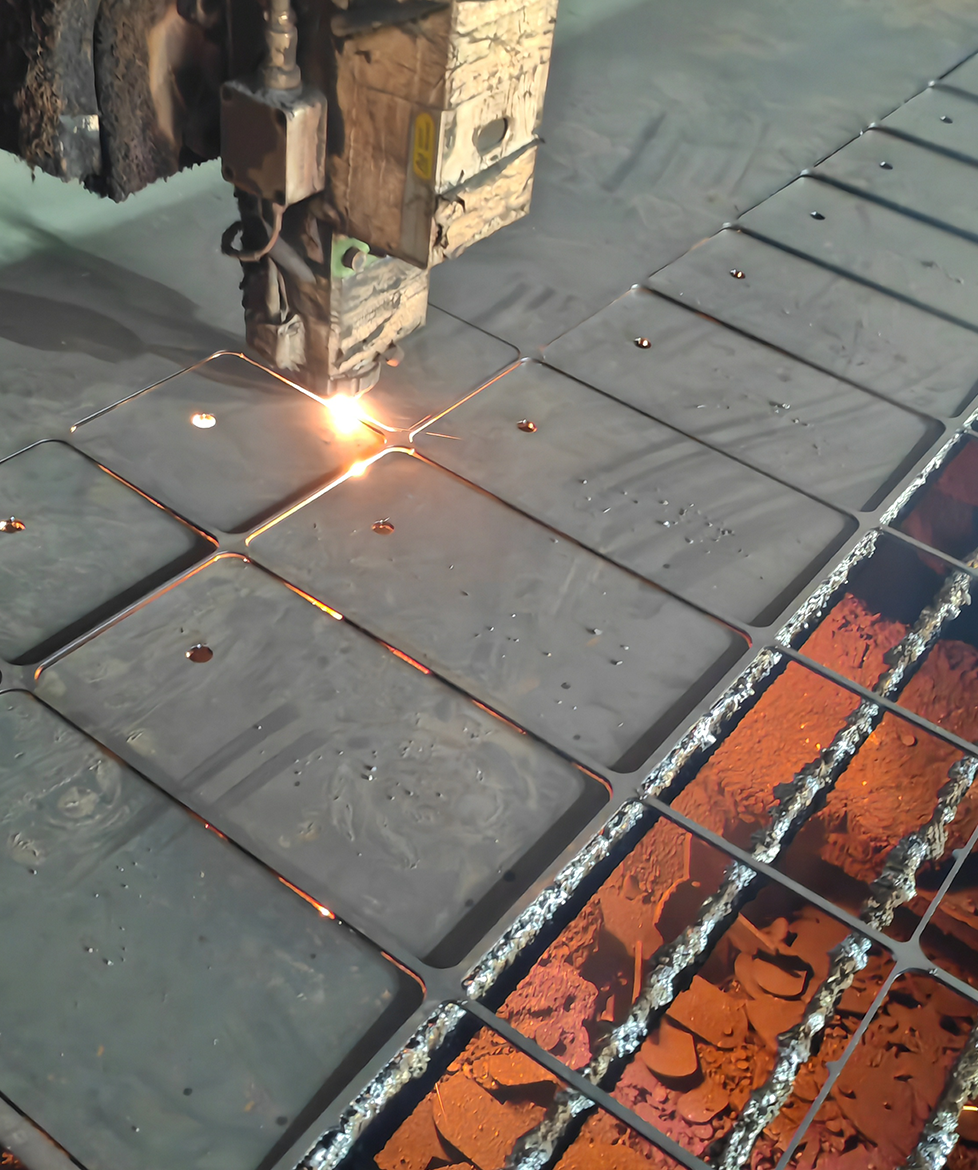
The 12-meter rigid wing van truck has a cargo body volume of approximately 63 m³ and a rated load capacity of 18 tons, making it suitable for palletized cargo, agricultural products, general merchandise, household appliances, industrial products, and other general goods requiring higher loading and unloading efficiency. When closed, it provides the cargo protection features of an enclosed box van; when both side wings are opened, it offers larger side-loading space for forklifts. This model is ideal for warehouse distribution, logistics transfer, supermarket delivery, and transport tasks with frequent loading and unloading. Before purchasing, customers should confirm cargo dimensions, pallet specifications, forklift operation methods, and loading/unloading sites.
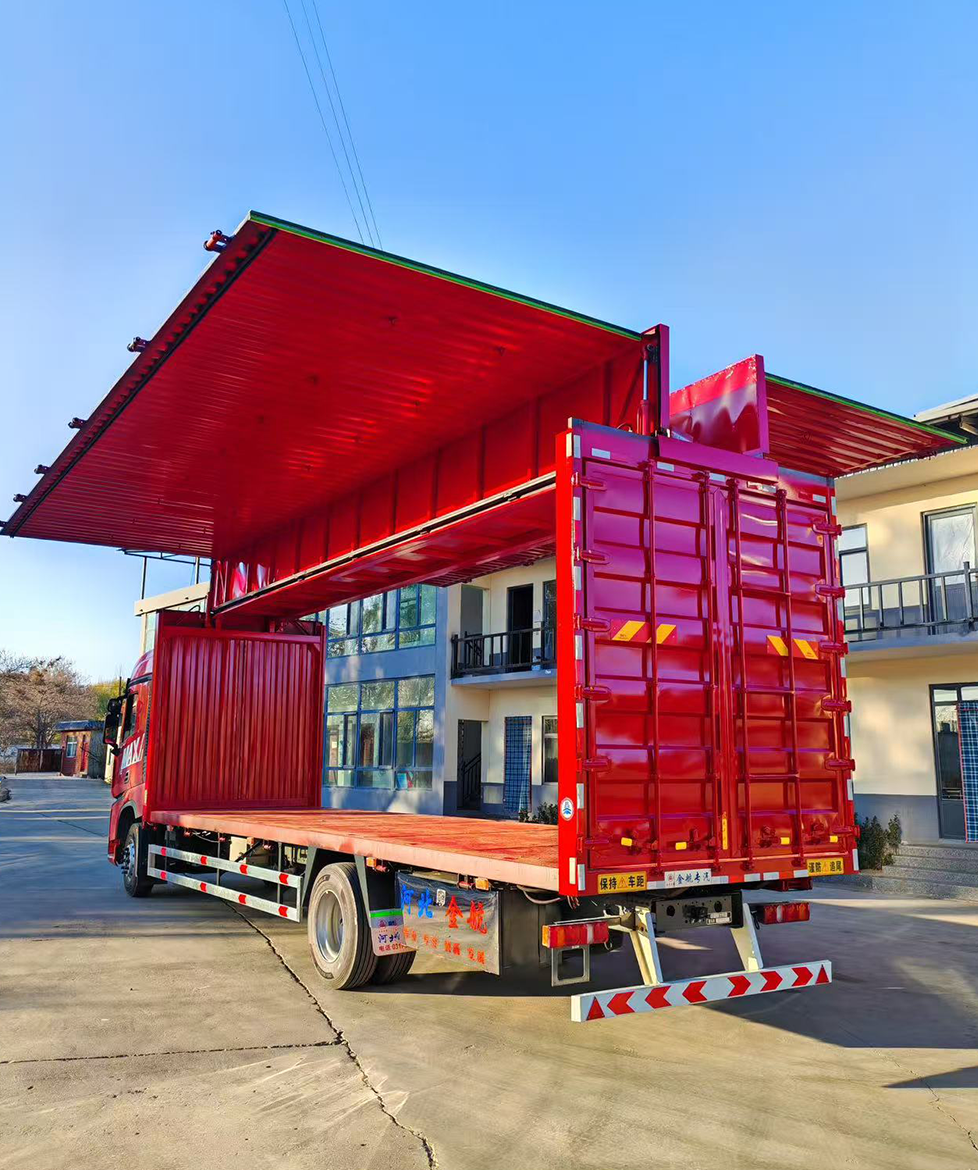
Standard box trucks are typically loaded and unloaded from the rear of the vehicle, making them suitable for warehouse docks, rear-door access, or fixed loading platform operations. Wing-body trucks feature openable wings on both sides, allowing forklifts to load and unload directly from the sides when opened. For palletized goods, home appliances, and packaged cargo, this design reduces repetitive handling and enhances loading and unloading flexibility. If the customer's loading site has ample side space and requires frequent daily loading and unloading, a wing-body truck is well worth considering; if operations primarily rely on fixed loading docks from the rear, a standard box truck may already suffice.
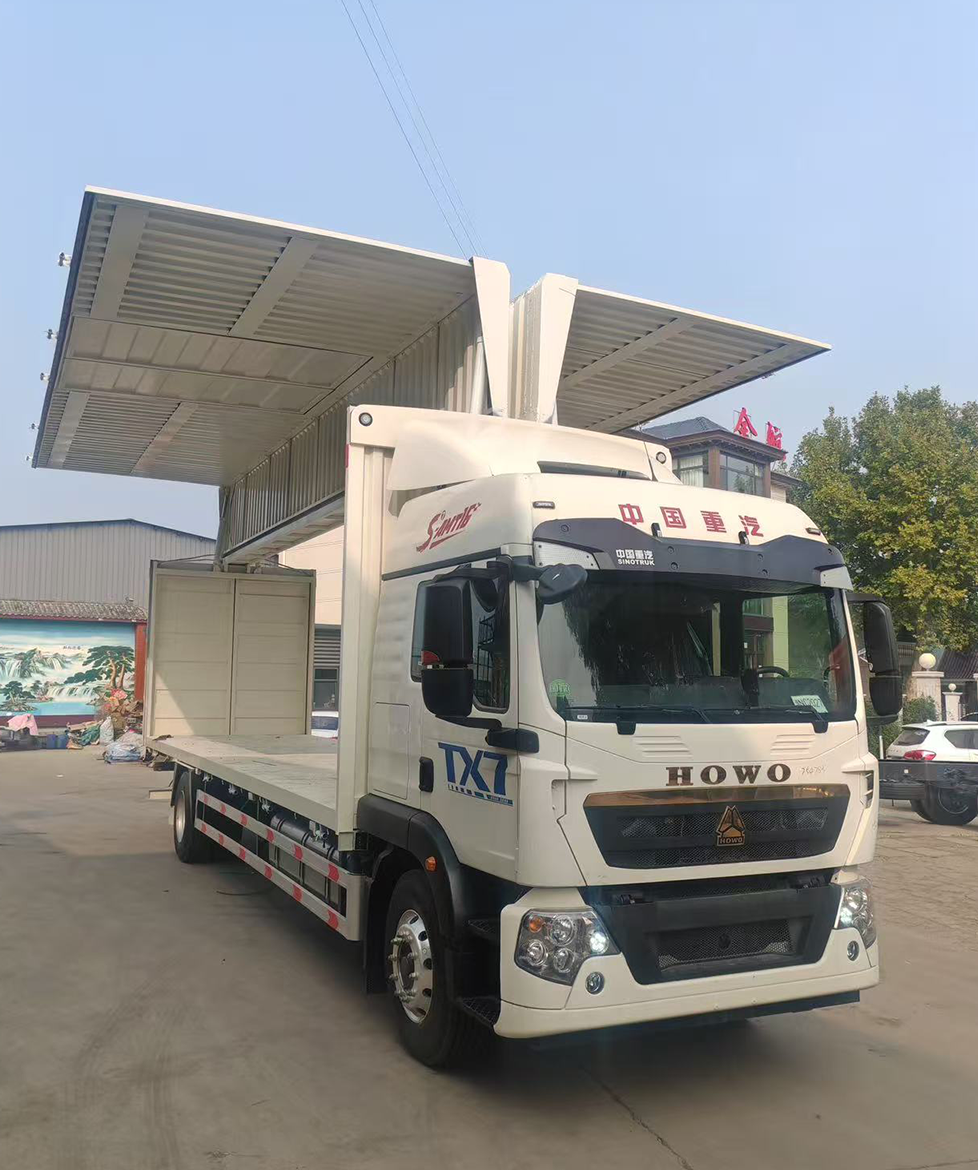
This model is equipped with 4 Shandong Hyva 80-600 bi-directional cylinders to support the opening and closing of the side wings on both sides. Once the wings are opened, forklifts can access the cargo area from the side of the vehicle, which is suitable for palletized goods and logistics scenarios requiring fast batch loading and unloading. Compared with relying entirely on rear-door operations, side loading and unloading provides warehouses and fleets with more operational methods. During use, cylinders, hydraulic lines, connection parts, and locking mechanisms should be inspected regularly. When opening or closing the wings, ensure the vehicle is parked stably and that there are no buildings, equipment, or personnel around.
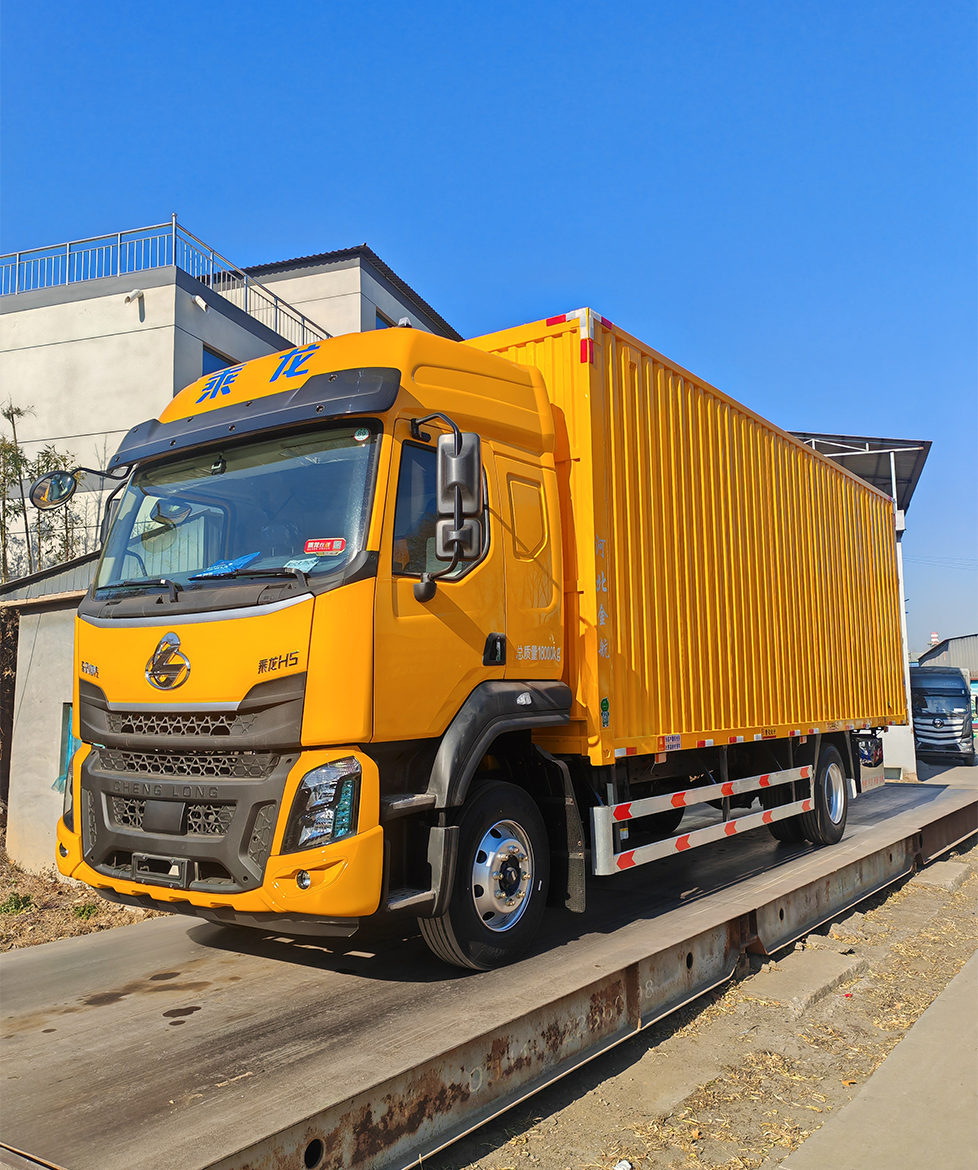
Before loading, the layout should be planned according to cargo dimensions, pallet specifications, individual piece weight, and the loading/unloading sequence. Cargo should be distributed as evenly as possible to avoid excessive local weight or over-stacking. For home appliances, agricultural products, and fragile goods, dividers, straps, or cushioning materials can be used based on actual conditions to reduce collisions during transport. After loading is completed, confirm that the cargo is secured, the wing panels are locked, and the box sealing is in normal condition. When using a forklift for side loading and unloading, sufficient operating space should be reserved on both sides of the vehicle to prevent the opened wing panels from colliding with walls, equipment, or other vehicles.
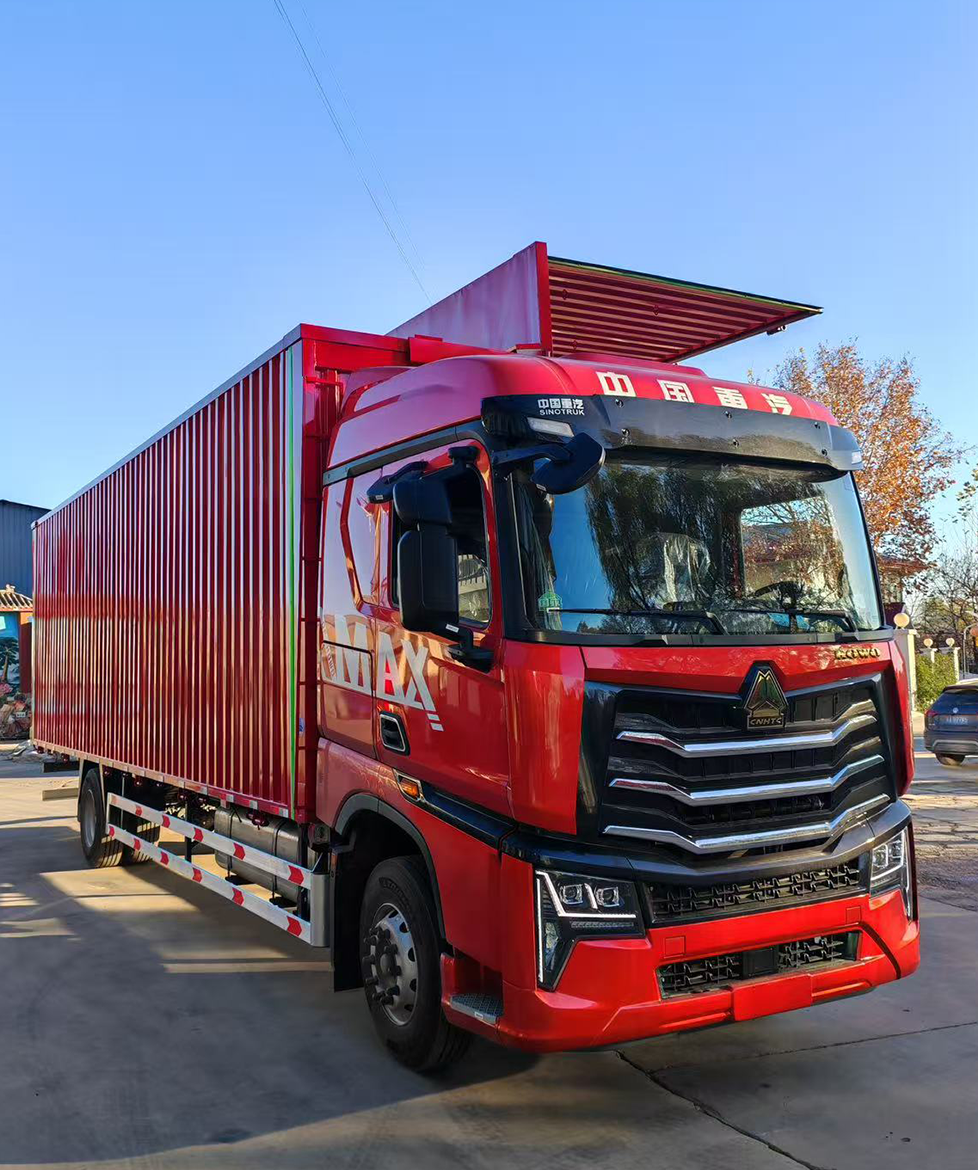
The 12-meter rigid box truck has an overall vehicle length of 12 meters, a cargo box volume of approximately 63 m³, and a rated payload of 18 tons, making it suitable for transporting agricultural products, general merchandise, home appliances, industrial products, packaged goods, and other general cargo. The enclosed cargo box reduces the impact of rain, dust, and the external environment on goods, making it ideal for regional distribution, medium- to long-distance logistics, warehouse transfers, and bulk cargo transportation. Before purchasing, customers should provide the dimensions (length, width, and height), packaging method, unit weight, pallet specifications, and loading/unloading equipment of the regularly transported goods to confirm whether the cargo box space matches actual transport requirements.
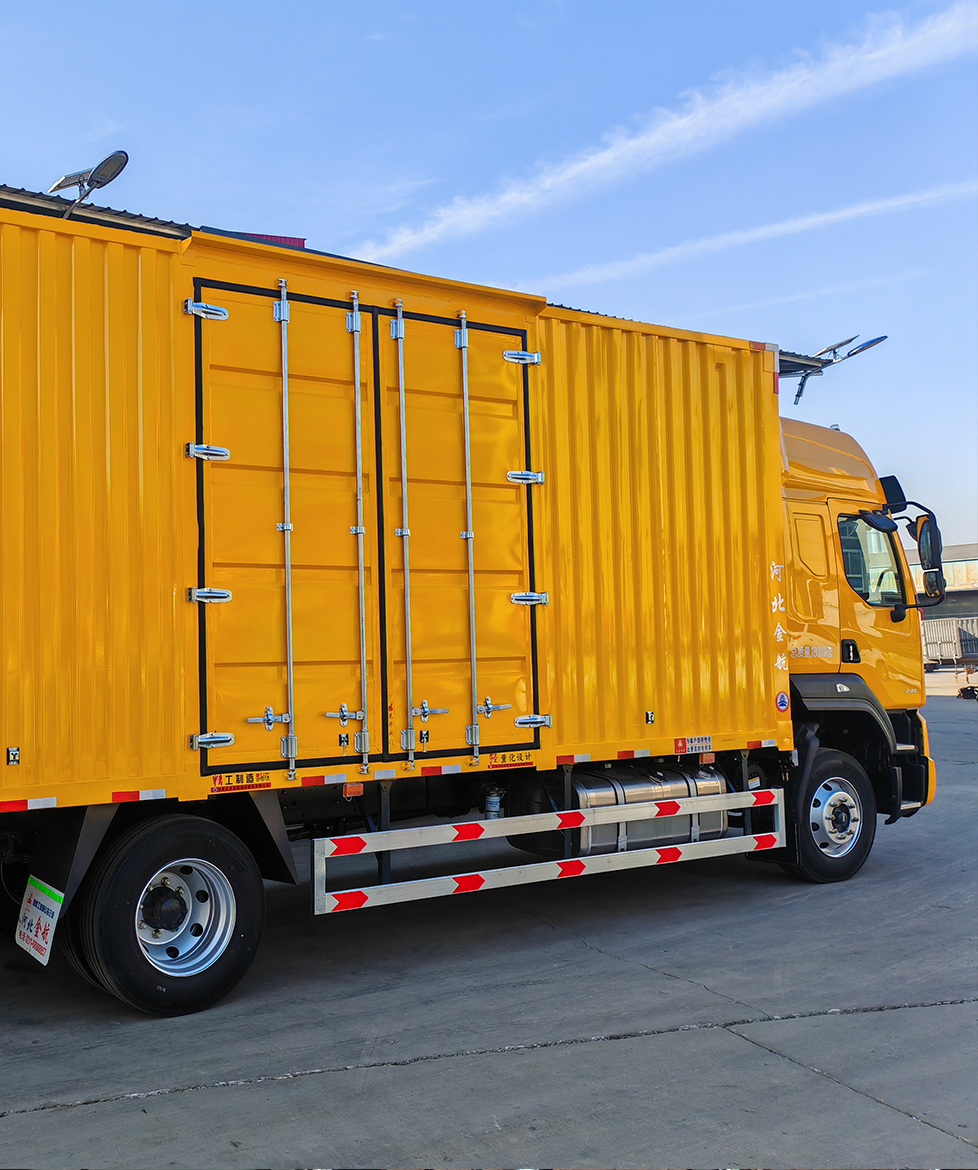
The cargo box volume of this model is approximately 63 m³, with internal cargo dimensions of about 9,600 × 2,460 × 2,700 mm. For multi-category general cargo, loading planning directly affects vehicle transport efficiency. Before loading, placement should be arranged according to cargo dimensions, packaging specifications, and quantity per shipment. Palletized goods require advance confirmation of pallet specifications and forklift aisles, while home appliances and industrial products require consideration of stacking height, spacing between goods, and collision protection. Properly planning cargo placement not only minimizes unused space inside the cargo box, but also balances weight distribution more evenly, reducing the risk of cargo shifting during transit.
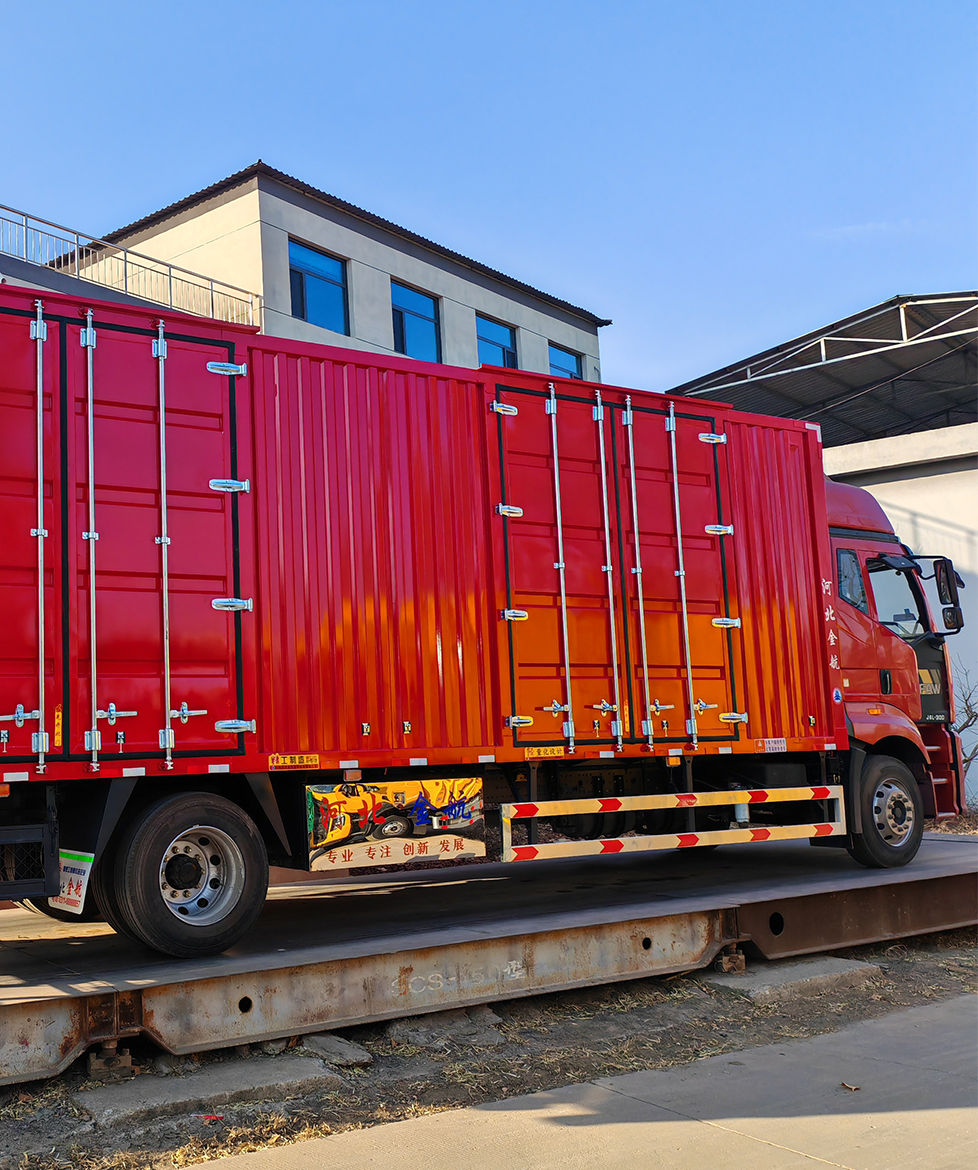
The enclosed box body provides essential protection against rain, dust, and external environmental factors for agricultural products, home appliances, and industrial goods. When transporting agricultural products, stacking height should be arranged based on packaging and cargo characteristics to avoid excessive crushing; for home appliances and industrial products, partitions, cushioning materials, or securing devices can be used to reduce collisions and shifting during transit. Before using the vehicle, inspect the box floor, side panels, rear doors, locking mechanisms, and sealing components. For long-distance transportation or rainy season operations, extra attention should be paid to the box sealing and cargo packaging condition.
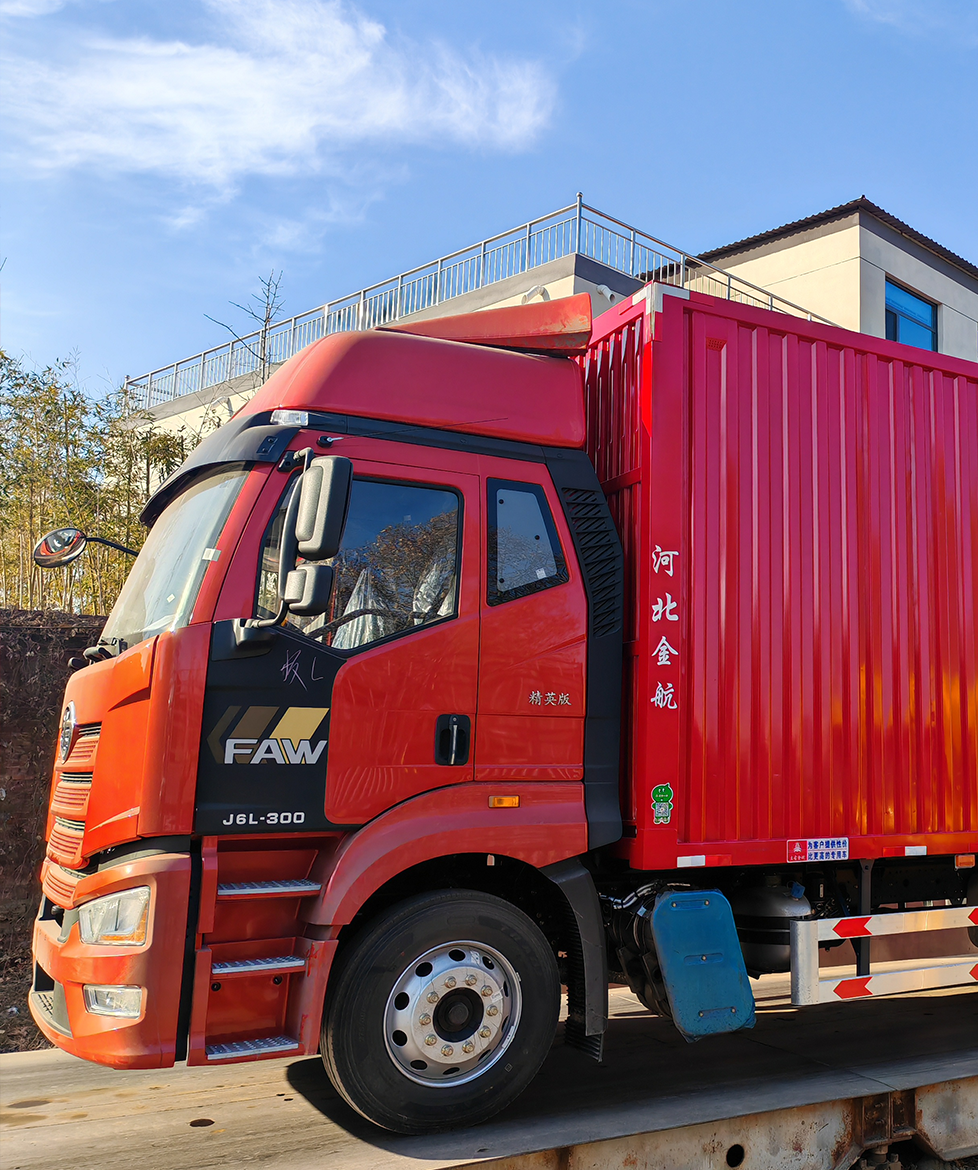
This model's sub-beam uses 220# bent parts made of T700 4.5 mm, the cargo floor uses T700 2.0 mm, and the side panels use T700 1.2 mm. The sub-beams, floor, and side panels together form the fundamental structure of the cargo box. When purchasing, customers should consider cargo weight, loading and unloading methods, and transport frequency to confirm whether the cargo box structure meets actual operational needs. If the vehicle is primarily used to transport palletized goods or frequently loaded and unloaded with forklifts, key attention should also be paid to floor load capacity, rear door opening, forklift passage, and cargo securing methods.
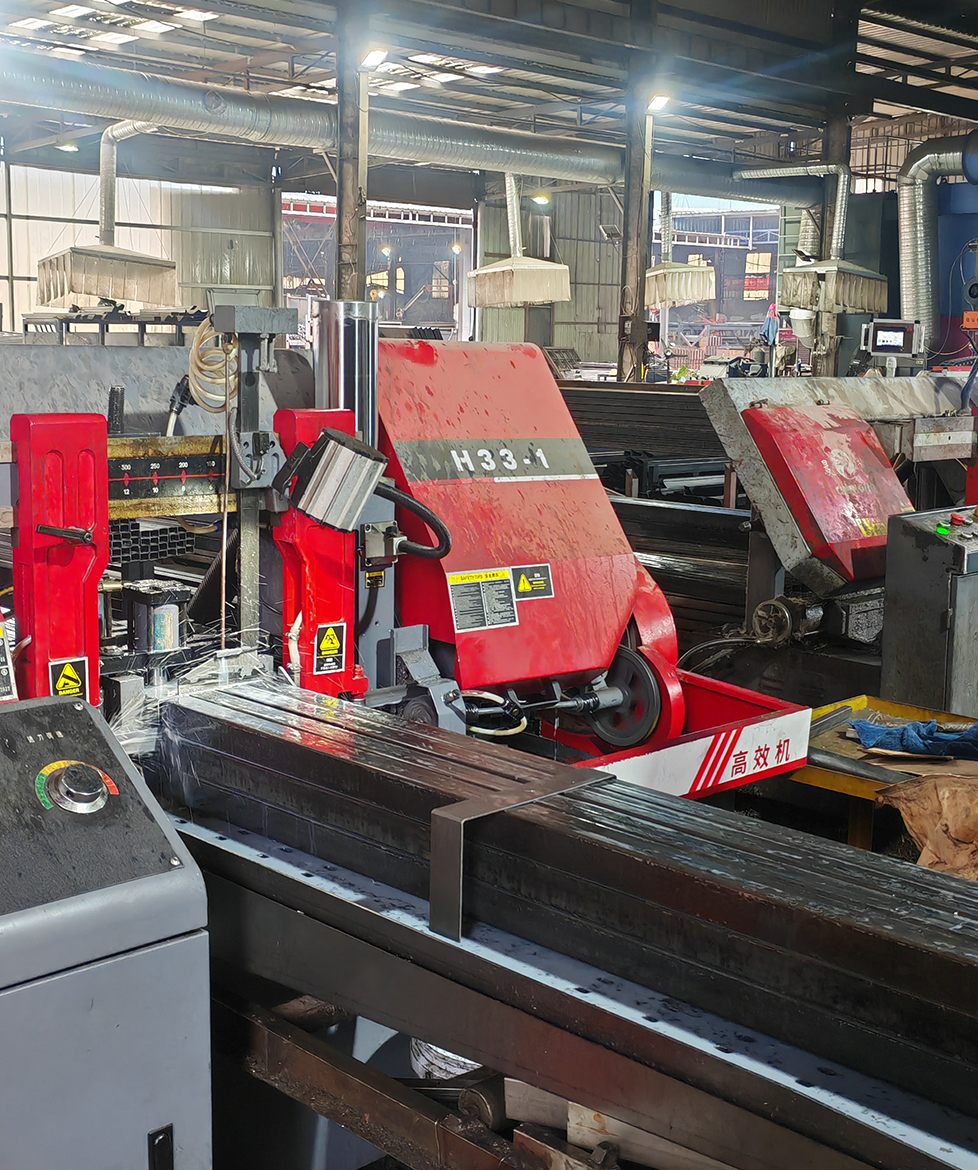
Shijiazhuang Jinhang Trailer Manufacturing Co., Ltd. was established in July 2010, focusing on the manufacturing and customization services of various semi-trailers. In the early days of establishment, the factory area was approximately 10,000 square meters, with annual sales of about 200 trailers. With the continuous increase in market demand and customer cooperation, the factory area expanded to about 20,000 square meters in 2015, with annual sales of about 1,000 units; by 2018, the factory area reached approximately 30,000 square meters, with annual sales of around 2,000 units. In 2023, the Jinhang trailer manufacturing base reached 46,666 square meters, with annual sales of about 2,300 units. In 2025, the company's annual sales reached about 2,400 trailers. By 2026, Jinhang has over 100 employees and more than 300 pieces of production and testing equipment. From domestic customer cooperation to export business development, Jinhang has always adhered to the corporate philosophy of "Quality like Gold, Technology Leading". We value every manufacturing detail of each trailer and cherish every customer cooperation opportunity. Shijiazhuang Jinhang Trailer Manufacturing Co., Ltd. was established in July 2010, focusing on the manufacturing and customization services of various semi-trailers. In the early days of establishment, the factory area was approximately 10,000 square meters, with annual sales of about 200 trailers. With the continuous increase in market demand and customer cooperation, the factory area expanded to about 20,000 square meters in 2015, with annual sales of about 1,000 units; by 2018, the factory area reached approximately 30,000 square meters, with annual sales of around 2,000 units. In 2023, the Jinhang trailer manufacturing base reached 46,666 square meters, with annual sales of about 2,300 units. In 2025, the company's annual sales reached about 2,400 trailers. By 2026, Jinhang has over 100 employees and more than 300 pieces of production and testing equipment. From domestic customer cooperation to export business development, Jinhang has always adhered to the corporate philosophy of "Quality like Gold, Technology Leading". We value every manufacturing detail of each trailer and cherish every customer cooperation opportunity.
Transportation of fruits, vegetables, and agricultural supplies has specific requirements for loading and unloading efficiency, cargo stacking, and vehicle ventilation conditions. When purchasing a stake semi-trailer, customers should first confirm the cargo type, packaging method, unit weight, stacking height, and handling equipment. Fruits and vegetables generally require minimizing crushing and collision, while agricultural supplies may involve diverse packaging specifications and significant weight differences. When loading, cargo should be properly zoned based on its characteristics to avoid localized overloading or shifting during transit. Vehicle length, platform structure, sidewall height, locks, and accessories all need to be confirmed in accordance with routine transportation operations. Customers who frequently use forklifts for loading and unloading should also specify forklift operating clearance and site conditions. Transportation of fruits, vegetables, and agricultural supplies has specific requirements for loading and unloading efficiency, cargo stacking, and vehicle ventilation conditions. When purchasing a stake semi-trailer, customers should first confirm the cargo type, packaging method, unit weight, stacking height, and handling equipment. Fruits and vegetables generally require minimizing crushing and collision, while agricultural supplies may involve diverse packaging specifications and significant weight differences. When loading, cargo should be properly zoned based on its characteristics to avoid localized overloading or shifting during transit. Vehicle length, platform structure, sidewall height, locks, and accessories all need to be confirmed in accordance with routine transportation operations. Customers who frequently use forklifts for loading and unloading should also specify forklift operating clearance and site conditions. Jinhang Trailer can communicate and customize drop-deck structures, mechanical or air suspensions, as well as lock and accessory configurations according to customer cargo types and transportation workflows. Jinhang Trailer can communicate and customize drop-deck structures, mechanical or air suspensions, as well as lock and accessory configurations according to customer cargo types and transportation workflows.
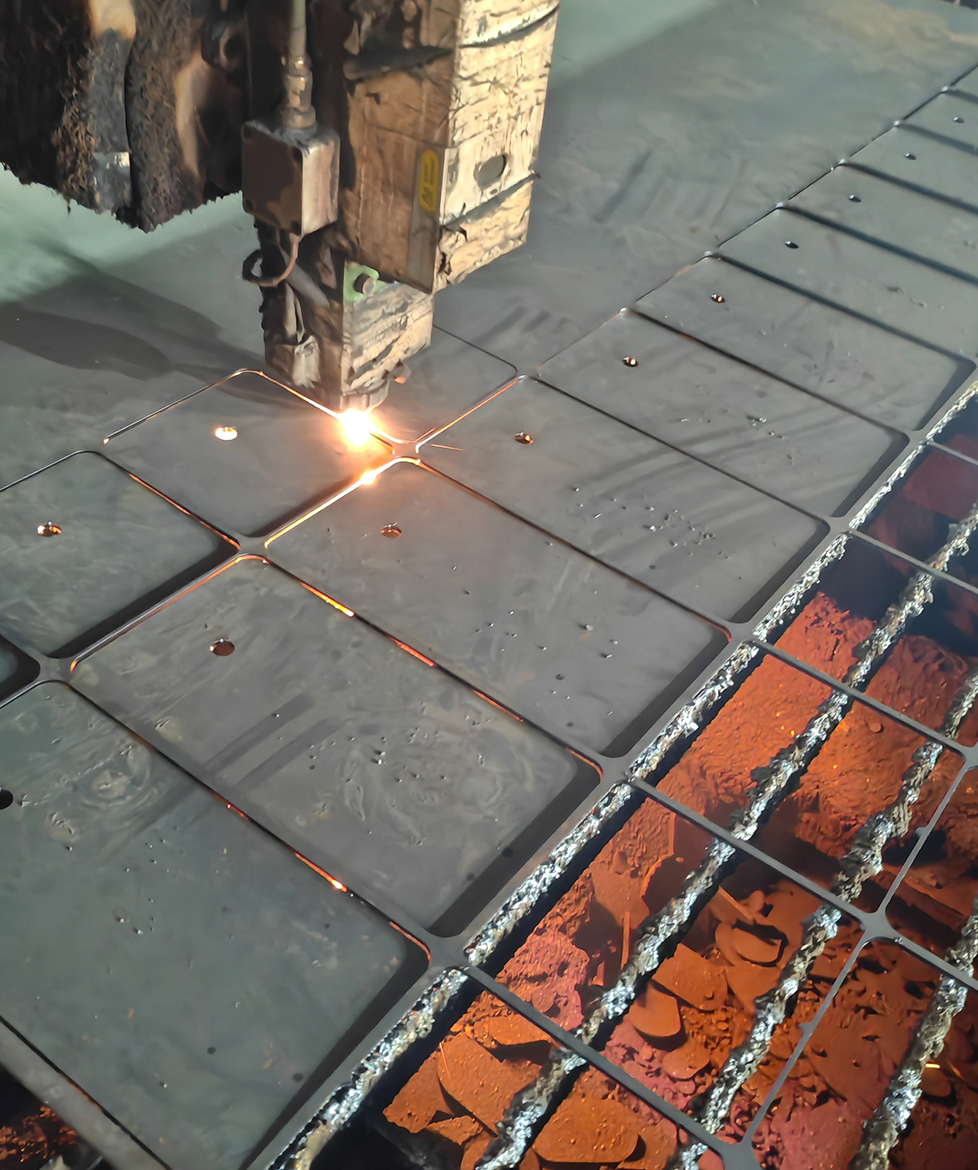
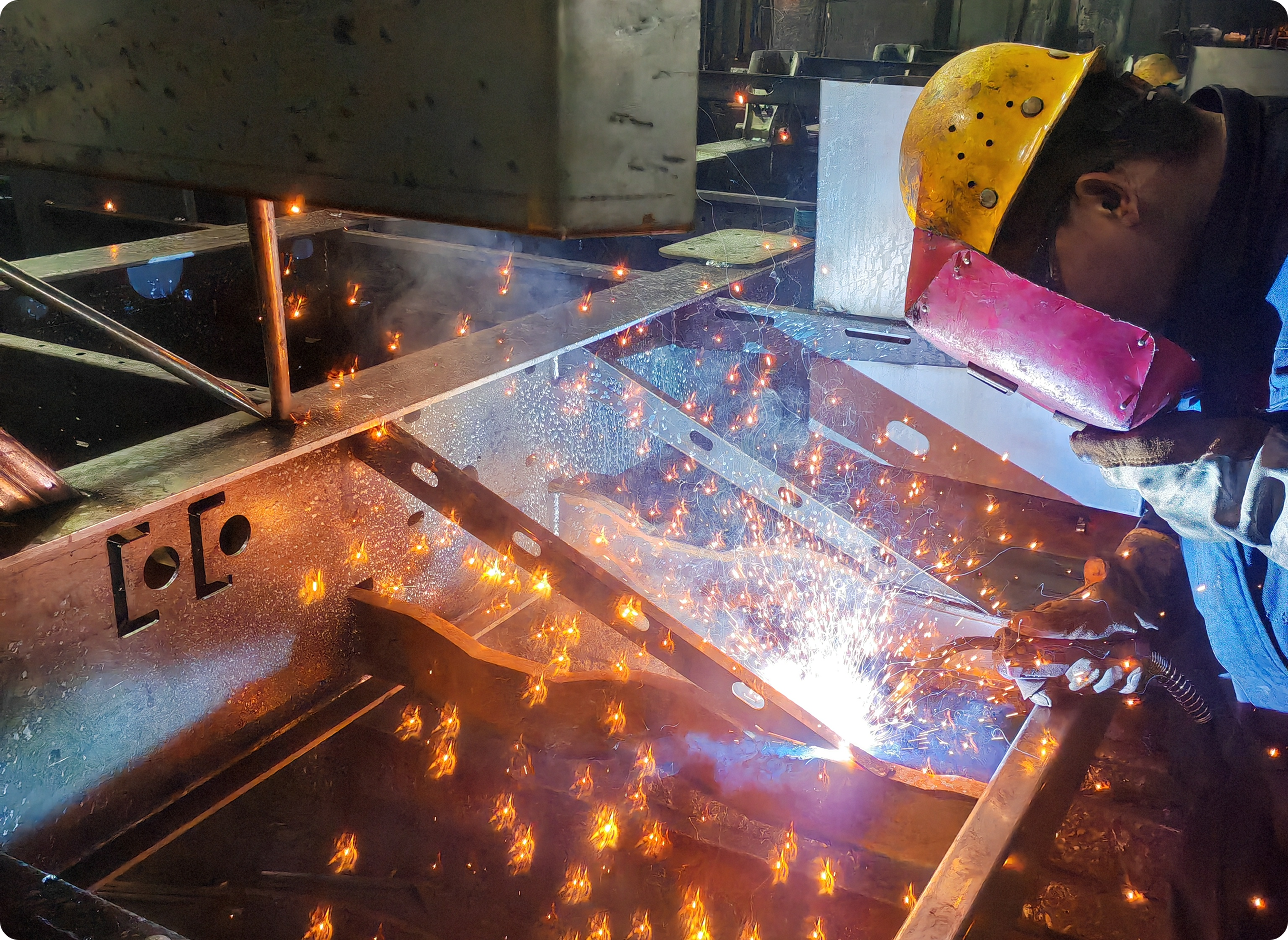
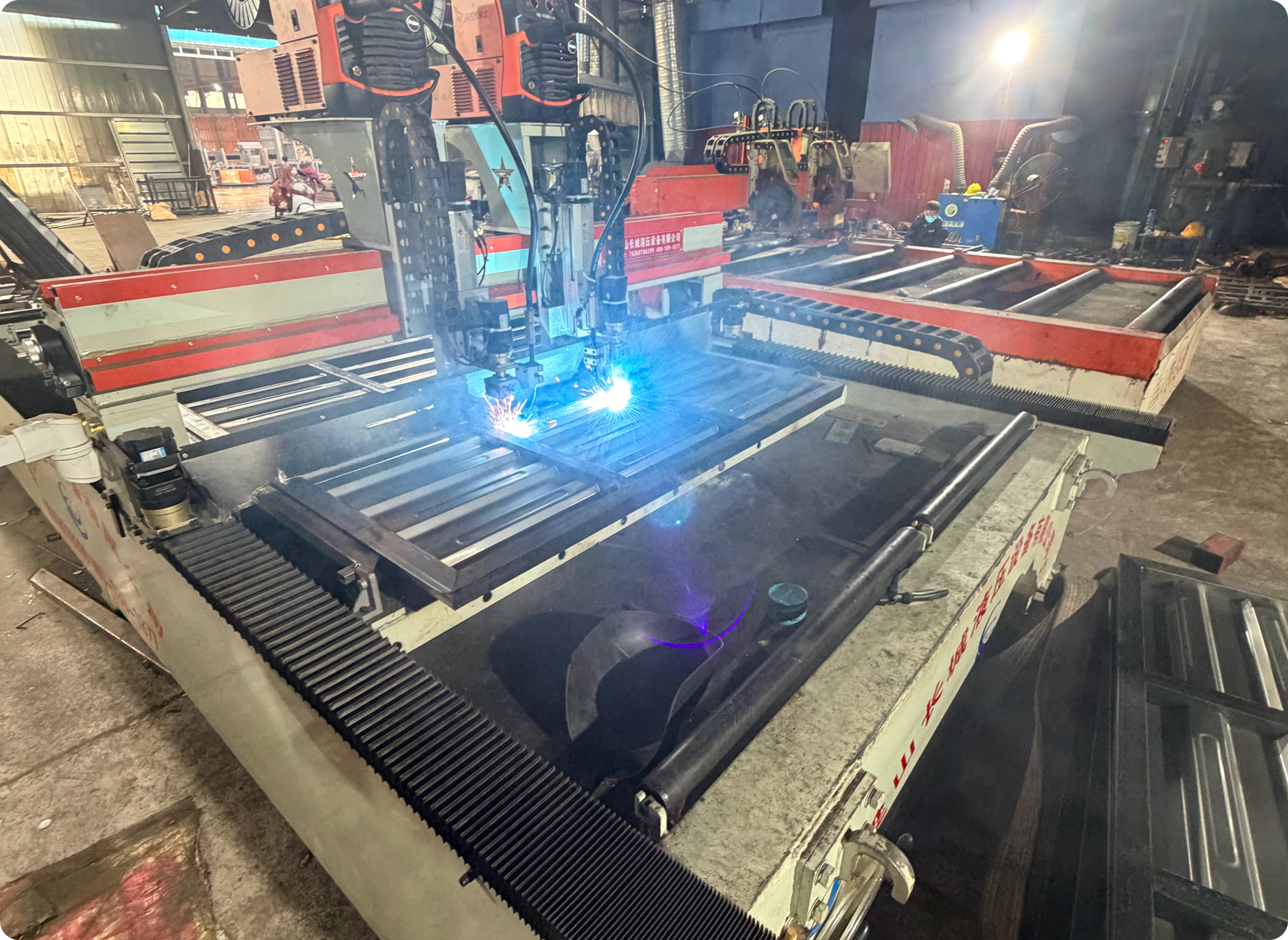
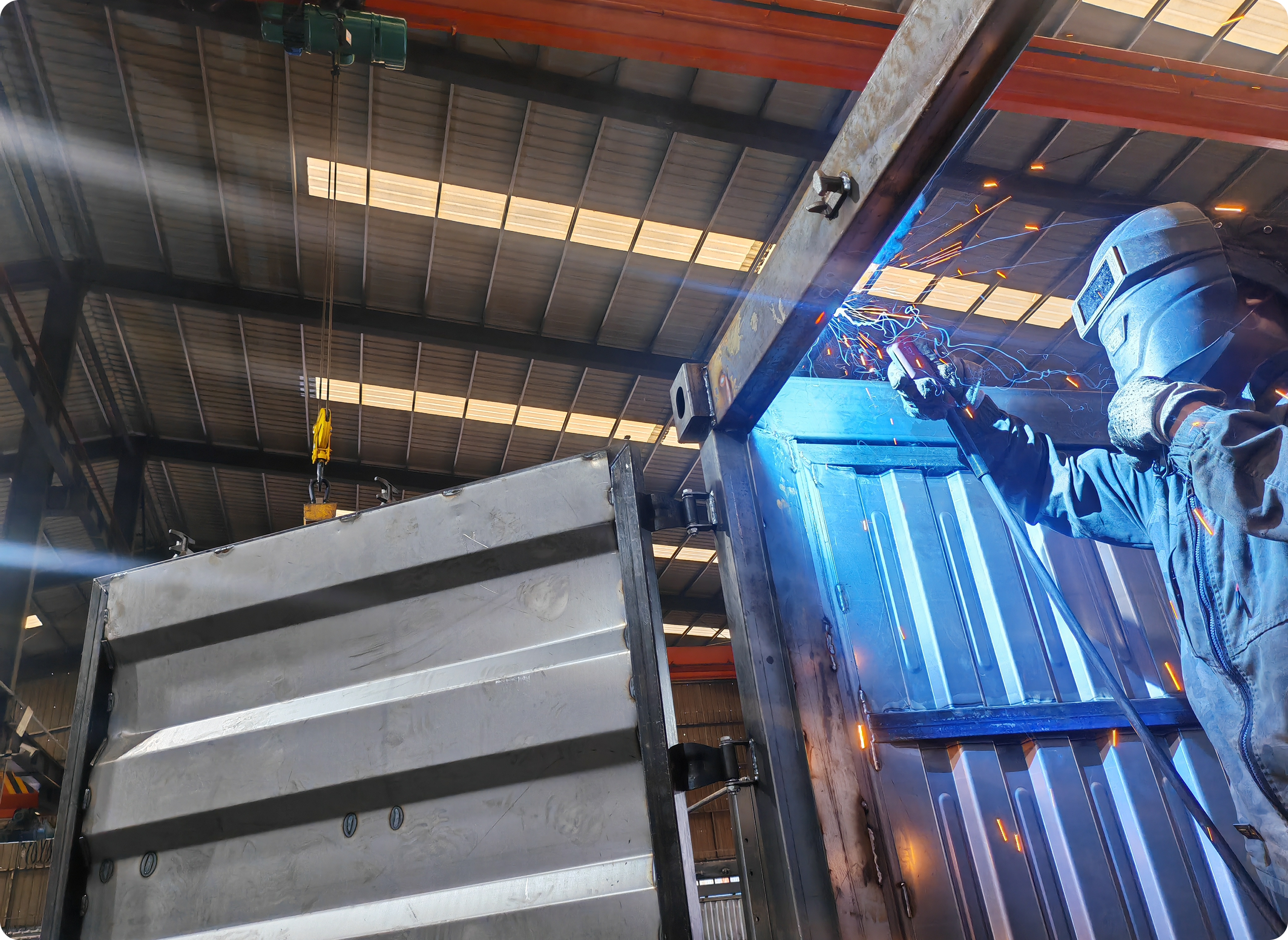
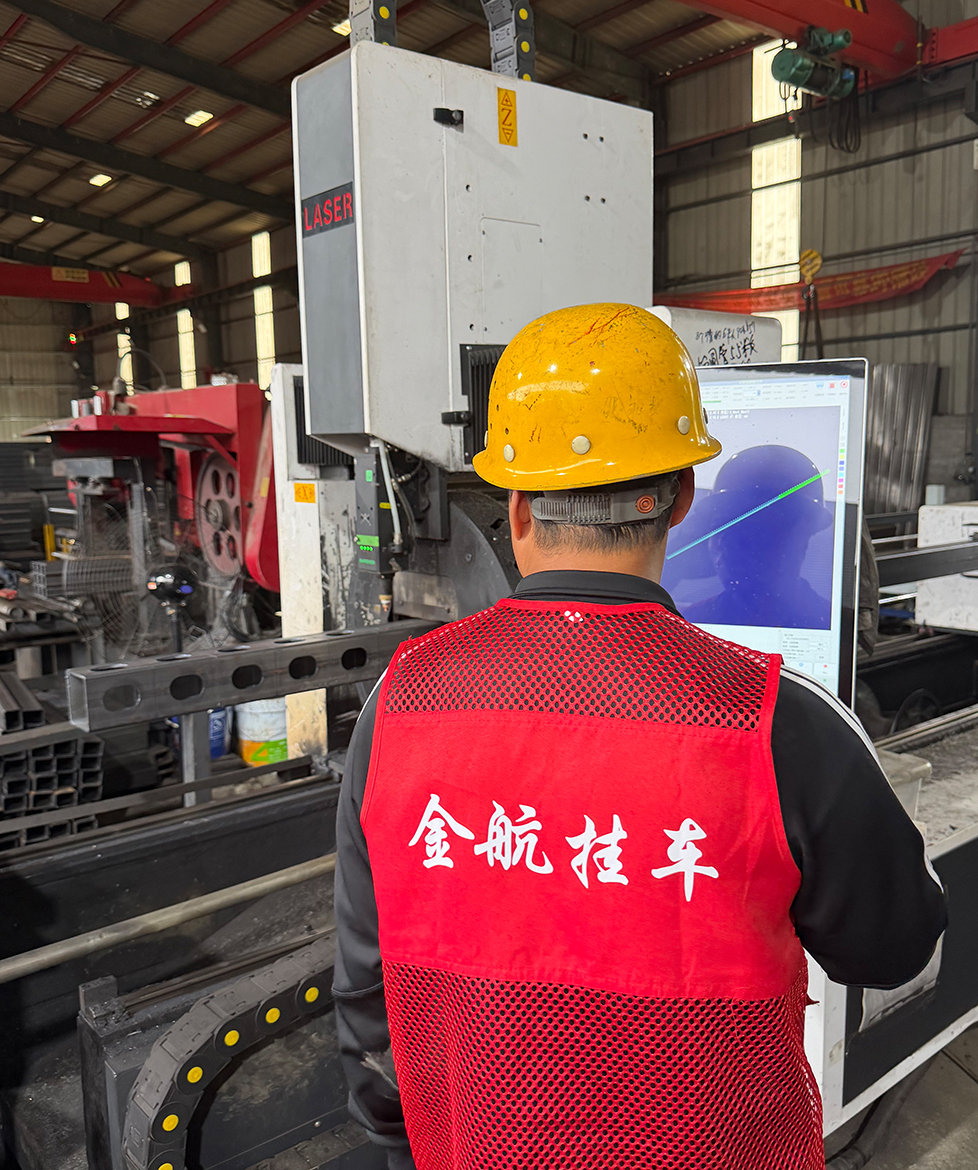
A semi-trailer capable of long-term stable operation relies on rational design, standardized manufacturing, and meticulous inspection. At Jinhang Trailer, every vehicle begins with customer requirement confirmation. The customer's cargo, load capacity requirements, road conditions, tractor specifications, country of use, and delivery deadlines will all influence the final product solution. During the manufacturing process, vehicles undergo frame fabrication, body or platform assembly, suspension and axle installation, pneumatic and electrical system assembly, hydraulic system installation, painting, and complete vehicle inspection. Different models also have different focuses: Dump semi-trailers focus more on the cargo box structure and lifting system, flatbed trailers focus more on load capacity and cargo securement, while container chassis trailers require confirmation of twist lock positions and container specifications. Before leaving the factory, Jinhang conducts inspections on dimensions, assembly, braking, lighting, electrical circuits, appearance, and related functions based on vehicle configurations to prepare for subsequent transport and operation. We believe that quality is not something that only starts at the final inspection A semi-trailer capable of long-term stable operation relies on rational design, standardized manufacturing, and meticulous inspection. At Jinhang Trailer, every vehicle begins with customer requirement confirmation. The customer's cargo, load capacity requirements, road conditions, tractor specifications, country of use, and delivery deadlines will all influence the final product solution. During the manufacturing process, vehicles undergo frame fabrication, body or platform assembly, suspension and axle installation, pneumatic and electrical system assembly, hydraulic system installation, painting, and complete vehicle inspection. Different models also have different focuses: dump semi-trailers focus more on the cargo box structure and lifting system, flatbed trailers focus more on load capacity and cargo securement, while container chassis trailers require confirmation of twist lock positions and container specifications. Before leaving the factory, Jinhang conducts inspections on dimensions, assembly, braking, lighting, electrical circuits, appearance, and related functions based on vehicle configurations to prepare for subsequent transport and operation. We believe that quality is not something that only starts at the final inspection, but should run throughout the entire process of requirement confirmation, manufacturing, assembly inspection, and delivery preparation. starts, but should run throughout the entire process of requirement confirmation, manufacturing, assembly inspection, and delivery preparation.
In 2026, Jinhang Trailer exported and delivered 24 rear dump semi-trailers to Guinea. This is one of the company's key projects to continuously advance its export business and serve overseas transport customers. Rear dump semi-trailers are mainly used for transporting bulk materials such as sand, gravel, ore, coal, and earthwork. Differences in cargo density, payload requirements, road conditions, and unloading frequency result in varying specifications for the box structure, axles, suspension, tires, braking, and hydraulic lifting systems. In export projects, product manufacturing is only one part of the process. Confirming customer requirements, communicating technical solutions, production scheduling, quality inspection, shipment preparation, dispatch coordination, and after-sales support are equally vital to the smooth completion of the project. The delivery of 24 rear dump semi-trailers for this Guinea project demonstrates Jinhang's ability to provide product manufacturing and export delivery support for overseas volume clients. Jinhang can, according to the customer's transported cargo, estimated payload, roa In 2026, Jinhang Trailer exported and delivered 24 rear dump semi-trailers to Guinea. This is one of the company's key projects to continuously ad- vance export business and serve overseas transport customers. Rear dump semi-trailers are mainly used for transporting bulk materials such as sand, gravel, ore, coal, and earthwork. Different cargo's density, payload requirements, road conditions, and unloading frequency vary, demanding different cargo box structures, axles, suspensions, tires, brakes, and hydraulic lifting systems. In export projects, product manufacturing is only one part of the process. Customer requirement confirmation, technical solution communication, production scheduling, quality inspection, shipment preparation, dispatch coordination, and after-sales support are equally vital to the smooth completion of the project. The delivery of 24 rear dump semi-trailers for this Guinea project reflects Jinhang's capability to provide product manufacturing and export delivery support for overseas volume clients. Jinhang can offer more tailored configuration recommendations for rear dump semi-trailers based on the customer's transported cargo, estimated payload, road conditions, country of operation, and destination port information. road conditions, country of operation, and destination port information, to provide more tailored configuration recommendations for rear dump semi-trailers.
Shijiazhuang Jinhang Trailer Manufacturing Co., Ltd. was founded in July 2010, specializing in manufacturing and customizing various semi-trailers. Initially, the plant covered ~10,000 m² with annual sales of ~200 trailers. Driven by growing market demand and partnerships, it expanded to ~20,000 m² in 2015 (sales: ~1,000 units) and ~30,000 m² in 2018 (sales: ~2,000 units). In 2023, Jinhang's base reached 46,666 m² with annual sales of ~2,300 units. In 2025, sales reached ~2,400 trailers. By 2026, Jinhang has over 100 employees and 300+ sets of production and testing equipment. From domestic partnerships to export expansion, Jinhang adheres to the philosophy of "Gold Quality, Tech Leadership." We value every manufacturing detail and cherish every opportunity to cooperate. Shijiazhuang Jinhang Trailer Manufacturing Co., Ltd. was founded in July 2010, focusing on semi-trailer manufacturing and customization services. Initially, the plant covered ~10,000 m² with annual sales of ~200 trailers. Driven by growing market demand and partnerships, it expanded to ~20,000 m² in 2015 (sales: ~1,000 units) and ~30,000 m² in 2018 (sales: ~2,000 units). In 2023, Jinhang's base reached 46,666 m² with annual sales of ~2,300 units. In 2025, sales reached ~2,400 trailers. By 2026, Jinhang has over 100 employees and 300+ sets of production and testing equipment. From domestic partnerships to export expansion, Jinhang adheres to the philosophy of "Gold Quality, Tech Leadership." We value every manufacturing detail and cherish every opportunity to cooperate.
The packaging, weight, dimensions, and loading/unloading methods of agricultural and building materials vary, leading to different requirements for stake side dump semi-trailers. Bagged agricultural products usually require attention to side panel height, cargo stacking stability, and the prevention of shifting during transport. For bulk building materials like sand, gravel, earthwork, and crushed stone, focus should be placed on the cargo box structure, cargo density, unloading efficiency, and vehicle load-bearing capacity. When transporting industrial materials or blocky engineering materials, it is also necessary to confirm whether the cargo is prone to uneven loading, sticking, or impacting the cargo box. Customers can provide the cargo name, unit weight, dimensions, loading equipment, and daily transport frequency to help manufacturers determine the suitable vehicle structure. Road conditions also affect vehicle selection. Will the vehicle operate on public roads, construction sites, material yards, mining areas, or rural roads? Different road surfaces and unloading sites may have varying requirements for the frame, suspension, tires, and unloading stability. The packaging, weight, dimensions, and loading/unloading methods of agricultural and building materials vary, leading to different requirements for stake side dump semi-trailers. Bagged agricultural products usually require attention to side panel height, cargo stacking stability, and the prevention of shifting during transport. For bulk building materials like sand, gravel, earthwork, and crushed stone, focus should be placed on the cargo box structure, cargo density, unloading efficiency, and vehicle load-bearing capacity. When transporting industrial materials or blocky engineering materials, it is also necessary to confirm whether the cargo is prone to uneven loading, sticking, or impacting the cargo box. Customers can provide the cargo name, unit weight, dimensions, loading equipment, and daily transport frequency to help manufacturers determine the suitable vehicle structure. Road conditions also affect vehicle selection. Will the vehicle operate on public roads, construction sites, material yards, mining areas, or rural roads? Different road surfaces and unloading sites may have varying requirements for the frame, suspension, tires, and unloading stability. Jinhang Trailer can communicate the side panel, cargo box, unloading, and accessory solutions for 13-meter stake side dump semi-trailers based on customer cargo and usage scenarios. Jinhang Trailer can communicate the side panel, cargo box, unloading, and accessory solutions for 13-meter stake side dump semi-trailers based on customer cargo and usage scenarios.
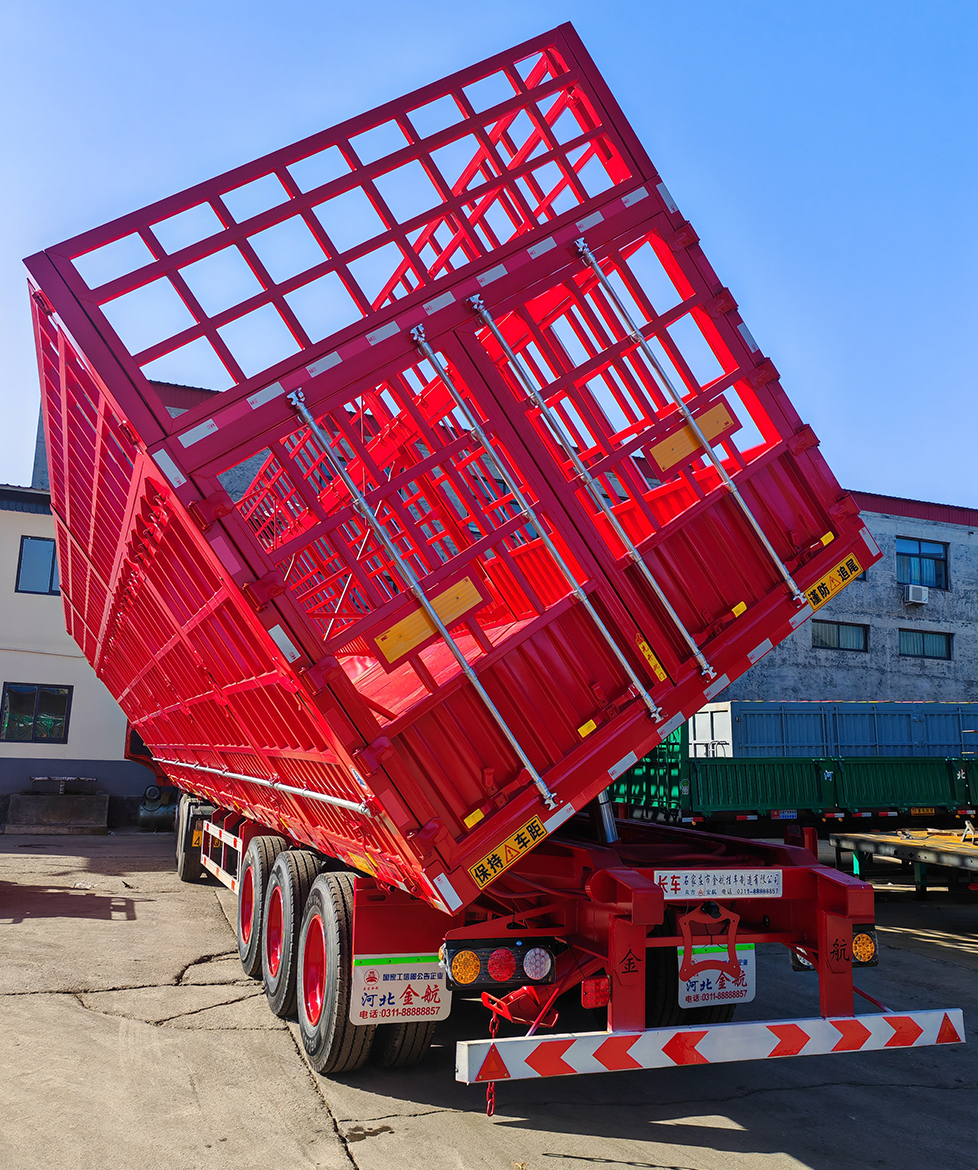
A 13-meter stake side dump trailer is suitable for transporting cargo that requires side-wall enclosure as well as self-dumping capabilities. Depending on actual configurations and working conditions, common applications include agricultural supplies, sand and gravel, earthwork, building materials, industrial materials, and other bulk cargo transport. The side-wall structure provides lateral containment for goods, making it suitable for carrying bagged, granular, or block materials. The self-dumping function helps reduce manual unloading time, improving transport and material turnaround efficiency. When selecting a model, customers should first confirm the cargo density, single-trip payload, packaging method, loading equipment, and unloading site conditions. For heavier, sticky, or irregularly sized goods, the state of the cargo should be specified in advance to communicate and select the appropriate cargo box and dumping configurations. A 13-meter stake side dump trailer is suitable for transporting cargo that requires side-wall enclosure as well as self-dumping capabilities. Depending on actual configurations and working conditions, common applications include agricultural supplies, sand and gravel, earthwork, building materials, industrial materials, and other bulk cargo transport. The side-wall structure provides lateral containment for goods, making it suitable for carrying bagged, granular, or block materials. The self-dumping function helps reduce manual unloading time, improving transport and material turnaround efficiency. When selecting a model, customers should first confirm the cargo density, single-trip payload, packaging method, loading equipment, and unloading site conditions. For heavier, sticky, or irregularly sized goods, the state of the cargo should be specified in advance to communicate and select the appropriate cargo box and dumping configurations. The vehicle length is 13 meters, but the actual scope of application must be confirmed in combination with local road conditions, turning clearance, tractor matching, and vehicle regulations. The vehicle length is 13 meters, but the actual scope of application must be confirmed in combination with local road conditions, turning clearance, tractor matching, and vehicle regulations.
2. What is the difference between a side-wall dump semi-trailer and a rear-dump semi-trailer? Both side-wall dump semi-trailers and rear-dump semi-trailers can be used for bulk cargo transport, but their side-wall structures, unloading directions, and applicable scenarios may differ. Side-wall dump semi-trailers typically emphasize side-wall containment and flexible loading, with specific unloading methods to be confirmed based on the actual vehicle structure. Rear-dump semi-trailers mainly unload cargo from the rear by lifting the cargo box, making them suitable for engineering transport scenarios where there is clear space for rear unloading. When comparing the two types of vehicles, customers should focus on confirming the following points: Comparison Item Side-wall Dump Semi-trailer Rear-dump Semi-trailer Structural Features Balances side-wall containment with dumping needs Primarily uses rear lifting for unloading Applicable Cargo Agricultural supplies, building materials, bulk goods, and general engineering materials Sand, gravel, earthwork, ore, coal, and other bulk materials Unloading Conditions Confirmed based on specific structure and unloading method Requires sufficient space at the rear for unloading Selection Focus Side-wall structure, loading method, and unloading design Lifting system, stability, and rear site conditions 2. What is the difference between a side-wall dump semi-trailer and a rear-dump semi-trailer? Both side-wall dump semi-trailers and rear-dump semi-trailers can be used for bulk cargo transport, but their side-wall structures, unloading directions, and applicable scenarios may differ. Side-wall dump semi-trailers typically emphasize side-wall containment and flexible loading, with specific unloading methods to be confirmed based on the actual vehicle structure. Rear-dump semi-trailers mainly unload cargo from the rear by lifting the cargo box, making them suitable for engineering transport scenarios where there is clear space for rear unloading. When comparing the two types of vehicles, customers should focus on confirming the following points: Comparison Item Side-wall Dump Semi-trailer Rear-dump Semi-trailer Structural Features Balances side-wall containment with dumping needs Primarily uses rear lifting for unloading Applicable Cargo Agricultural supplies, building materials, bulk goods, and general engineering materials Sand, gravel, earthwork, ore, coal, and other bulk materials Unloading Conditions Confirmed based on specific structure and unloading method Requires sufficient space at the rear for unloading Selection Focus Side-wall structure, loading method, and unloading design Lifting system, stability, and rear site conditions If a customer needs to balance both general cargo loading and dumping functions, they should provide photos of the cargo and the loading/unloading process when requesting a quote to avoid judging the vehicle type solely by its name. If a customer needs to balance both general cargo loading and dumping functions, they should provide photos of the cargo and the loading/unloading process when requesting a quote to avoid judging the vehicle type solely by its name.
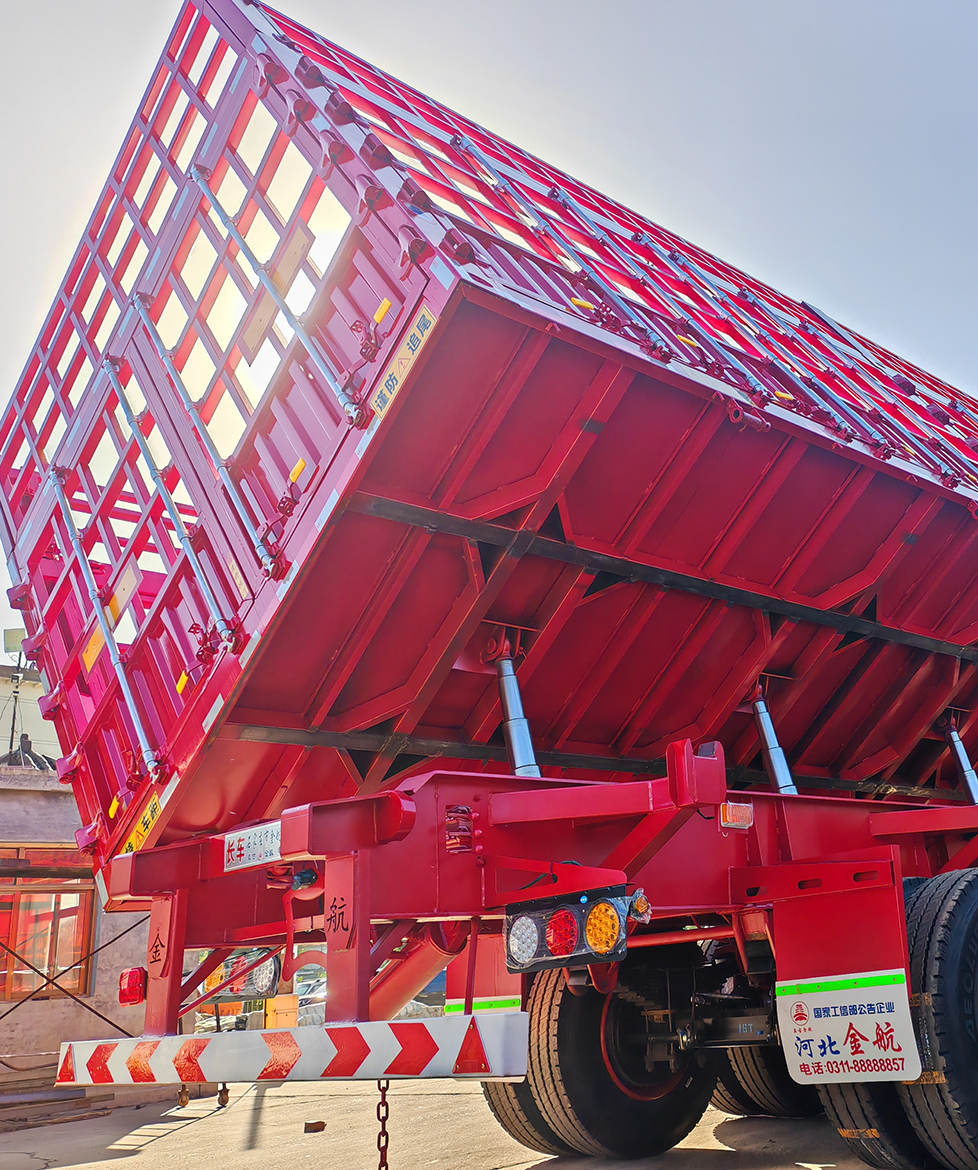
Before putting a side-wall dump semi-trailer into use, ensure that the cargo is loaded evenly and that the vehicle parking position and unloading site meet operational requirements. When loading, avoid concentrating the cargo significantly on one side, and do not exceed the vehicle's permitted height, width, and load capacity. For bagged, granular, or block cargo, stack it reasonably according to the cargo's characteristics and use appropriate securing measures. Before unloading, ensure the ground is level and firm, and that there are no personnel, equipment, buildings, power lines, or other obstacles around the vehicle. If the vehicle uses side unloading, ensure there is sufficient operating space on the tipping side; if rear unloading is used, ensure there is sufficient space behind the vehicle. Before putting a side-wall dump semi-trailer into use, ensure that the cargo is loaded evenly and that the vehicle parking position and unloading site meet operational requirements. When loading, avoid concentrating the cargo significantly on one side, and do not exceed the vehicle's permitted height, width, and load capacity. For bagged, granular, or block cargo, stack it reasonably according to the cargo's characteristics and use appropriate securing measures. Before unloading, ensure the ground is level and firm, and that there are no personnel, equipment, buildings, power lines, or other obstacles around the vehicle. If the vehicle uses side unloading, ensure there is sufficient operating space on the tipping side; if rear unloading is used, ensure there is sufficient space behind the vehicle. If you encounter cargo sticking, unsmooth lifting, vehicle tilting, structural abnormalities, or hydraulic system issues, stop the operation and check for the cause. After unloading is complete, ensure the cargo box has fully returned to its position and is locked properly before continuing to drive. If you encounter cargo sticking, unsmooth lifting, vehicle tilting, structural abnormalities, or hydraulic system issues, stop the operation and check for the cause. After unloading is complete, ensure the cargo box has fully returned to its position and is locked properly before continuing to drive.
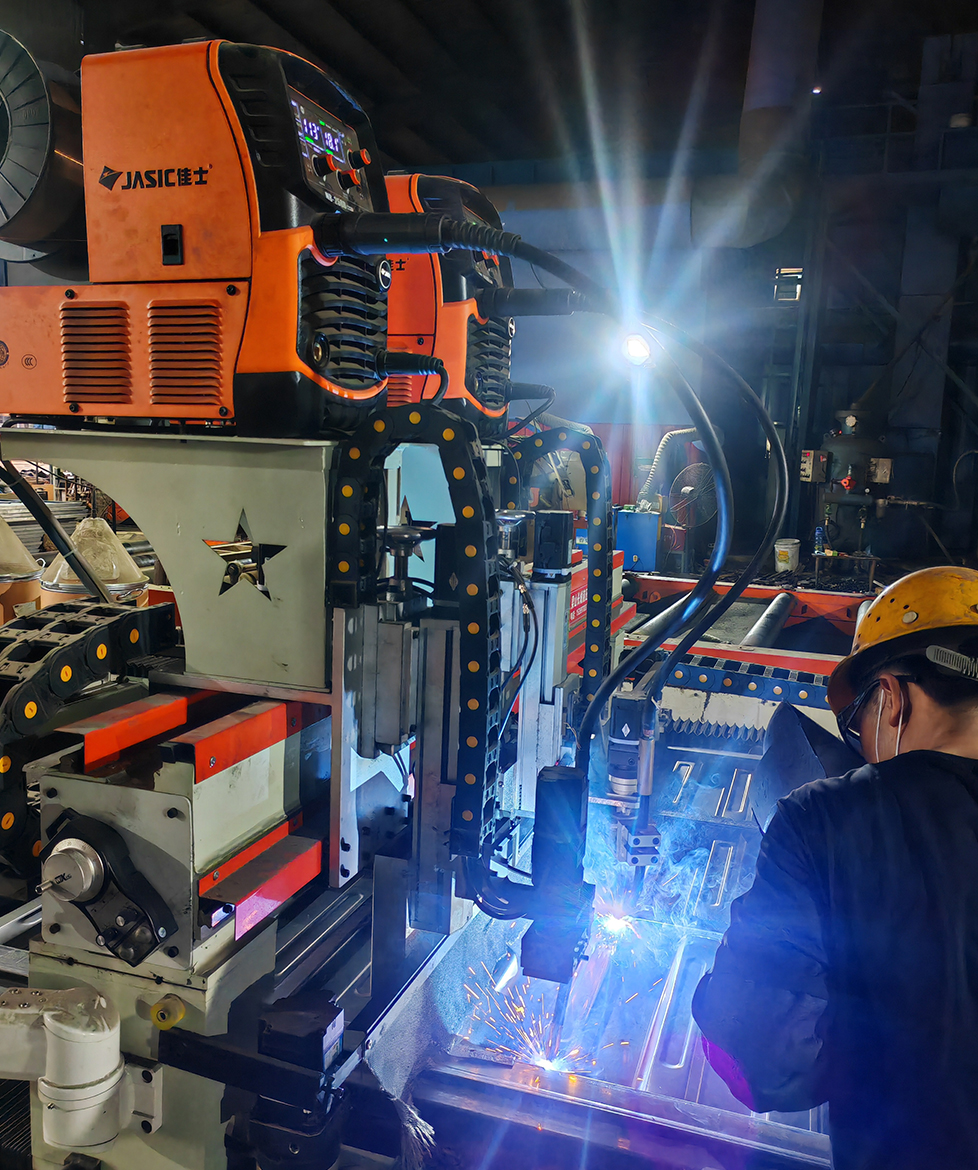
13-meter standard dump semi-trailers are primarily suitable for transporting bulk cargo that requires centralized loading and rapid unloading. Depending on the vehicle structure and actual configuration, they can be used for the transport of sand, gravel, earthwork, crushed stone, coal, ore, construction materials, and other engineering materials. The standard box structure provides a certain level of containment for the cargo, making it suitable for granular, powdery, or block materials. The dump function reduces manual unloading time, making it ideal for construction projects, material yard turnover, mining area transport, and other high-frequency unloading scenarios. When selecting a model, customers should confirm the cargo density, single-load weight, loading method, unloading frequency, and road conditions in advance. For cargo that is prone to sticking, has high moisture content, or is highly abrasive, the cargo characteristics should also be specified to facilitate communication regarding the trailer structure and unloading plan. 13-meter standard dump semi-trailers are primarily suitable for transporting bulk cargo that requires centralized loading and rapid unloading. Depending on the vehicle structure and actual configuration, they can be used for the transport of sand, gravel, earthwork, crushed stone, coal, ore, construction materials, and other engineering materials. The standard box structure provides a certain level of containment for the cargo, making it suitable for granular, powdery, or block materials. The dump function reduces manual unloading time, making it ideal for construction projects, material yard turnover, mining area transport, and other high-frequency unloading scenarios. When selecting a model, customers should confirm the cargo density, single-load weight, loading method, unloading frequency, and road conditions in advance. For cargo that is prone to sticking, has high moisture content, or is highly abrasive, the cargo characteristics should also be specified to facilitate communication regarding the trailer structure and unloading plan. 13 meters is only the vehicle length information; actual suitability must also be confirmed in combination with vehicle dimensions, axle load, tractor unit, and the regulations of the destination country. 13 meters is only the vehicle length information; actual suitability must also be confirmed in combination with vehicle dimensions, axle load, tractor unit, and the regulations of the destination country.
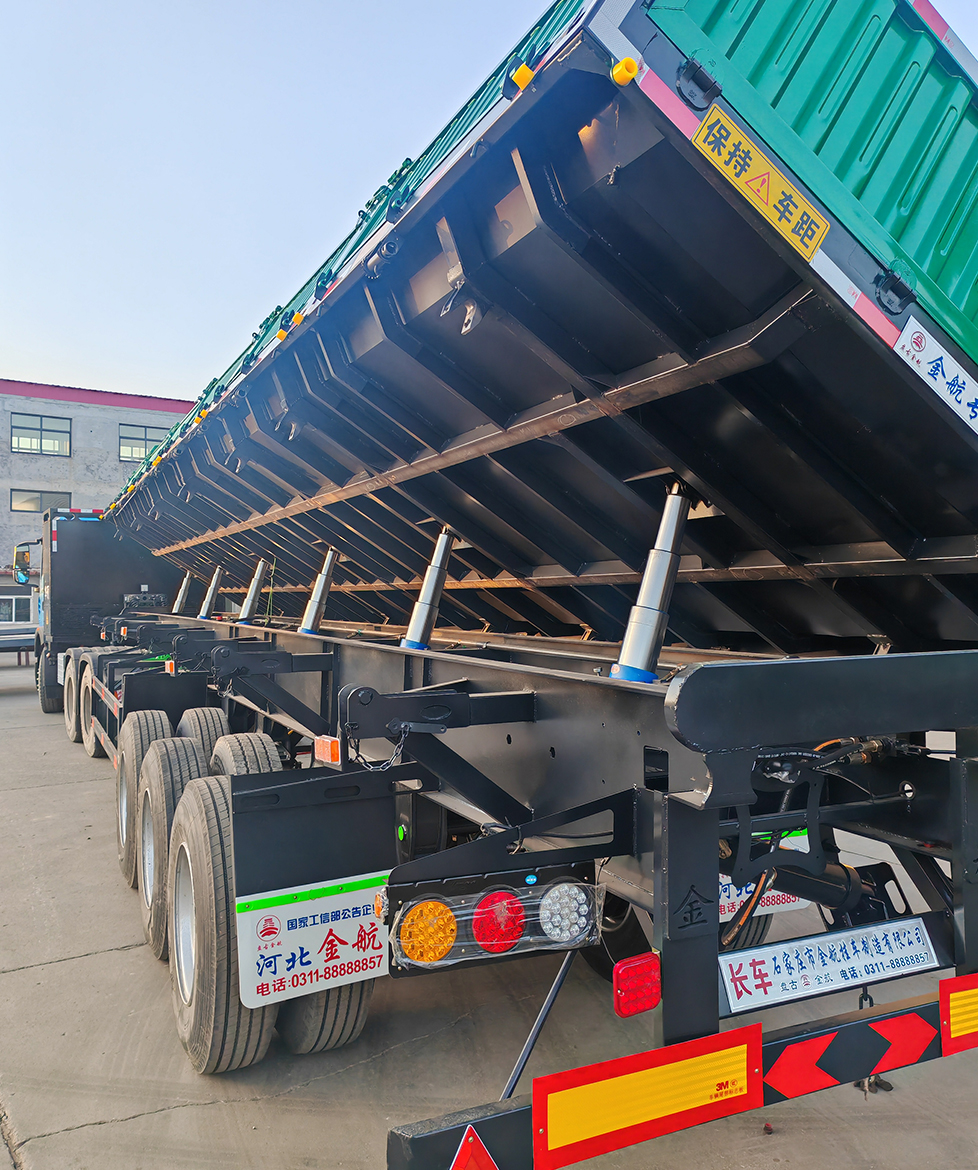
Both standard box tipper trailers and conventional rear dump trailers can transport bulk materials, but they differ in box structure, cargo containment, and primary applications. Standard box tipper trailers emphasize box-type bodies and cargo containment, suitable for tasks requiring reduced spillage or standardized loading. Conventional rear dump trailers rely on rear-tilting bodies to discharge cargo from the back, commonly used for gravel, earthwork, and construction materials. When choosing between the two, evaluate cargo type, body capacity, handling methods, discharge site, and road conditions. Comparison Item Standard Box Tipper Trailer Conventional Rear Dump Trailer Structural Focus Standard/enclosed box combined with tipping function Rear-tilt body with lifting system Cargo Containment Depends on box structure, higher focus on containment Depends on body height and structure Applicable Cargo Bulk materials, engineering materials, specific box-transport needs Sand, gravel, earthwork, ore, coal, etc. Selection Key Points Box dimensions, capacity, discharge method Lifting system, rear clearance, and stability Both standard box tipper trailers and conventional rear dump trailers can transport bulk materials, but they differ in box structure, cargo containment, and primary applications. Standard box tipper trailers emphasize box-type bodies and cargo containment, suitable for tasks requiring reduced spillage or standardized loading. Conventional rear dump trailers rely on rear-tilting bodies to discharge cargo from the back, commonly used for gravel, earthwork, and construction materials. When choosing between the two, evaluate cargo type, body capacity, handling methods, discharge site, and road conditions. Comparison Item Standard Box Tipper Trailer Conventional Rear Dump Trailer Structural Focus Standard/enclosed box combined with tipping function Rear-tilt body with lifting system Cargo Containment Depends on box structure, higher focus on containment Depends on body height and structure Applicable Cargo Bulk materials, engineering materials, specific box-transport needs Sand, gravel, earthwork, ore, coal, etc. Selection Key Points Box dimensions, capacity, discharge method Lifting system, rear clearance, and stability If transporting powder, granular, or spill-prone cargo, please specify cargo state and loading method during inquiry to evaluate if a box structure is preferable. If transporting powder, granular, or spill-prone cargo, please specify cargo state and loading method during inquiry to evaluate if a box structure is preferable.
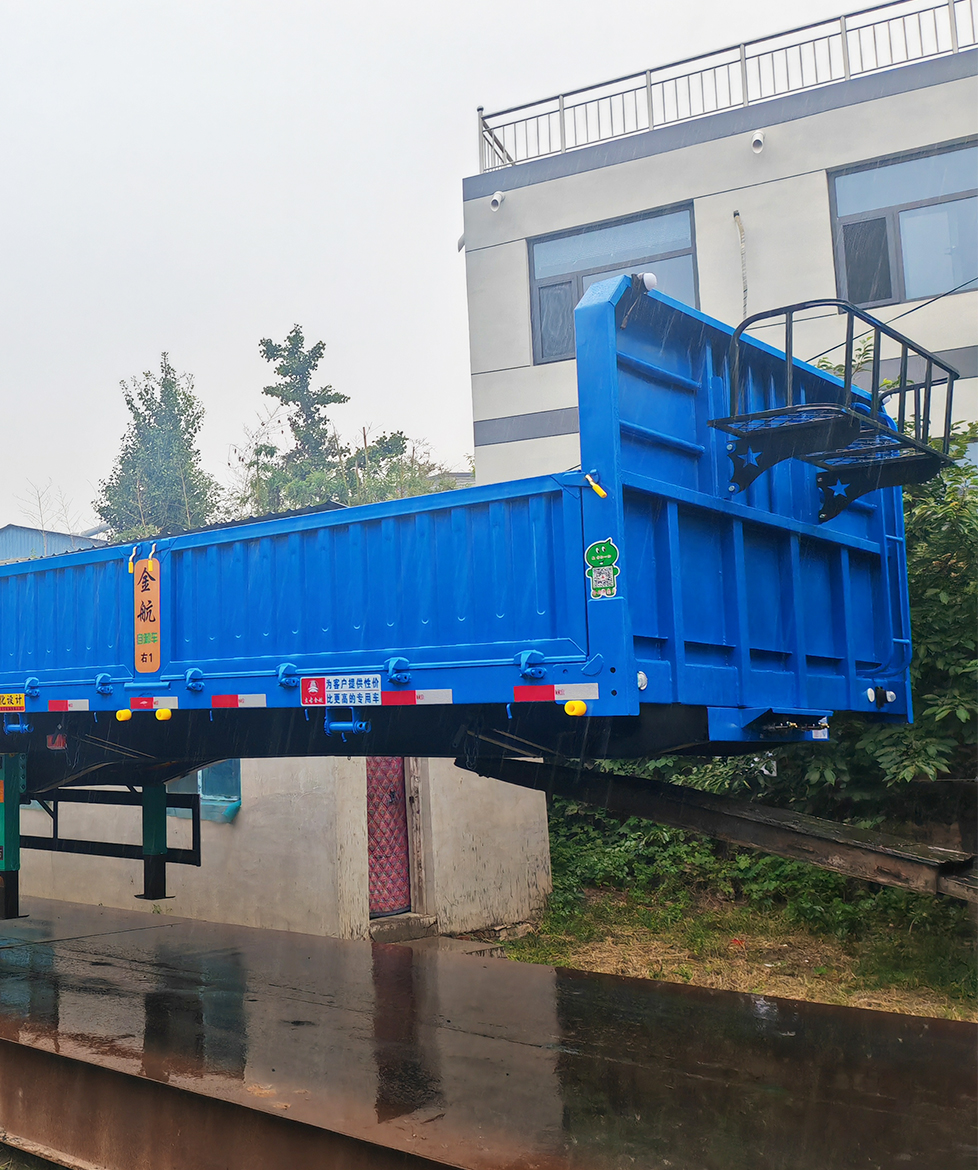
When choosing a JHT9400L dump semi-trailer, you should first clarify the cargo to be transported and the actual operating environment. For bulk materials such as sand, gravel, earthwork, and ore, it is necessary to confirm the cargo density, particle size, moisture content, and abrasiveness. For powdery minerals, building materials, or other goods prone to spilling, focus should be placed on the box height, sealing or enclosure structure, and loading/unloading methods. Road conditions also affect vehicle configuration. Will the vehicle mainly travel on ordinary roads, highways, construction sites, material yards, or mining roads? Road width, gradient, surface flatness, and turning conditions all need to be specified before purchase. In addition, you should confirm the loading equipment, unloading location, daily transport frequency, tractor parameters, and destination country regulations. Complete operating condition data helps in confirming the cargo box volume, axle load, suspension, tires, braking, and unloading structure. When choosing a JHT9400L dump semi-trailer, you should first clarify the cargo to be transported and the actual operating environment. For bulk materials such as sand, gravel, earthwork, and ore, it is necessary to confirm the cargo density, particle size, moisture content, and abrasiveness. For powdery minerals, building materials, or other goods prone to spilling, focus should be placed on the box height, sealing or enclosure structure, and loading/unloading methods. Road conditions also affect vehicle configuration. Will the vehicle mainly travel on ordinary roads, highways, construction sites, material yards, or mining roads? Road width, gradient, surface flatness, and turning conditions all need to be specified before purchase. In addition, you should confirm the loading equipment, unloading location, daily transport frequency, tractor parameters, and destination country regulations. Complete operating condition data helps in confirming the cargo box volume, axle load, suspension, tires, braking, and unloading structure. Jinhang Trailer can communicate the product configuration and customization plan for the JHT9400L based on the customer's cargo and transport tasks. Jinhang Trailer can communicate the product configuration and customization plan for the JHT9400L based on the customer's cargo and transport tasks.
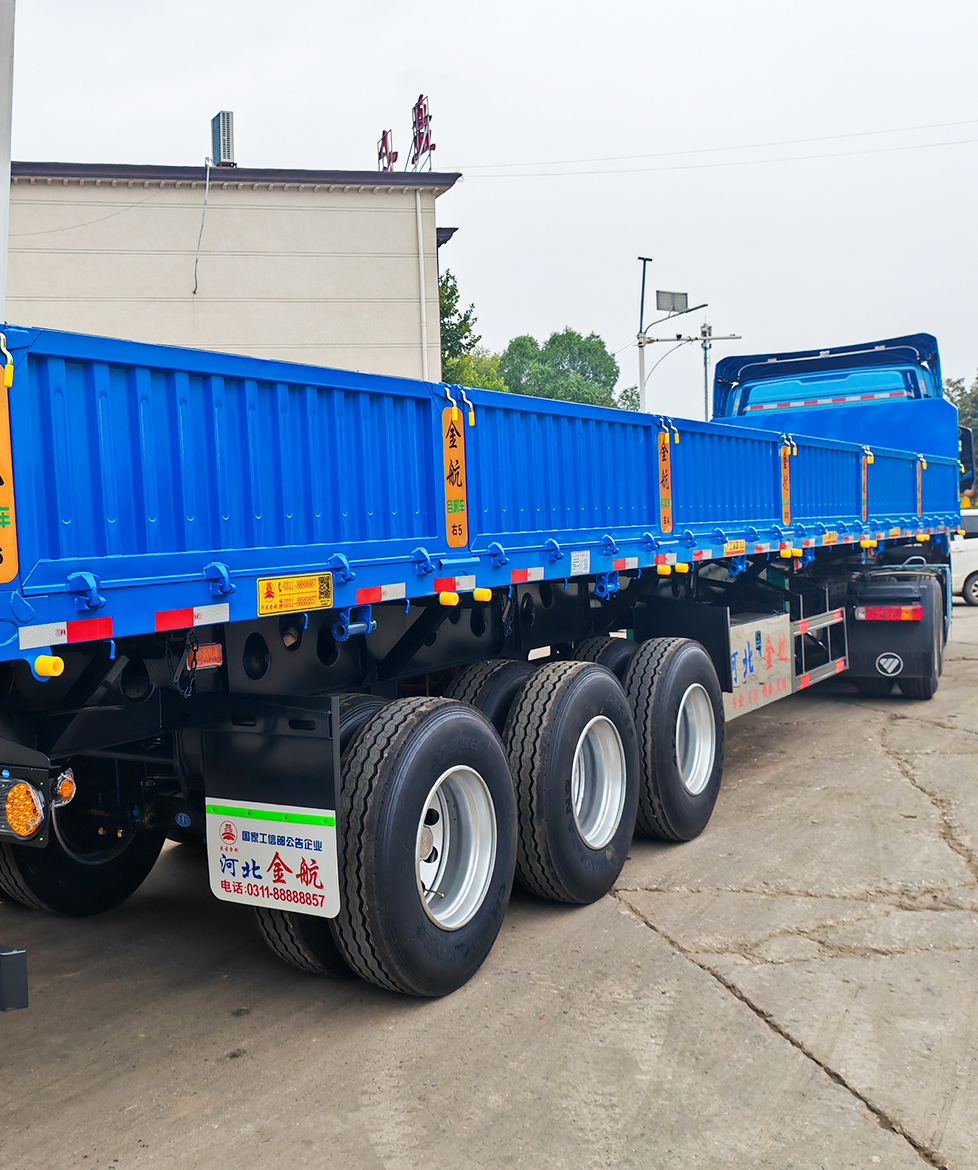
The efficiency of dump container trailers is mainly reflected in three aspects: loading organization, transport protection, and unloading speed. Before loading, customers should reasonably arrange the loading according to the cargo density and the volume of a single transport to avoid local accumulation or significant uneven loading of the cargo. For powdery, granular, and block materials, it should be confirmed whether the loading equipment is suitable for the container height and feeding method. Before unloading, a flat, solid site with sufficient operating space should be selected. The vehicle should complete rear-dumping or other forms of unloading operations according to the actual structural requirements. During the unloading process, attention should be paid to whether the cargo is sticking, whether the container is fully opened, and whether the vehicle remains stable. The efficiency of dump container trailers is mainly reflected in three aspects: loading organization, transport protection, and unloading speed. Before loading, customers should reasonably arrange the loading according to the cargo density and the volume of a single transport to avoid local accumulation or significant uneven loading of the cargo. For powdery, granular, and block materials, it should be confirmed whether the loading equipment is suitable for the container height and feeding method. Before unloading, a flat, solid site with sufficient operating space should be selected. The vehicle should complete rear-dumping or other forms of unloading operations according to the actual structural requirements. During the unloading process, attention should be paid to whether the cargo is sticking, whether the container is fully opened, and whether the vehicle remains stable. After the vehicle is put into operation, repetitive problems can be reduced through fixed loading sequences, unloading inspections, and maintenance records. Regular inspection of the container, lifting parts, frame, tires, suspension, and braking system also helps to reduce unplanned downtime. After the vehicle is put into operation, repetitive problems can be reduced through fixed loading sequences, unloading inspections, and maintenance records. Regular inspection of the container, lifting parts, frame, tires, suspension, and braking system also helps to reduce unplanned downtime.
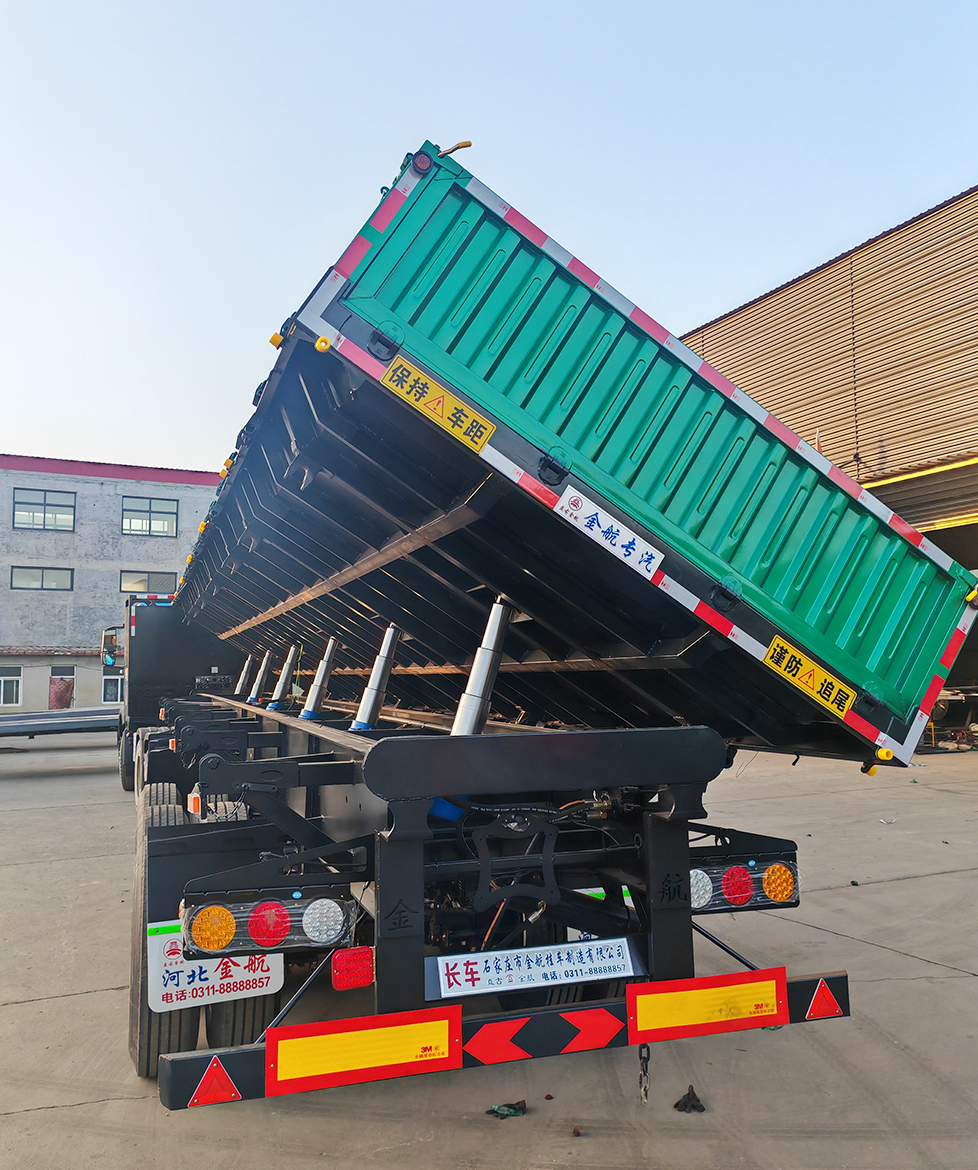
The 13-meter side-tipper skeleton trailer is primarily suitable for transporting bulk materials that require side unloading. Common applications include sand, gravel, earthwork, ore, coal, construction materials, and other goods that require rapid unloading. The side-tipping structure allows cargo to be unloaded to one side of the vehicle, making it suitable for transport scenarios where the unloading direction is specific and there is sufficient lateral working space. Compared to standard flatbed trailers, this model is better suited for tasks that require concentrated loading and unloading through the side of the vehicle. When selecting a model, customers should first confirm the density, unit weight, particle size, moisture content, and abrasiveness of the cargo. Different types of cargo have varying requirements for the trailer structure, load-bearing capacity, and the stability of the side-tipping operation. The 13-meter side-tipper skeleton trailer is primarily suitable for transporting bulk materials that require side unloading. Common applications include sand, gravel, earthwork, ore, coal, construction materials, and other goods that require rapid unloading. The side-tipping structure allows cargo to be unloaded to one side of the vehicle, making it suitable for transport scenarios where the unloading direction is specific and there is sufficient lateral working space. Compared to standard flatbed trailers, this model is better suited for tasks that require concentrated loading and unloading through the side of the vehicle. When selecting a model, customers should first confirm the density, unit weight, particle size, moisture content, and abrasiveness of the cargo. Different types of cargo have varying requirements for the trailer structure, load-bearing capacity, and the stability of the side-tipping operation. Customers also need to specify the main transport routes, unloading sites, daily transport frequency, and tractor information. For complex environments such as mining areas, construction sites, and sand/gravel yards, road gradients, ground flatness, and lateral unloading space should be confirmed in advance. Customers also need to specify the main transport routes, unloading sites, daily transport frequency, and tractor information. For complex environments such as mining areas, construction sites, and sand/gravel yards, road gradients, ground flatness, and lateral unloading space should be confirmed in advance.
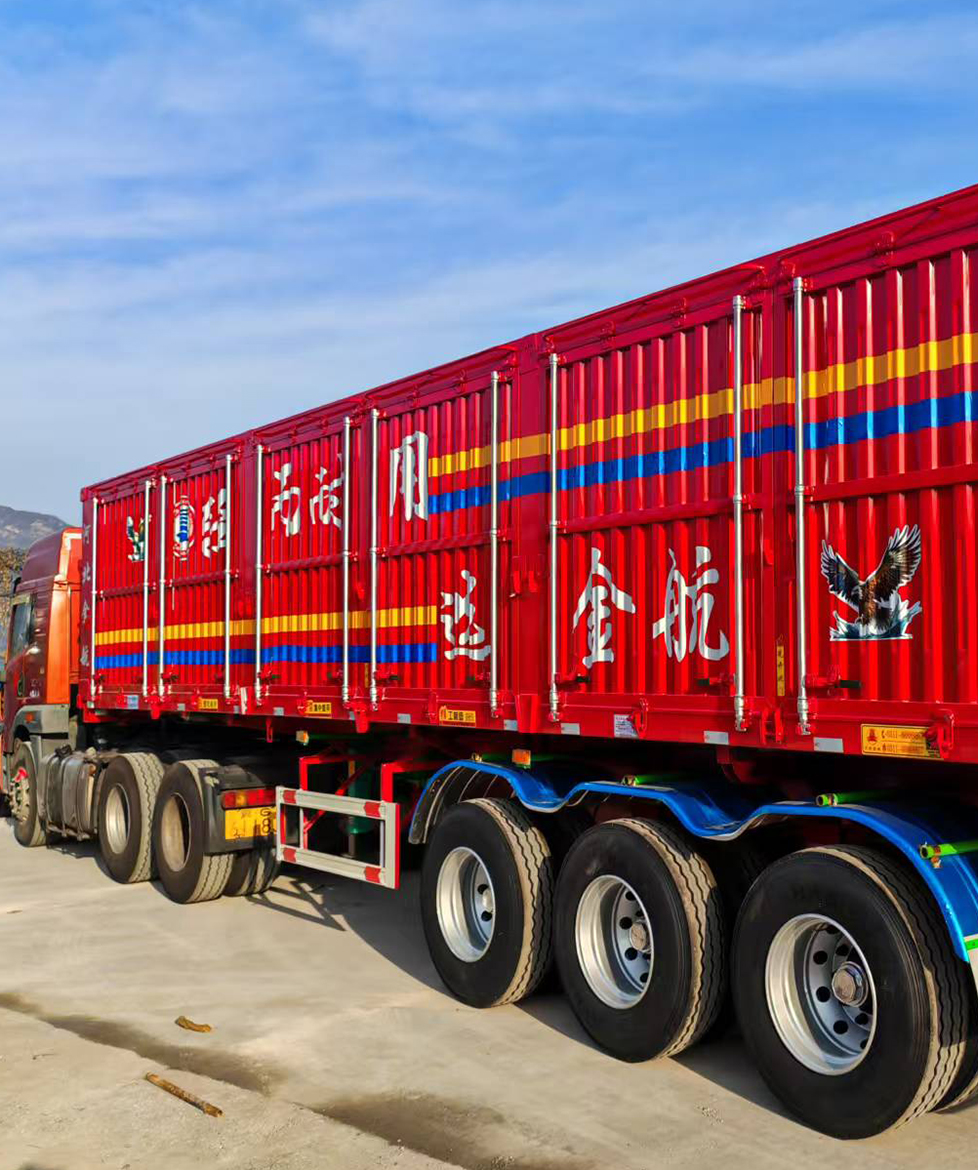
Both skeleton side tipper trailers and rear dump trailers can be used for bulk material transport, with the main differences lying in the dumping direction and site requirements. Skeleton side tipper trailers unload by tipping the cargo box to one side, making them ideal for scenarios where there is sufficient lateral space and cargo needs to be concentrated on one side. Rear dump trailers, on the other hand, lift the cargo box backward to discharge cargo from the rear of the vehicle, making them more suitable for transport operations with clearly defined rear dumping space. When choosing, customers should focus on comparing unloading locations, site widths, road conditions, cargo types, and daily transport processes. Both skeleton side tipper trailers and rear dump trailers can be used for bulk material transport, with the main differences lying in the dumping direction and site requirements. Skeleton side tipper trailers unload by tipping the cargo box to one side, making them ideal for scenarios where there is sufficient lateral space and cargo needs to be concentrated on one side. Rear dump trailers, on the other hand, lift the cargo box backward to discharge cargo from the rear of the vehicle, making them more suitable for transport operations with clearly defined rear dumping space. When choosing, customers should focus on comparing unloading locations, site widths, road conditions, cargo types, and daily transport processes. If a customer's unloading site is not fixed, or if lateral space is restricted, the actual operating conditions should be fully communicated before purchasing to determine whether a side-tipping structure is suitable. If a customer's unloading site is not fixed, or if lateral space is restricted, the actual operating conditions should be fully communicated before purchasing to determine whether a side-tipping structure is suitable.
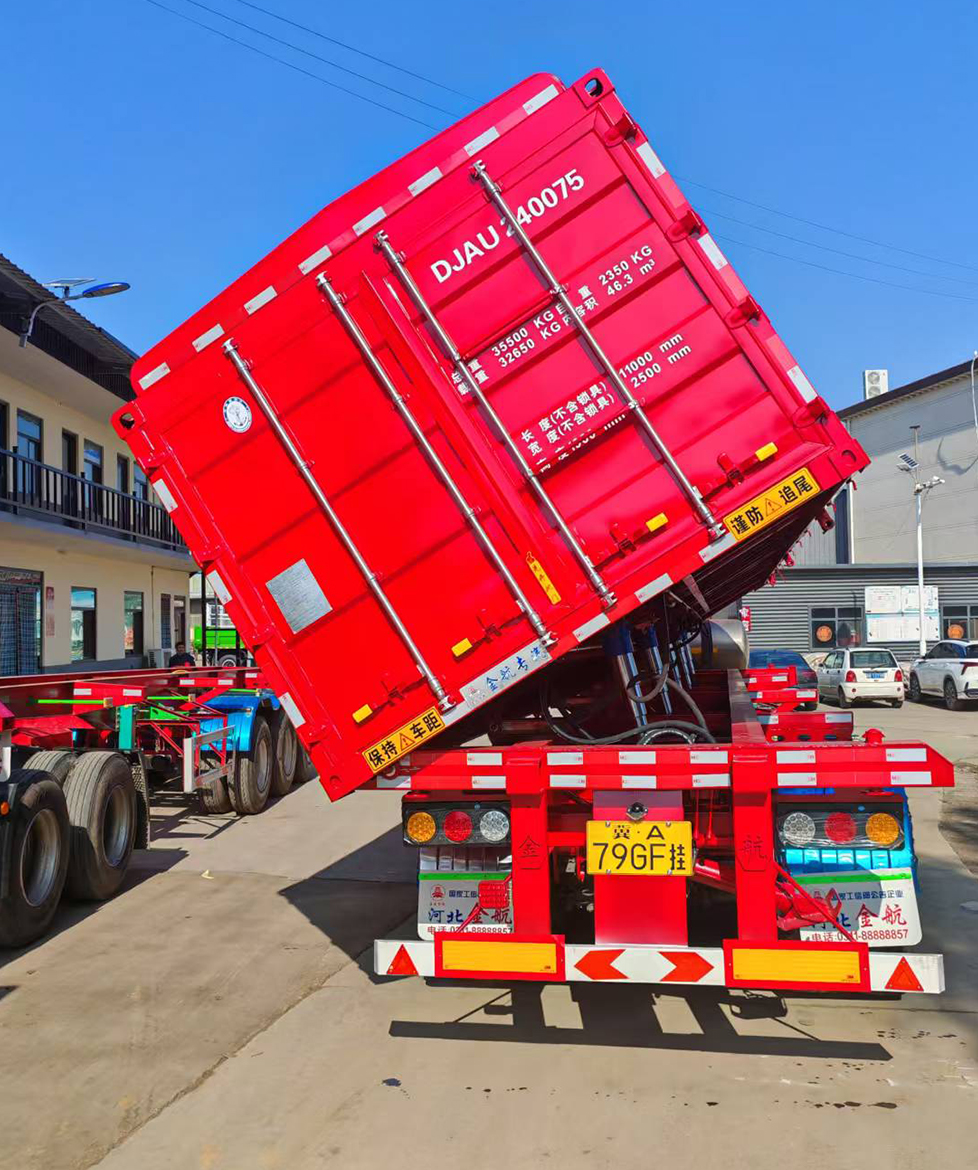
The safe use of a side-tipping trailer is closely related to cargo loading, vehicle parking, and unloading operations. When loading, try to distribute the cargo evenly within the trailer to avoid concentration on one side or excessive stacking in specific areas. For cargo with high moisture content, a tendency to stick, or heavy weight, evaluate in advance whether the cargo will discharge smoothly during the tipping process. Before side-dump unloading, confirm that the vehicle is parked on flat, solid ground and ensure there is sufficient workspace on the tipping side. Sites that are significantly sloped, soft, uneven, or contain obstacles may affect vehicle stability during the tipping process. Before operation, also check the vehicle's braking status, trailer connections, tipping mechanism, tires, suspension, and axles. There must be no personnel, vehicles, power lines, or other facilities on the side of the vehicle that could interfere with unloading. The safe use of a side-tipping trailer is closely related to cargo loading, vehicle parking, and unloading operations. When loading, try to distribute the cargo evenly within the trailer to avoid concentration on one side or excessive stacking in specific areas. For cargo with high moisture content, a tendency to stick, or heavy weight, evaluate in advance whether the cargo will discharge smoothly during the tipping process. Before side-dump unloading, confirm that the vehicle is parked on flat, solid ground and ensure there is sufficient workspace on the tipping side. Sites that are significantly sloped, soft, uneven, or contain obstacles may affect vehicle stability during the tipping process. Before operation, also check the vehicle's braking status, trailer connections, tipping mechanism, tires, suspension, and axles. There must be no personnel, vehicles, power lines, or other facilities on the side of the vehicle that could interfere with unloading. After unloading is complete, confirm that the trailer body has returned to its position and is locked properly before continuing to drive. If there is any unsmooth lifting, abnormal noise, structural deformation, or other irregularities, stop the machine immediately for inspection. After unloading is complete, confirm that the trailer body has returned to its position and is locked properly before continuing to drive. If there is any unsmooth lifting, abnormal noise, structural deformation, or other irregularities, stop the machine immediately for inspection.
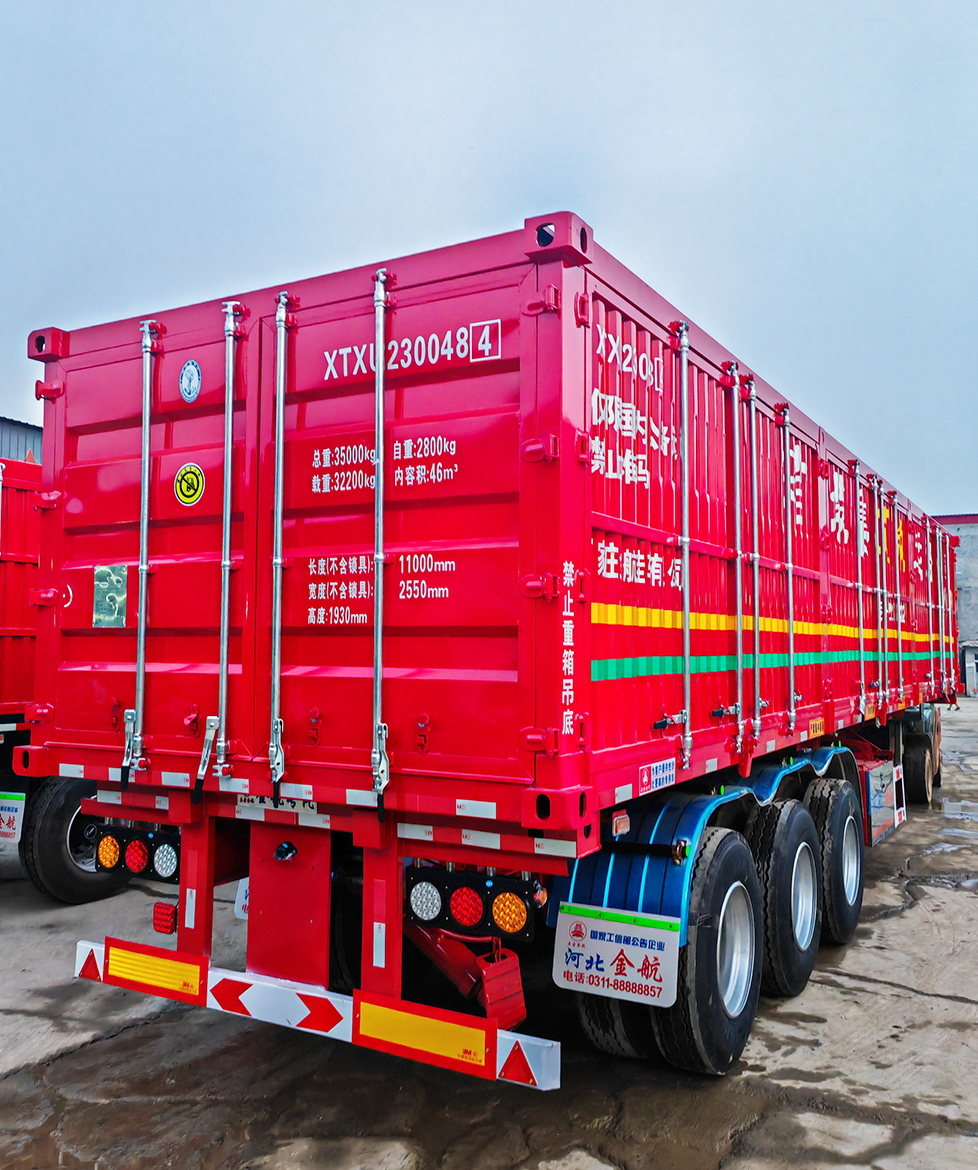
Existing data for the 13-meter skeleton side-tipper trailer indicates the use of T700L material, reinforced mechanical suspension, three Jinhang 13T B2 axles, and 10 thickened leaf springs. During loading and unloading, the frame, platform, suspension, and axles of the side-tipper trailer collectively bear the vehicle's dead weight, cargo weight, and road impact. While materials and reinforced structures are part of the vehicle design, actual performance still depends on load distribution, road conditions, loading/unloading frequency, and operational methods. The 3-axle structure, 12R22.5 12PR tires, and mechanical suspension are suitable for the current product configuration. Before purchasing, customers should confirm compatibility based on local axle load regulations, transport routes, cargo density, and tractor capacity. Existing data for the 13-meter skeleton side-tipper trailer indicates the use of T700L material, reinforced mechanical suspension, three Jinhang 13T B2 axles, and 10 thickened leaf springs. During loading and unloading, the frame, platform, suspension, and axles of the side-tipper trailer collectively bear the vehicle's dead weight, cargo weight, and road impact. While materials and reinforced structures are part of the vehicle design, actual performance still depends on load distribution, road conditions, loading/unloading frequency, and operational methods. The 3-axle structure, 12R22.5 12PR tires, and mechanical suspension are suitable for the current product configuration. Before purchasing, customers should confirm compatibility based on local axle load regulations, transport routes, cargo density, and tractor capacity. For fleets operating long-term in mining areas, construction sites, or complex road conditions, road conditions and average daily transport frequency should be specified in advance, and a regular inspection system for tires, leaf springs, axles, brakes, and connection points should be established. For fleets operating long-term in mining areas, construction sites, or complex road conditions, road conditions and average daily transport frequency should be specified in advance, and a regular inspection system for tires, leaf springs, axles, brakes, and connection points should be established.
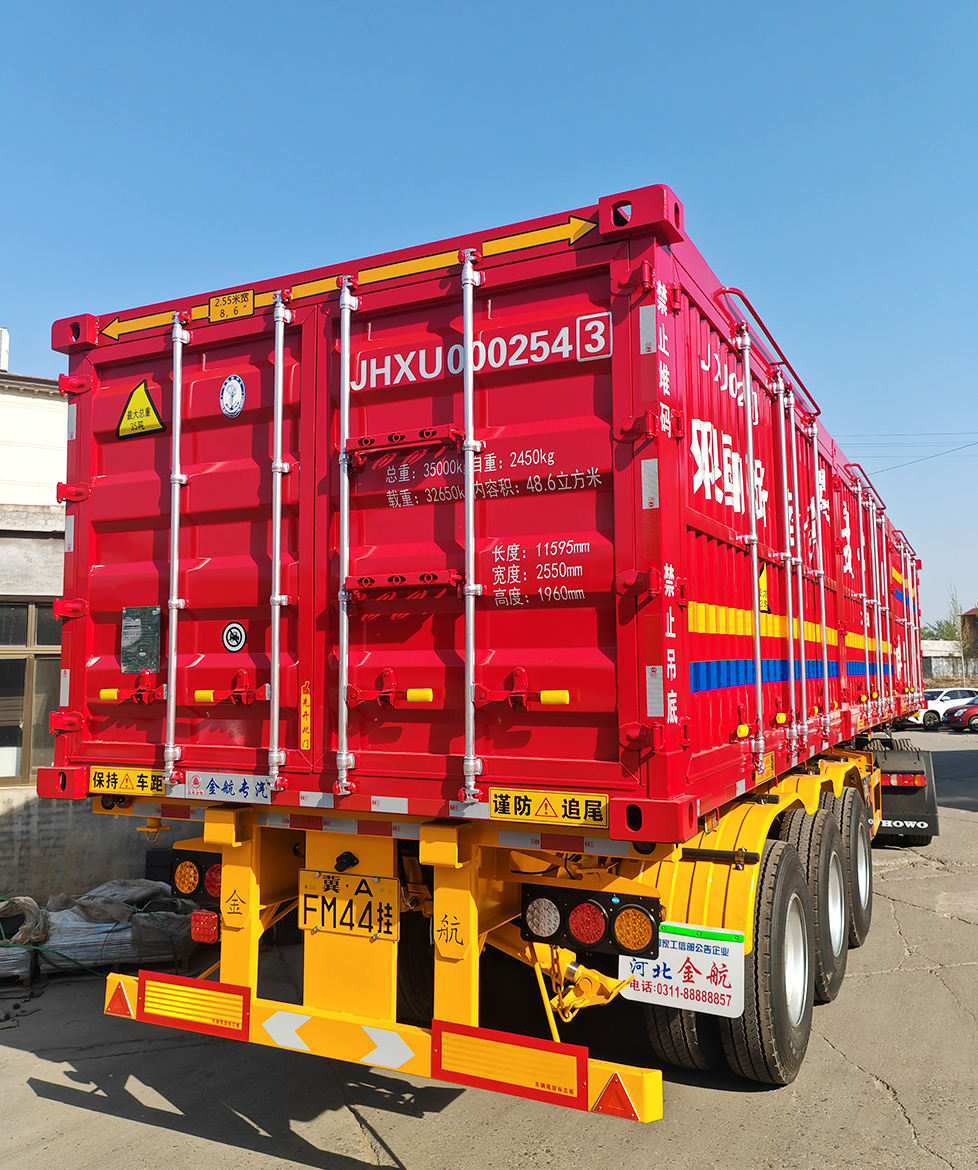
Before exporting a 13-meter skeleton side tipper trailer, the destination country, transported cargo, unloading direction, vehicle dimensions, axle load, braking system, and road usage requirements should be confirmed first. Customers need to provide the cargo type, estimated payload, cargo density, main road conditions, side-dumping site conditions, tractor truck specifications, required quantity, destination port, and estimated delivery time. The current configuration of this model includes 3 Jinhang 13T B2 axles, 12R22.5 12PR tires, reinforced mechanical suspension, and 10-piece thickened leaf springs. Current configuration data indicates that ABS is not equipped. Different countries may have different regulations regarding ABS, braking systems, lighting, reflective markings, axle loads, and vehicle dimensions, which should be verified in accordance with the destination country's regulations prior to export. Before exporting a 13-meter skeleton side tipper trailer, the destination country, transported cargo, unloading direction, vehicle dimensions, axle load, braking system, and road usage requirements should be confirmed first. Customers need to provide the cargo type, estimated payload, cargo density, main road conditions, side-dumping site conditions, tractor truck specifications, required quantity, destination port, and estimated delivery time. The current configuration of this model includes 3 Jinhang 13T B2 axles, 12R22.5 12PR tires, reinforced mechanical suspension, and 10-piece thickened leaf springs. Current configuration data indicates that ABS is not equipped. Different countries may have different regulations regarding ABS, braking systems, lighting, reflective markings, axle loads, and vehicle dimensions, which should be verified in accordance with the destination country's regulations prior to export. Customers can also communicate in advance whether they require brand painting, toolboxes, spare tire carriers, side tipper system accessories, wear parts, and basic spare parts packages. Customers can also communicate in advance whether they require brand painting, toolboxes, spare tire carriers, side tipper system accessories, wear parts, and basic spare parts packages.
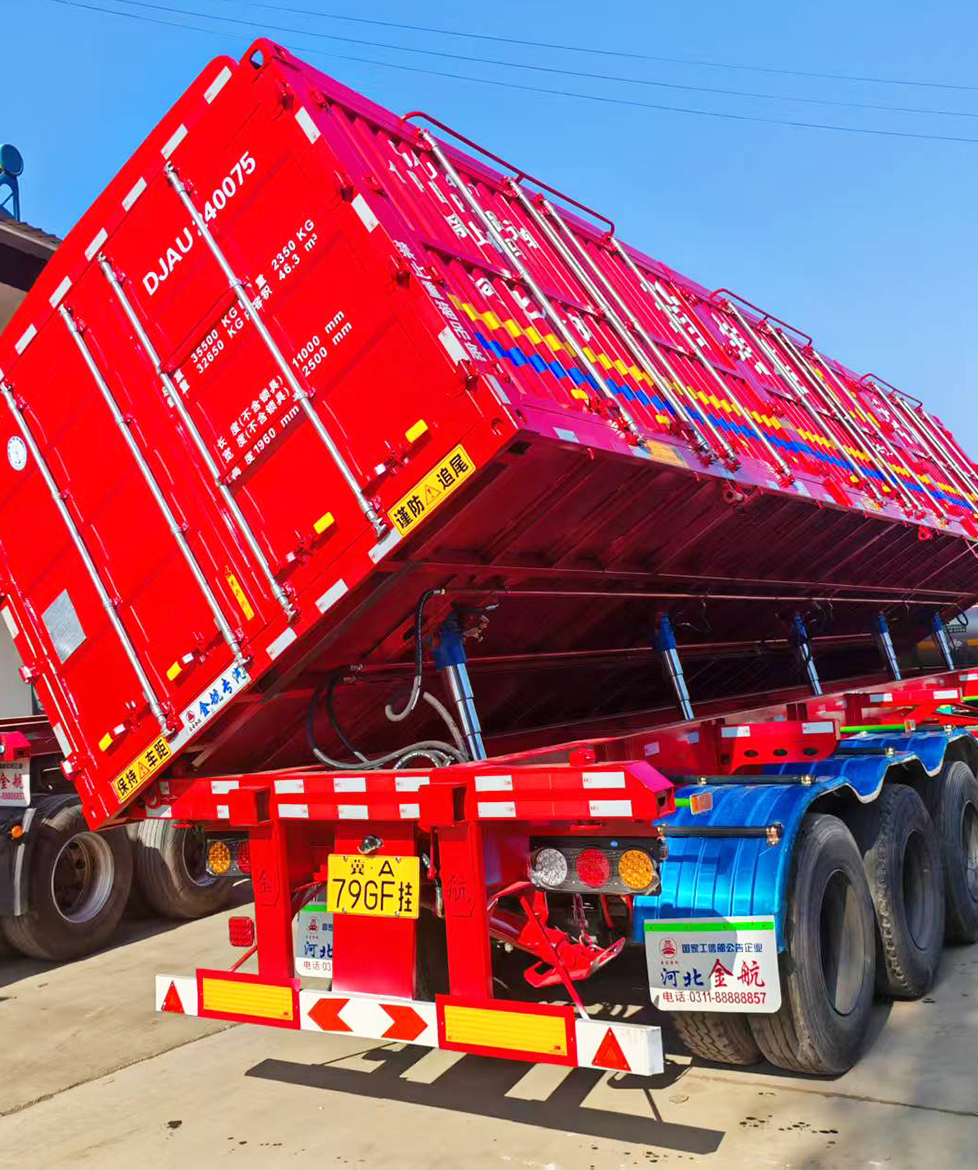
The JHT9400CCY 13-meter straight-bed stake transport semi-trailer is suitable for transporting agricultural supplies, building materials, industrial products, and other general cargo. Building materials and industrial products often feature varying dimensions, diverse packaging formats, and different loading and unloading methods. The straight-bed structure provides a relatively continuous loading area, making it convenient to arrange steel products, packaged goods, equipment spare parts, and other general cargo. Agricultural supplies may involve bagged, boxed, or palletized loads. Customers need to confirm the sideboards, securing methods, and accessory configurations based on cargo height, unit weight, and handling equipment. The JHT9400CCY 13-meter straight-bed stake transport semi-trailer is suitable for transporting agricultural supplies, building materials, industrial products, and other general cargo. Building materials and industrial products often feature varying dimensions, diverse packaging formats, and different loading and unloading methods. The straight-bed structure provides a relatively continuous loading area, making it convenient to arrange steel products, packaged goods, equipment spare parts, and other general cargo. Agricultural supplies may involve bagged, boxed, or palletized loads. Customers need to confirm the sideboards, securing methods, and accessory configurations based on cargo height, unit weight, and handling equipment. Prior to purchasing, it is recommended to provide the dimensions, weight, packaging method, loading and unloading equipment, and primary routes of frequently transported cargo to confirm a more suitable vehicle configuration. Prior to purchasing, it is recommended to provide the dimensions, weight, packaging method, loading and unloading equipment, and primary routes of frequently transported cargo to confirm a more suitable vehicle configuration.
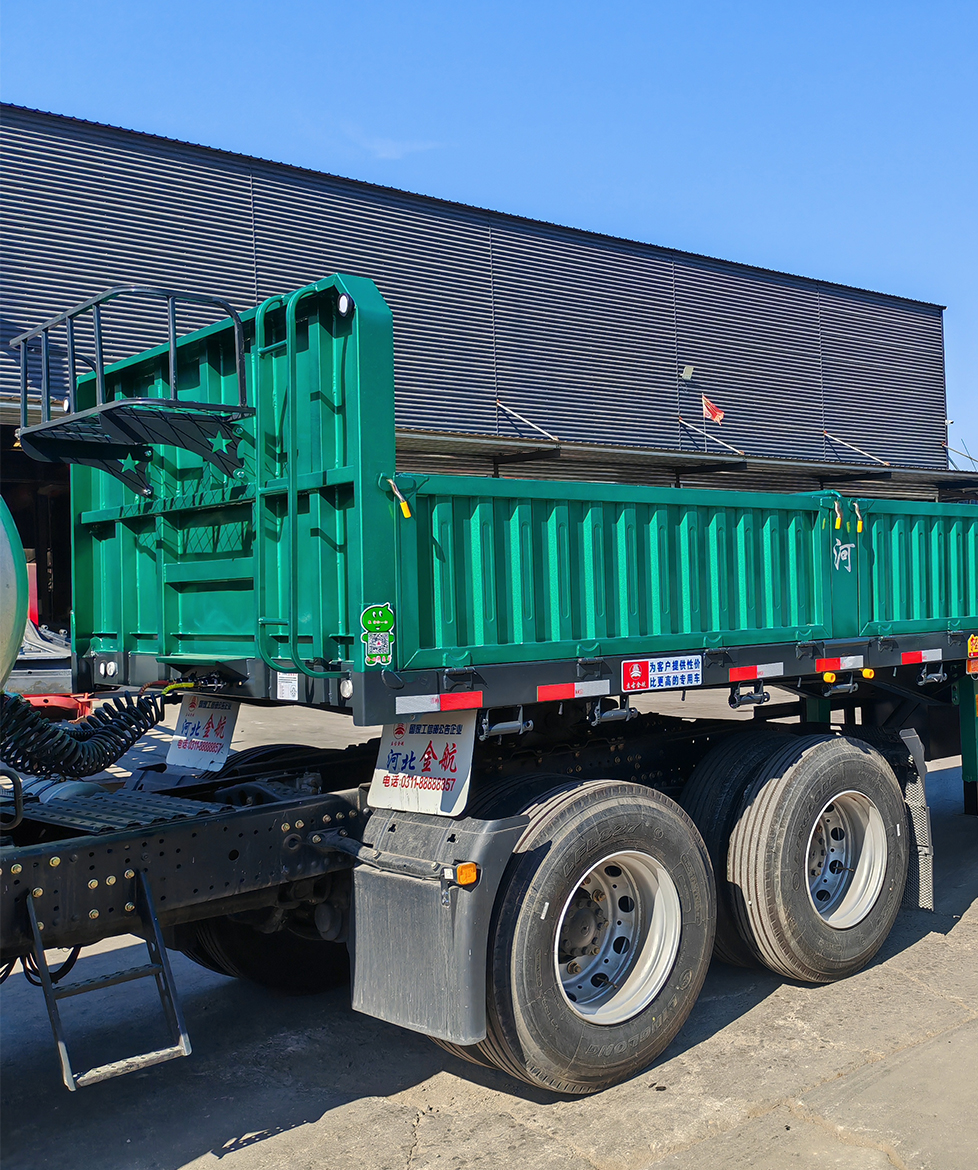
Straight-frame stake semi-trailers adopt a relatively continuous platform structure, which is suitable for arranging loading according to cargo dimensions and loading methods. Before loading, customers should confirm the length, width, height, weight, and packaging type of the cargo. For building materials, industrial products, and agricultural supplies, the placement should be planned as much as possible according to cargo specifications to avoid localized concentration, wasted space, or exceeding the vehicle's allowable limits. When using forklifts, cranes, or manual loading and unloading, the operating space for handling equipment also needs to be considered in advance. For heavier or longer goods, the center of gravity and securing points should be reasonably arranged to avoid shifting or uneven loading during transit. Straight-frame stake semi-trailers adopt a relatively continuous platform structure, which is suitable for arranging loading according to cargo dimensions and loading methods. Before loading, customers should confirm the length, width, height, weight, and packaging type of the cargo. For building materials, industrial products, and agricultural supplies, the placement should be planned as much as possible according to cargo specifications to avoid localized concentration, wasted space, or exceeding the vehicle's allowable limits. When using forklifts, cranes, or manual loading and unloading, the operating space for handling equipment also needs to be considered in advance. For heavier or longer goods, the center of gravity and securing points should be reasonably arranged to avoid shifting or uneven loading during transit. If the fleet frequently transports various types of goods, a standard cargo loading list can be created to record cargo dimensions, quantities, securing methods, and handling equipment requirements, thereby improving vehicle dispatching and loading efficiency. If the fleet frequently transports various types of goods, a standard cargo loading list can be created to record cargo dimensions, quantities, securing methods, and handling equipment requirements, thereby improving vehicle dispatching and loading efficiency.
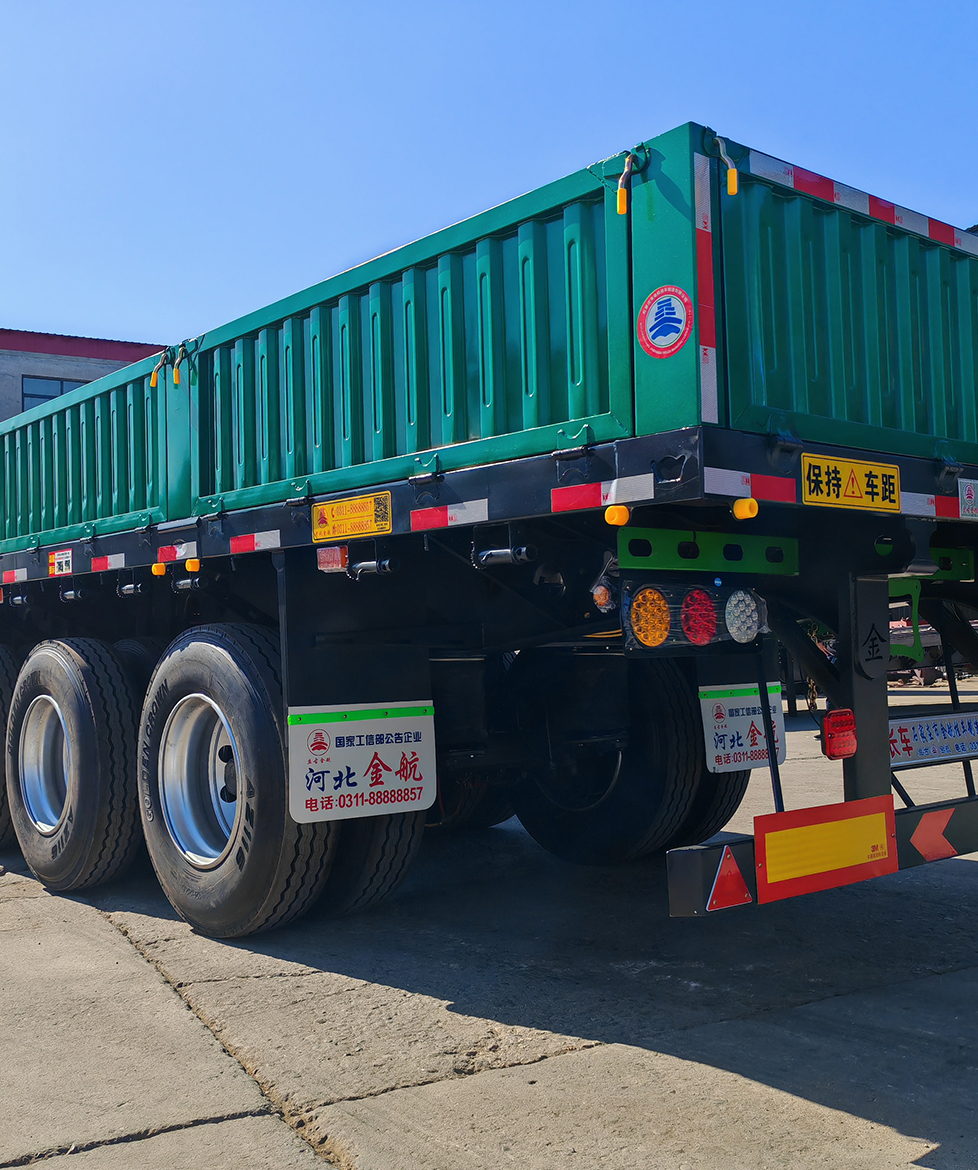
Although stake semi-trailers have sideboards and stake structures, different types of cargo still require appropriate securing methods. For bagged agricultural supplies, attention should be paid to stable stacking and preventing shifting during transport; for building materials and industrial products, tie-down straps, chains, chocks, or other auxiliary securing methods should be selected based on weight, length, and shape. After loading, check whether the cargo is evenly distributed, whether there is noticeable uneven loading, whether the tie-down points are secure, and whether the sideboards and locking mechanisms are functioning properly. For bulky cargo, also verify that its height, width, and transit route meet relevant requirements. Although stake semi-trailers have sideboards and stake structures, different types of cargo still require appropriate securing methods. For bagged agricultural supplies, attention should be paid to stable stacking and preventing shifting during transport; for building materials and industrial products, tie-down straps, chains, chocks, or other auxiliary securing methods should be selected based on weight, length, and shape. After loading, check whether the cargo is evenly distributed, whether there is noticeable uneven loading, whether the tie-down points are secure, and whether the sideboards and locking mechanisms are functioning properly. For bulky cargo, also verify that its height, width, and transit route meet relevant requirements. After the vehicle is put into service, regularly inspect the sideboards, stakes, locks, tie-down points, tires, suspension, braking, and lighting systems, and promptly address any looseness or abnormal wear. After the vehicle is put into service, regularly inspect the sideboards, stakes, locks, tie-down points, tires, suspension, braking, and lighting systems, and promptly address any looseness or abnormal wear.
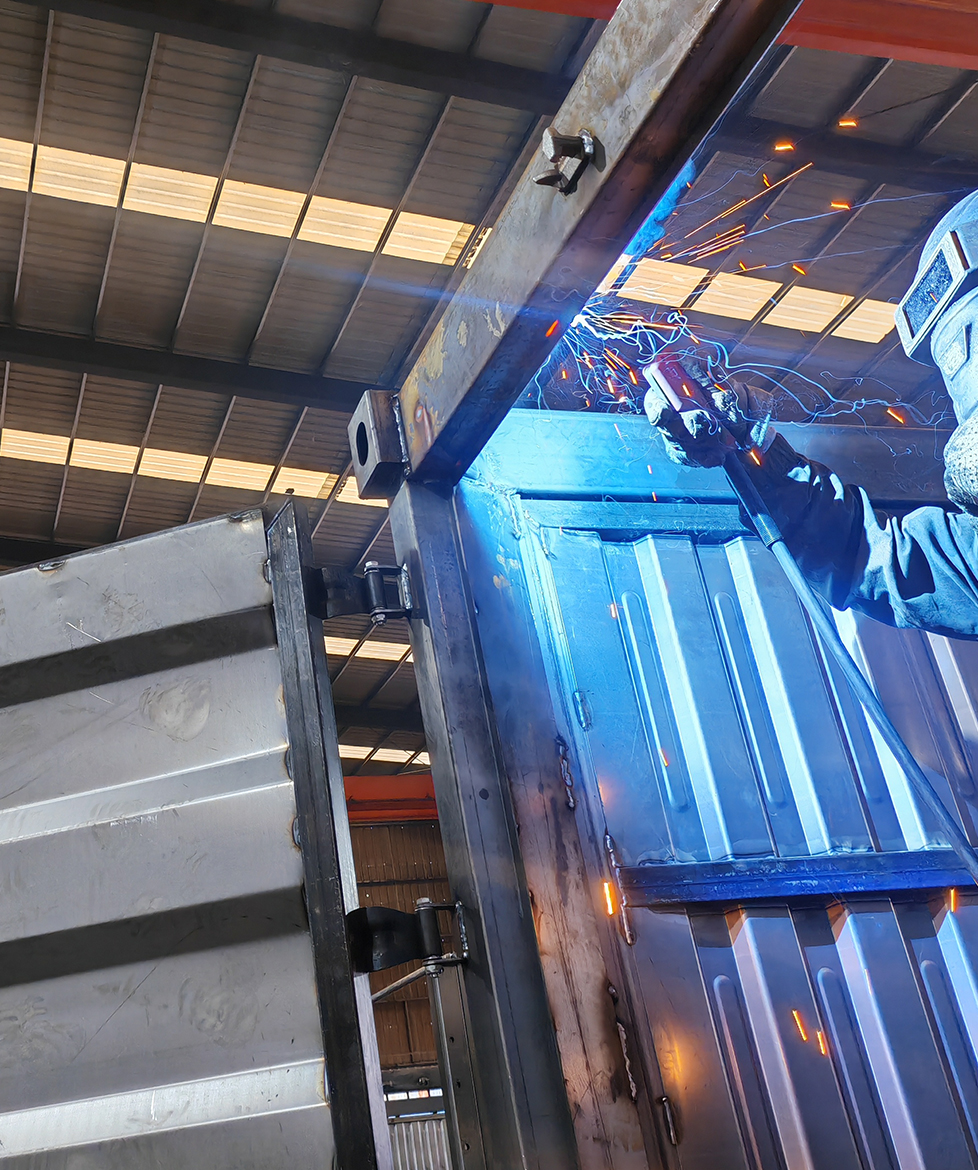
The length of the JHT9400CCY stake semi-trailer can be specified within the range of 12 to 13 meters. The choice of length should be comprehensively evaluated based on cargo dimensions, single-trip load capacity, transport routes, loading and unloading sites, tractor matching, and local regulations. If the customer transports goods of uniform size, large volume, and on relatively fixed routes, the platform space can be planned according to the regular cargo. If the vehicle needs to enter urban roads, warehouses, construction sites, or other space-constrained areas, special attention should be paid to vehicle length and turning conditions. The length of the JHT9400CCY stake semi-trailer can be specified within the range of 12 to 13 meters. The choice of length should be comprehensively evaluated based on cargo dimensions, single-trip load capacity, transport routes, loading and unloading sites, tractor matching, and local regulations. If the customer transports goods of uniform size, large volume, and on relatively fixed routes, the platform space can be planned according to the regular cargo. If the vehicle needs to enter urban roads, warehouses, construction sites, or other space-constrained areas, special attention should be paid to vehicle length and turning conditions. A longer vehicle body does not necessarily mean higher transport efficiency. Platform utilization, cargo securing, loading/unloading equipment, and road conditions are equally important. A longer vehicle body does not necessarily mean higher transport efficiency. Platform utilization, cargo securing, loading/unloading equipment, and road conditions are equally important.
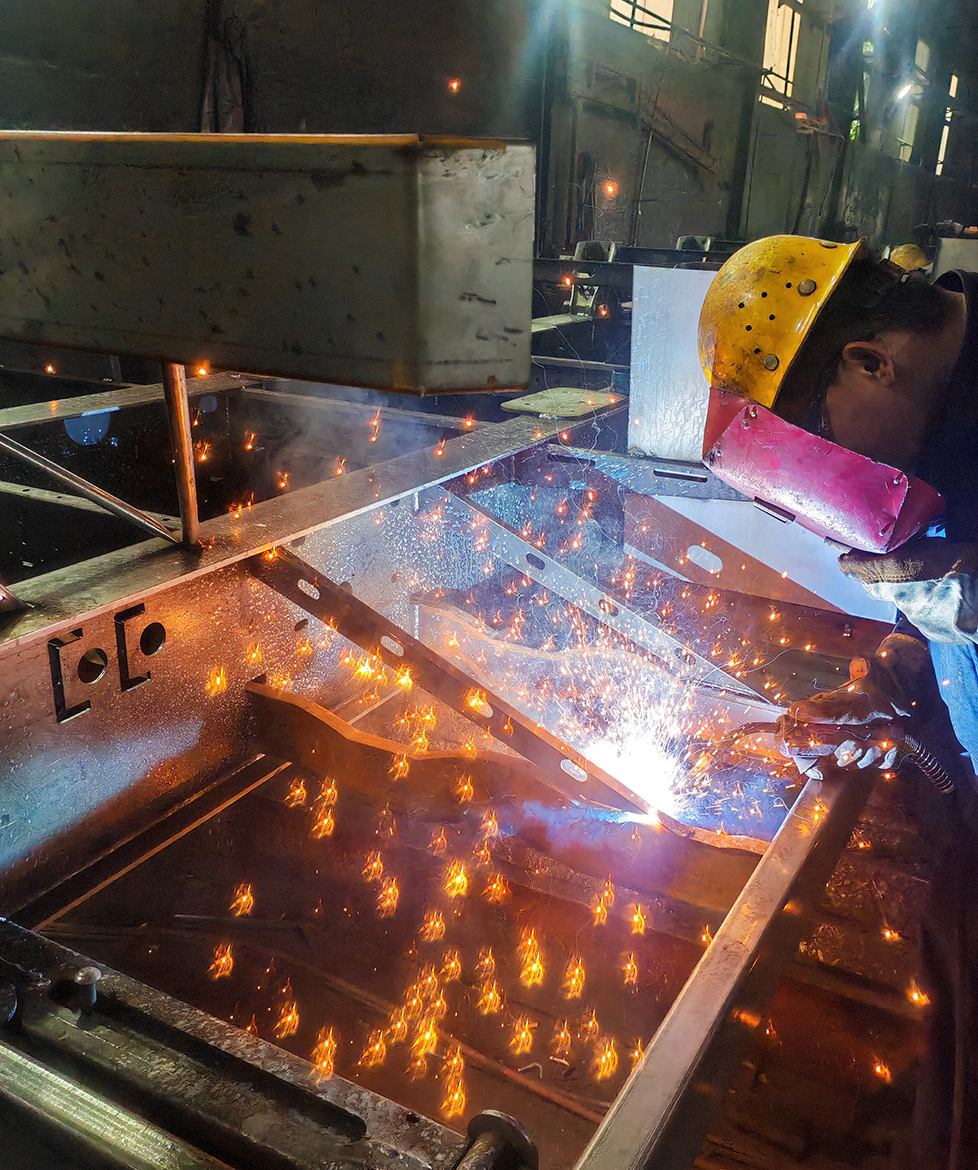
The JHT9400CCYE 13-meter drop deck stake transport semi-trailer is mainly used for transporting fruits and vegetables, agricultural supplies, general merchandise, and other general cargo. Fruits and vegetables, agricultural supplies, and general merchandise typically feature diverse cargo varieties, high loading and unloading frequencies, and varied packaging forms. The stake structure provides side containment while facilitating loading and unloading from the sides, rear, or top. The drop deck structure can be configured according to cargo loading methods and vehicle operating scenarios. When selecting a model, customers should verify cargo dimensions, single-trip weight, pallet or packaging methods, handling equipment, and primary transport routes. The JHT9400CCYE 13-meter drop deck stake transport semi-trailer is mainly used for transporting fruits and vegetables, agricultural supplies, general merchandise, and other general cargo. Fruits and vegetables, agricultural supplies, and general merchandise typically feature diverse cargo varieties, high loading and unloading frequencies, and varied packaging forms. The stake structure provides side containment while facilitating loading and unloading from the sides, rear, or top. The drop deck structure can be configured according to cargo loading methods and vehicle operating scenarios. When selecting a model, customers should verify cargo dimensions, single-trip weight, pallet or packaging methods, handling equipment, and primary transport routes. For fleets requiring frequent loading and unloading or transporting multiple types of cargo, it is recommended to organize common cargo dimensions and loading methods in advance to determine the most suitable platform, sidewall, and accessory configurations. For fleets requiring frequent loading and unloading or transporting multiple types of cargo, it is recommended to organize common cargo dimensions and loading methods in advance to determine the most suitable platform, sidewall, and accessory configurations.
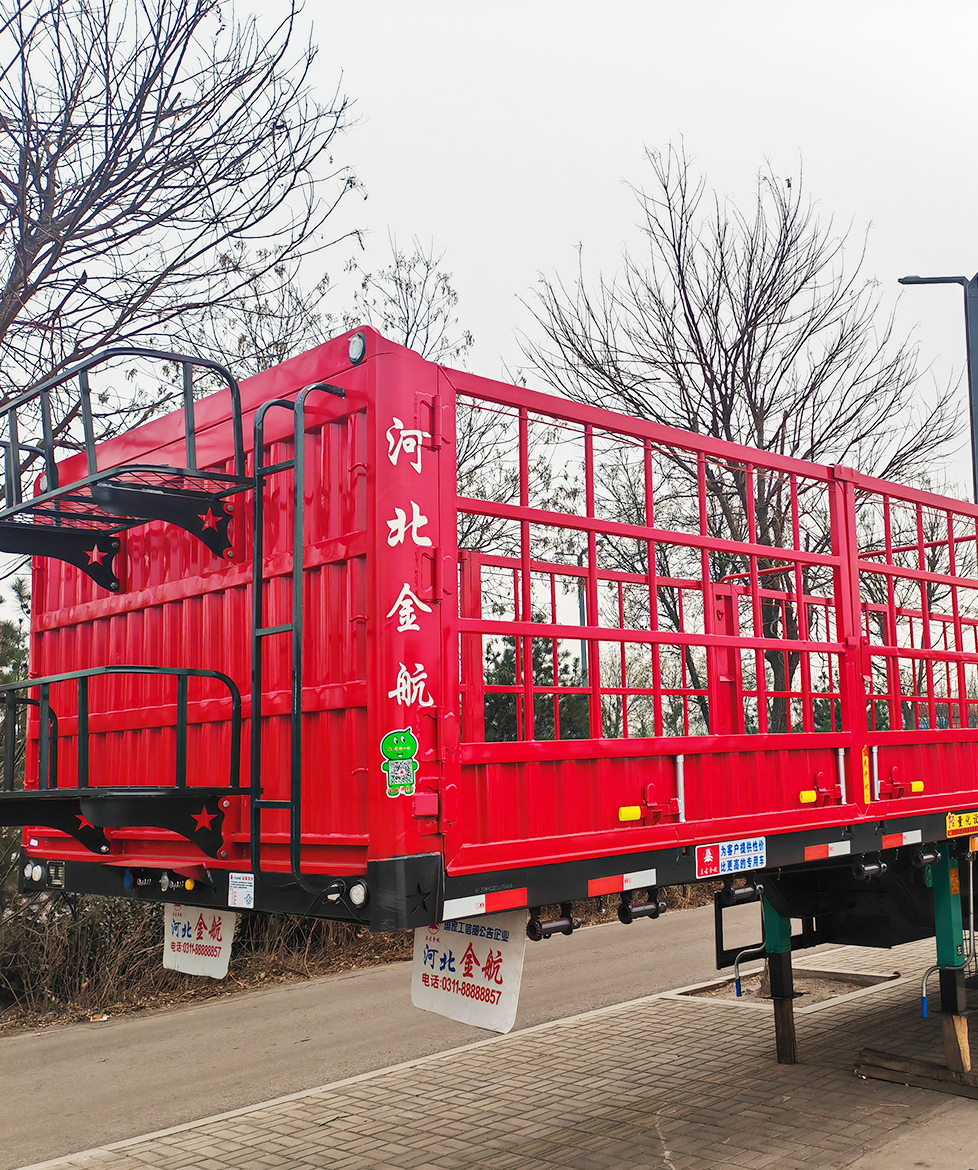
Both drop-deck and flat-deck stake semi-trailers are suitable for general cargo transportation, but they differ in platform structure and primary application focus. Drop-deck models feature a platform structure with varying heights, making them suitable for transport tasks that require planning based on cargo dimensions, loading methods, or the vehicle's center of gravity. Specific drop-deck heights and platform zoning should be based on the vehicle's blueprints. Flat-deck models have a relatively continuous platform with a uniform loading area, suitable for building materials, industrial products, agricultural supplies, and other general cargo that requires continuous loading space. Both drop-deck and flat-deck stake semi-trailers are suitable for general cargo transportation, but they differ in platform structure and primary application focus. Drop-deck models feature a platform structure with varying heights, making them suitable for transport tasks that require planning based on cargo dimensions, loading methods, or the vehicle's center of gravity. Specific drop-deck heights and platform zoning should be based on the vehicle's blueprints. Flat-deck models have a relatively continuous platform with a uniform loading area, suitable for building materials, industrial products, agricultural supplies, and other general cargo that requires continuous loading space. When choosing, focus on cargo dimensions, loading/unloading equipment, loading position, transport routes, and local regulations. Do not judge solely based on the name "drop-deck" or "flat-deck"; it is necessary to confirm based on the actual transport process. When choosing, focus on cargo dimensions, loading/unloading equipment, loading position, transport routes, and local regulations. Do not judge solely based on the name "drop-deck" or "flat-deck"; it is necessary to confirm based on the actual transport process.
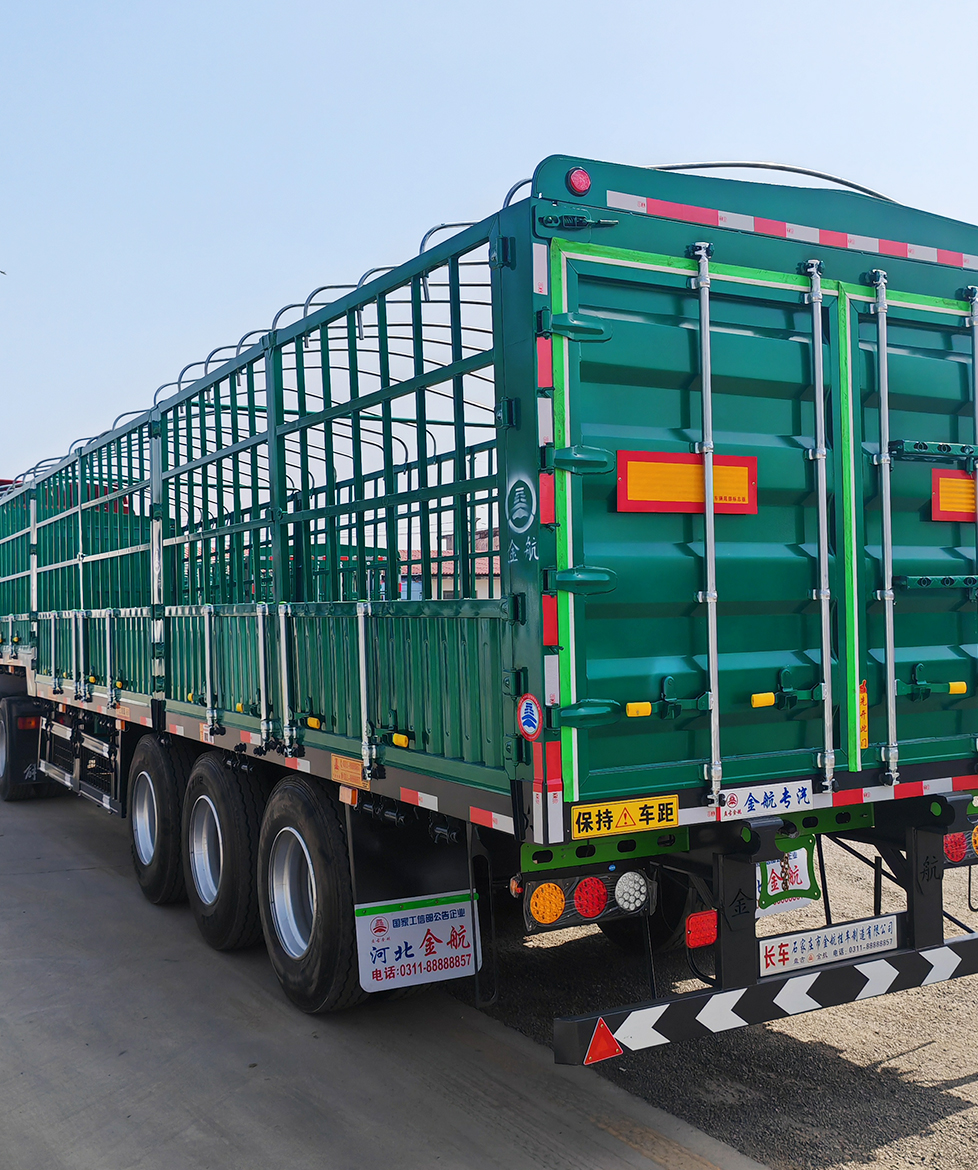
Standard box trailers are usually loaded and unloaded through the rear doors, making them suitable for transport scenarios primarily involving rear loading and unloading. The side panels of a wing van trailer can open upward, allowing forklifts to load and unload cargo from both sides of the vehicle, providing greater operational space. Both vehicle types provide cargo with a certain level of protection against rain, dust, and transport damage. If a customer's cargo requires frequent forklift loading and unloading, or if the warehouse has ample side loading and unloading space, wing van trailers usually offer greater advantages. Standard box trailers are usually loaded and unloaded through the rear doors, making them suitable for transport scenarios primarily involving rear loading and unloading. The side panels of a wing van trailer can open upward, allowing forklifts to load and unload cargo from both sides of the vehicle, providing greater operational space. Both vehicle types provide cargo with a certain level of protection against rain, dust, and transport damage. If a customer's cargo requires frequent forklift loading and unloading, or if the warehouse has ample side loading and unloading space, wing van trailers usually offer greater advantages. When selecting a vehicle model, it is recommended to evaluate cargo dimensions, loading and unloading equipment, handling frequency, transport routes, and cargo protection requirements. When selecting a vehicle model, it is recommended to evaluate cargo dimensions, loading and unloading equipment, handling frequency, transport routes, and cargo protection requirements.
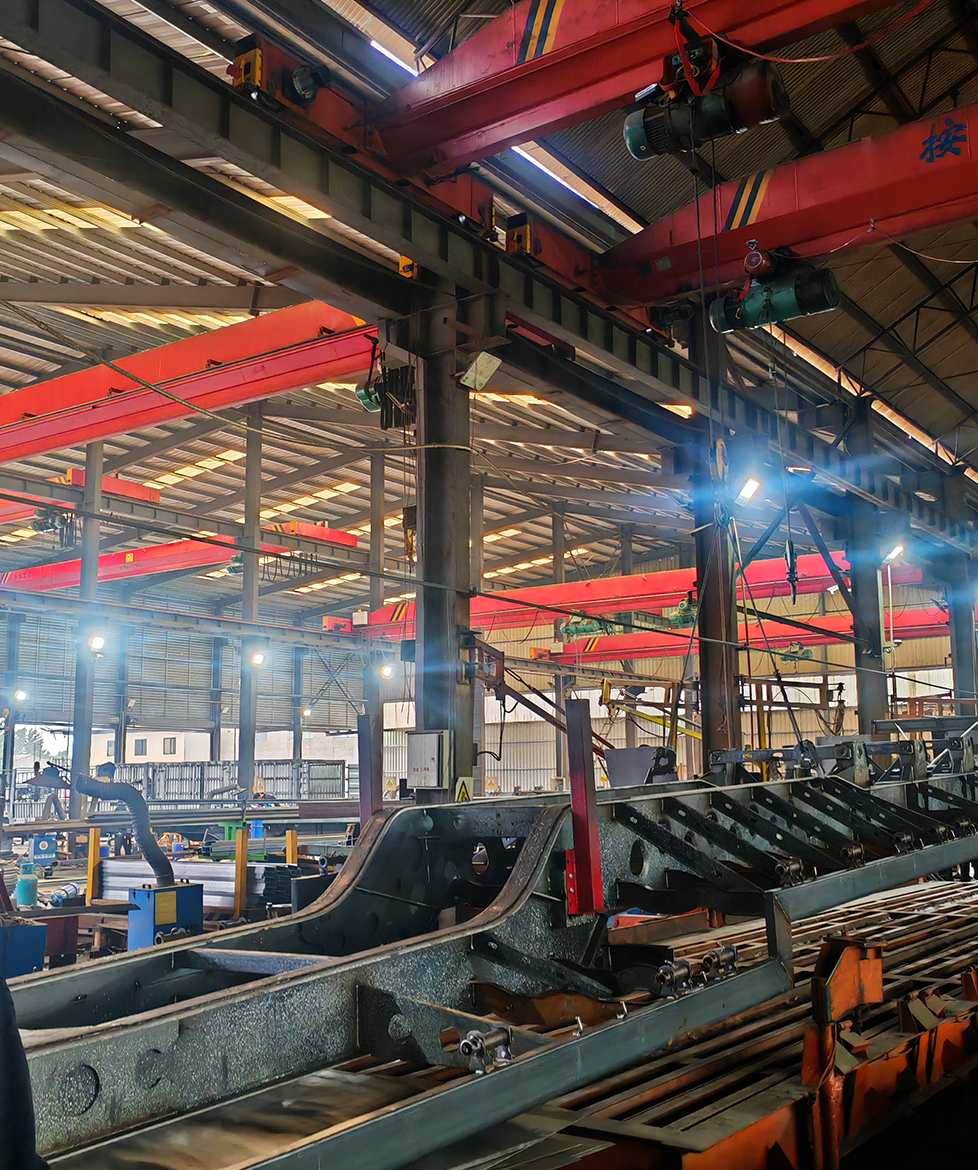
Before exporting the JHT9400CCYE stake transport semi-trailer, vehicle length, platform structure, axles, suspension, braking, side walls, locks, and accessory configurations should be confirmed. Customers need to provide the cargo to be transported, estimated payload, cargo dimensions, loading and unloading methods, country of use, road conditions, tractor unit specifications, required quantity, destination port, and delivery time. Different countries may have different regulations regarding vehicle length, width, axle load, braking, lighting, and safety markings. The specific platform height of the drop deck and cargo loading methods should also be confirmed via technical drawings before production. Before exporting the JHT9400CCYE stake transport semi-trailer, vehicle length, platform structure, axles, suspension, braking, side walls, locks, and accessory configurations should be confirmed. Customers need to provide the cargo to be transported, estimated payload, cargo dimensions, loading and unloading methods, country of use, road conditions, tractor unit specifications, required quantity, destination port, and delivery time. Different countries may have different regulations regarding vehicle length, width, axle load, braking, lighting, and safety markings. The specific platform height of the drop deck and cargo loading methods should also be confirmed via technical drawings before production. If customers require branded livery, custom logos, toolboxes, spare tire carriers, or basic spare parts, these can also be requested during the inquiry stage. If customers require branded livery, custom logos, toolboxes, spare tire carriers, or basic spare parts, these can also be requested during the inquiry stage.
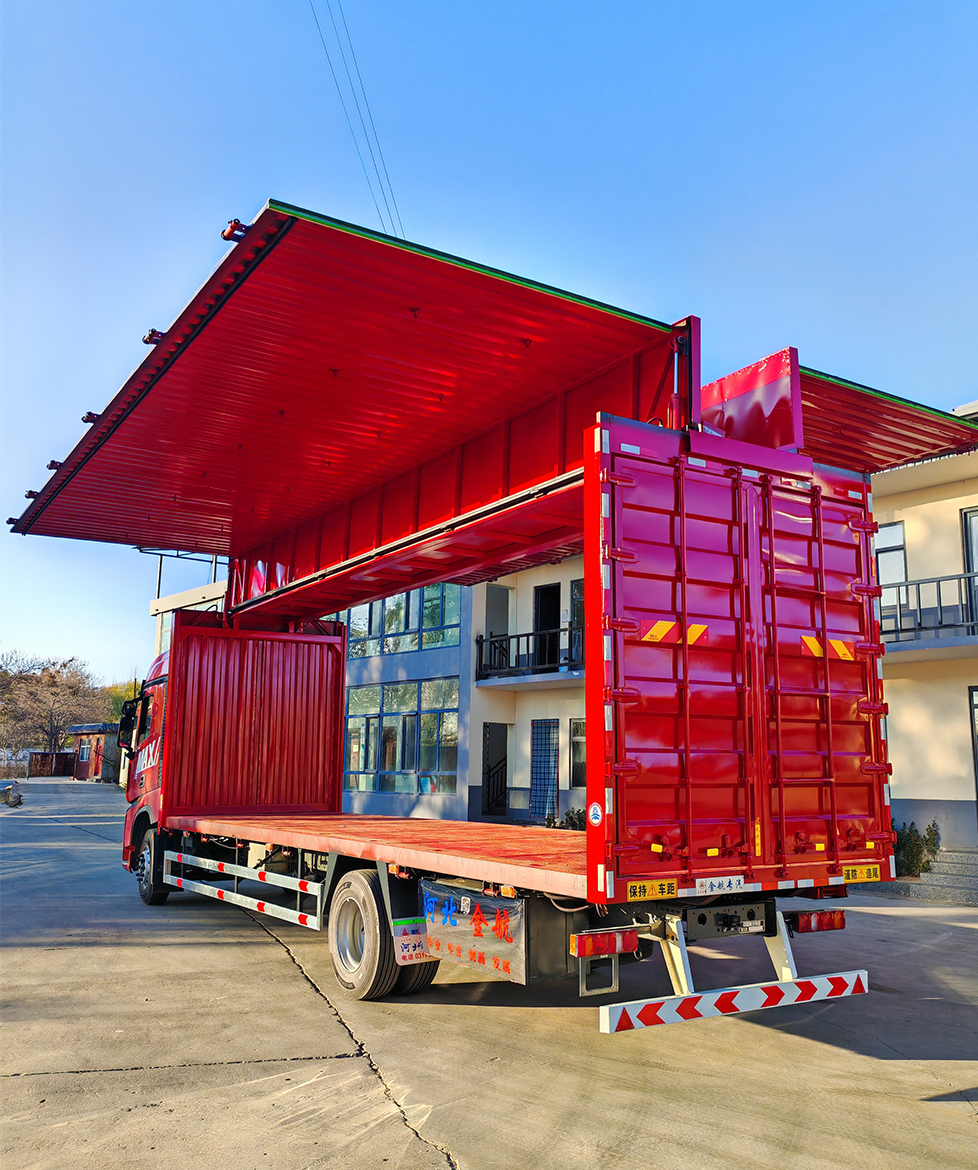
Palletized cargo transport has high requirements for loading/unloading efficiency and cargo space. Wing-opening trailers can be opened from the sides, providing convenience for forklifts to load and unload from both sides of the vehicle. Before choosing a wing-opening trailer, customers should confirm pallet dimensions, single-load weight, cargo height, forklift operation methods, and loading/unloading site conditions. If cargo needs to be loaded and unloaded quickly from both sides, wing-opening trailers are more flexible than models that only allow loading through the rear door. In addition, it should be confirmed whether the cargo requires rain and dust protection, whether cargo securing devices are needed, and the road conditions where the vehicle will mainly travel. Different transport tasks may have different requirements for body structure, number of axles, suspension, and tires. Palletized cargo transport has high requirements for loading/unloading efficiency and cargo space. Wing-opening trailers can be opened from the sides, providing convenience for forklifts to load and unload from both sides of the vehicle. Before choosing a wing-opening trailer, customers should confirm pallet dimensions, single-load weight, cargo height, forklift operation methods, and loading/unloading site conditions. If cargo needs to be loaded and unloaded quickly from both sides, wing-opening trailers are more flexible than models that only allow loading through the rear door. In addition, it should be confirmed whether the cargo requires rain and dust protection, whether cargo securing devices are needed, and the road conditions where the vehicle will mainly travel. Different transport tasks may have different requirements for body structure, number of axles, suspension, and tires. Jinhang Trailer can provide corresponding wing-opening trailer configuration suggestions based on the customer's pallet specifications, cargo weight, and loading/unloading methods. Jinhang Trailer can provide corresponding wing-opening trailer configuration suggestions based on the customer's pallet specifications, cargo weight, and loading/unloading methods.
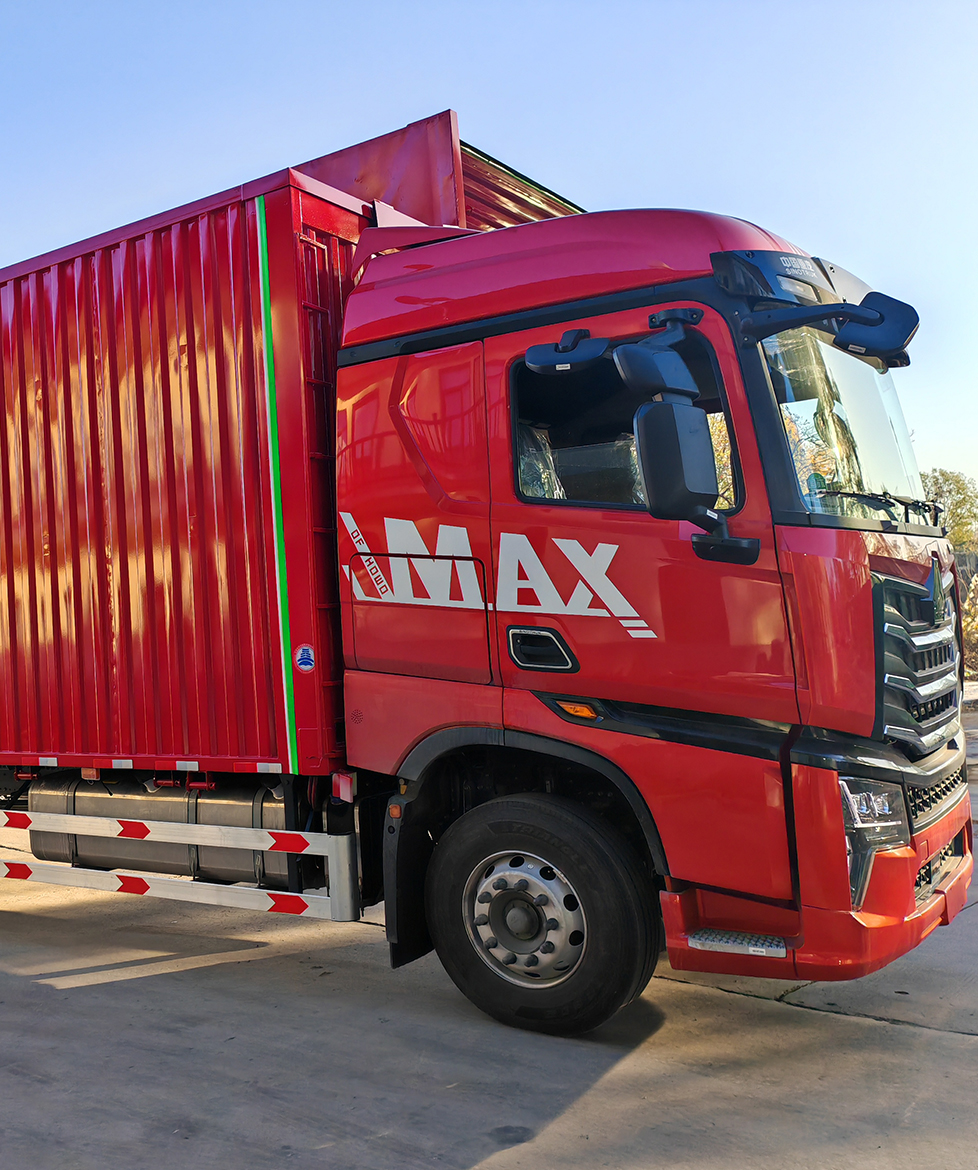
The core of how wing-van trailers improve loading and unloading efficiency lies in their side-wing structure that can be opened upwards. When both sides of the vehicle are opened, forklifts can load and unload cargo directly from the sides, without having to rely entirely on the rear access. For logistics scenarios involving palletized cargo, packaged goods, and operations requiring multiple access points simultaneously, this structure can reduce waiting times and improve loading and unloading convenience. However, wing-van trailers are not suitable for all transport tasks. Customers should also consider whether the warehouse or loading site has sufficient side operating space, whether it is equipped with forklifts, and whether the cargo is suitable for side loading and unloading. The core of how wing-van trailers improve loading and unloading efficiency lies in their side-wing structure that can be opened upwards. When both sides of the vehicle are opened, forklifts can load and unload cargo directly from the sides, without having to rely entirely on the rear access. For logistics scenarios involving palletized cargo, packaged goods, and operations requiring multiple access points simultaneously, this structure can reduce waiting times and improve loading and unloading convenience. However, wing-van trailers are not suitable for all transport tasks. Customers should also consider whether the warehouse or loading site has sufficient side operating space, whether it is equipped with forklifts, and whether the cargo is suitable for side loading and unloading. Before purchasing, it is recommended that customers choose the appropriate vehicle model by considering their daily loading and unloading processes, cargo specifications, fleet operation methods, and road conditions. Before purchasing, it is recommended that customers choose the appropriate vehicle model by considering their daily loading and unloading processes, cargo specifications, fleet operation methods, and road conditions.
Before exporting wing van trailers, it is first necessary to confirm the customer's actual transportation needs and destination country requirements. Customers should provide the cargo type, estimated load capacity, cargo dimensions, loading and unloading methods, operating road conditions, tractor specifications, required quantity, destination port, and scheduled delivery time. For customers requiring forklift side loading and unloading, loading/unloading equipment and warehouse operating conditions should also be specified. The destination country or region also needs to be confirmed in advance. Different markets may have different requirements for vehicle dimensions, axle loads, braking systems, lighting, tires, safety signs, and road transport regulations. Before exporting wing van trailers, it is first necessary to confirm the customer's actual transportation needs and destination country requirements. Customers should provide the cargo type, estimated load capacity, cargo dimensions, loading and unloading methods, operating road conditions, tractor specifications, required quantity, destination port, and scheduled delivery time. For customers requiring forklift side loading and unloading, loading/unloading equipment and warehouse operating conditions should also be specified. The destination country or region also needs to be confirmed in advance. Different markets may have different requirements for vehicle dimensions, axle loads, braking systems, lighting, tires, safety signs, and road transport regulations. Based on the information provided by the customer, Jinhang Trailer can confirm the configuration scheme of the wing van trailer, including box structure, axles, suspension, brakes, tires, painting, and brand markings. Based on the information provided by the customer, Jinhang Trailer can confirm the configuration scheme of the wing van trailer, including box structure, axles, suspension, brakes, tires, painting, and brand markings.
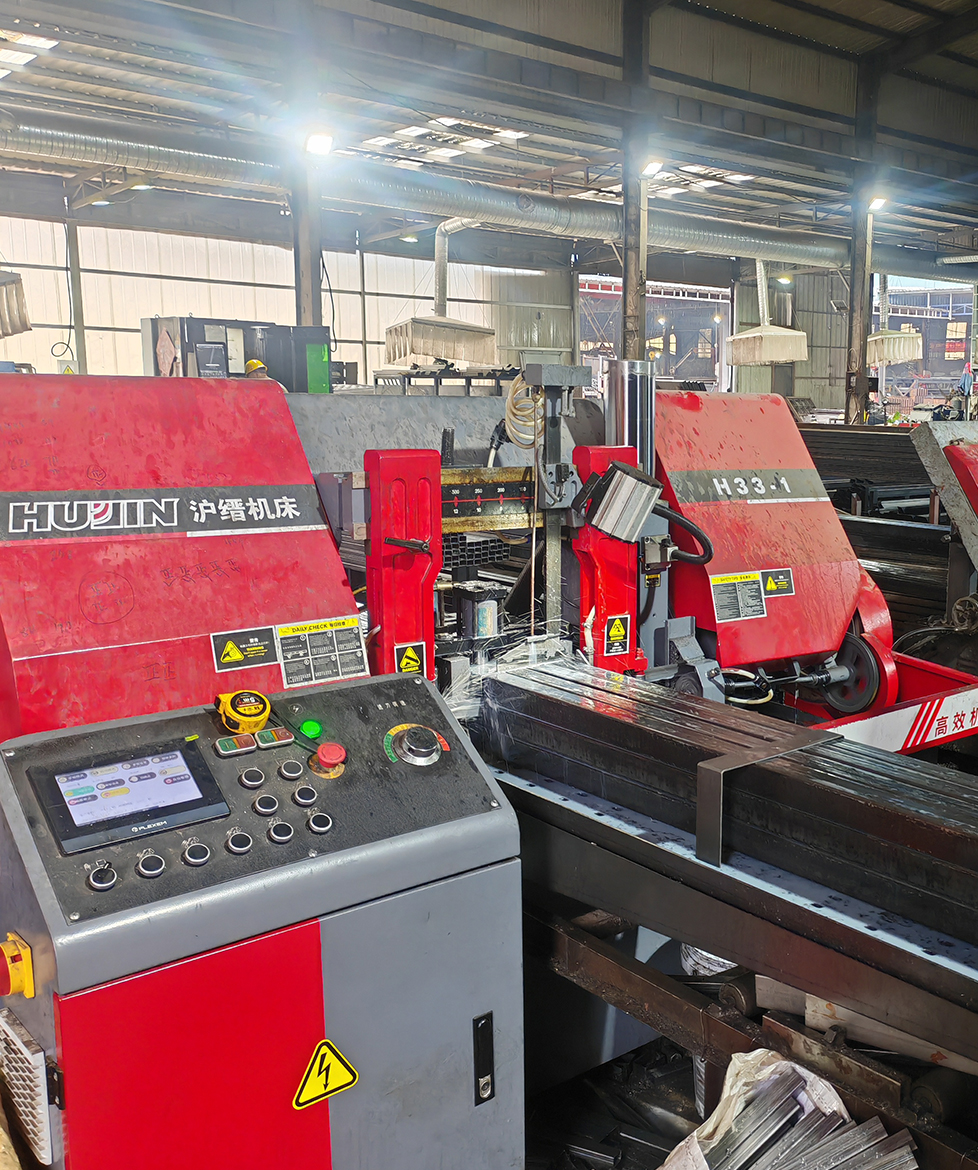
Routine maintenance of wing-van trailers should focus on the cargo body structure, wing opening parts, sealing parts, air lines, electrical circuits, tires, and suspension system. Before using the vehicle, check whether the wing opening and closing operate smoothly, the locking parts are reliable, and the cargo body sealing is intact. For vehicles frequently used in rainy weather, dusty environments, or high-frequency loading and unloading scenarios, special attention should be paid to the condition of cargo body joints and seals. Meanwhile, tires, brake systems, lights, electrical circuits, and suspension components should be inspected according to normal maintenance schedules. If abnormal wear, air leaks, looseness, or unsmooth operation are detected, they should be addressed promptly to avoid compromising transportation safety and vehicle operating efficiency. Routine maintenance of wing-van trailers should focus on the cargo body structure, wing opening parts, sealing parts, air lines, electrical circuits, tires, and suspension system. Before using the vehicle, check whether the wing opening and closing operate smoothly, the locking parts are reliable, and the cargo body sealing is intact. For vehicles frequently used in rainy weather, dusty environments, or high-frequency loading and unloading scenarios, special attention should be paid to the condition of cargo body joints and seals. Meanwhile, tires, brake systems, lights, electrical circuits, and suspension components should be inspected according to normal maintenance schedules. If abnormal wear, air leaks, looseness, or unsmooth operation are detected, they should be addressed promptly to avoid compromising transportation safety and vehicle operating efficiency. Establishing basic vehicle inspection records helps fleets identify problems in advance and schedule maintenance reasonably. Establishing basic vehicle inspection records helps fleets identify problems in advance and schedule maintenance reasonably.
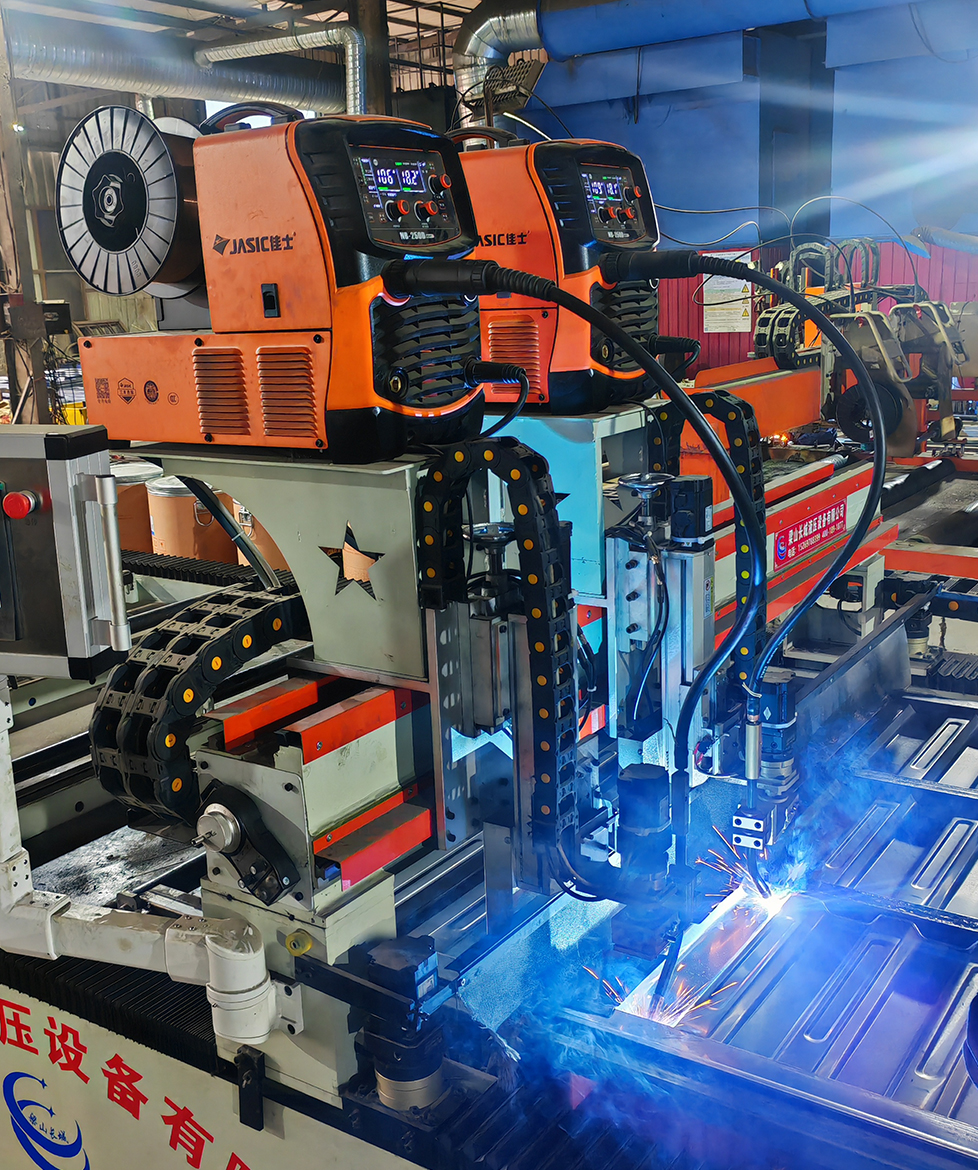
The 6.8-meter ramp flatbed trailer is suitable for transporting some wheeled equipment, construction machinery, agricultural machinery, vehicles, and other cargo that needs to be loaded or unloaded via ramps. Before selecting a vehicle model, customers should confirm the total weight, length, width, height, track width, wheelbase, and ground clearance of the equipment. Different equipment has different requirements for platform size, ramp length, ramp load capacity, and loading/unloading angles. The 6.8-meter ramp flatbed trailer is suitable for transporting some wheeled equipment, construction machinery, agricultural machinery, vehicles, and other cargo that needs to be loaded or unloaded via ramps. Before selecting a vehicle model, customers should confirm the total weight, length, width, height, track width, wheelbase, and ground clearance of the equipment. Different equipment has different requirements for platform size, ramp length, ramp load capacity, and loading/unloading angles. If the equipment needs to drive onto the platform by itself, the approach angle, tire condition, and driving operation space of the equipment should also be confirmed. For equipment that requires hoisting, focus should be placed on platform support and cargo securing methods. If the equipment needs to drive onto the platform by itself, the approach angle, tire condition, and driving operation space of the equipment should also be confirmed. For equipment that requires hoisting, focus should be placed on platform support and cargo securing methods.
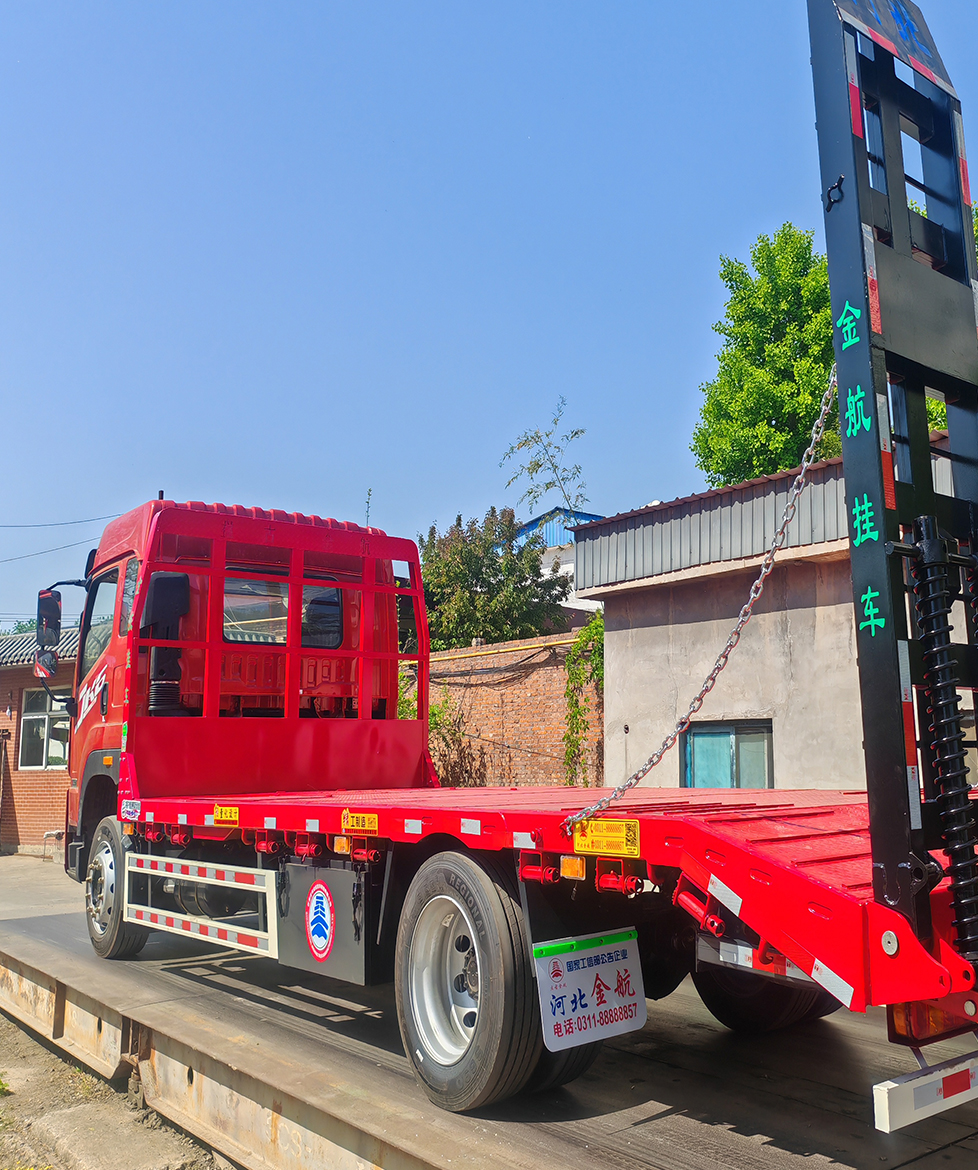
When choosing the dimensions of a ramp flatbed trailer, you shouldn't just look at the vehicle length. Customers also need to confirm the length, width, height, wheelbase, axle distance, weight, and loading/unloading method of the equipment being transported. If the equipment drives onto the platform itself, focus on confirming the ramp length, ramp width, load-bearing capacity, and the equipment's approach angle. If the ramp is too short, it may result in an excessively steep loading angle; if the platform width is insufficient, it may affect the stability of the equipment during transit. If you are transporting different types of machinery, it is recommended to provide the maximum dimensions and maximum weight, and specify whether the equipment needs to be disassembled, folded, or requires auxiliary loading/unloading equipment. When choosing the dimensions of a ramp flatbed trailer, you shouldn't just look at the vehicle length. Customers also need to confirm the length, width, height, wheelbase, axle distance, weight, and loading/unloading method of the equipment being transported. If the equipment drives onto the platform itself, focus on confirming the ramp length, ramp width, load-bearing capacity, and the equipment's approach angle. If the ramp is too short, it may result in an excessively steep loading angle; if the platform width is insufficient, it may affect the stability of the equipment during transit. If you are transporting different types of machinery, it is recommended to provide the maximum dimensions and maximum weight, and specify whether the equipment needs to be disassembled, folded, or requires auxiliary loading/unloading equipment. Jinhang Trailer can communicate platform dimensions, ramp types, fixing accessories, and other vehicle configurations based on equipment parameters and transport routes. Jinhang Trailer can communicate platform dimensions, ramp types, fixing accessories, and other vehicle configurations based on equipment parameters and transport routes.
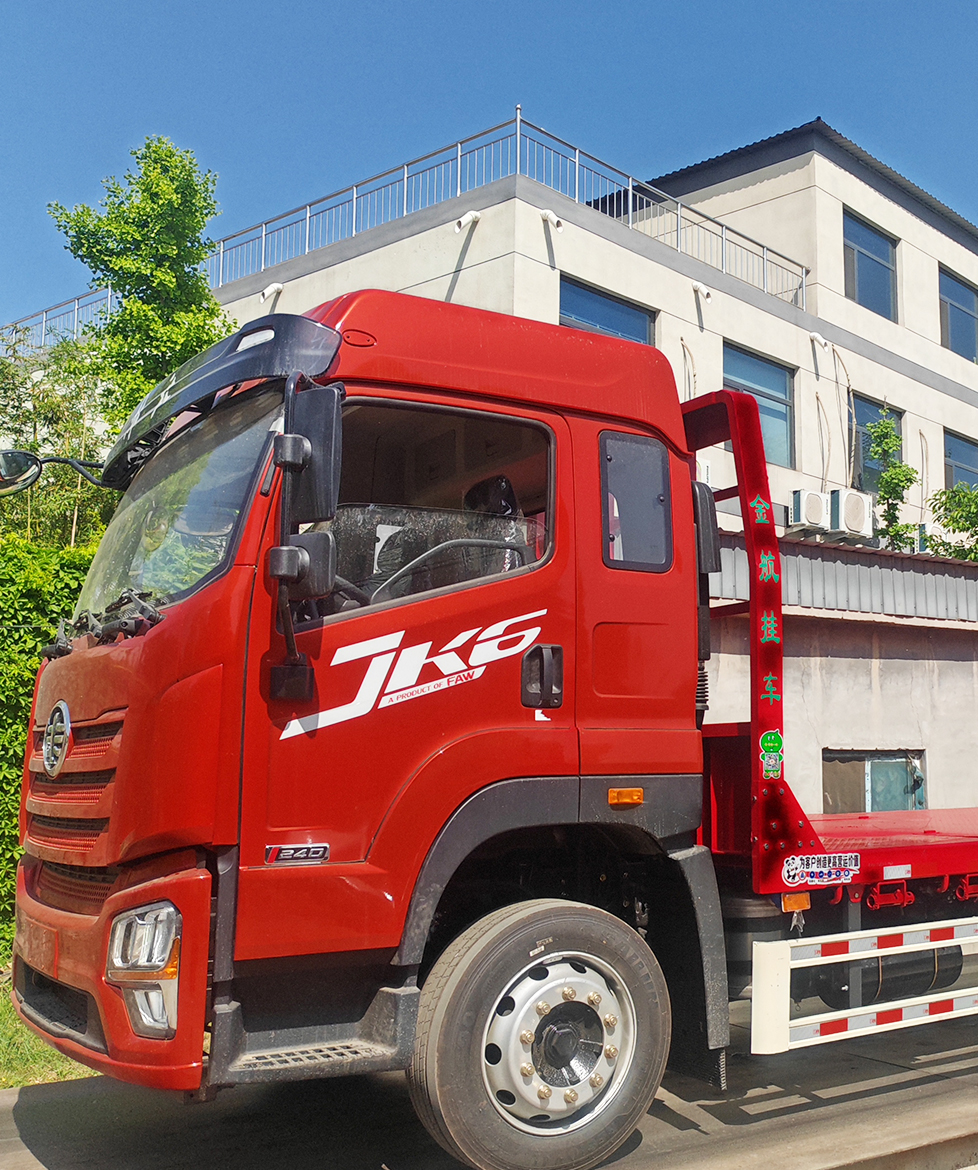
After construction machinery is loaded, it should be properly secured based on the equipment's weight, center of gravity, tire or track structure, and transportation route. The equipment should be positioned within the platform's load-bearing area as much as possible to avoid noticeable eccentric loading or an excessively high center of gravity. After loading, straps, chains, wheel chocks, or other suitable securing methods can be used according to the shape of the cargo and vehicle accessories. Before transport, check that the ramps are retracted and locked, cargo tie-down points are secure, and the vehicle's tires, suspension, brakes, lights, and towing connections are in normal condition. After construction machinery is loaded, it should be properly secured based on the equipment's weight, center of gravity, tire or track structure, and transportation route. The equipment should be positioned within the platform's load-bearing area as much as possible to avoid noticeable eccentric loading or an excessively high center of gravity. After loading, straps, chains, wheel chocks, or other suitable securing methods can be used according to the shape of the cargo and vehicle accessories. Before transport, check that the ramps are retracted and locked, cargo tie-down points are secure, and the vehicle's tires, suspension, brakes, lights, and towing connections are in normal condition. If the transport route includes slopes, potholes, sharp turns, or long-distance sections, it is even more necessary to evaluate equipment securing, speed control, and en-route inspection arrangements in advance. If the transport route includes slopes, potholes, sharp turns, or long-distance sections, it is even more necessary to evaluate equipment securing, speed control, and en-route inspection arrangements in advance.
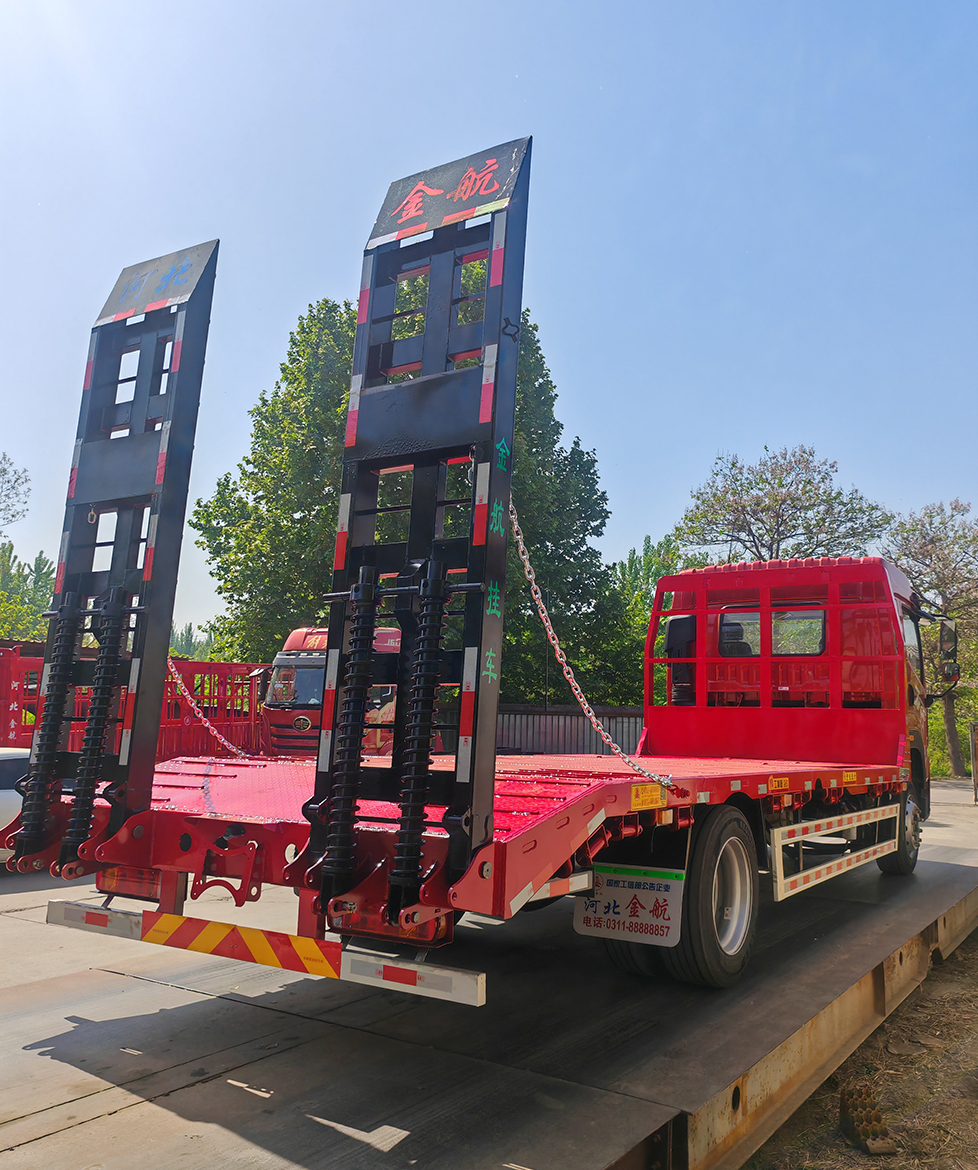
Before exporting a 6.8m ramp flatbed trailer, clients must provide equipment type, weight, dimensions, loading/unloading method, route, tractor info, country of use, quantity, destination port, and delivery timeline. For machinery transport, also specify wheel track, wheelbase, ground clearance, approach angle, ramp specs, and securing method. Custom branding, toolboxes, spare tire carriers, or other accessories should be requested upfront. Destination country regulations on vehicle length, width, axle load, braking, lighting, and safety markings must be confirmed beforehand. For models with unconfirmed parameters, finalize technical drawings and configurations prior to production.
13-meter flatbed trailers are suitable for transporting machinery and equipment, steel, building materials, engineering materials, vehicles, and other open cargo requiring loading and unloading from the top, sides, or rear. The open platform facilitates the use of cranes, forklifts, and other loading and unloading equipment. For cargo with longer dimensions or irregular shapes, the flatbed structure is generally more convenient for loading than an enclosed cargo body. When purchasing, customers should first verify the length, width, height, single-piece weight, and securing method of the cargo. For heavy cargo such as equipment and steel, the cargo's center of gravity, support points, and transportation route should also be confirmed in advance. 13-meter flatbed trailers are suitable for transporting machinery and equipment, steel, building materials, engineering materials, vehicles, and other open cargo requiring loading and unloading from the top, sides, or rear. The open platform facilitates the use of cranes, forklifts, and other loading and unloading equipment. For cargo with longer dimensions or irregular shapes, the flatbed structure is generally more convenient for loading than an enclosed cargo body. When purchasing, customers should first verify the length, width, height, single-piece weight, and securing method of the cargo. For heavy cargo such as equipment and steel, the cargo's center of gravity, support points, and transportation route should also be confirmed in advance. The rated payload of this model is 40,000 kg. Actual loading should be confirmed in conjunction with local road regulations, axle load limits, and tractor matching conditions. The rated payload of this model is 40,000 kg. Actual loading should be confirmed in conjunction with local road regulations, axle load limits, and tractor matching conditions.
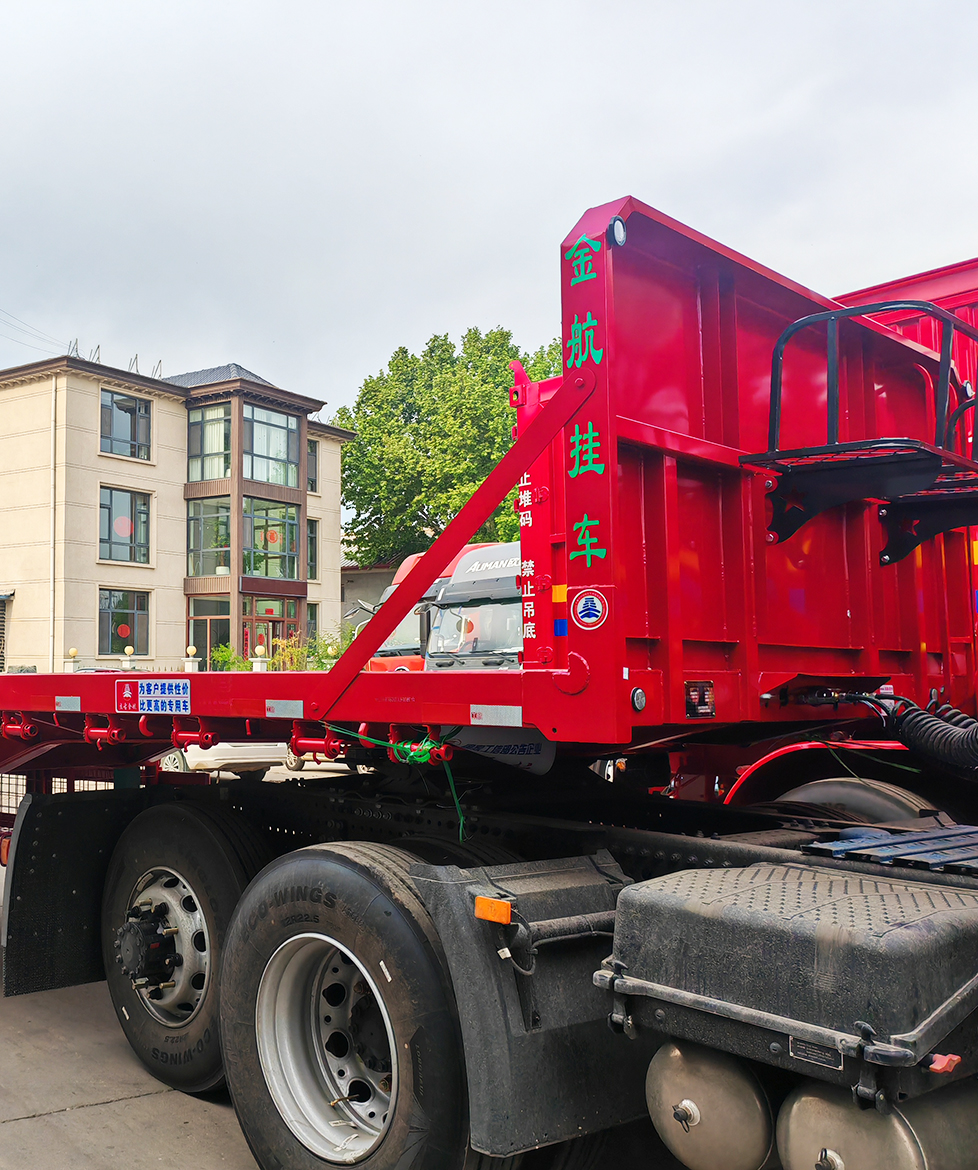
The main advantage of flatbed semi-trailers is their flexible loading and unloading methods. Cargo can be loaded and unloaded via cranes, forklifts, rear ramps, or other methods depending on on-site conditions. When transporting large equipment, customers should confirm in advance whether the cargo can drive on and off by itself, whether mechanical ramps are required, and if the loading/unloading site has sufficient space. For cargo requiring side-loading via crane, the lifting range of the crane equipment and the load-bearing area of the platform should be checked. After loading, the cargo should be distributed as evenly as possible to avoid localized overloading or severe eccentric loading. For oversized and long cargo, considerations should also be given to front and rear overhangs, turning radius space, height/width clearances, and cargo securement. The main advantage of flatbed semi-trailers is their flexible loading and unloading methods. Cargo can be loaded and unloaded via cranes, forklifts, rear ramps, or other methods depending on on-site conditions. When transporting large equipment, customers should confirm in advance whether the cargo can drive on and off by itself, whether mechanical ramps are required, and if the loading/unloading site has sufficient space. For cargo requiring side-loading via crane, the lifting range of the crane equipment and the load-bearing area of the platform should be checked. After loading, the cargo should be distributed as evenly as possible to avoid localized overloading or severe eccentric loading. For oversized and long cargo, considerations should also be given to front and rear overhangs, turning radius space, height/width clearances, and cargo securement. Properly planning loading and unloading procedures as well as securing methods can improve vehicle operating efficiency and help minimize safety risks to both cargo and vehicle during transit. Properly planning loading and unloading procedures as well as securing methods can improve vehicle operating efficiency and help minimize safety risks to both cargo and vehicle during transit.
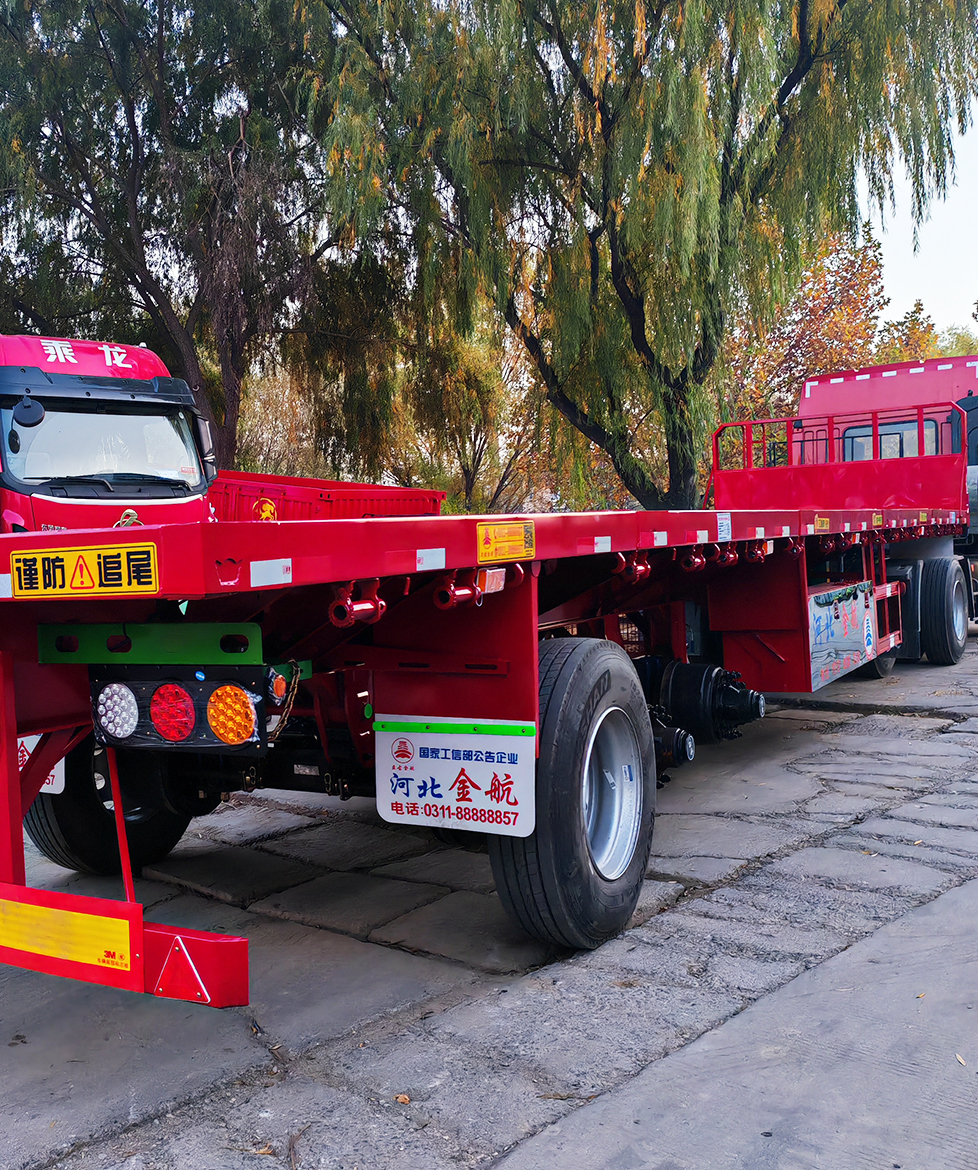
Current specifications for this model indicate the use of 3 Jinhang 13T axles, 12R22.5 12PR tires, reinforced mechanical suspension, and 10 thickened leaf springs. Axles, tires, and suspension must collectively bear the loads from cargo, the vehicle body, and road impacts. When purchasing, customers should confirm these based on the rated load, road conditions, transport distance, vehicle usage frequency, and local maintenance conditions. 12R22.5 tires are one of the existing configurations for this model; specific tire brands, tread patterns, air pressure, and operating environments should be subject to official technical documentation. The mechanical suspension structure is relatively straightforward, making it suitable for transport scenarios where maintenance convenience is a priority. Current specifications for this model indicate the use of 3 Jinhang 13T axles, 12R22.5 12PR tires, reinforced mechanical suspension, and 10 thickened leaf springs. Axles, tires, and suspension must collectively bear the loads from cargo, the vehicle body, and road impacts. When purchasing, customers should confirm these based on the rated load, road conditions, transport distance, vehicle usage frequency, and local maintenance conditions. 12R22.5 tires are one of the existing configurations for this model; specific tire brands, tread patterns, air pressure, and operating environments should be subject to official technical documentation. The mechanical suspension structure is relatively straightforward, making it suitable for transport scenarios where maintenance convenience is a priority. If the vehicle is used for complex road conditions, construction sites, or long-distance transport, customers should specify the road conditions and operational intensity in advance to confirm whether the vehicle configuration needs adjustment. If the vehicle is used for complex road conditions, construction sites, or long-distance transport, customers should specify the road conditions and operational intensity in advance to confirm whether the vehicle configuration needs adjustment.
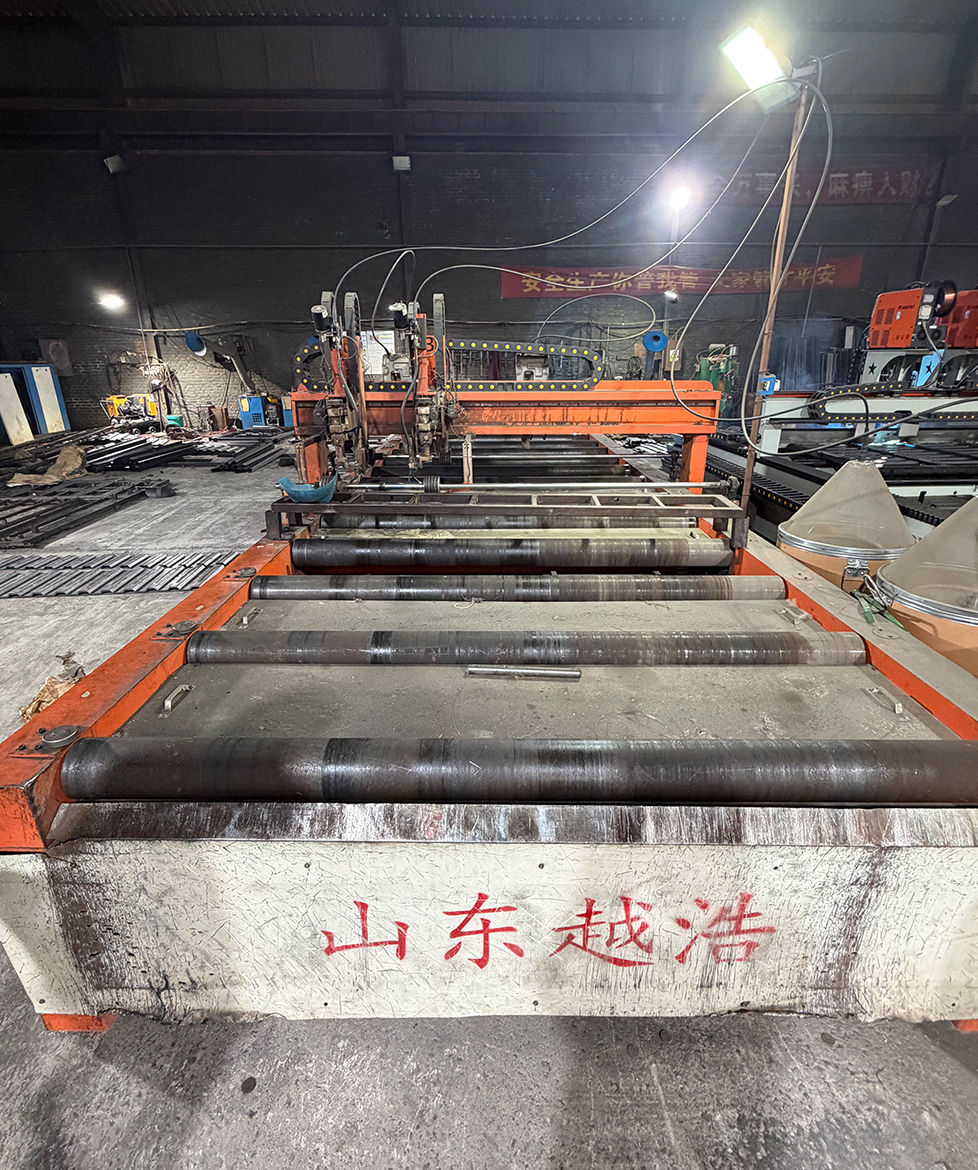
Before exporting a 13-meter flatbed semi-trailer, priority should be given to confirming requirements regarding overall vehicle dimensions, axle loads, axles, tires, suspension, braking, lighting, and safety markings. This model currently adopts a 3-axle structure, 12R22.5 12PR tires, and reinforced mechanical suspension; the current configuration information indicates that it is not equipped with ABS. Different countries may have varying requirements for ABS, braking systems, reflective markings, lighting, and axle loads, so confirmation must be made in accordance with the destination country's regulations prior to export. Customers should also provide details on cargo to be transported, estimated payload, road conditions, tractor parameters, loading and unloading methods, quantity required, destination port, and delivery schedule. Before exporting a 13-meter flatbed semi-trailer, priority should be given to confirming requirements regarding overall vehicle dimensions, axle loads, axles, tires, suspension, braking, lighting, and safety markings. This model currently adopts a 3-axle structure, 12R22.5 12PR tires, and reinforced mechanical suspension; the current configuration information indicates that it is not equipped with ABS. Different countries may have varying requirements for ABS, braking systems, reflective markings, lighting, and axle loads, so confirmation must be made in accordance with the destination country's regulations prior to export. Customers should also provide details on cargo to be transported, estimated payload, road conditions, tractor parameters, loading and unloading methods, quantity required, destination port, and delivery schedule. If customers transport large machinery or equipment, advance communication should also be made regarding cargo dimensions, securing methods, platform load-bearing areas, whether ramps are required, and whether custom brand painting and accessory configurations are needed. If customers transport large machinery or equipment, advance communication should also be made regarding cargo dimensions, securing methods, platform load-bearing areas, whether ramps are required, and whether custom brand painting and accessory configurations are needed.
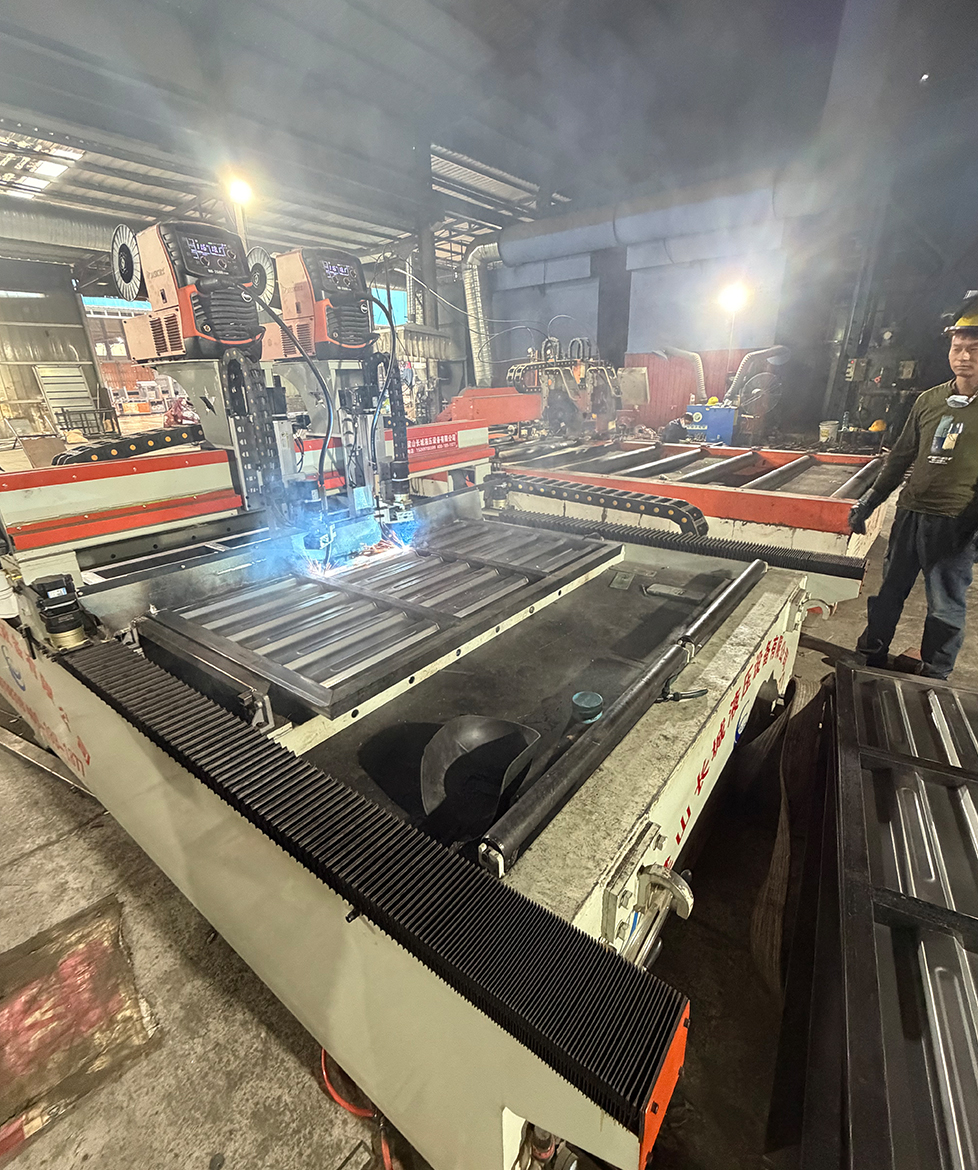
Featuring an open platform structure, the 13.75-meter flatbed semi-trailer is suitable for transporting machinery, engineering equipment, steel, building materials, vehicles, and other cargo that is not suitable for enclosed vans. For large equipment and construction machinery, the open platform facilitates loading and unloading using cranes, forklifts, or ramps. When selecting a trailer model, customers should confirm the length, width, height, weight, and loading/unloading methods of the cargo in advance to prevent issues such as cargo exceeding the platform boundaries or difficulties in securing it. The rated payload of this model is 40,000 kg, but the actual payload must be determined based on local axle load regulations, tractor capacity, road conditions, and the cargo's center of gravity. For heavier or irregularly sized equipment, tie-down points and transport securement methods should also be planned in advance. Featuring an open platform structure, the 13.75-meter flatbed semi-trailer is suitable for transporting machinery, engineering equipment, steel, building materials, vehicles, and other cargo that is not suitable for enclosed vans. For large equipment and construction machinery, the open platform facilitates loading and unloading using cranes, forklifts, or ramps. When selecting a trailer model, customers should confirm the length, width, height, weight, and loading/unloading methods of the cargo in advance to prevent issues such as cargo exceeding the platform boundaries or difficulties in securing it. The rated payload of this model is 40,000 kg, but the actual payload must be determined based on local axle load regulations, tractor capacity, road conditions, and the cargo's center of gravity. For heavier or irregularly sized equipment, tie-down points and transport securement methods should also be planned in advance. When inquiring, customers can provide cargo photos, dimensions, weight, loading/unloading equipment, and transport routes to determine a more suitable vehicle solution. When inquiring, customers can provide cargo photos, dimensions, weight, loading/unloading equipment, and transport routes to determine a more suitable vehicle solution.
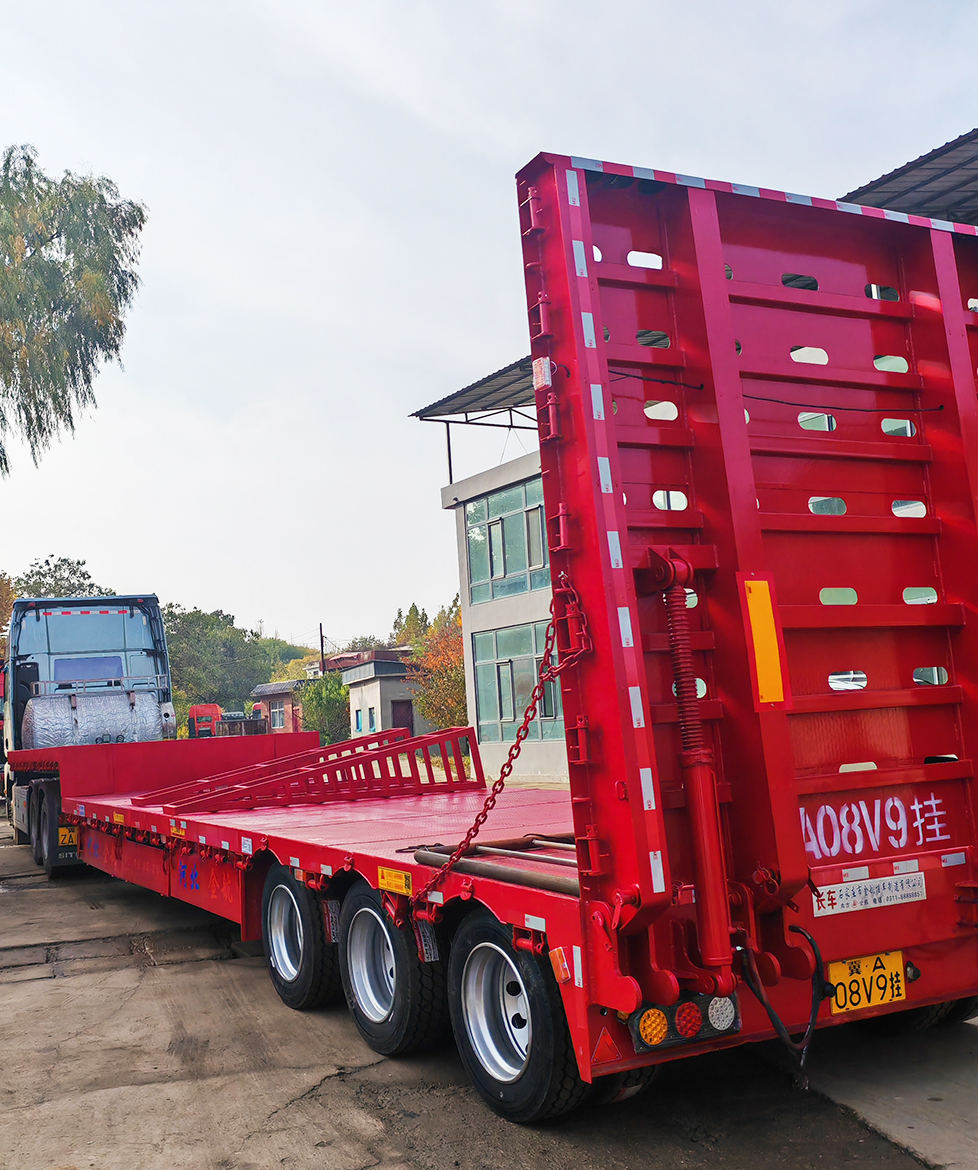
The 13.75m flatbed semi-trailer adopts T700L material and is equipped with reinforced mechanical suspension and 10 thickened leaf springs, making it suitable for heavy-duty cargo transport projects. When flatbed trailers transport mechanical equipment, steel, and construction materials, the chassis frame and platform must withstand heavy concentrated loads. High-strength materials and reinforced structures can serve as part of a heavy-duty model design, but specific load-bearing performance still depends on frame structure, cargo distribution, axle load, and actual road conditions. The mechanical suspension structure is relatively straightforward, facilitating maintenance and parts replacement in certain regions. The 10 thickened leaf springs are part of the existing configuration for this model; customers still need to confirm whether it is suitable for long-term use based on cargo weight, transport frequency, and operating road conditions. The 13.75m flatbed semi-trailer adopts T700L material and is equipped with reinforced mechanical suspension and 10 thickened leaf springs, making it suitable for heavy-duty cargo transport projects. When flatbed trailers transport mechanical equipment, steel, and construction materials, the chassis frame and platform must withstand heavy concentrated loads. High-strength materials and reinforced structures can serve as part of a heavy-duty model design, but specific load-bearing performance still depends on frame structure, cargo distribution, axle load, and actual road conditions. The mechanical suspension structure is relatively straightforward, facilitating maintenance and parts replacement in certain regions. The 10 thickened leaf springs are part of the existing configuration for this model; customers still need to confirm whether it is suitable for long-term use based on cargo weight, transport frequency, and operating road conditions. When purchasing, it is recommended not to focus solely on material names, but also to evaluate the overall vehicle structure, platform dimensions, axle configuration, tire specifications, and operation manuals. When purchasing, it is recommended not to focus solely on material names, but also to evaluate the overall vehicle structure, platform dimensions, axle configuration, tire specifications, and operation manuals.
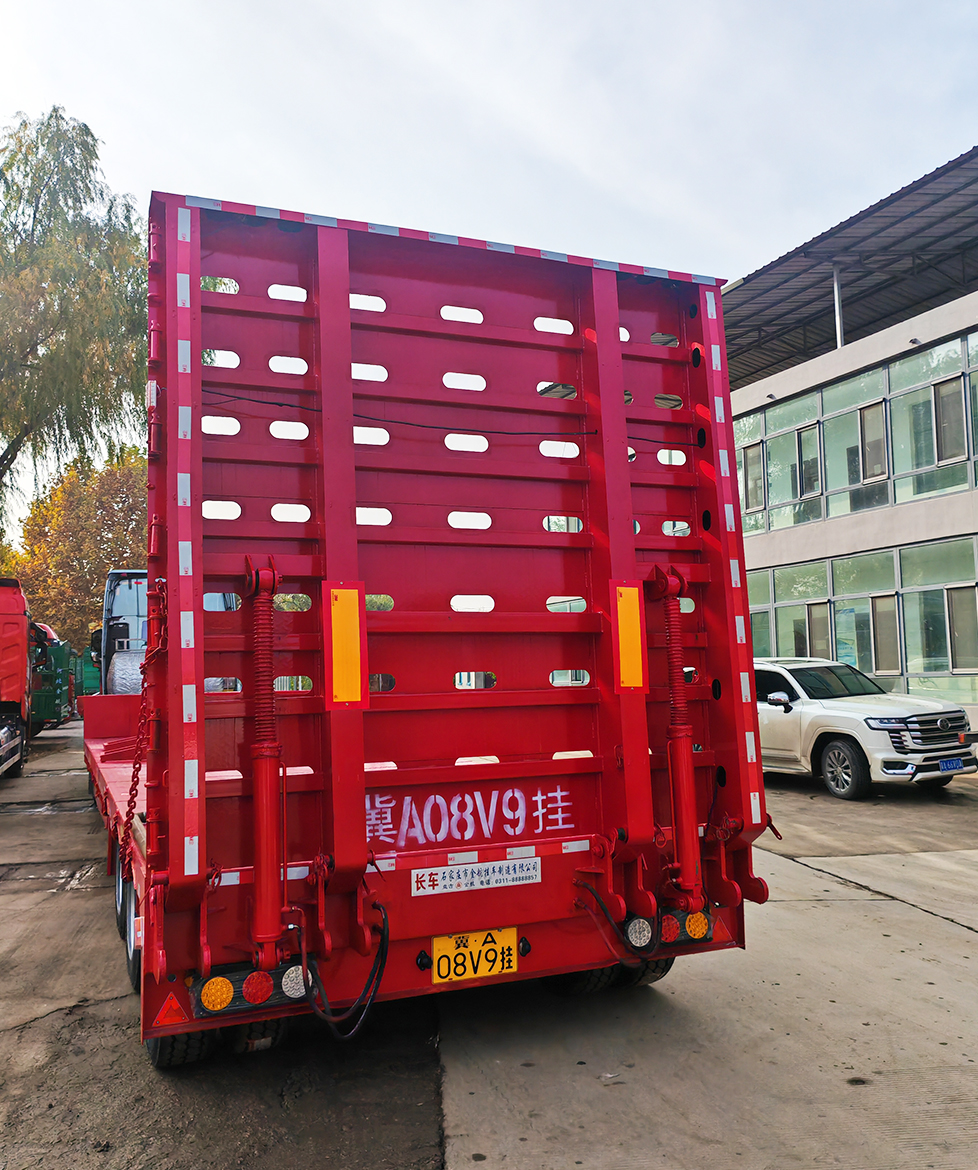
Before loading heavy equipment, verify the equipment's weight, center of gravity, support points, and hoisting or ramp loading/unloading methods. For heavier equipment, the cargo's center of gravity should be positioned within the vehicle's load-bearing area as much as possible to avoid significant bias to one side or concentration in a localized area. After loading, select appropriate straps, chains, chocks, or other securing methods according to the equipment's shape and the transport route. The 13.75-meter flatbed trailer can be optionally equipped with 850 mm mechanical ramps, making it suitable for certain wheeled equipment, construction machinery, and vehicles to drive onto and off the platform independently. However, because different equipment features different approach angles, ground clearances, wheel tracks, and weights, confirm whether the equipment matches the ramp dimensions before using the ramps. Before loading heavy equipment, verify the equipment's weight, center of gravity, support points, and hoisting or ramp loading/unloading methods. For heavier equipment, the cargo's center of gravity should be positioned within the vehicle's load-bearing area as much as possible to avoid significant bias to one side or concentration in a localized area. After loading, select appropriate straps, chains, chocks, or other securing methods according to the equipment's shape and the transport route. The 13.75-meter flatbed trailer can be optionally equipped with 850 mm mechanical ramps, making it suitable for certain wheeled equipment, construction machinery, and vehicles to drive onto and off the platform independently. However, because different equipment features different approach angles, ground clearances, wheel tracks, and weights, confirm whether the equipment matches the ramp dimensions before using the ramps. Before long-distance transport or transport over complex road conditions, also inspect the tie-down points, tires, suspension, axles, brakes, and towing connection components. During transport, control the vehicle speed in accordance with vehicle and cargo safety requirements when navigating ramps, potholes, or sharp turns. Before long-distance transport or transport over complex road conditions, also inspect the tie-down points, tires, suspension, axles, brakes, and towing connection components. During transport, control the vehicle speed in accordance with vehicle and cargo safety requirements when navigating ramps, potholes, or sharp turns.
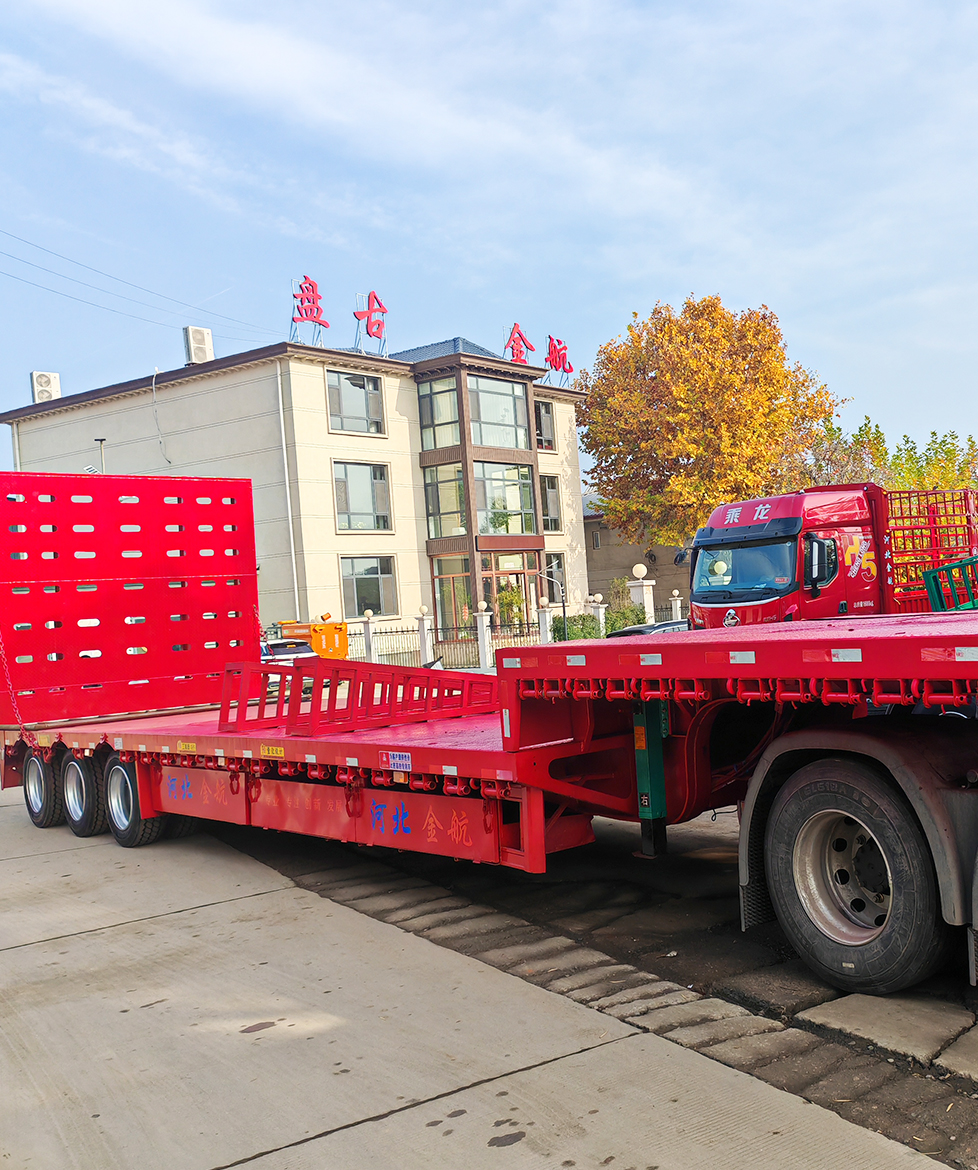
Before exporting a 13.75m flatbed trailer, you should confirm the vehicle dimensions, payload capacity, axles, tires, suspension, braking system, and road regulations of the destination country. Current data for this model indicates that it adopts 3 Jinhang 13T axles, 8.25R20 16PR tires, reinforced mechanical suspension, and 10-leaf thickened leaf springs; the current configuration does not include ABS. Before export, confirm whether the braking system and safety configurations comply with local requirements according to destination country regulations. Customers should also provide information on cargo to be transported, cargo weight and dimensions, tractor unit information, road conditions, loading and unloading methods, required quantity, destination port, and estimated delivery time. Before exporting a 13.75m flatbed trailer, you should confirm the vehicle dimensions, payload capacity, axles, tires, suspension, braking system, and road regulations of the destination country. Current data for this model indicates that it adopts 3 Jinhang 13T axles, 8.25R20 16PR tires, reinforced mechanical suspension, and 10-leaf thickened leaf springs; the current configuration does not include ABS. Before export, confirm whether the braking system and safety configurations comply with local requirements according to destination country regulations. Customers should also provide information on cargo to be transported, cargo weight and dimensions, tractor unit information, road conditions, loading and unloading methods, required quantity, destination port, and estimated delivery time. If construction machinery needs to be transported, it is recommended to also confirm whether 850 mm mechanical ramps, a toolbox, spare tire carrier, customized paint, brand logo, or basic spare parts package are required. If construction machinery needs to be transported, it is recommended to also confirm whether 850 mm mechanical ramps, a toolbox, spare tire carrier, customized paint, brand logo, or basic spare parts package are required.
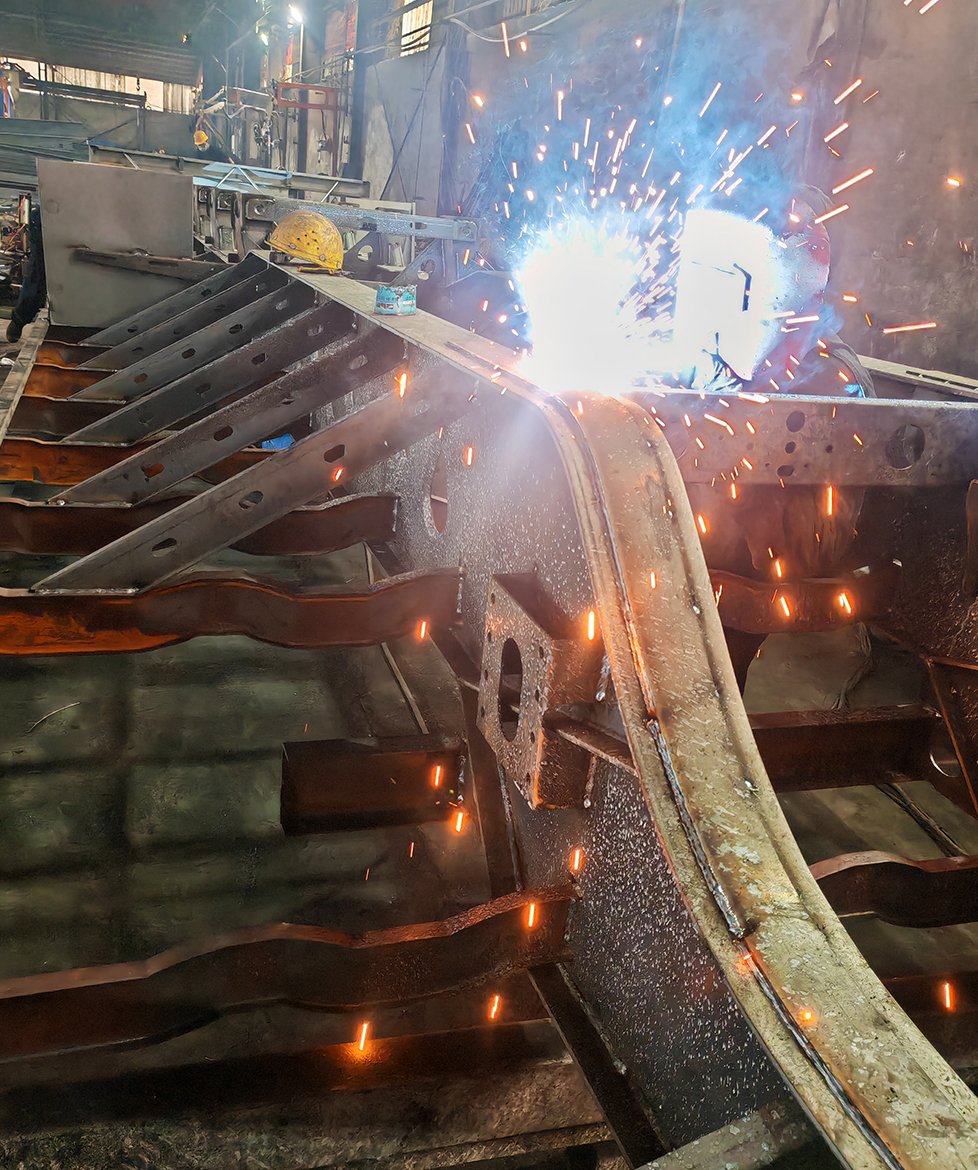
The length of the JHT9402XXY box semi-trailer can be confirmed within the range of 10.5 to 11.5 meters, adopting a 3-axle structure, and is mainly used for general cargo transport. This model is suitable for agricultural products, general merchandise, industrial products, ton bags, light building materials, and other general goods. The enclosed cargo box provides rain, dust, and transit protection for goods, making it suitable for warehouse transfer, logistics distribution, and cross-regional transportation. Ton bags and light building materials may vary in weight, dimensions, and loading and unloading methods. Customers should specify in advance the unit weight, packaging form, stacking height, pallet conditions, and forklift operation methods to confirm cargo space and loading/unloading configurations. The length of the JHT9402XXY box semi-trailer can be confirmed within the range of 10.5 to 11.5 meters, adopting a 3-axle structure, and is mainly used for general cargo transport. This model is suitable for agricultural products, general merchandise, industrial products, ton bags, light building materials, and other general goods. The enclosed cargo box provides rain, dust, and transit protection for goods, making it suitable for warehouse transfer, logistics distribution, and cross-regional transportation. Ton bags and light building materials may vary in weight, dimensions, and loading and unloading methods. Customers should specify in advance the unit weight, packaging form, stacking height, pallet conditions, and forklift operation methods to confirm cargo space and loading/unloading configurations. For customers who frequently transport multiple types of cargo, it is recommended to provide the dimension ranges and transportation proportions of the main goods, facilitating the manufacturer to prepare a more practical vehicle solution. For customers who frequently transport multiple types of cargo, it is recommended to provide the dimension ranges and transportation proportions of the main goods, facilitating the manufacturer to prepare a more practical vehicle solution.
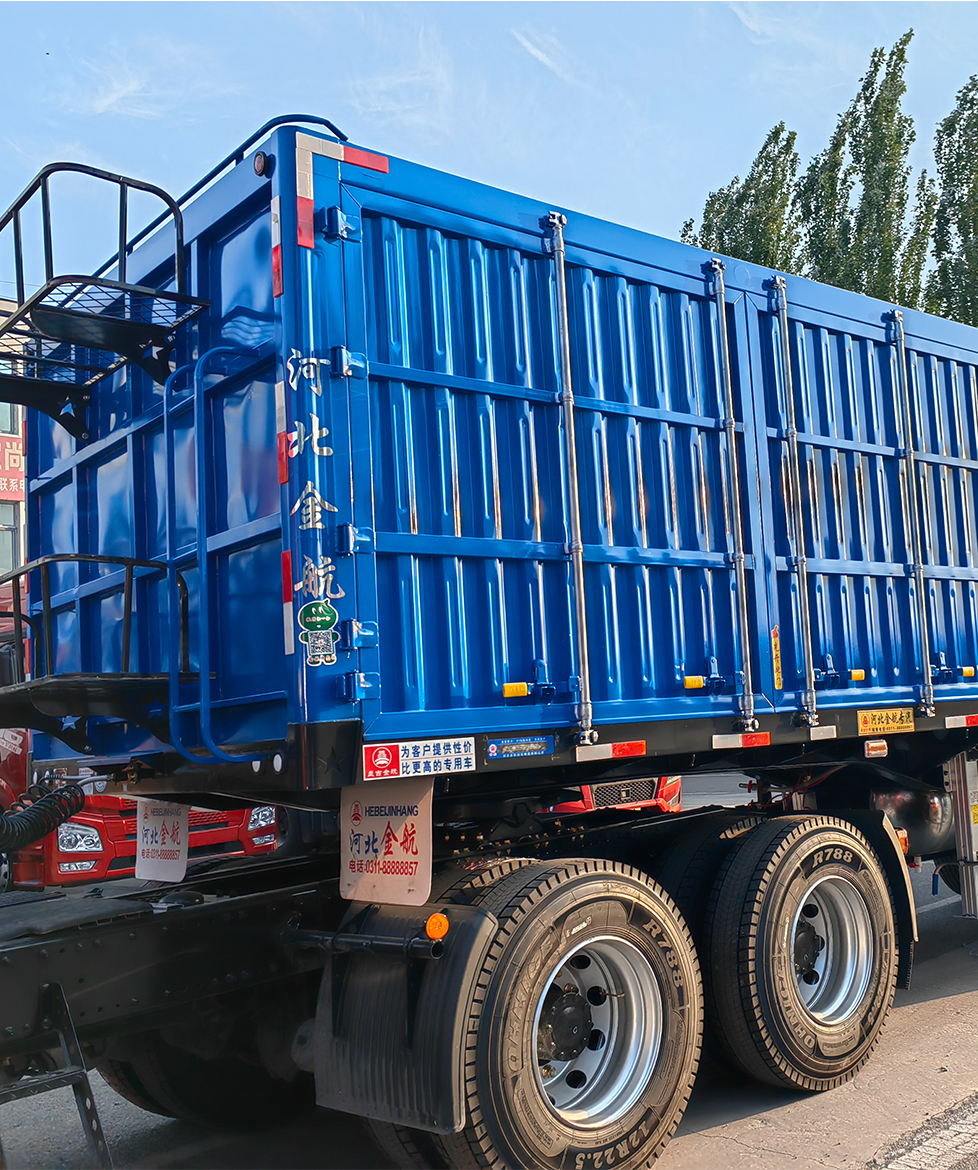
The JHT9402XXY box transport semi-trailer offers length options ranging from 10.5 to 11.5 meters. The selection between different lengths should be determined by cargo volume, road conditions, loading/unloading site constraints, tractor truck matching, and local regulations. If the client's transport routes are narrow, feature numerous turns, or have limited space at loading/unloading sites, priority should be given to evaluating the maneuverability of a shorter body. If the client transports larger quantities of cargo along relatively fixed routes, and local vehicle dimension regulations permit, a longer body and larger cargo box volume can be further considered. A longer body does not necessarily mean higher practical transport efficiency. Factors such as cargo dimensions, stacking methods, single-trip load capacity, and compatibility with loading/unloading equipment are equally critical. Before procurement, clients should provide details regarding typical cargo dimensions, weight, and on-site loading/unloading conditions. The JHT9402XXY box transport semi-trailer offers length options ranging from 10.5 to 11.5 meters. The selection between different lengths should be determined by cargo volume, road conditions, loading/unloading site constraints, tractor truck matching, and local regulations. If the client's transport routes are narrow, feature numerous turns, or have limited space at loading/unloading sites, priority should be given to evaluating the maneuverability of a shorter body. If the client transports larger quantities of cargo along relatively fixed routes, and local vehicle dimension regulations permit, a longer body and larger cargo box volume can be further considered. A longer body does not necessarily mean higher practical transport efficiency. Factors such as cargo dimensions, stacking methods, single-trip load capacity, and compatibility with loading/unloading equipment are equally critical. Before procurement, clients should provide details regarding typical cargo dimensions, weight, and on-site loading/unloading conditions. Based on client project requirements, Jinhang Trailer can communicate and customize suitable body lengths and overall configurations within the 10.5 to 11.5-meter range. Based on client project requirements, Jinhang Trailer can communicate and customize suitable body lengths and overall configurations within the 10.5 to 11.5-meter range.
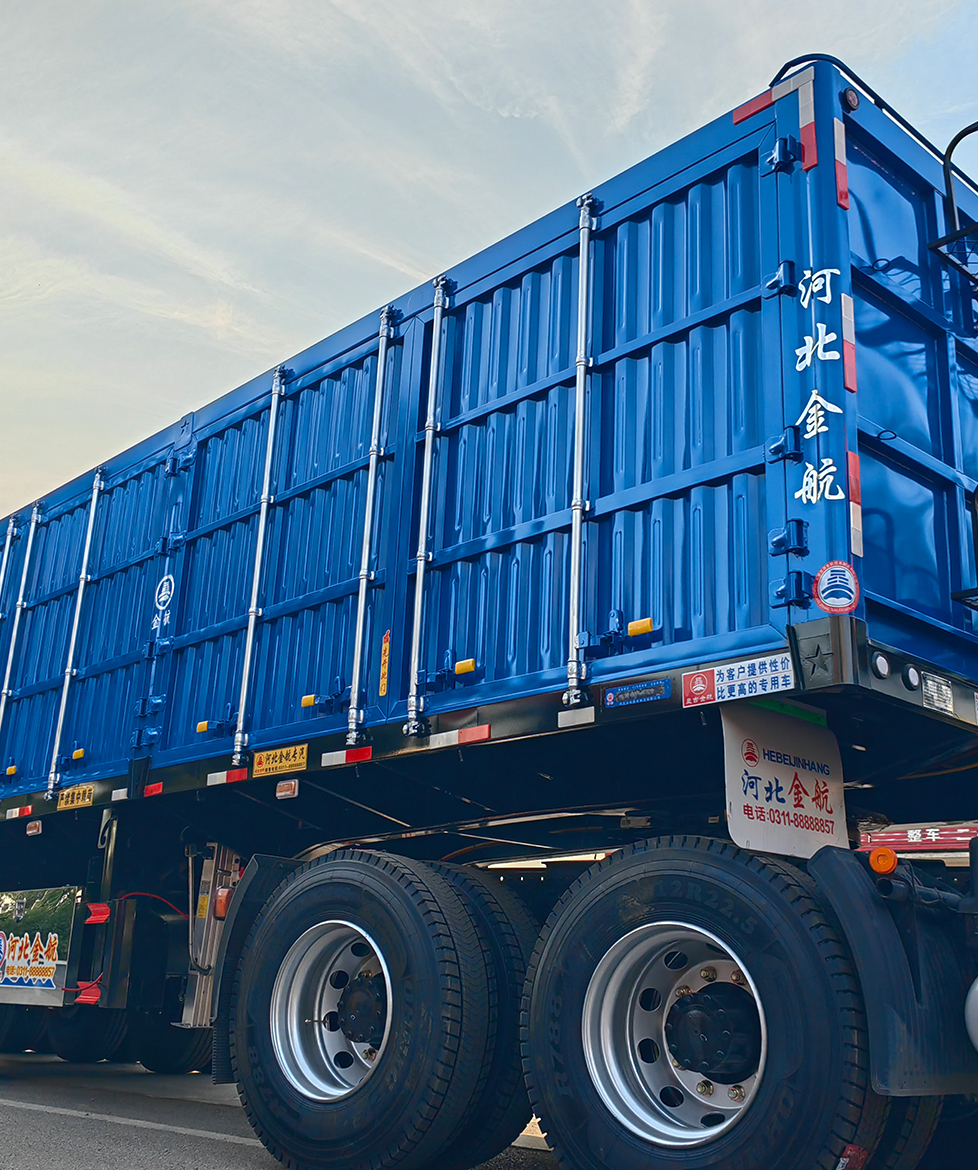
Both ton bags and light building materials can be transported using box semi-trailers, but loading and securing methods need to be arranged according to the cargo characteristics. For ton bag cargo, attention is usually required regarding stacking height, center of gravity, forklift loading/unloading, and internal compartment space. When loading, cargo should be evenly distributed as much as possible to avoid localized excessive weight or movement of ton bags during transit. Light building materials may feature large volume, irregular shapes, or requirements for moisture protection. Customers should specify product packaging, dimensions, piece weight, and handling equipment in advance, and discuss cargo securing, internal protection, or other accessory configurations when necessary. Both ton bags and light building materials can be transported using box semi-trailers, but loading and securing methods need to be arranged according to the cargo characteristics. For ton bag cargo, attention is usually required regarding stacking height, center of gravity, forklift loading/unloading, and internal compartment space. When loading, cargo should be evenly distributed as much as possible to avoid localized excessive weight or movement of ton bags during transit. Light building materials may feature large volume, irregular shapes, or requirements for moisture protection. Customers should specify product packaging, dimensions, piece weight, and handling equipment in advance, and discuss cargo securing, internal protection, or other accessory configurations when necessary. For customers transporting multiple types of cargo simultaneously, it is recommended to establish a common cargo loading list specifying the quantity, placement position, and securing method of each cargo type, which helps improve loading efficiency and transport safety. For customers transporting multiple types of cargo simultaneously, it is recommended to establish a common cargo loading list specifying the quantity, placement position, and securing method of each cargo type, which helps improve loading efficiency and transport safety.
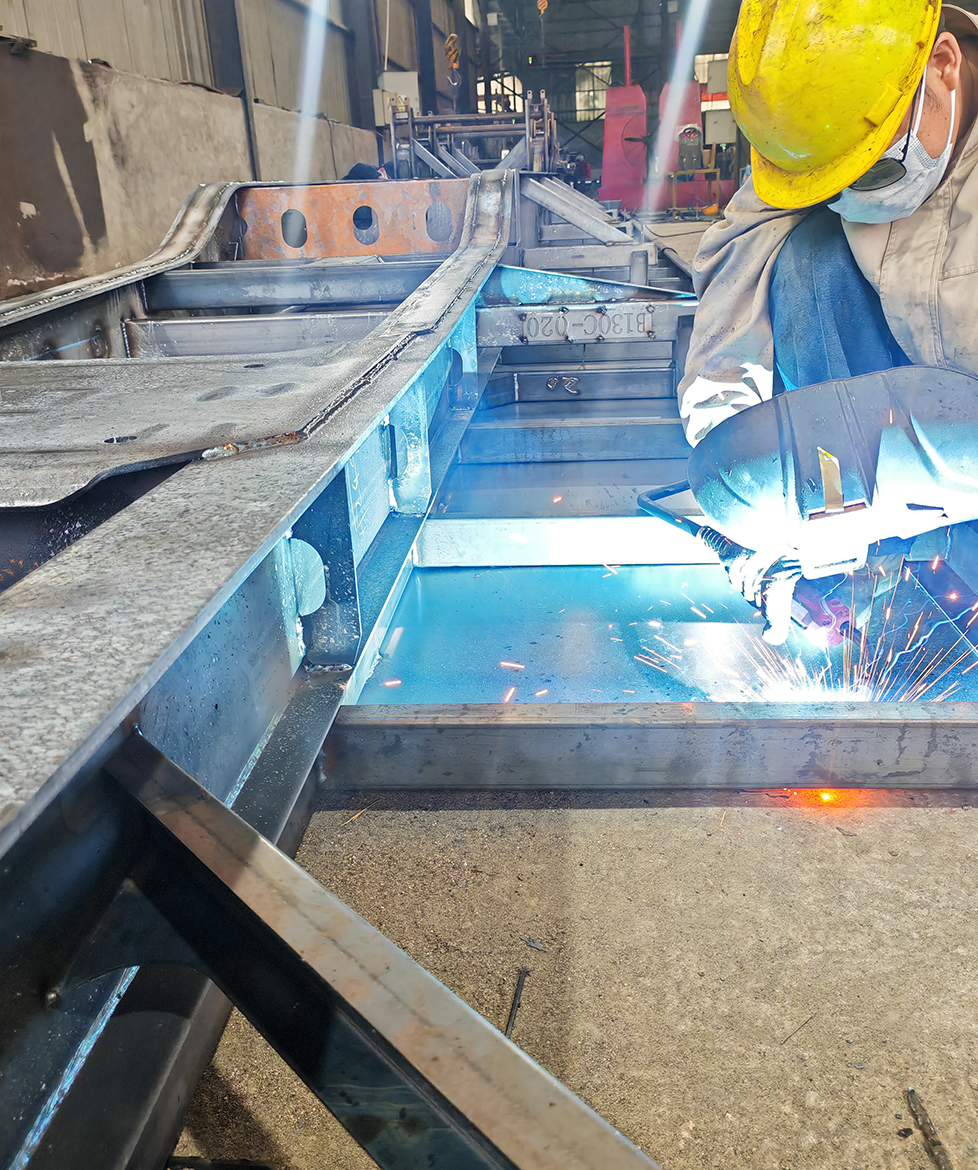
The length of the JHT9401XXYE box transport semi-trailer can be confirmed within the range of 9 to 10.2 meters according to project requirements, mainly used for the transport of general cargo such as agricultural products, general merchandise, industrial products, and home appliances. When selecting the length, customers should first determine the dimensions, packaging method, single-load capacity, and loading/unloading methods of the frequently transported goods. If the vehicle is mainly used on urban outskirts, ordinary roads, or routes with numerous turns, priority should be given to road width, turning space, and loading/unloading yards. If customers need to transport various types of cargo, the cargo box should be planned based on the most commonly transported cargo dimensions, rather than simply pursuing a longer body. The vehicle body length should also match the tractor truck, local vehicle regulations, and road conditions in the destination country. The length of the JHT9401XXYE box transport semi-trailer can be confirmed within the range of 9 to 10.2 meters according to project requirements, mainly used for the transport of general cargo such as agricultural products, general merchandise, industrial products, and home appliances. When selecting the length, customers should first determine the dimensions, packaging method, single-load capacity, and loading/unloading methods of the frequently transported goods. If the vehicle is mainly used on urban outskirts, ordinary roads, or routes with numerous turns, priority should be given to road width, turning space, and loading/unloading yards. If customers need to transport various types of cargo, the cargo box should be planned based on the most commonly transported cargo dimensions, rather than simply pursuing a longer body. The vehicle body length should also match the tractor truck, local vehicle regulations, and road conditions in the destination country. Customers can provide cargo dimension lists, loading and unloading site photos, and reference vehicle materials, and Jinhang Trailer will assist in communicating and determining the appropriate length and configuration accordingly. Customers can provide cargo dimension lists, loading and unloading site photos, and reference vehicle materials, and Jinhang Trailer will assist in communicating and determining the appropriate length and configuration accordingly.
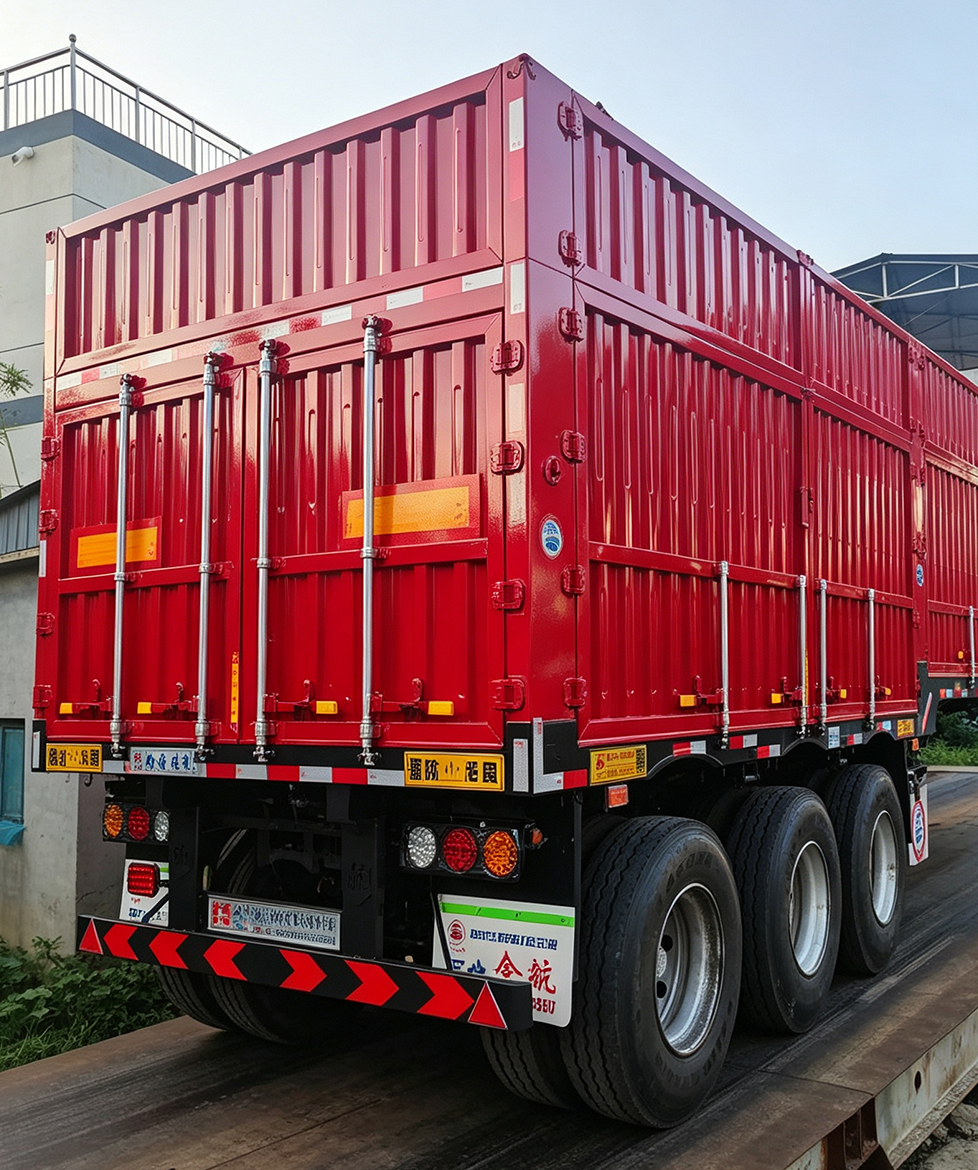
The JHT9401XXYE van transport semi-trailer offers optional mechanical suspension or air suspension. Customers should make a comprehensive evaluation based on road conditions, transport frequency, cargo characteristics, maintenance capabilities, and budget. Mechanical suspension features a relatively straightforward structure, making it suitable for standard roads, regional logistics, and application scenarios where ease of maintenance is prioritized. Air suspension offers significant advantages for long-haul transport and scenarios requiring a smoother ride, though pneumatic system maintenance and local service capabilities must also be considered. The JHT9401XXYE van transport semi-trailer offers optional mechanical suspension or air suspension. Customers should make a comprehensive evaluation based on road conditions, transport frequency, cargo characteristics, maintenance capabilities, and budget. Mechanical suspension features a relatively straightforward structure, making it suitable for standard roads, regional logistics, and application scenarios where ease of maintenance is prioritized. Air suspension offers significant advantages for long-haul transport and scenarios requiring a smoother ride, though pneumatic system maintenance and local service capabilities must also be considered. If the vehicle primarily operates on standard highways and the fleet places higher value on easy maintenance and spare parts availability, mechanical suspension serves as a common choice. If the vehicle is used for high-frequency, long-distance transport, customers can further evaluate the fit of air suspension in terms of cargo protection, ride smoothness, and fleet maintenance capability. The final suspension configuration should be confirmed based on vehicle application, road conditions, and regulatory requirements of the country of operation. If the vehicle primarily operates on standard highways and the fleet places higher value on easy maintenance and spare parts availability, mechanical suspension serves as a common choice. If the vehicle is used for high-frequency, long-distance transport, customers can further evaluate the fit of air suspension in terms of cargo protection, ride smoothness, and fleet maintenance capability. The final suspension configuration should be confirmed based on vehicle application, road conditions, and regulatory requirements of the country of operation.
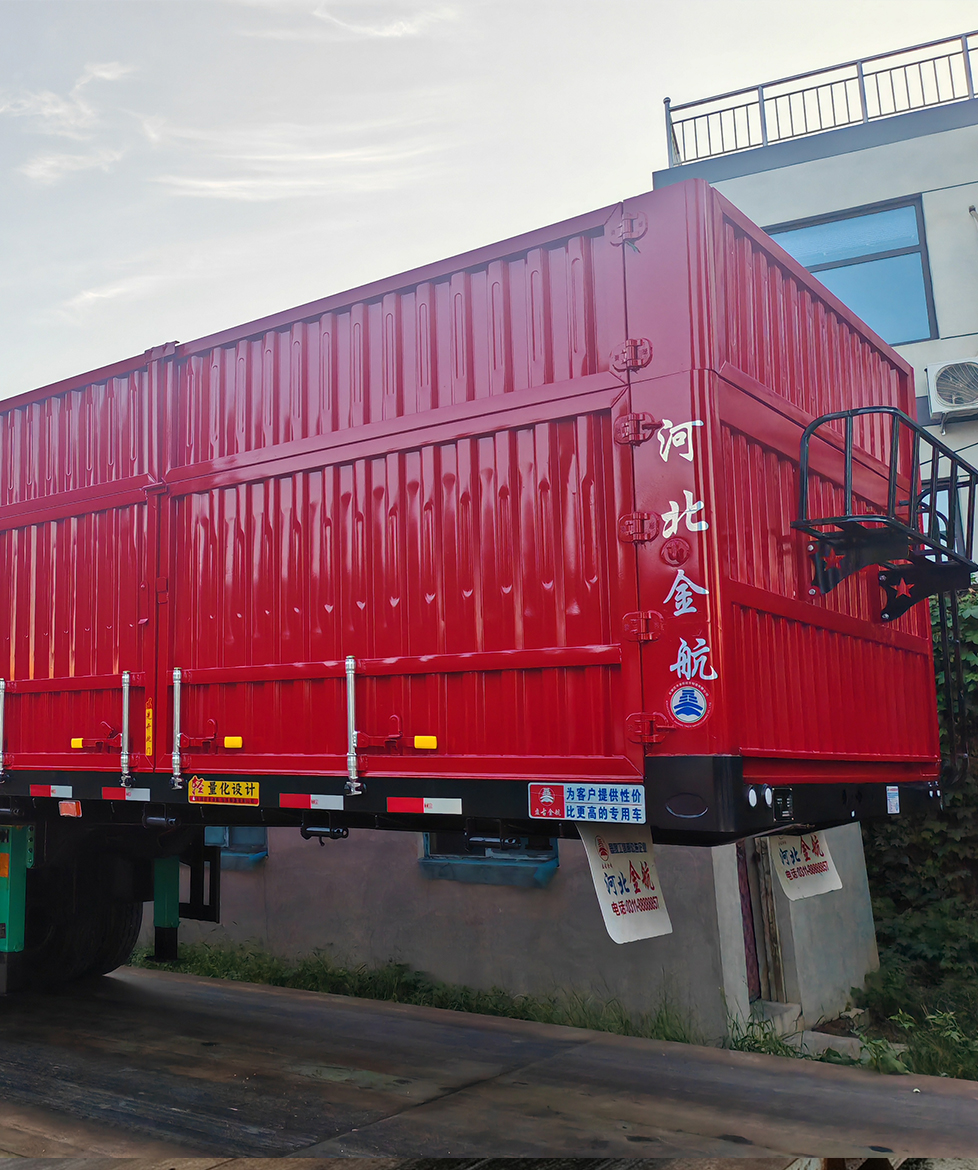
The 13-meter box transport semi-trailer is mainly used for general cargo transportation, suitable for agricultural products, general merchandise, industrial products, household appliances, packaged goods, and other items requiring a certain degree of transport protection. The enclosed cargo box reduces direct exposure of goods to rain, dust, and external environments, making it suitable for long-distance logistics, warehouse transfer, bulk distribution, and cross-regional transportation. For household appliances, industrial products, and goods with high outer packaging requirements, the box structure also minimizes external collisions and contamination during transit. However, whether the vehicle is suitable for a specific type of cargo still requires confirmation based on cargo dimensions, single-trip weight, packaging form, and loading/unloading methods. If transporting palletized cargo, customers should specify pallet specifications and forklift operation methods in advance; if transporting oversized equipment, the internal box space and loading/unloading clearance need to be confirmed. The 13-meter box transport semi-trailer is mainly used for general cargo transportation, suitable for agricultural products, general merchandise, industrial products, household appliances, packaged goods, and other items requiring a certain degree of transport protection. The enclosed cargo box reduces direct exposure of goods to rain, dust, and external environments, making it suitable for long-distance logistics, warehouse transfer, bulk distribution, and cross-regional transportation. For household appliances, industrial products, and goods with high outer packaging requirements, the box structure also minimizes external collisions and contamination during transit. However, whether the vehicle is suitable for a specific type of cargo still requires confirmation based on cargo dimensions, single-trip weight, packaging form, and loading/unloading methods. If transporting palletized cargo, customers should specify pallet specifications and forklift operation methods in advance; if transporting oversized equipment, the internal box space and loading/unloading clearance need to be confirmed. When purchasing a 13-meter box transport semi-trailer, it is recommended to provide cargo photos, dimensions, estimated payload, transport routes, and country of use to confirm a proper vehicle configuration. When purchasing a 13-meter box transport semi-trailer, it is recommended to provide cargo photos, dimensions, estimated payload, transport routes, and country of use to confirm a proper vehicle configuration.
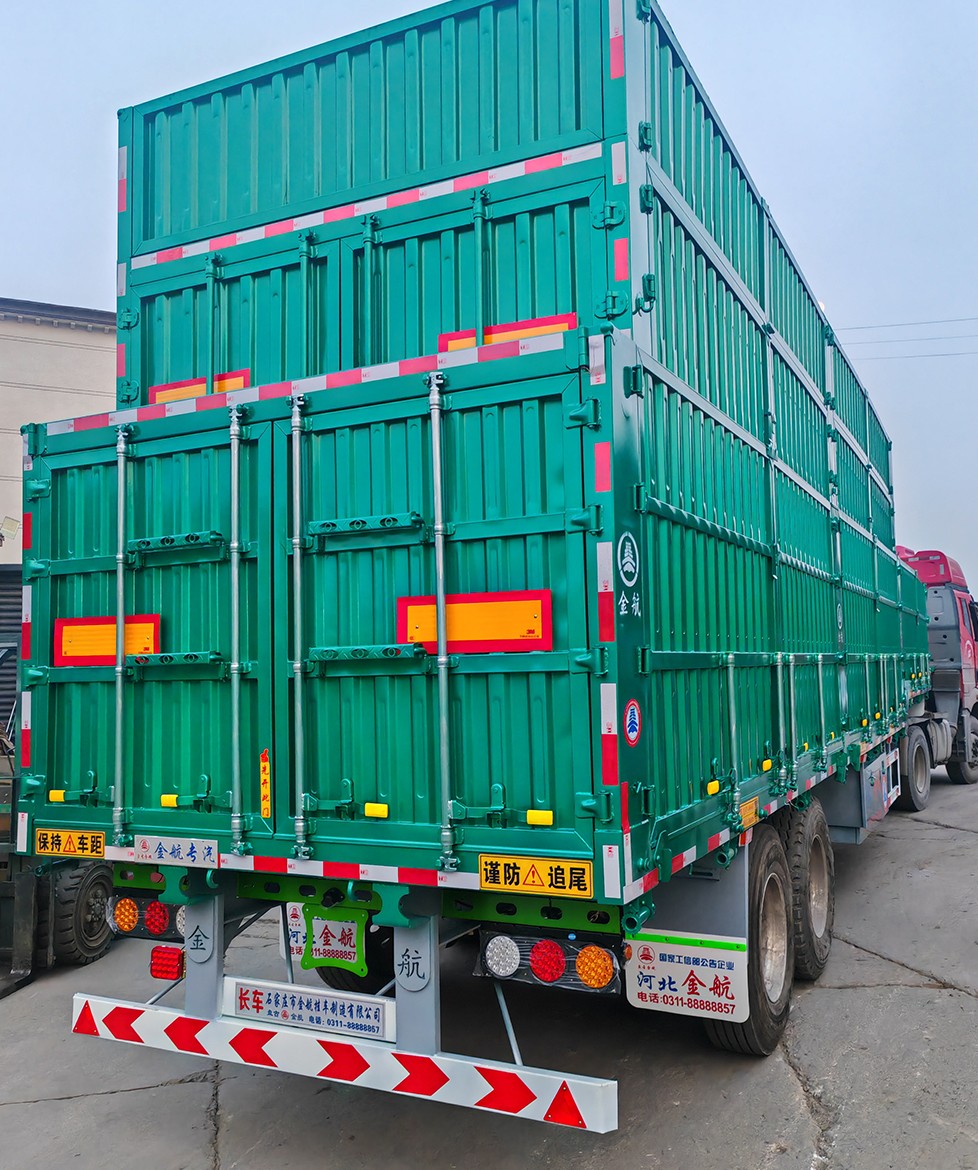
The loading efficiency of a 13-meter box semi-trailer mainly depends on whether the cargo dimensions, box cargo space, packaging methods, and loading and unloading processes are properly matched. Customers can first organize information regarding the length, width, height, unit weight, pallet specifications, and loading quantity per shipment of frequently transported cargo. Planning the cargo arrangement based on this information can reduce wasted space inside the cargo box and prevent goods from squeezing against each other or shifting during transit. If the vehicle mainly handles loading and unloading via warehouse docks, the rear door structure, dock height, and forklift operating conditions should be confirmed in advance. For customers requiring side loading and unloading, they should compare the differences between standard box trailers and wing-van trailers. During loading, efforts should be made to distribute weight evenly within the box, utilizing tie-down straps, dividers, or other securing methods according to cargo characteristics. After the vehicle is put into operation, establishing a loading checklist for frequently carried cargo will also help improve fleet dispatch efficiency. The loading efficiency of a 13-meter box semi-trailer mainly depends on whether the cargo dimensions, box cargo space, packaging methods, and loading and unloading processes are properly matched. Customers can first organize information regarding the length, width, height, unit weight, pallet specifications, and loading quantity per shipment of frequently transported cargo. Planning the cargo arrangement based on this information can reduce wasted space inside the cargo box and prevent goods from squeezing against each other or shifting during transit. If the vehicle mainly handles loading and unloading via warehouse docks, the rear door structure, dock height, and forklift operating conditions should be confirmed in advance. For customers requiring side loading and unloading, they should compare the differences between standard box trailers and wing-van trailers. During loading, efforts should be made to distribute weight evenly within the box, utilizing tie-down straps, dividers, or other securing methods according to cargo characteristics. After the vehicle is put into operation, establishing a loading checklist for frequently carried cargo will also help improve fleet dispatch efficiency. Jinhang Trailer can communicate and customize configurations of the cargo box and related accessories based on customers' cargo dimensions, loading/unloading equipment, and transport tasks. Jinhang Trailer can communicate and customize configurations of the cargo box and related accessories based on customers' cargo dimensions, loading/unloading equipment, and transport tasks.
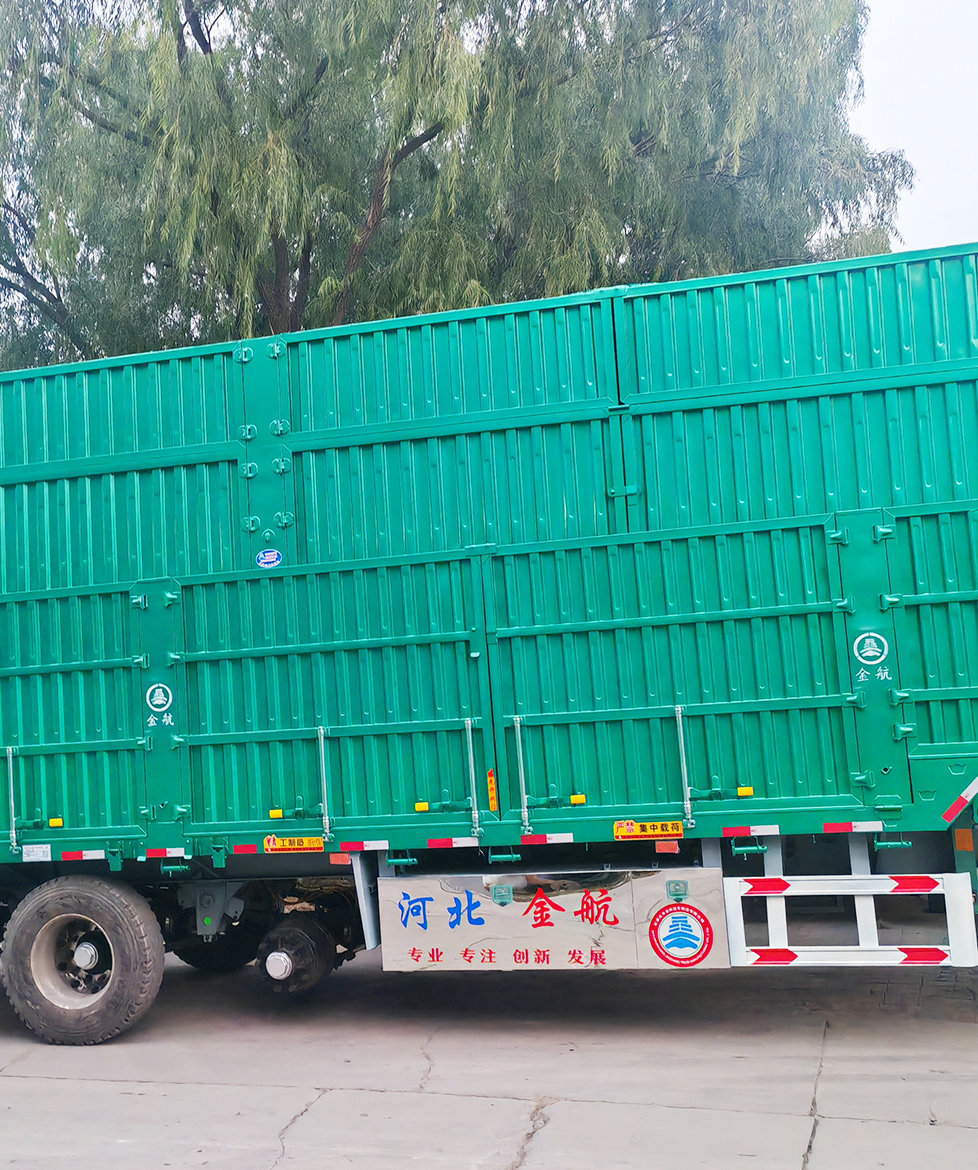
When exporting a 13-meter box transport semi-trailer, the country or region of operation must first be confirmed. Different markets may have different regulations regarding vehicle length, width, axle load, braking, lighting, tires, and safety markings. Customers should also specify the cargo being transported, expected payload, cargo dimensions, loading/unloading equipment, primary road conditions, tractor specifications, quantity required, destination port, and scheduled delivery time. If the vehicle is used for transporting agricultural produce, home appliances, or industrial products, it should also be specified whether the cargo requires moisture proofing, securing, partitioning, or other protection. In addition to basic vehicle configurations, customers can also confirm requirements in advance for body color, branding/logos, door types, locks, toolboxes, spare tire carriers, and basic spare parts. When exporting a 13-meter box transport semi-trailer, the country or region of operation must first be confirmed. Different markets may have different regulations regarding vehicle length, width, axle load, braking, lighting, tires, and safety markings. Customers should also specify the cargo being transported, expected payload, cargo dimensions, loading/unloading equipment, primary road conditions, tractor specifications, quantity required, destination port, and scheduled delivery time. If the vehicle is used for transporting agricultural produce, home appliances, or industrial products, it should also be specified whether the cargo requires moisture proofing, securing, partitioning, or other protection. In addition to basic vehicle configurations, customers can also confirm requirements in advance for body color, branding/logos, door types, locks, toolboxes, spare tire carriers, and basic spare parts. Comprehensive preliminary information helps confirm an appropriate technical solution before production, minimize subsequent modifications, and improve communication and delivery efficiency for bulk export projects. Comprehensive preliminary information helps confirm an appropriate technical solution before production, minimize subsequent modifications, and improve communication and delivery efficiency for bulk export projects.
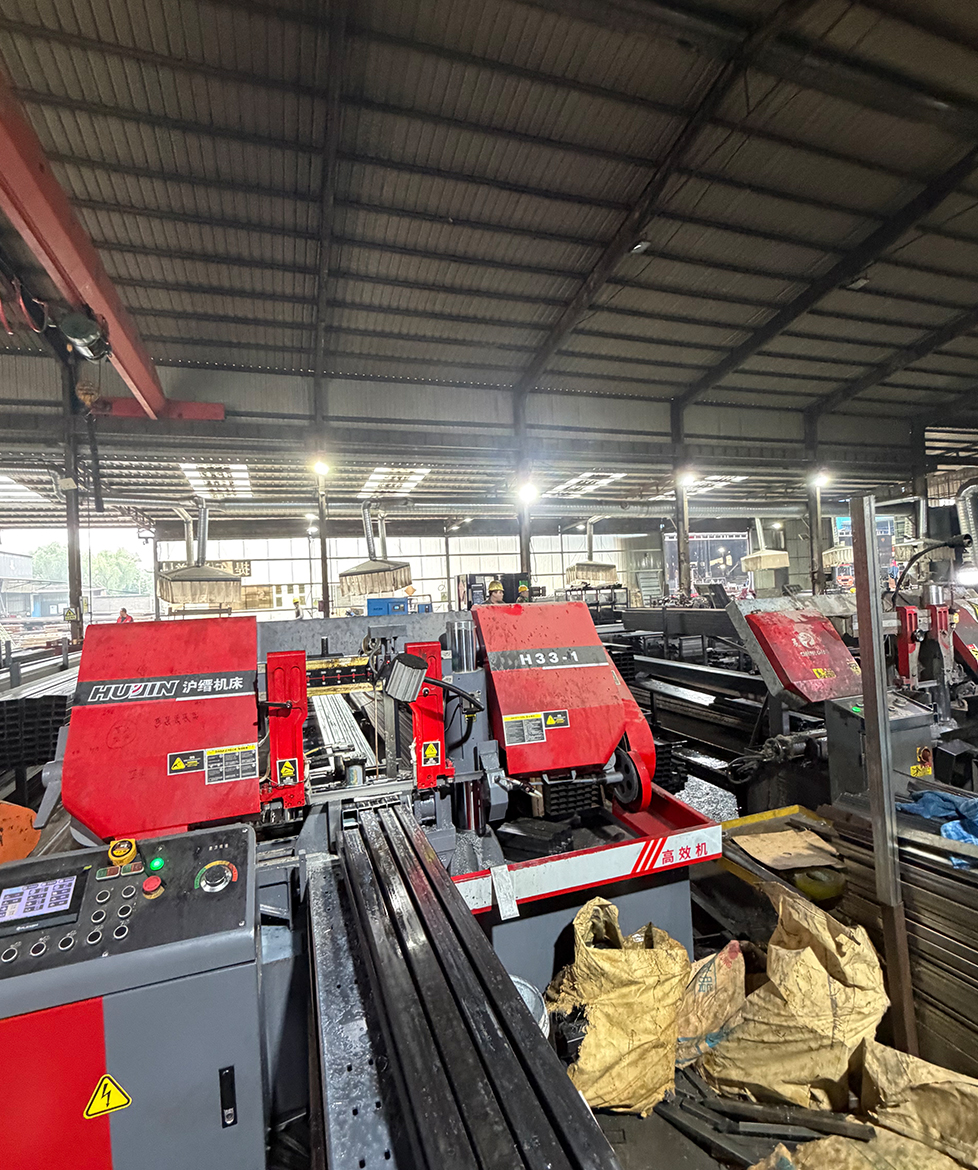
The JHT9400TJZ30 container semi-trailer can be equipped with either mechanical suspension or air suspension. Customers should make their choice based on road conditions, payload requirements, usage frequency, and maintenance practices. Mechanical suspension has a relatively straightforward structure, making it suitable for standard roads, construction transport, and operating scenarios requiring easy maintenance. Air suspension offers distinct advantages in ride smoothness, cargo protection, and specific transport conditions, but it places higher demands on the pneumatic system and routine maintenance. When choosing a suspension type, one should not look only at individual costs, but also make a comprehensive assessment considering transport routes, vehicle usage intensity, local service conditions, and tractor configurations. The JHT9400TJZ30 container semi-trailer can be equipped with either mechanical suspension or air suspension. Customers should make their choice based on road conditions, payload requirements, usage frequency, and maintenance practices. Mechanical suspension has a relatively straightforward structure, making it suitable for standard roads, construction transport, and operating scenarios requiring easy maintenance. Air suspension offers distinct advantages in ride smoothness, cargo protection, and specific transport conditions, but it places higher demands on the pneumatic system and routine maintenance. When choosing a suspension type, one should not look only at individual costs, but also make a comprehensive assessment considering transport routes, vehicle usage intensity, local service conditions, and tractor configurations. Jinhang Trailer can provide mechanical or air suspension solutions tailored to the customer's country of operation, road conditions, and fleet maintenance capabilities. Jinhang Trailer can provide mechanical or air suspension solutions tailored to the customer's country of operation, road conditions, and fleet maintenance capabilities.
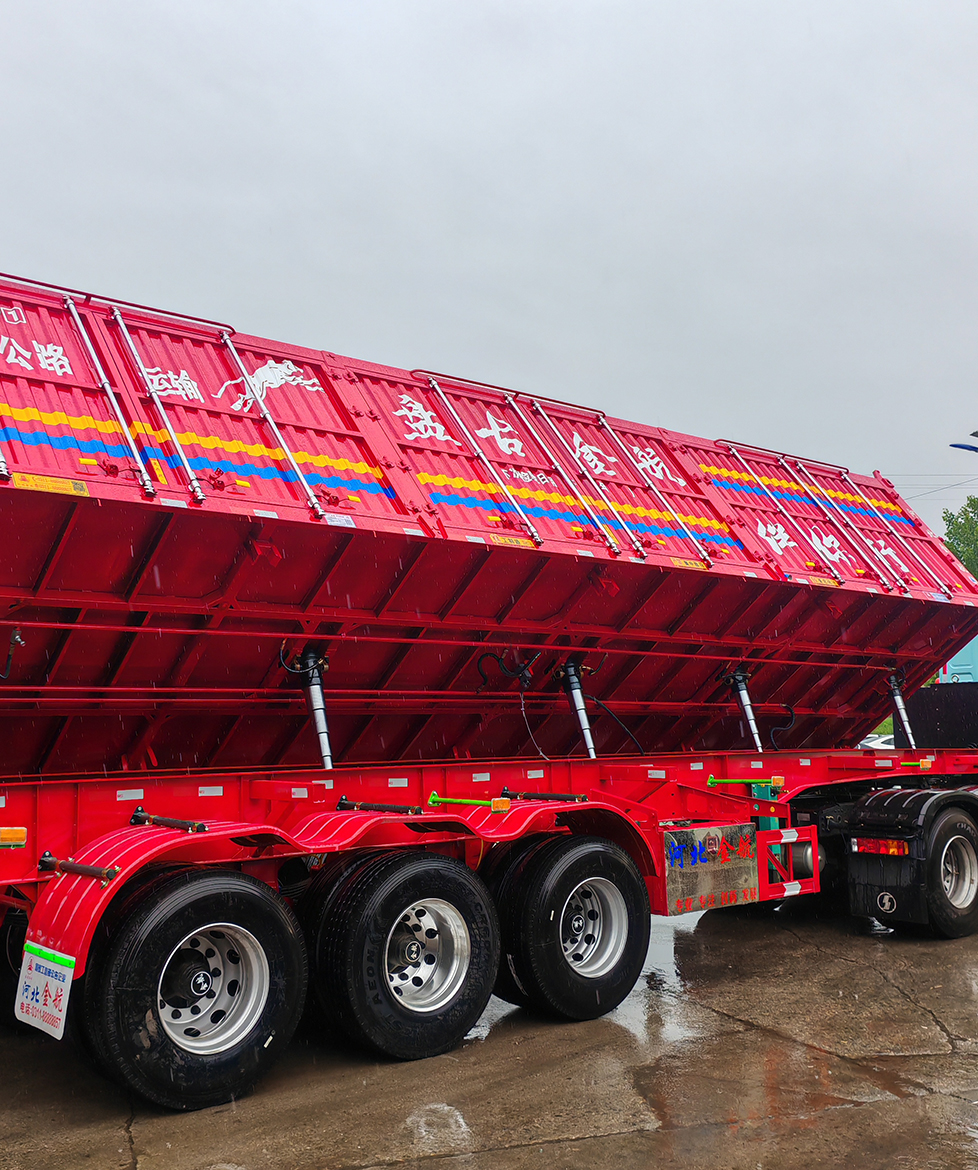
Before exporting the JHT9400TJZ30 container transport semi-trailer, the product length, container specifications, twist lock configuration, number of axles, suspension, braking, tires, and destination country requirements should be confirmed first. Customers also need to provide information on cargo transported, estimated payload, road conditions, port or logistics park operating conditions, tractor specifications, required quantity, destination port, and delivery time. For customers needing to transport construction materials, powdered minerals, bulk bags, recycled resource waste, or lump engineering materials, the internal container loading method, cargo weight, and loading/unloading equipment conditions should also be specified. Before exporting the JHT9400TJZ30 container transport semi-trailer, the product length, container specifications, twist lock configuration, number of axles, suspension, braking, tires, and destination country requirements should be confirmed first. Customers also need to provide information on cargo transported, estimated payload, road conditions, port or logistics park operating conditions, tractor specifications, required quantity, destination port, and delivery time. For customers needing to transport construction materials, powdered minerals, bulk bags, recycled resource waste, or lump engineering materials, the internal container loading method, cargo weight, and loading/unloading equipment conditions should also be specified. The more complete the information, the more conducive it is to confirming vehicle structure, lock accessories, and suspension configurations in advance, reducing subsequent adjustments. The more complete the information, the more conducive it is to confirming vehicle structure, lock accessories, and suspension configurations in advance, reducing subsequent adjustments.
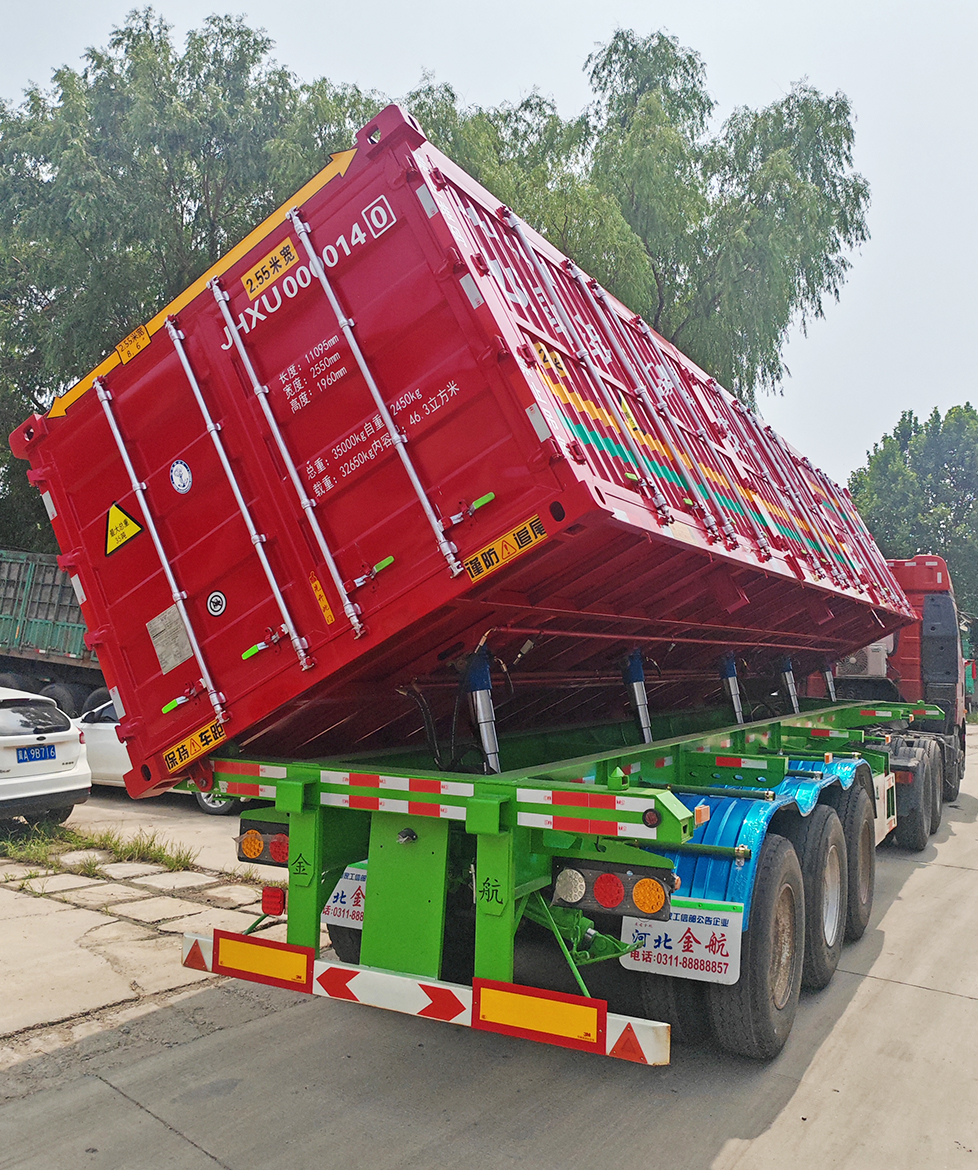
Locks are crucial components for securing containers on container semi-trailers. The position and quantity of locks must match the specifications of the containers planned for transport, rather than being selected solely based on the vehicle length. When purchasing the JHT9400TJZ30 container semi-trailer, customers should specify in advance the types and specifications of containers to be transported, as well as whether there is a need for mixed transport of various container types. In addition to locks, the configuration of relevant accessories can also be discussed based on project requirements, such as protective guards, toolboxes, spare tire carriers, mudguards, side guards, and other transport auxiliary components. Locks are crucial components for securing containers on container semi-trailers. The position and quantity of locks must match the specifications of the containers planned for transport, rather than being selected solely based on the vehicle length. When purchasing the JHT9400TJZ30 container semi-trailer, customers should specify in advance the types and specifications of containers to be transported, as well as whether there is a need for mixed transport of various container types. In addition to locks, the configuration of relevant accessories can also be discussed based on project requirements, such as protective guards, toolboxes, spare tire carriers, mudguards, side guards, and other transport auxiliary components. Different countries and transport routes may have different requirements for safety accessories, reflective markings, and vehicle appearance. Export orders should confirm the destination country and operating scenarios prior to production. Different countries and transport routes may have different requirements for safety accessories, reflective markings, and vehicle appearance. Export orders should confirm the destination country and operating scenarios prior to production.
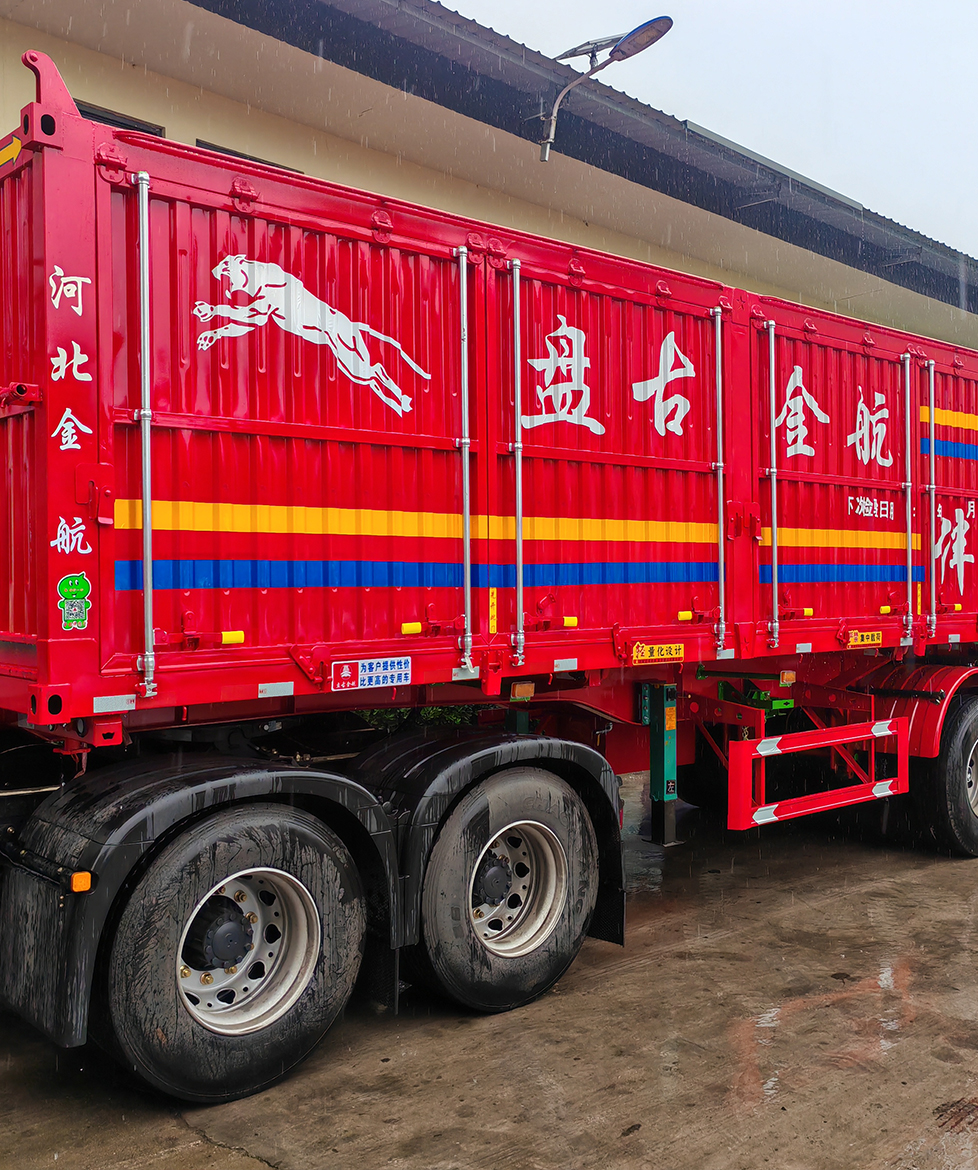
Logistics centers and container highway transport routes. Container transport typically requires frequent loading and unloading, depot access, and short- to long-haul transfers. The vehicle's axle count, axle load, tires, suspension, and braking system should be confirmed based on cargo weight, road conditions, and local transport regulations. This model can transport not only general containers, but also containers loaded with building materials, powdered minerals, ton bags, recyclable scrap materials, and bulk engineering materials. The actual payload and scope of use must be determined in combination with container specifications and local regulations. Logistics centers and container highway transport routes. Container transport typically requires frequent loading and unloading, depot access, and short- to long-haul transfers. The vehicle's axle count, axle load, tires, suspension, and braking system should be confirmed based on cargo weight, road conditions, and local transport regulations. This model can transport not only general containers, but also containers loaded with building materials, powdered minerals, ton bags, recyclable scrap materials, and bulk engineering materials. The actual payload and scope of use must be determined in combination with container specifications and local regulations. Before purchasing, customers should clarify transport routes, cargo weight, container specifications, and daily transport frequency to determine the appropriate configuration. Before purchasing, customers should clarify transport routes, cargo weight, container specifications, and daily transport frequency to determine the appropriate configuration.
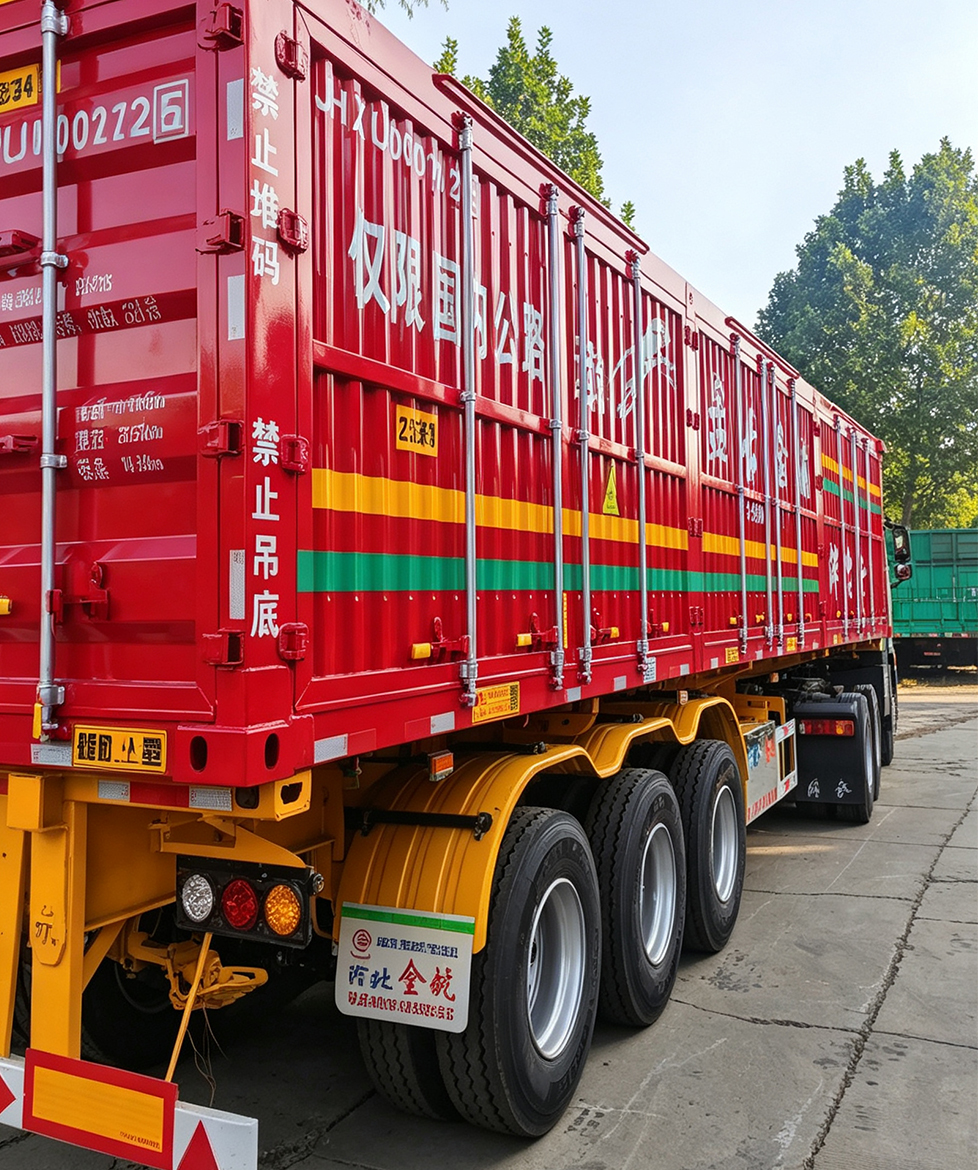
The JHT9400TJZ30 container semi-trailer is available in two lengths: 11 meters and 11.5 meters. Customers should make their selection based on container specifications, transport routes, turning conditions, tractor matching, and local regulations. The 11m model is ideal for transport scenarios with specific demands on vehicle length, site space, or turning maneuverability. The 11.5m model can be configured according to the customer's container loading arrangement and transport routes. The JHT9400TJZ30 container semi-trailer is available in two lengths: 11 meters and 11.5 meters. Customers should make their selection based on container specifications, transport routes, turning conditions, tractor matching, and local regulations. The 11m model is ideal for transport scenarios with specific demands on vehicle length, site space, or turning maneuverability. The 11.5m model can be configured according to the customer's container loading arrangement and transport routes. Before finalizing the length, it is recommended that customers provide the planned container types, country of use, major routes, loading and unloading locations, and tractor specifications. The vehicle length cannot be determined independently of container twist lock positions and local overall dimension limits. Jinhang Trailer can assist in evaluating the 11m or 11.5m model options based on the customer's transport tasks. Before finalizing the length, it is recommended that customers provide the planned container types, country of use, major routes, loading and unloading locations, and tractor specifications. The vehicle length cannot be determined independently of container twist lock positions and local overall dimension limits. Jinhang Trailer can assist in evaluating the 11m or 11.5m model options based on the customer's transport tasks.
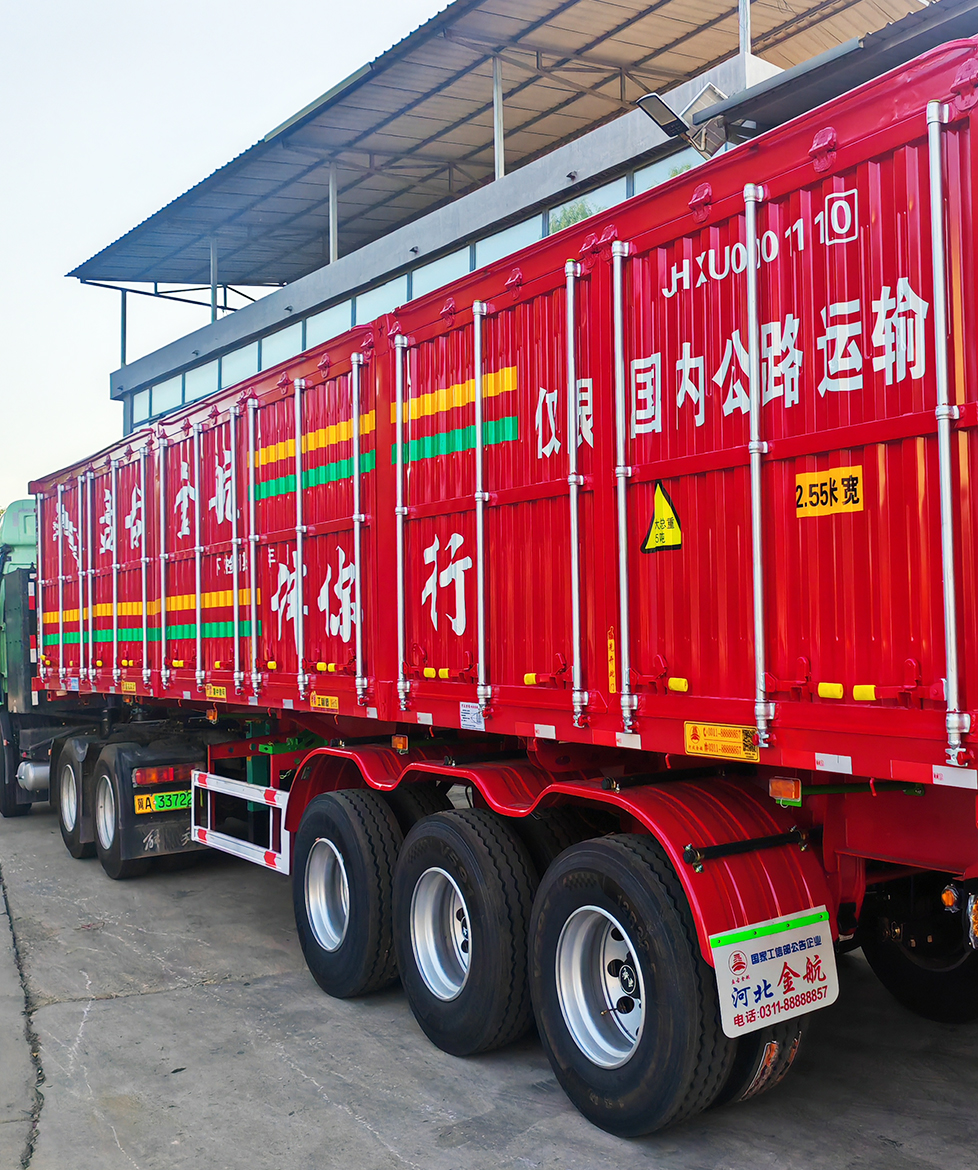
The JHT9400TJZ30 container semi-trailer is available in two lengths: 11 meters and 11.5 meters. Customers should choose based on container specifications, transport routes, turning conditions, tractor matching, and local regulations. The 11-meter model is suitable for transport scenarios with specific requirements for vehicle length, site space, or turning flexibility. The 11.5-meter model can be configured according to the customer's container loading arrangements and transport routes. The JHT9400TJZ30 container semi-trailer is available in two lengths: 11 meters and 11.5 meters. Customers should choose based on container specifications, transport routes, turning conditions, tractor matching, and local regulations. The 11-meter model is suitable for transport scenarios with specific requirements for vehicle length, site space, or turning flexibility. The 11.5-meter model can be configured according to the customer's container loading arrangements and transport routes. Before determining the length, customers are advised to provide the planned container types, country of use, main routes, loading and unloading locations, and tractor specifications. Vehicle length cannot be determined independently of container twist lock positions and local overall dimension limits. Jinhang Trailer can assist in discussing 11-meter or 11.5-meter configuration solutions based on customer transport tasks. Before determining the length, customers are advised to provide the planned container types, country of use, main routes, loading and unloading locations, and tractor specifications. Vehicle length cannot be determined independently of container twist lock positions and local overall dimension limits. Jinhang Trailer can assist in discussing 11-meter or 11.5-meter configuration solutions based on customer transport tasks.
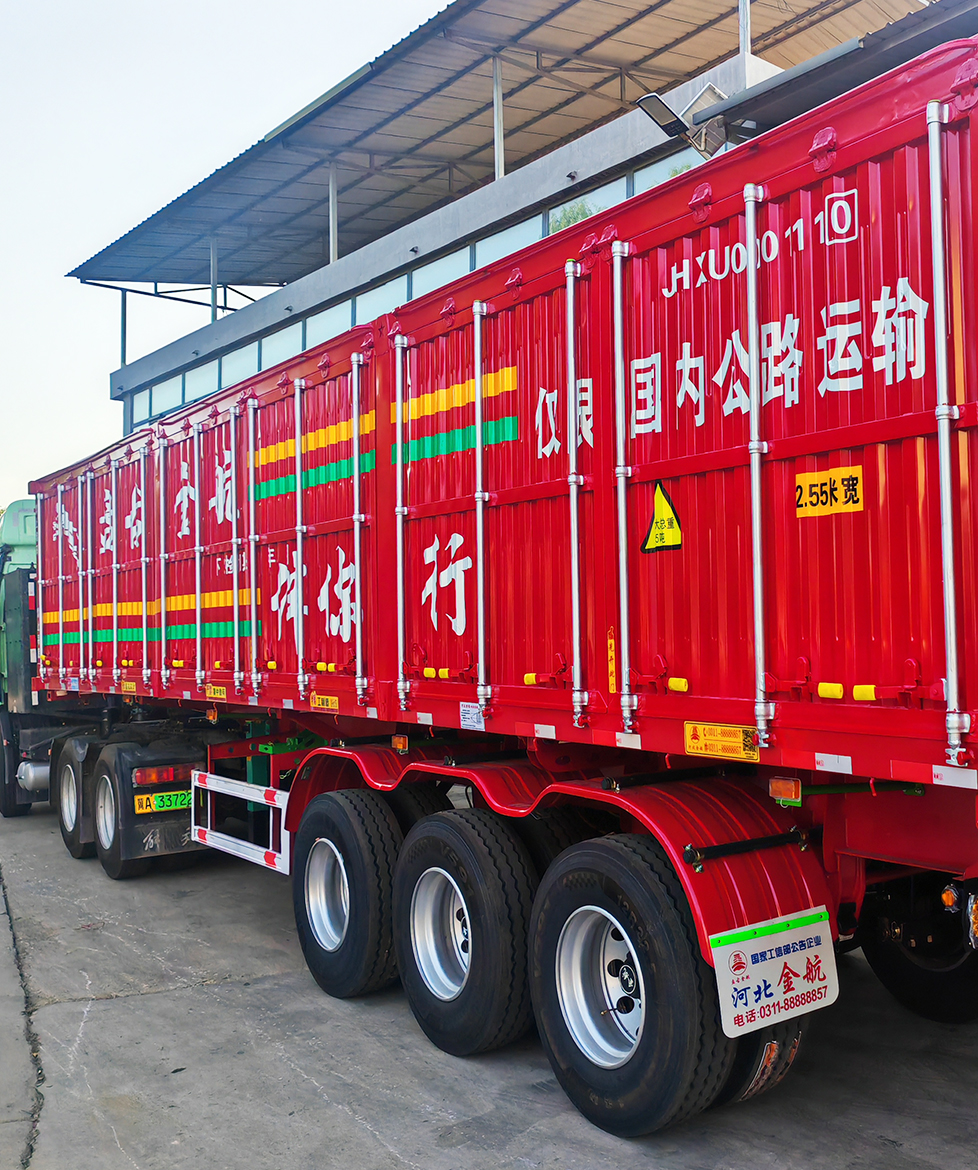
The JHT9400TJZ30 container semi-trailer features a 3-axle structure, suitable for ports, logistics parks, warehousing centers, and container highway transport routes. Container transport often requires frequent loading and unloading, depot entry and exit, and both long- and short-haul transshipment. The vehicle's axle count, axle load, tires, suspension, and braking systems should be confirmed based on cargo weight, road conditions, and local transport regulations. This model can transport not only general containers but also serve containerized transport carrying building materials, powdered minerals, jumbo bags, recycled resource waste, and bulk engineering materials. The actual payload capacity and operating scope must be determined in accordance with container specifications and local regulations. The JHT9400TJZ30 container semi-trailer features a 3-axle structure, suitable for ports, logistics parks, warehousing centers, and container highway transport routes. Container transport often requires frequent loading and unloading, depot entry and exit, and both long- and short-haul transshipment. The vehicle's axle count, axle load, tires, suspension, and braking systems should be confirmed based on cargo weight, road conditions, and local transport regulations. This model can transport not only general containers but also serve containerized transport carrying building materials, powdered minerals, jumbo bags, recycled resource waste, and bulk engineering materials. The actual payload capacity and operating scope must be determined in accordance with container specifications and local regulations. Before purchasing, customers should clarify transport routes, cargo weight, container specifications, and daily transport frequency to determine the appropriate configuration. Before purchasing, customers should clarify transport routes, cargo weight, container specifications, and daily transport frequency to determine the appropriate configuration.
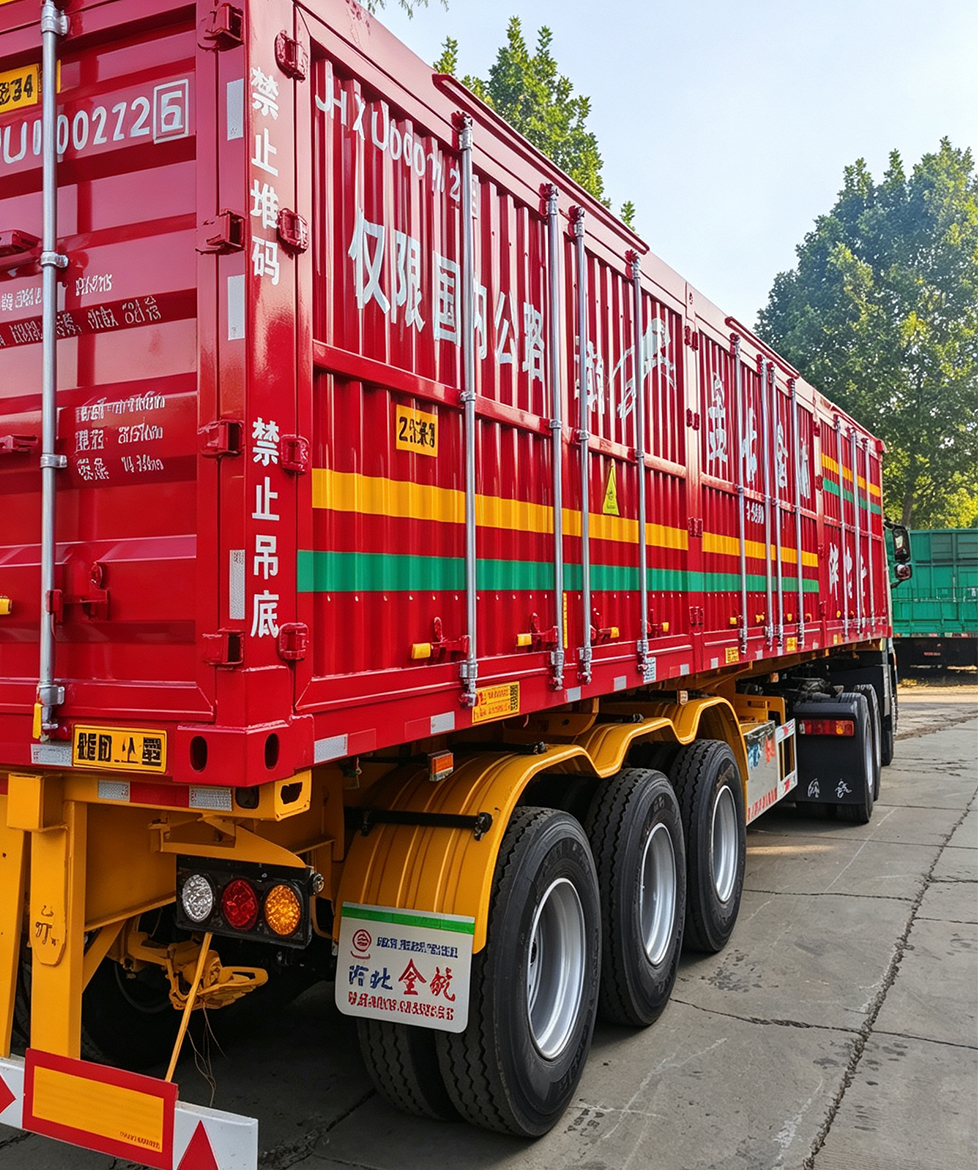
Locks are crucial components for securing containers on container semi-trailers. The position and quantity of locks must match the specifications of the containers planned for transport, rather than being selected solely based on vehicle length. When purchasing the JHT9400TJZ30 container semi-trailer, customers should specify in advance the types and specifications of containers to be transported, as well as whether there is a need for mixed transport of multiple container types. In addition to locks, relevant accessory configurations can also be discussed based on project requirements, such as protective guards, toolboxes, spare tire carriers, mudguards, side guards, and other transport auxiliary components. Locks are crucial components for securing containers on container semi-trailers. The position and quantity of locks must match the specifications of the containers planned for transport, rather than being selected solely based on vehicle length. When purchasing the JHT9400TJZ30 container semi-trailer, customers should specify in advance the types and specifications of containers to be transported, as well as whether there is a need for mixed transport of multiple container types. In addition to locks, relevant accessory configurations can also be discussed based on project requirements, such as protective guards, toolboxes, spare tire carriers, mudguards, side guards, and other transport auxiliary components. Different countries and transport routes may have different requirements for safety accessories, reflective markings, and vehicle appearance. Destination countries and operating scenarios should be confirmed prior to production for export orders. Different countries and transport routes may have different requirements for safety accessories, reflective markings, and vehicle appearance. Destination countries and operating scenarios should be confirmed prior to production for export orders.
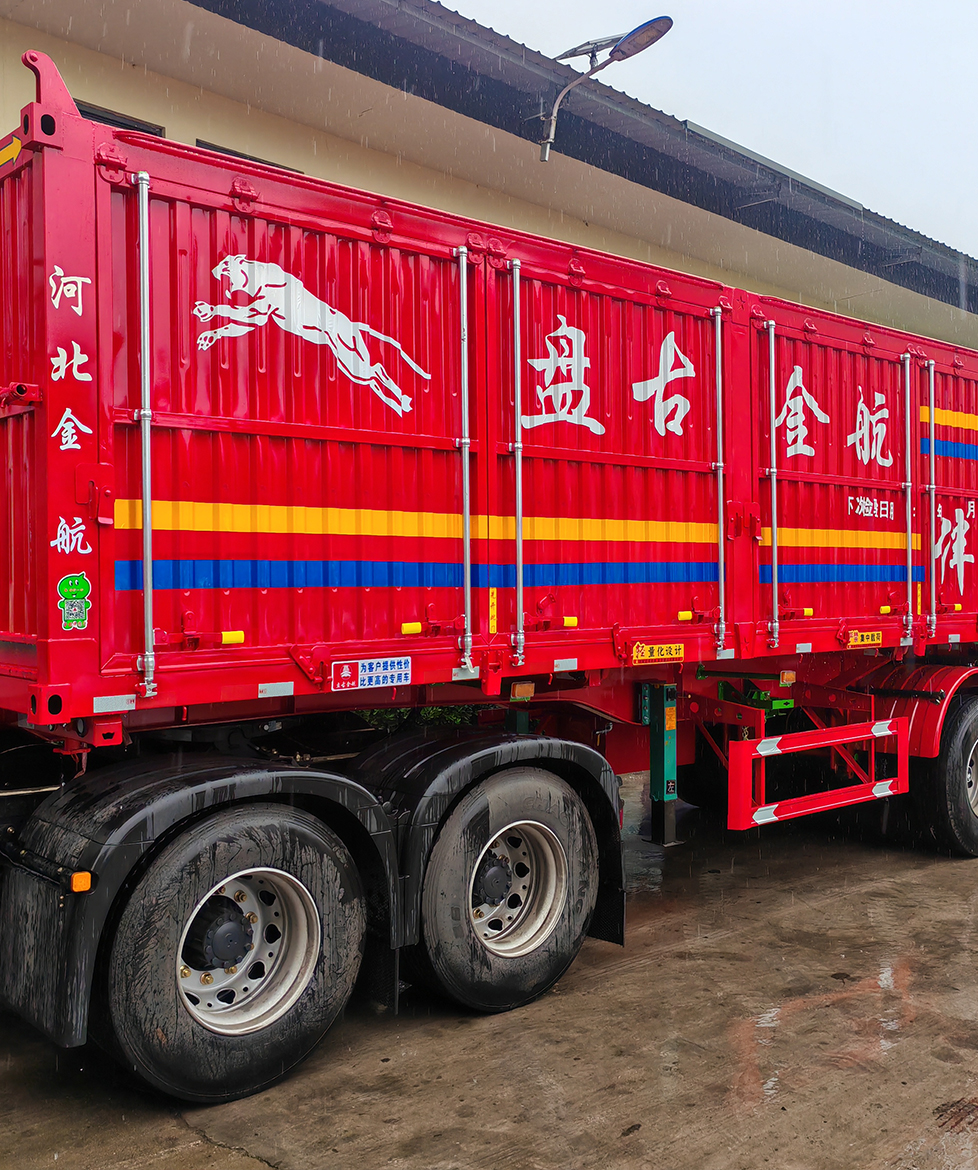
The JHT9400TJZ30 container transport semi-trailer offers optional mechanical suspension or air suspension. Customers should make their choice based on road conditions, payload requirements, frequency of use, and maintenance habits. Mechanical suspension features a relatively straightforward structure, making it suitable for certain standard roads, construction transport, and applications requiring easy maintenance. Air suspension offers distinct advantages in ride smoothness, cargo protection, and specific transport conditions, but it places higher demands on the pneumatic system and routine maintenance. When choosing a suspension type, decisions should not be based solely on initial cost, but should also comprehensively consider the transport route, vehicle operating intensity, local maintenance conditions, and tractor configuration. The JHT9400TJZ30 container transport semi-trailer offers optional mechanical suspension or air suspension. Customers should make their choice based on road conditions, payload requirements, frequency of use, and maintenance habits. Mechanical suspension features a relatively straightforward structure, making it suitable for certain standard roads, construction transport, and applications requiring easy maintenance. Air suspension offers distinct advantages in ride smoothness, cargo protection, and specific transport conditions, but it places higher demands on the pneumatic system and routine maintenance. When choosing a suspension type, decisions should not be based solely on initial cost, but should also comprehensively consider the transport route, vehicle operating intensity, local maintenance conditions, and tractor configuration. Jinhang Trailer can provide tailored mechanical suspension or air suspension solutions based on the customer's country of operation, road conditions, and fleet maintenance capabilities. Jinhang Trailer can provide tailored mechanical suspension or air suspension solutions based on the customer's country of operation, road conditions, and fleet maintenance capabilities.
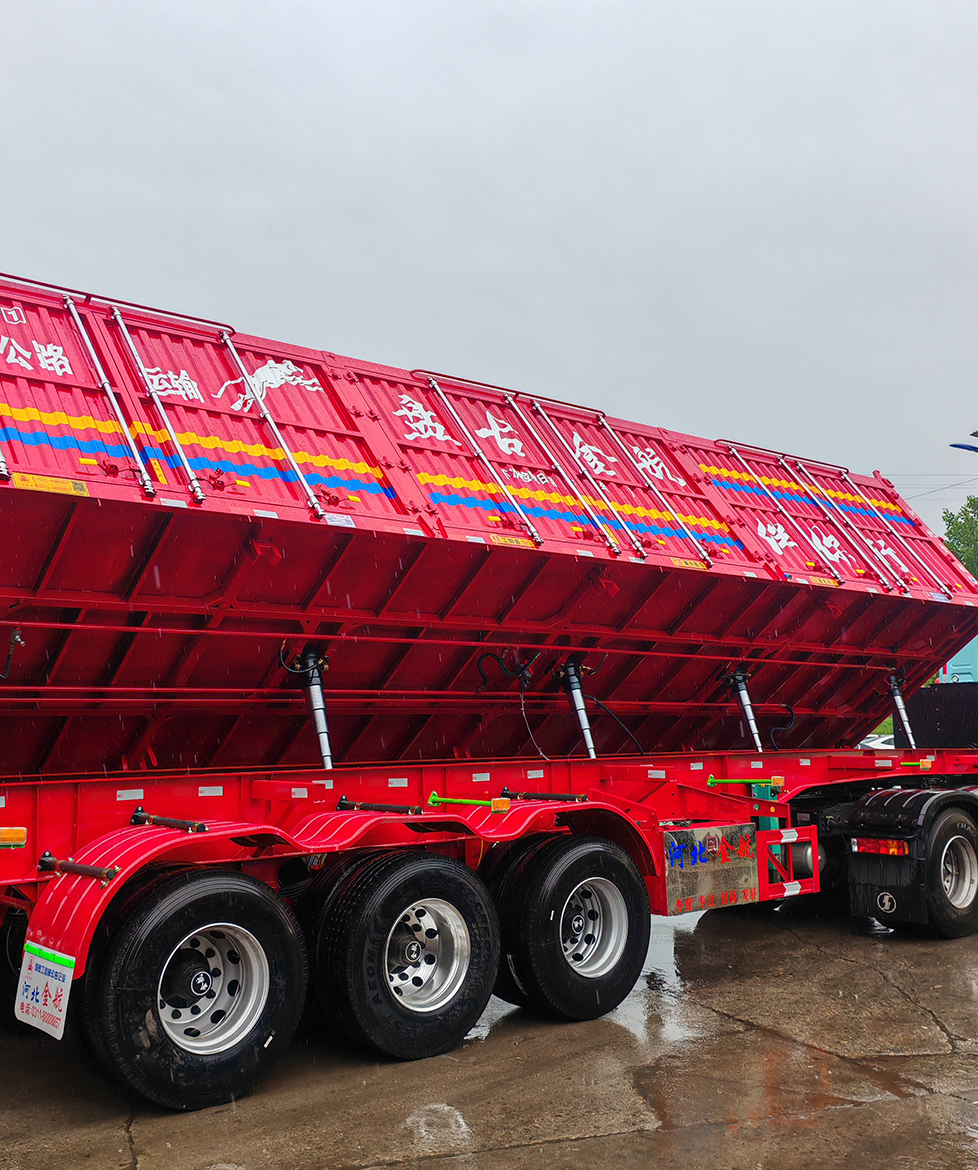
Before exporting the JHT9400TJZ30 container chassis semi-trailer, product length, container specifications, twist lock configuration, number of axles, suspension, brakes, tires, and destination country requirements should be confirmed first. Customers also need to provide information on cargo to be transported, estimated payload, operating road conditions, port or logistics park operating conditions, tractor unit details, required quantity, destination port, and delivery schedule. For customers who need to transport building materials, powdered minerals, bulk bags (FIBC), recyclable waste, or lump engineering materials, internal container loading methods, cargo weight, and loading/unloading equipment conditions should also be specified. Before exporting the JHT9400TJZ30 container chassis semi-trailer, product length, container specifications, twist lock configuration, number of axles, suspension, brakes, tires, and destination country requirements should be confirmed first. Customers also need to provide information on cargo to be transported, estimated payload, operating road conditions, port or logistics park operating conditions, tractor unit details, required quantity, destination port, and delivery schedule. For customers who need to transport building materials, powdered minerals, bulk bags (FIBC), recyclable waste, or lump engineering materials, internal container loading methods, cargo weight, and loading/unloading equipment conditions should also be specified. The more complete the information provided, the more favorable it is to confirm the vehicle structure, lock accessories, and suspension configurations in advance, minimizing subsequent modifications. The more complete the information provided, the more favorable it is to confirm the vehicle structure, lock accessories, and suspension configurations in advance, minimizing subsequent modifications.
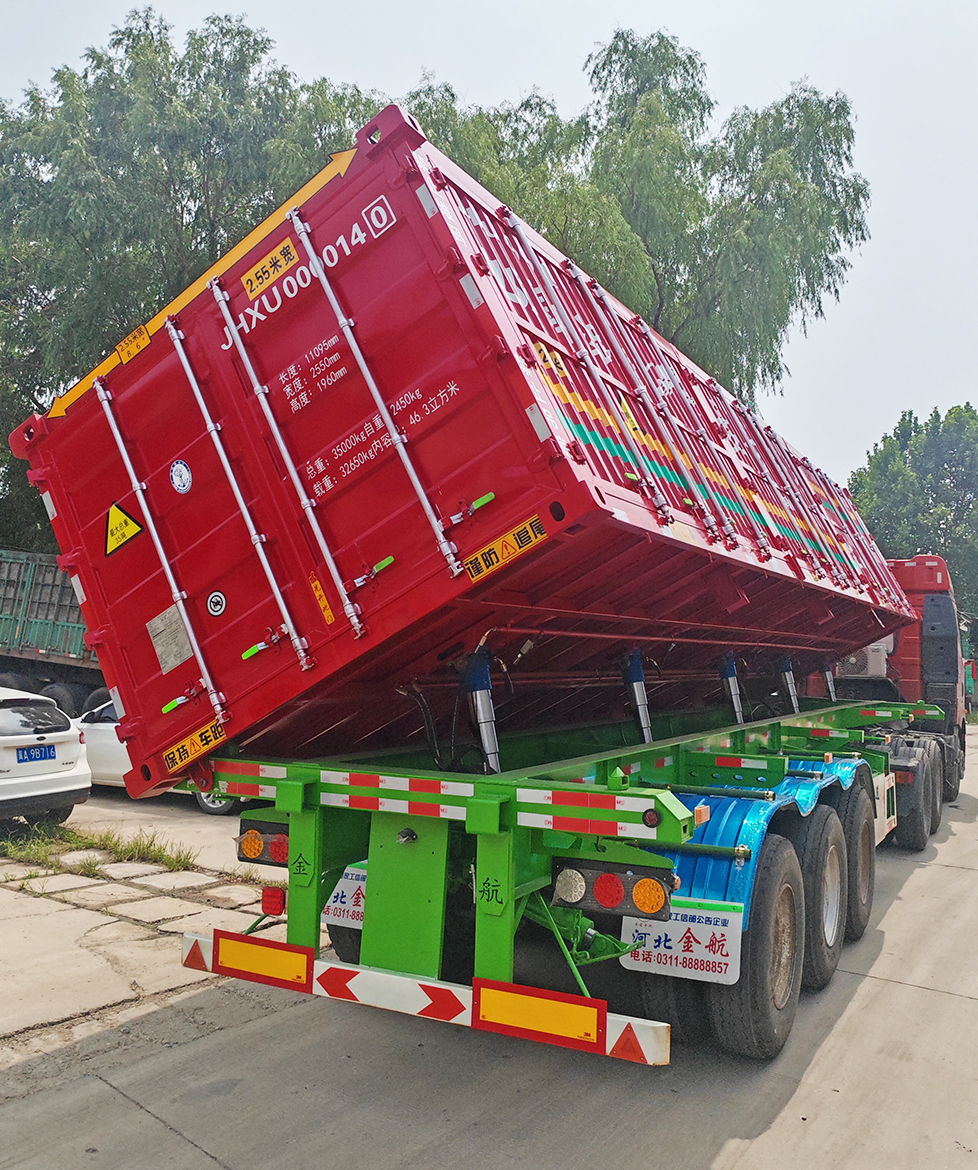
The JHT9401ZHX dump semi-trailer features a 10.4-meter rear dump structure, making it ideal for customers who need to transport and quickly unload bulk materials. Common transported cargo includes sand, gravel, earthwork, coal, ore, and other bulk engineering materials. When choosing a 10.4m rear dump semi-trailer, customers should not only focus on vehicle length, but also consider factors such as cargo density, single-trip payload, road conditions, loading equipment, and dumping sites. The vehicle length directly impacts cargo box volume, turning convenience, loading methods, and compliance with local road regulations. For customers requiring larger cargo space, fixed transport routes, and well-defined dumping sites, the 10.4-meter rear dump semi-trailer is a recommended primary option. For projects involving narrow roads, frequent turns, or site restrictions, further verification is necessary to ensure the vehicle dimensions match actual operating conditions. The JHT9401ZHX dump semi-trailer features a 10.4-meter rear dump structure, making it ideal for customers who need to transport and quickly unload bulk materials. Common transported cargo includes sand, gravel, earthwork, coal, ore, and other bulk engineering materials. When choosing a 10.4m rear dump semi-trailer, customers should not only focus on vehicle length, but also consider factors such as cargo density, single-trip payload, road conditions, loading equipment, and dumping sites. The vehicle length directly impacts cargo box volume, turning convenience, loading methods, and compliance with local road regulations. For customers requiring larger cargo space, fixed transport routes, and well-defined dumping sites, the 10.4-meter rear dump semi-trailer is a recommended primary option. For projects involving narrow roads, frequent turns, or site restrictions, further verification is necessary to ensure the vehicle dimensions match actual operating conditions. When inquiring, customers are advised to provide the cargo type, estimated payload, operating road conditions, dumping site conditions, tractor specifications, destination country, and required quantity. Jinhang Trailer can recommend suitable product configurations accordingly. When inquiring, customers are advised to provide the cargo type, estimated payload, operating road conditions, dumping site conditions, tractor specifications, destination country, and required quantity. Jinhang Trailer can recommend suitable product configurations accordingly.
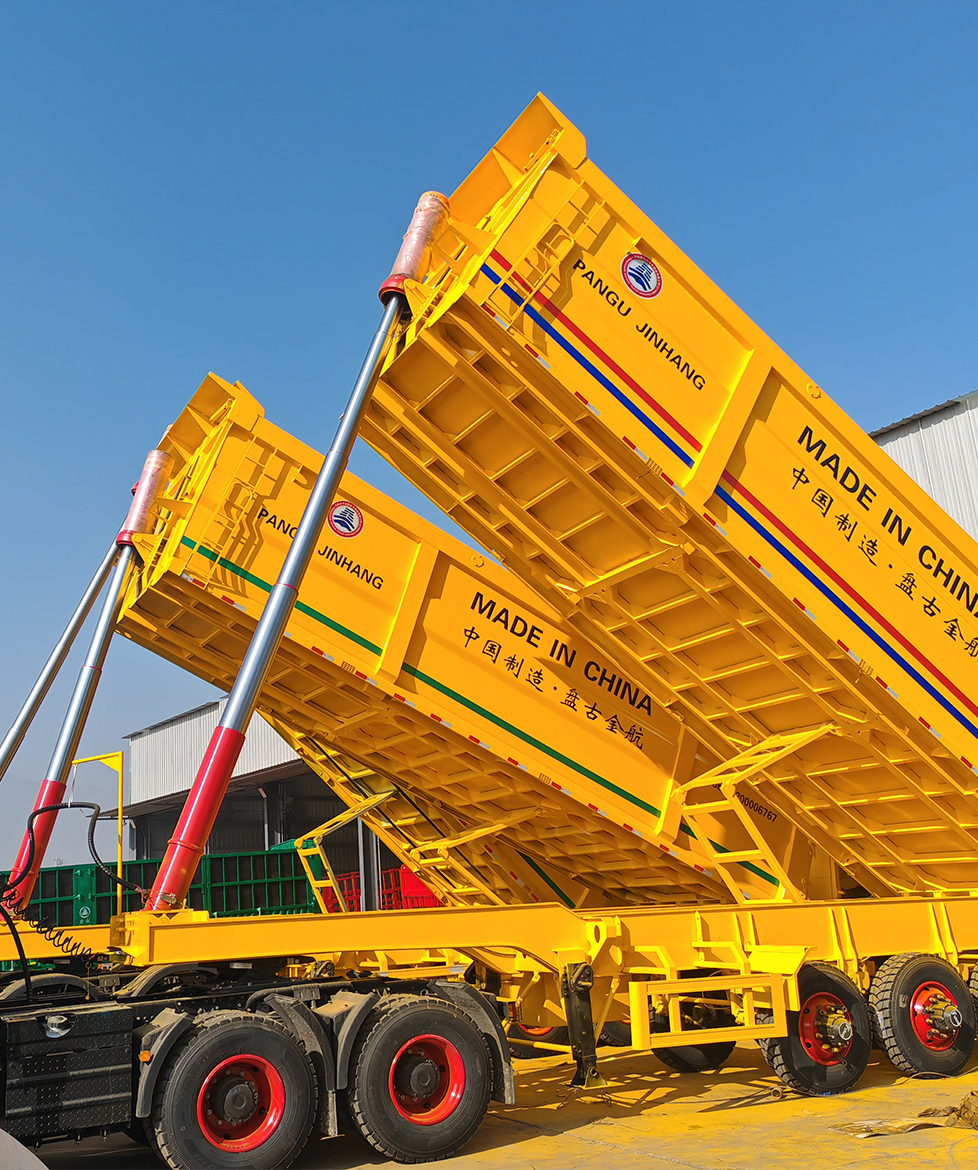
Both 9.5-meter and 10.4-meter rear dump semi-trailers can be used for bulk material transportation, but they are suited for slightly different transport tasks. When making a choice, customers should base their decision on cargo, road conditions, loading and unloading methods, and regulatory requirements, rather than simply assuming that a longer body is always better. The 10.4-meter model may be more suitable for transport demands requiring larger loading volume in terms of cargo box space and loading arrangement. However, increased cargo box volume does not mean cargo weight can be increased indefinitely; actual loading must still comply with local road regulations, axle load requirements, and tractor matching conditions. The 9.5-meter model may be easier to operate in scenarios with narrower roads, frequent turns at job sites, or restricted travel routes. The 10.4-meter model requires customers to further verify the driving route, loading equipment, unloading site, and local vehicle length limits. Both 9.5-meter and 10.4-meter rear dump semi-trailers can be used for bulk material transportation, but they are suited for slightly different transport tasks. When making a choice, customers should base their decision on cargo, road conditions, loading and unloading methods, and regulatory requirements, rather than simply assuming that a longer body is always better. The 10.4-meter model may be more suitable for transport demands requiring larger loading volume in terms of cargo box space and loading arrangement. However, increased cargo box volume does not mean cargo weight can be increased indefinitely; actual loading must still comply with local road regulations, axle load requirements, and tractor matching conditions. The 9.5-meter model may be easier to operate in scenarios with narrower roads, frequent turns at job sites, or restricted travel routes. The 10.4-meter model requires customers to further verify the driving route, loading equipment, unloading site, and local vehicle length limits. The right approach is to first clarify the transportation tasks, and then determine the vehicle model and technical solutions. Jinhang Trailer can assist customers in comparing configurations of rear dump semi-trailers of different lengths. The right approach is to first clarify the transportation tasks, and then determine the vehicle model and technical solutions. Jinhang Trailer can assist customers in comparing configurations of rear dump semi-trailers of different lengths.
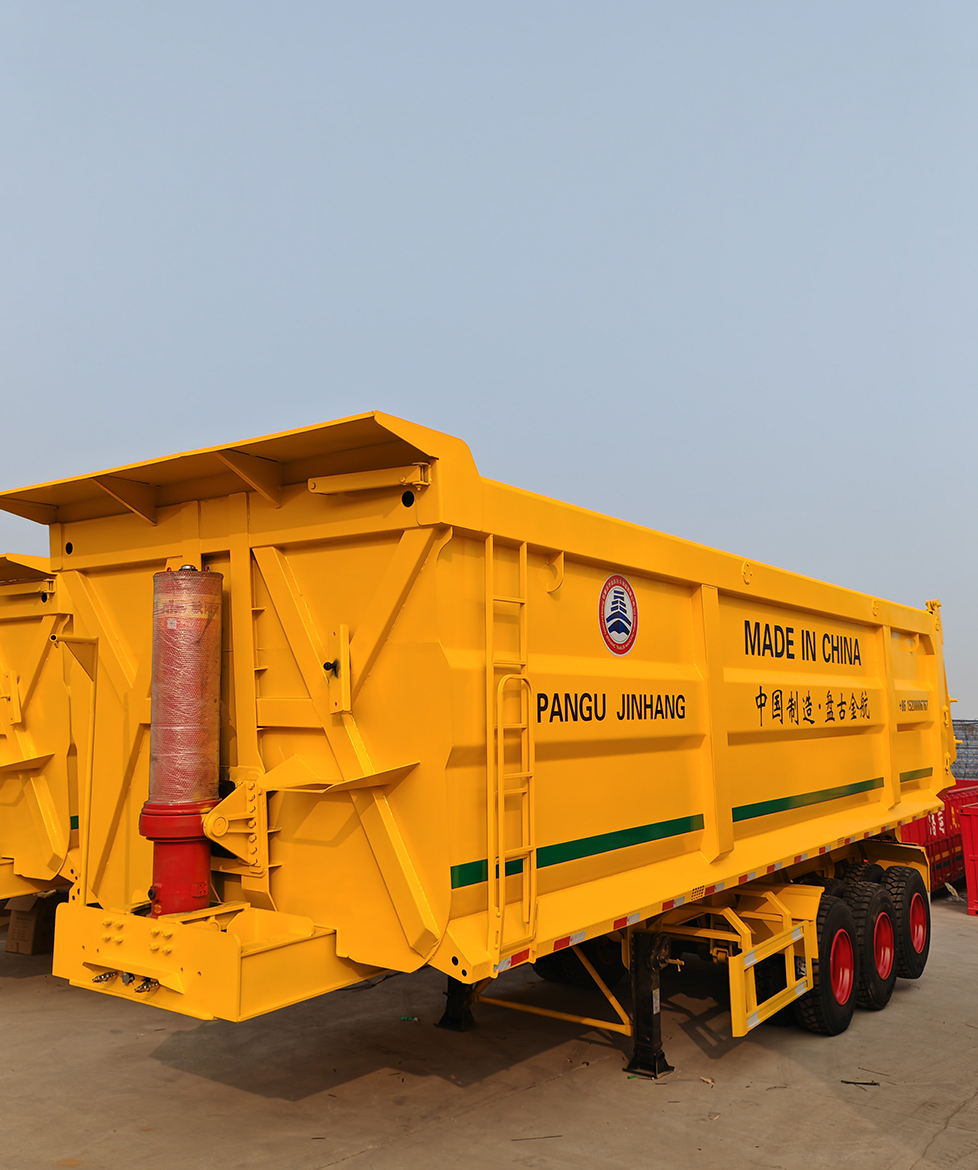
The hydraulic lifting system is an essential component for unloading a rear dump semi-trailer. After the vehicle is loaded with bulk materials, the body needs to be lifted backward via the lifting system so that the cargo can be unloaded from the rear. Whether the hydraulic system is suitable for actual operating conditions directly affects unloading efficiency and daily operating experience. When purchasing the 10.4-meter JHT9401ZHX rear dump semi-trailer, customers should specify in advance the transport cargo, payload weight, unloading frequency, unloading site conditions, and road conditions. Different cargo items have different flowability. Dry sand, gravel, and granular materials may behave differently during the unloading process compared to moist, highly viscous, or easily clumping materials. Vehicle configuration and daily operations should take cargo condition into account to prevent unloading difficulties caused by cargo sticking, uneven loading, or uneven ground. In addition to the hydraulic system, connection points between the body and chassis, vehicle stability during lifting, unloading site conditions, and driver operating standards are equally critical. Customers should conduct routine inspections according to vehicle operating requirements, and perform timely maintenance if leakage, abnormal noise, unsmooth lifting, or other anomalies are detected. The hydraulic lifting system is an essential component for unloading a rear dump semi-trailer. After the vehicle is loaded with bulk materials, the body needs to be lifted backward via the lifting system so that the cargo can be unloaded from the rear. Whether the hydraulic system is suitable for actual operating conditions directly affects unloading efficiency and daily operating experience. When purchasing the 10.4-meter JHT9401ZHX rear dump semi-trailer, customers should specify in advance the transport cargo, payload weight, unloading frequency, unloading site conditions, and road conditions. Different cargo items have different flowability. Dry sand, gravel, and granular materials may behave differently during the unloading process compared to moist, highly viscous, or easily clumping materials. Vehicle configuration and daily operations should take cargo condition into account to prevent unloading difficulties caused by cargo sticking, uneven loading, or uneven ground. In addition to the hydraulic system, connection points between the body and chassis, vehicle stability during lifting, unloading site conditions, and driver operating standards are equally critical. Customers should conduct routine inspections according to vehicle operating requirements, and perform timely maintenance if leakage, abnormal noise, unsmooth lifting, or other anomalies are detected. Jinhang Trailer can provide suitable rear dump system configurations and maintenance recommendations based on the cargo and working conditions confirmed by customers. Jinhang Trailer can provide suitable rear dump system configurations and maintenance recommendations based on the cargo and working conditions confirmed by customers.
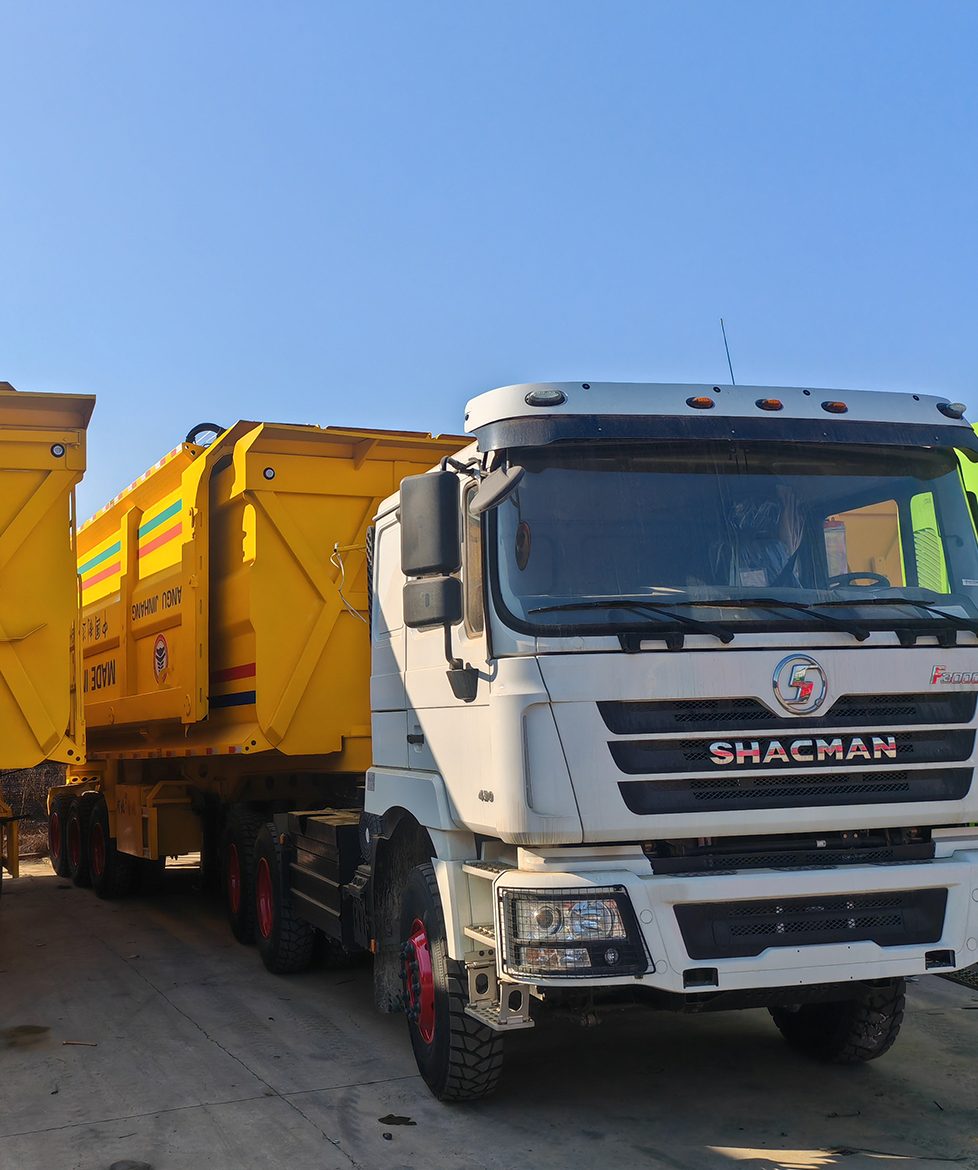
The safe operation of rear dump semi-trailers relies heavily on standardized loading and unloading management. While the vehicle's own configuration is critical, factors such as even cargo distribution, suitable unloading sites, and whether drivers follow required operating procedures equally affect vehicle stability and service life. During loading, cargo should be distributed as evenly as possible throughout the trailer bed, avoiding significant bias toward one side or localized concentration. For bulk materials, high-moisture goods, or materials prone to sticking, close attention should be paid to the loading method and unloading state to prevent anomalies during lifting. Before unloading, confirm that the ground is level and solid, and ensure sufficient clearance space is reserved at the rear. Dumping operations should not be performed on surfaces that are noticeably sloped, soft, uneven, or in confined areas. Prior to operation, also verify that there are no personnel, vehicles, obstacles, or facilities around the vehicle that could compromise lifting safety. Fleet managers can establish basic inspection and operation logs covering loading conditions, hydraulic system status, tire and suspension checks, unloading site conditions, and incident handling records. Through routine management, potential issues can be detected earlier, reducing unplanned downtime. The safe operation of rear dump semi-trailers relies heavily on standardized loading and unloading management. While the vehicle's own configuration is critical, factors such as even cargo distribution, suitable unloading sites, and whether drivers follow required operating procedures equally affect vehicle stability and service life. During loading, cargo should be distributed as evenly as possible throughout the trailer bed, avoiding significant bias toward one side or localized concentration. For bulk materials, high-moisture goods, or materials prone to sticking, close attention should be paid to the loading method and unloading state to prevent anomalies during lifting. Before unloading, confirm that the ground is level and solid, and ensure sufficient clearance space is reserved at the rear. Dumping operations should not be performed on surfaces that are noticeably sloped, soft, uneven, or in confined areas. Prior to operation, also verify that there are no personnel, vehicles, obstacles, or facilities around the vehicle that could compromise lifting safety. Fleet managers can establish basic inspection and operation logs covering loading conditions, hydraulic system status, tire and suspension checks, unloading site conditions, and incident handling records. Through routine management, potential issues can be detected earlier, reducing unplanned downtime. For high-frequency transport customers, Jinhang Trailer recommends communicating basic operation and maintenance guidelines with drivers and maintenance personnel before putting vehicles into service. For high-frequency transport customers, Jinhang Trailer recommends communicating basic operation and maintenance guidelines with drivers and maintenance personnel before putting vehicles into service.
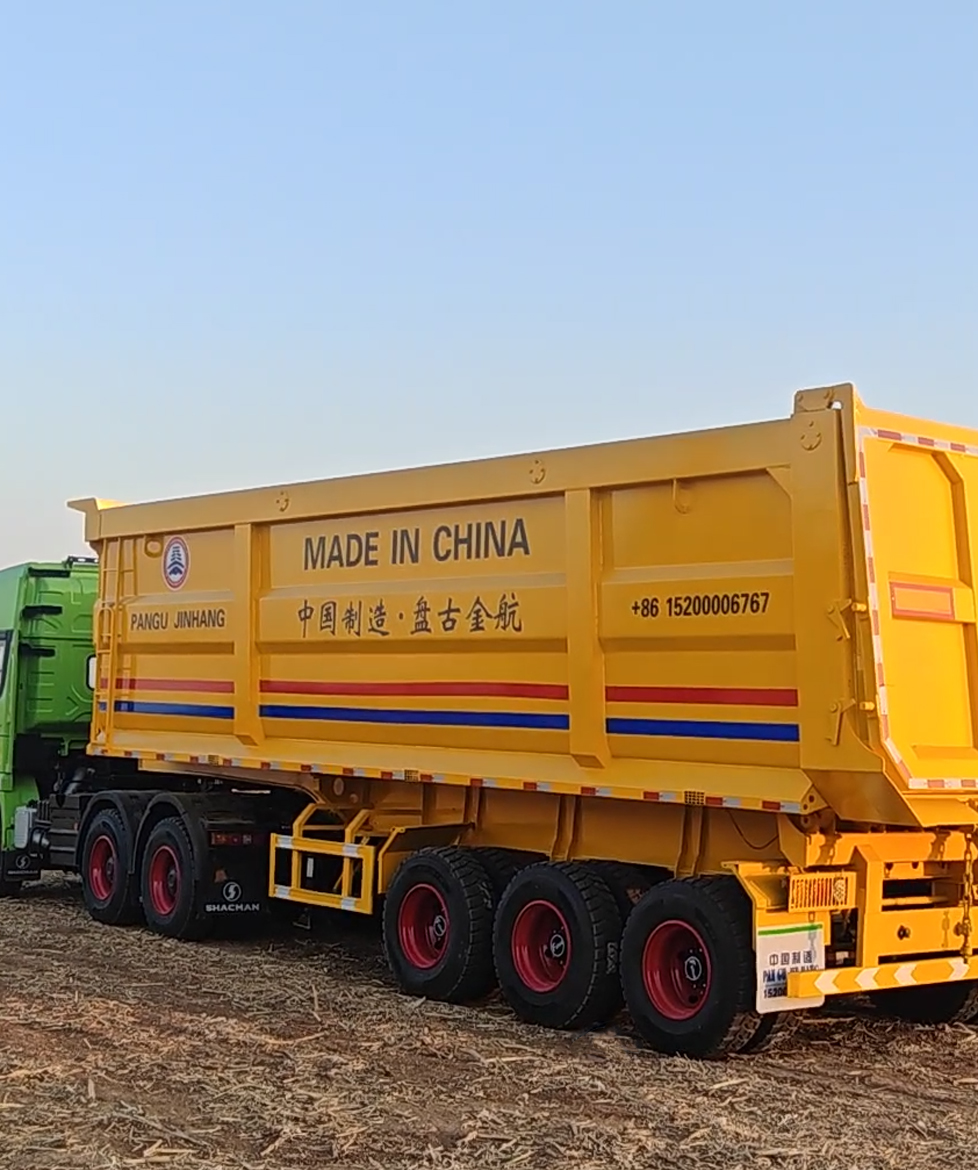
The safe operation of rear dump semi-trailers is inseparable from standardized loading and unloading management. While the vehicle's own configuration is important, factors such as whether the cargo is evenly loaded, whether the unloading site is suitable, and whether the driver operates as required will equally affect vehicle stability and service life. During loading, efforts should be made to distribute the cargo evenly within the trailer body, avoiding noticeable bias toward one side or concentration in localized areas. For bulky materials, materials with high moisture content, or goods prone to sticking, close attention should be paid to the loading methods and unloading conditions to prevent abnormal cargo shifts during the lifting process. Before unloading, confirm that the ground is level and solid, and reserve sufficient rear unloading space. The vehicle should not perform lifting and unloading operations on noticeably sloped, soft, potholed, or space-constrained areas. Prior to operation, it is also essential to ensure that there are no personnel, vehicles, obstacles, or facilities around the vehicle that could affect lifting safety. Fleet managers can establish basic inspection and operation records, including loading conditions, hydraulic system status, tire and suspension checks, unloading site conditions, and abnormality handling logs. Through daily management, potential issues can be detected earlier, reducing unplanned downtime. The safe operation of rear dump semi-trailers is inseparable from standardized loading and unloading management. While the vehicle's own configuration is important, factors such as whether the cargo is evenly loaded, whether the unloading site is suitable, and whether the driver operates as required will equally affect vehicle stability and service life. During loading, efforts should be made to distribute the cargo evenly within the trailer body, avoiding noticeable bias toward one side or concentration in localized areas. For bulky materials, materials with high moisture content, or goods prone to sticking, close attention should be paid to the loading methods and unloading conditions to prevent abnormal cargo shifts during the lifting process. Before unloading, confirm that the ground is level and solid, and reserve sufficient rear unloading space. The vehicle should not perform lifting and unloading operations on noticeably sloped, soft, potholed, or space-constrained areas. Prior to operation, it is also essential to ensure that there are no personnel, vehicles, obstacles, or facilities around the vehicle that could affect lifting safety. Fleet managers can establish basic inspection and operation records, including loading conditions, hydraulic system status, tire and suspension checks, unloading site conditions, and abnormality handling logs. Through daily management, potential issues can be detected earlier, reducing unplanned downtime. For high-frequency transport clients, Jinhang Trailer recommends communicating basic operation and maintenance guidelines to drivers and maintenance personnel before the vehicle is put into service. For high-frequency transport clients, Jinhang Trailer recommends communicating basic operation and maintenance guidelines to drivers and maintenance personnel before the vehicle is put into service.
When exporting dump semi-trailers, the model name and trailer length are only part of the solution. Before producing the JHT9401ZHX 10.4-meter rear dump semi-trailer, detailed configurations must also be confirmed based on the customer's country, transport cargo, operating road conditions, and tractor unit specifications. First, the customer needs to provide cargo and payload information. When transporting sand, gravel, ore, coal, earthwork, or other bulk materials, the cargo density and estimated payload will affect the cargo box structure and overall configuration recommendations. Second, the road and unloading site conditions must be confirmed. Will the vehicle operate on standard highways, construction sites, mining areas, or other complex environments? Road width, slope, surface conditions, and unloading space will influence the discussion direction for vehicle dimensions, suspension, tires, and structural configurations. Regulations of the destination country should also be confirmed before quoting. Different countries may have varying requirements regarding vehicle overall dimensions, axle load, braking, lighting, reflective markings, tires, and road transport standards. Overseas customers should provide the destination country or operating region information in advance to avoid non-compliance issues after production. When exporting dump semi-trailers, the model name and trailer length are only part of the solution. Before producing the JHT9401ZHX 10.4-meter rear dump semi-trailer, detailed configurations must also be confirmed based on the customer's country, transport cargo, operating road conditions, and tractor unit specifications. First, the customer needs to provide cargo and payload information. When transporting sand, gravel, ore, coal, earthwork, or other bulk materials, the cargo density and estimated payload will affect the cargo box structure and overall configuration recommendations. Second, the road and unloading site conditions must be confirmed. Will the vehicle operate on standard highways, construction sites, mining areas, or other complex environments? Road width, slope, surface conditions, and unloading space will influence the discussion direction for vehicle dimensions, suspension, tires, and structural configurations. Regulations of the destination country should also be confirmed before quoting. Different countries may have varying requirements regarding vehicle overall dimensions, axle load, braking, lighting, reflective markings, tires, and road transport standards. Overseas customers should provide the destination country or operating region information in advance to avoid non-compliance issues after production. Based on the confirmed information, Jinhang Trailer will communicate solutions for the cargo box, axles, suspension, braking, tires, hydraulic system, painting, and accessories, and make preparations for production, inspection, and delivery. Based on the confirmed information, Jinhang Trailer will communicate solutions for the cargo box, axles, suspension, braking, tires, hydraulic system, painting, and accessories, and make preparations for production, inspection, and delivery.
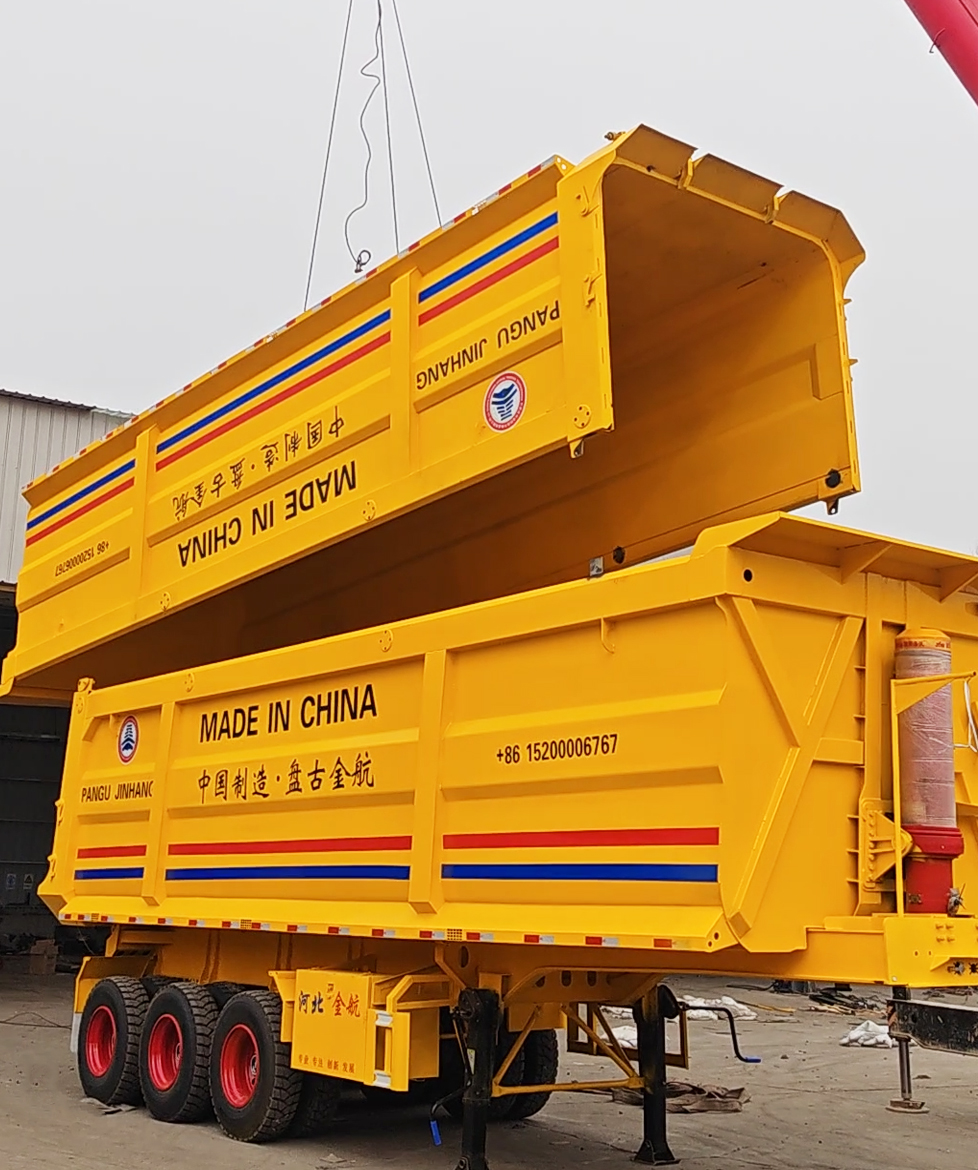
3.8-meter cargo dump trailers are suitable for scenarios requiring the transport and quick unloading of bulk cargo. Depending on the cargo and actual operating conditions, they can be used for transporting earthwork, sand, gravel, agricultural materials, and other bulk cargo that meets transportation requirements. This model is suitable for customers with specific requirements for vehicle length, site space, or short-distance turnover. Compared with longer dump semi-trailers, 3.8-meter cargo dump trailers may be easier to operate in scenarios with limited space, frequent turns, or where flexible access to working areas is required. However, whether the model is suitable for a specific project cannot be determined solely by vehicle length. Factors such as cargo density, single-trip capacity, loading equipment, road width, ground slope, discharge location, and the towing or matching vehicle conditions all need to be confirmed before procurement. 3.8-meter cargo dump trailers are suitable for scenarios requiring the transport and quick unloading of bulk cargo. Depending on the cargo and actual operating conditions, they can be used for transporting earthwork, sand, gravel, agricultural materials, and other bulk cargo that meets transportation requirements. This model is suitable for customers with specific requirements for vehicle length, site space, or short-distance turnover. Compared with longer dump semi-trailers, 3.8-meter cargo dump trailers may be easier to operate in scenarios with limited space, frequent turns, or where flexible access to working areas is required. However, whether the model is suitable for a specific project cannot be determined solely by vehicle length. Factors such as cargo density, single-trip capacity, loading equipment, road width, ground slope, discharge location, and the towing or matching vehicle conditions all need to be confirmed before procurement. When inquiring, customers are recommended to provide cargo photos, estimated payload, average daily trips, road conditions, and unloading site descriptions to facilitate the discussion of a more suitable configuration plan. When inquiring, customers are recommended to provide cargo photos, estimated payload, average daily trips, road conditions, and unloading site descriptions to facilitate the discussion of a more suitable configuration plan.
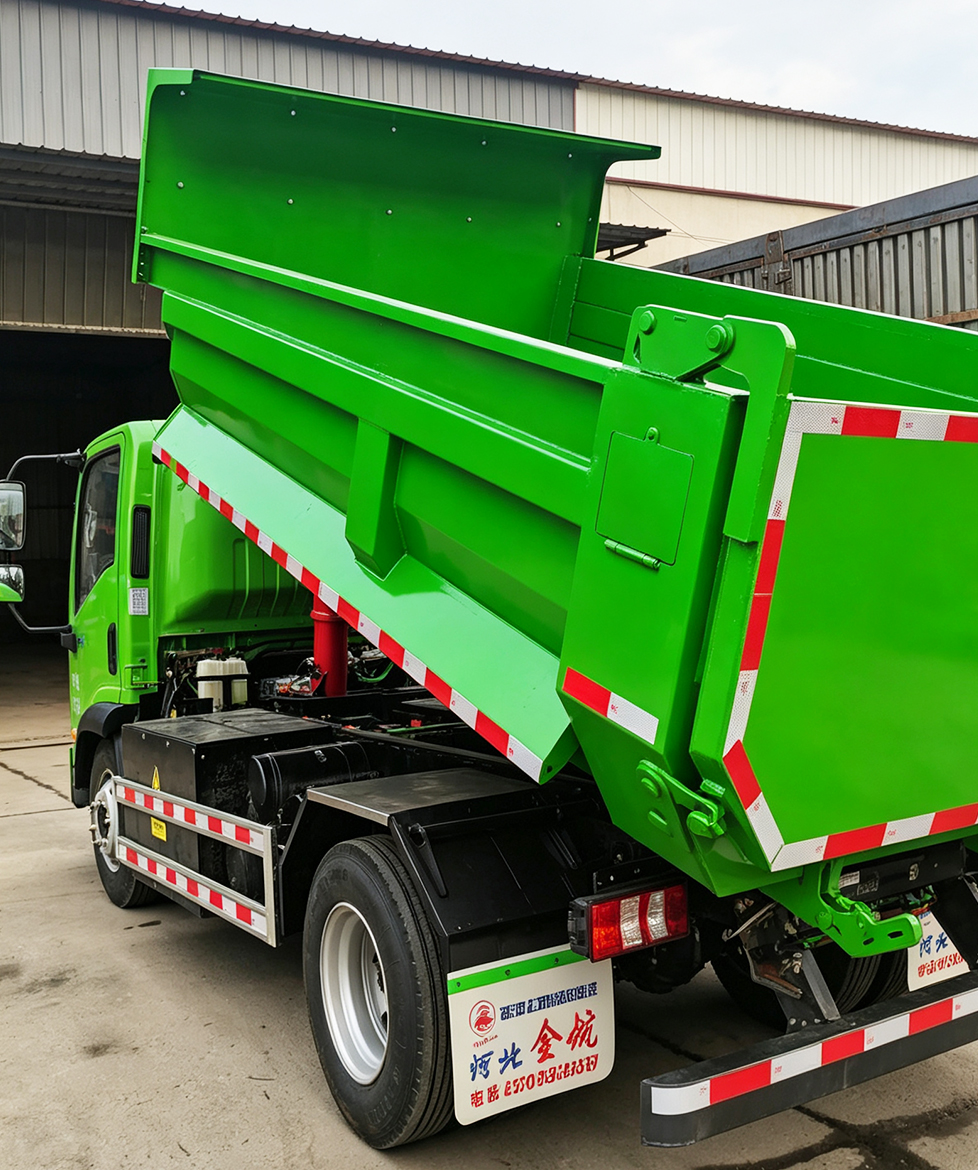
Cargo dump semi-trailers unload by lifting the cargo box, which significantly reduces manual unloading time. To improve unloading efficiency, in addition to vehicle configuration, cargo loading status, unloading sites, and operating procedures are equally important. During loading, the cargo should be distributed as evenly as possible inside the box. Heavy tilting to one side, excessively high local accumulation, or sticking caused by moisture and caking can all affect the unloading process. For materials with larger particles, higher humidity, or strong viscosity, customers should explain the cargo condition in advance. Before unloading, a flat, firm site with sufficient working space should be selected. When lifting the vehicle, operations should be avoided in significantly sloped, soft, pitted, or crowded areas with personnel and vehicles. After unloading is completed, check whether the cargo box has fully lowered and locked properly before continuing to drive. Cargo dump semi-trailers unload by lifting the cargo box, which significantly reduces manual unloading time. To improve unloading efficiency, in addition to vehicle configuration, cargo loading status, unloading sites, and operating procedures are equally important. During loading, the cargo should be distributed as evenly as possible inside the box. Heavy tilting to one side, excessively high local accumulation, or sticking caused by moisture and caking can all affect the unloading process. For materials with larger particles, higher humidity, or strong viscosity, customers should explain the cargo condition in advance. Before unloading, a flat, firm site with sufficient working space should be selected. When lifting the vehicle, operations should be avoided in significantly sloped, soft, pitted, or crowded areas with personnel and vehicles. After unloading is completed, check whether the cargo box has fully lowered and locked properly before continuing to drive. Establishing basic loading, unloading, and maintenance records helps fleets identify recurring issues and reasonably schedule vehicle inspections and parts replacements. Establishing basic loading, unloading, and maintenance records helps fleets identify recurring issues and reasonably schedule vehicle inspections and parts replacements.
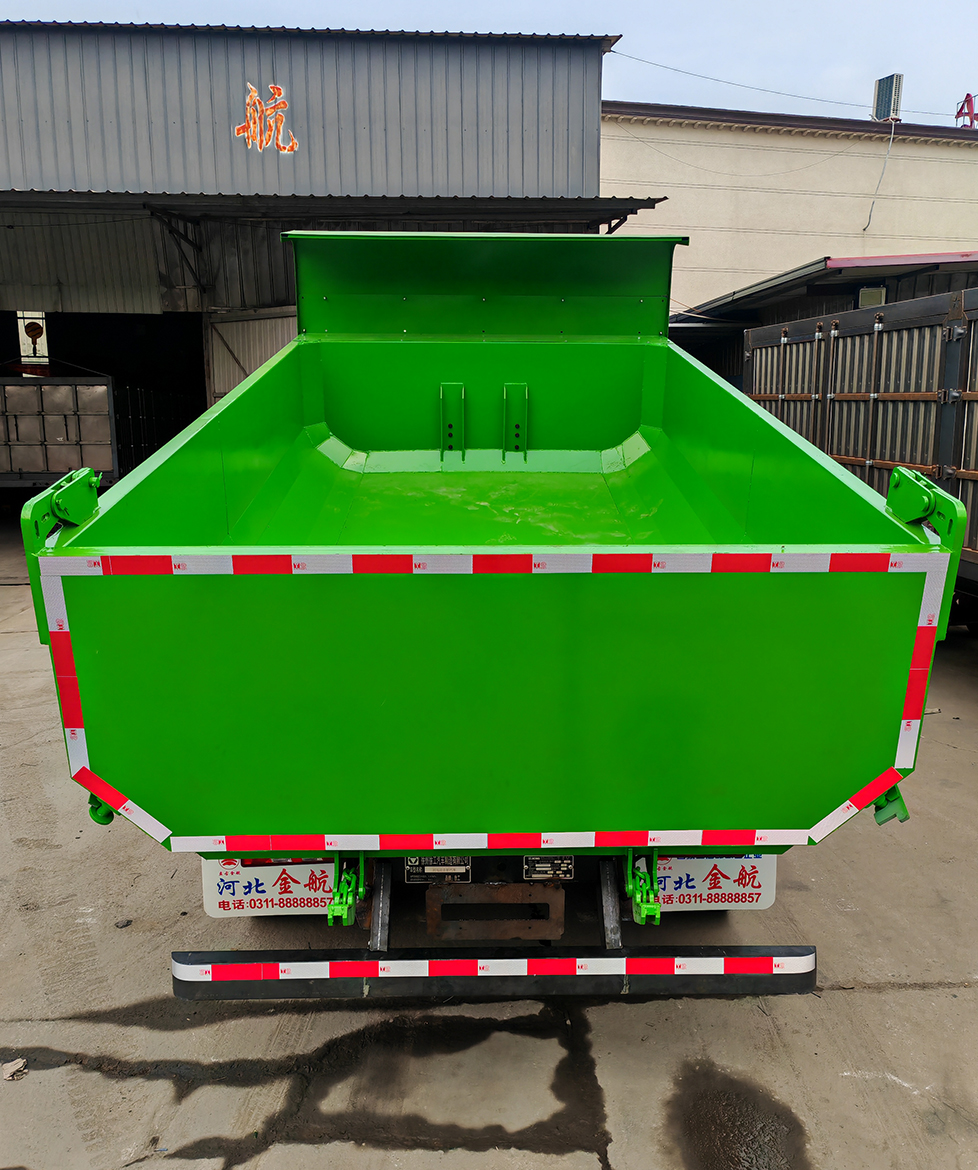
Before dumping operations, the driver should ensure that the unloading site is flat, firm, and has sufficient unloading space. Significantly sloped, soft, or uneven ground may affect the stability of the vehicle during the lifting process. Prior to unloading, check the surrounding area for personnel, other vehicles, equipment, power lines, or obstacles. Cargo should be loaded as evenly as possible to avoid significant off-center loading. For materials with high moisture, prone to sticking, or containing large chunks, extra attention should be paid to whether any abnormalities occur during unloading. Routine inspections should cover basic items such as the cargo box, lifting components, chassis frame, tires, suspension, brakes, air lines, and lighting. If unsmooth hydraulic operation, loose parts, air leaks, oil leaks, abnormal wear, or unusual noises are detected, they should be addressed promptly, and continuing operation with faults is not recommended. Before dumping operations, the driver should ensure that the unloading site is flat, firm, and has sufficient unloading space. Significantly sloped, soft, or uneven ground may affect the stability of the vehicle during the lifting process. Prior to unloading, check the surrounding area for personnel, other vehicles, equipment, power lines, or obstacles. Cargo should be loaded as evenly as possible to avoid significant off-center loading. For materials with high moisture, prone to sticking, or containing large chunks, extra attention should be paid to whether any abnormalities occur during unloading. Routine inspections should cover basic items such as the cargo box, lifting components, chassis frame, tires, suspension, brakes, air lines, and lighting. If unsmooth hydraulic operation, loose parts, air leaks, oil leaks, abnormal wear, or unusual noises are detected, they should be addressed promptly, and continuing operation with faults is not recommended. Standardized operation and routine maintenance not only help ensure unloading safety, but also reduce vehicle downtime and maintenance costs. Standardized operation and routine maintenance not only help ensure unloading safety, but also reduce vehicle downtime and maintenance costs.
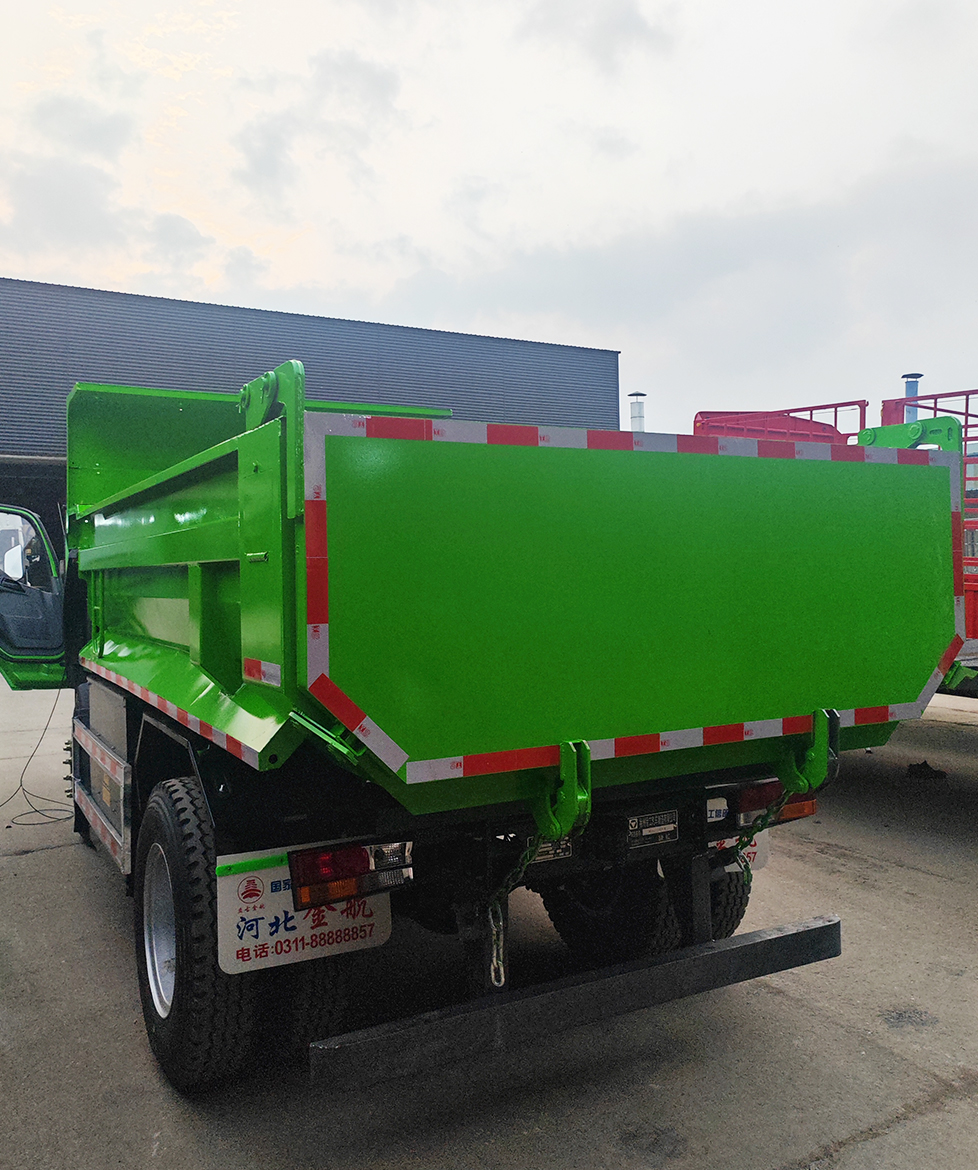
Featuring a relatively enclosed box body structure, the 9.6m box cargo semi-trailer is suitable for transporting goods that require protection from rain, dust, and transit conditions. Common cargo includes palletized goods, packaged goods, equipment parts, daily logistics cargo, and other general merchandise sensitive to the external environment. Compared with open trailers, a box-type body reduces direct exposure of cargo to rain, dust, and external impacts. Therefore, for long-distance transport, regions with frequent seasonal rains, or customers with strict requirements for packaging protection, box models are generally more worthwhile to consider. However, box trailers are not suitable for all types of cargo. Customers still need to confirm cargo dimensions, loading and unloading orientation, forklift usage, cargo stacking height, and warehouse dock conditions. If the cargo is tall, wide, or requires side crane lifting, the ease of loading and unloading may need further evaluation. Featuring a relatively enclosed box body structure, the 9.6m box cargo semi-trailer is suitable for transporting goods that require protection from rain, dust, and transit conditions. Common cargo includes palletized goods, packaged goods, equipment parts, daily logistics cargo, and other general merchandise sensitive to the external environment. Compared with open trailers, a box-type body reduces direct exposure of cargo to rain, dust, and external impacts. Therefore, for long-distance transport, regions with frequent seasonal rains, or customers with strict requirements for packaging protection, box models are generally more worthwhile to consider. However, box trailers are not suitable for all types of cargo. Customers still need to confirm cargo dimensions, loading and unloading orientation, forklift usage, cargo stacking height, and warehouse dock conditions. If the cargo is tall, wide, or requires side crane lifting, the ease of loading and unloading may need further evaluation. Jinhang Trailer can discuss and configure suitable box dimensions, door structures, internal accessories, and related options based on customer cargo and transportation workflows. Jinhang Trailer can discuss and configure suitable box dimensions, door structures, internal accessories, and related options based on customer cargo and transportation workflows.
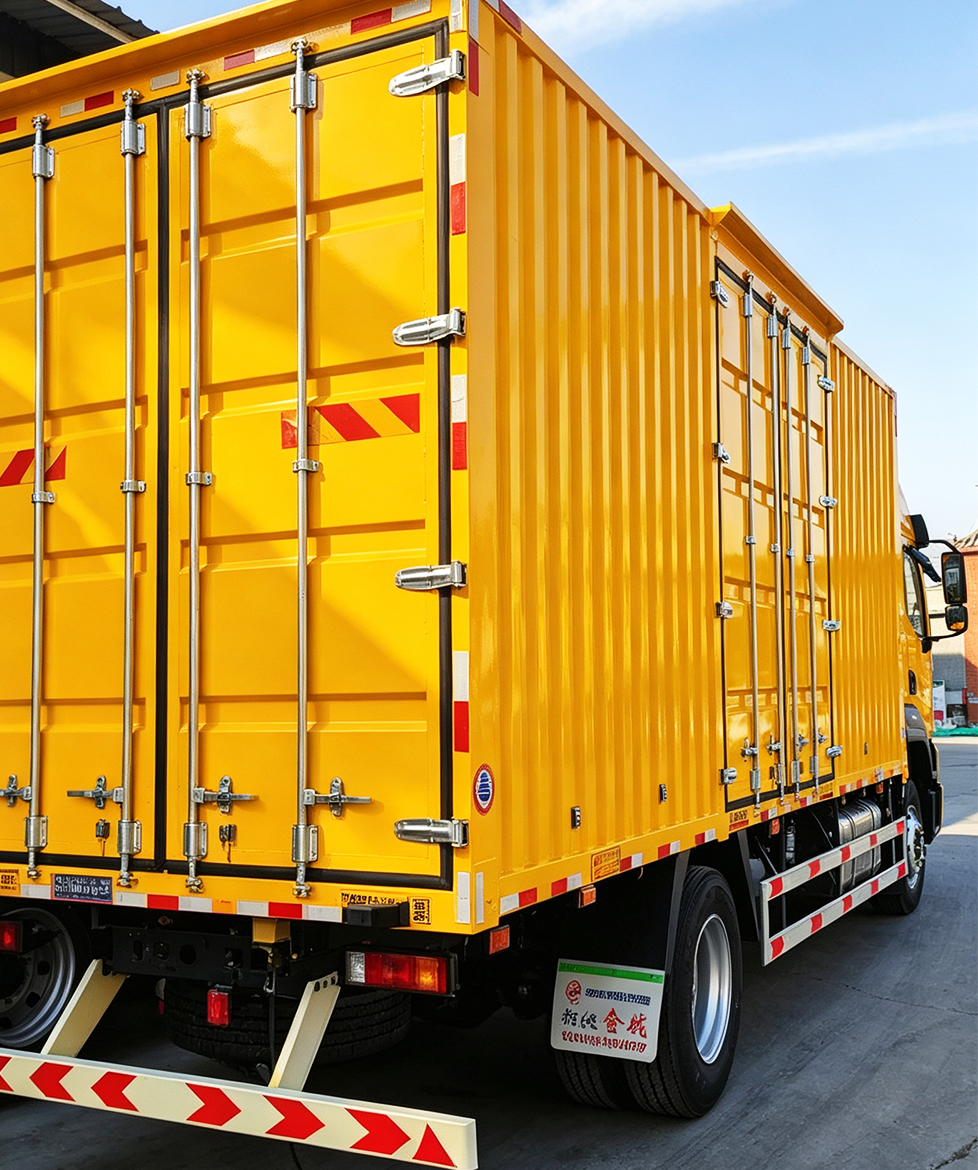
Both box cargo semi-trailers and wing van semi-trailers provide reliable protection for goods, but the primary difference between the two lies in their loading and unloading methods. Box cargo semi-trailers are typically loaded and unloaded from the rear, making them ideal for warehouse back-door loading, loading dock operations, or transport scenarios where cargo is sequentially moved in and out via the rear doors. With a fully enclosed body structure, they are best suited for customers who prioritize protection against rain, dust, and general cargo safety. Wing van semi-trailers feature side panels that open upwards like wings, allowing forklifts to load and unload cargo directly from the sides. For palletized goods, high-frequency loading and unloading, or operations requiring multiple forklifts to work simultaneously, wing van models generally offer superior loading convenience. Both box cargo semi-trailers and wing van semi-trailers provide reliable protection for goods, but the primary difference between the two lies in their loading and unloading methods. Box cargo semi-trailers are typically loaded and unloaded from the rear, making them ideal for warehouse back-door loading, loading dock operations, or transport scenarios where cargo is sequentially moved in and out via the rear doors. With a fully enclosed body structure, they are best suited for customers who prioritize protection against rain, dust, and general cargo safety. Wing van semi-trailers feature side panels that open upwards like wings, allowing forklifts to load and unload cargo directly from the sides. For palletized goods, high-frequency loading and unloading, or operations requiring multiple forklifts to work simultaneously, wing van models generally offer superior loading convenience. If a customer's warehouse and loading docks primarily accommodate rear-access operations, a box cargo semi-trailer is generally the better fit; if the facility provides ample side space and demands higher loading efficiency, a wing van semi-trailer is an excellent choice. If a customer's warehouse and loading docks primarily accommodate rear-access operations, a box cargo semi-trailer is generally the better fit; if the facility provides ample side space and demands higher loading efficiency, a wing van semi-trailer is an excellent choice.
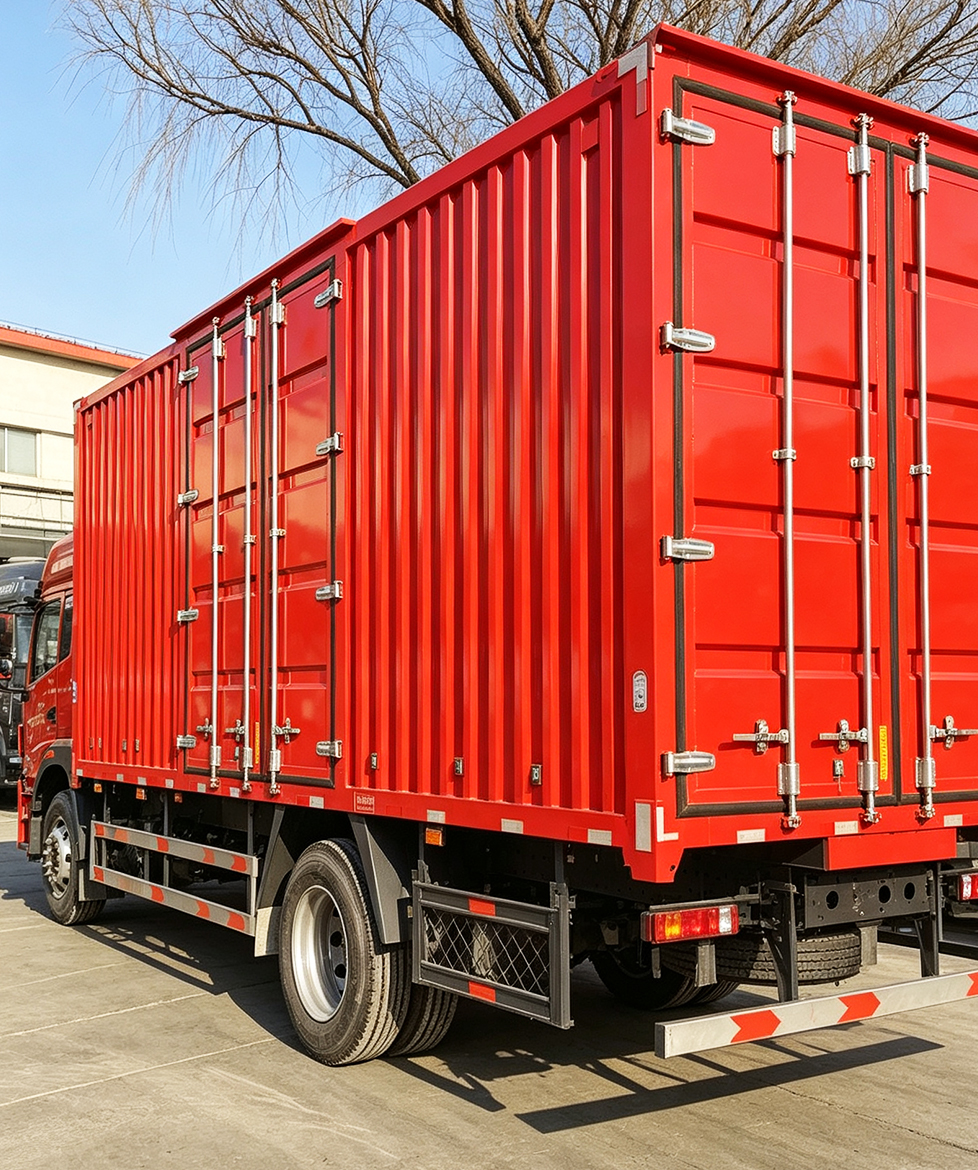
When purchasing a box cargo trailer, the cargo box is a critical factor influencing actual transport efficiency. Customers should first provide the cargo's length, width, height, packaging form, and quantity per load to confirm whether the internal space of the cargo box is suitable. For palletized cargo, details such as pallet specifications, forklift dimensions, cargo stacking methods, and loading/unloading frequency should also be specified. For equipment, spare parts, or other specialized cargo, it is also necessary to confirm whether cargo tie-down points, protective devices, or other interior accessories are required. Door configurations should also be discussed in the early stages. Customers need to clarify whether loading and unloading are primarily conducted from the rear or if other methods are required; whether a warehouse loading dock is available; and whether door opening will be restricted by site constraints. Requirements for cargo box sealing, ventilation, interior lighting, and custom brand livery can also be proposed during the design confirmation phase. When purchasing a box cargo trailer, the cargo box is a critical factor influencing actual transport efficiency. Customers should first provide the cargo's length, width, height, packaging form, and quantity per load to confirm whether the internal space of the cargo box is suitable. For palletized cargo, details such as pallet specifications, forklift dimensions, cargo stacking methods, and loading/unloading frequency should also be specified. For equipment, spare parts, or other specialized cargo, it is also necessary to confirm whether cargo tie-down points, protective devices, or other interior accessories are required. Door configurations should also be discussed in the early stages. Customers need to clarify whether loading and unloading are primarily conducted from the rear or if other methods are required; whether a warehouse loading dock is available; and whether door opening will be restricted by site constraints. Requirements for cargo box sealing, ventilation, interior lighting, and custom brand livery can also be proposed during the design confirmation phase. Providing cargo photos, loading/unloading site images, or reference vehicle information will help manufacturers understand customer requirements more accurately. Providing cargo photos, loading/unloading site images, or reference vehicle information will help manufacturers understand customer requirements more accurately.
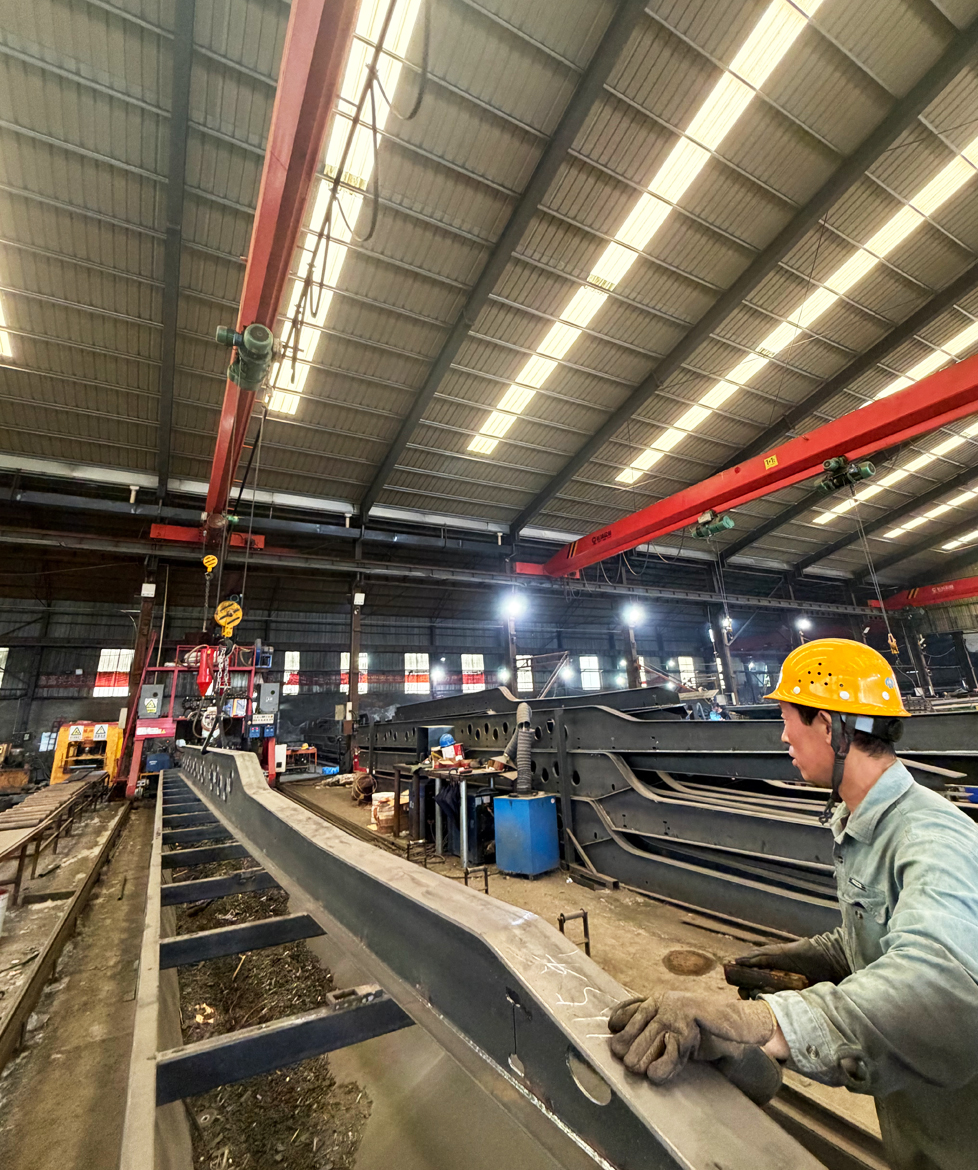
The 9.6-meter cargo trailer is suitable for transporting building materials, equipment parts, packaged goods, daily logistics cargo, and other general freight. For buyers, the vehicle length is just basic information; what truly affects practical performance is the cargo characteristics, loading and unloading methods, and transportation routes. Before model selection, it is recommended to confirm the dimensions, individual weight, packaging format, and loading/unloading equipment of the cargo. For example, palletized goods handled by forklifts require consideration of cargo placement and forklift operating space; for equipment or building materials loaded by cranes, attention should be paid to cargo securing methods and the vehicle platform structure. Road conditions are equally crucial. If the vehicle primarily operates on highways, standard national roads, or urban distribution routes, the configuration priorities differ from those for construction sites, rural roads, or complex road conditions. Customers should also provide tractor specifications, destination country or operating region, estimated quantity, and delivery schedule. The 9.6-meter cargo trailer is suitable for transporting building materials, equipment parts, packaged goods, daily logistics cargo, and other general freight. For buyers, the vehicle length is just basic information; what truly affects practical performance is the cargo characteristics, loading and unloading methods, and transportation routes. Before model selection, it is recommended to confirm the dimensions, individual weight, packaging format, and loading/unloading equipment of the cargo. For example, palletized goods handled by forklifts require consideration of cargo placement and forklift operating space; for equipment or building materials loaded by cranes, attention should be paid to cargo securing methods and the vehicle platform structure. Road conditions are equally crucial. If the vehicle primarily operates on highways, standard national roads, or urban distribution routes, the configuration priorities differ from those for construction sites, rural roads, or complex road conditions. Customers should also provide tractor specifications, destination country or operating region, estimated quantity, and delivery schedule. Based on customers' specific transport tasks, Jinhang Trailer can communicate and provide suitable configuration solutions including cargo bodies, sideboards, cargo securing accessories, axles, suspensions, brakes, and more. Based on customers' specific transport tasks, Jinhang Trailer can communicate and provide suitable configuration solutions including cargo bodies, sideboards, cargo securing accessories, axles, suspensions, brakes, and more.
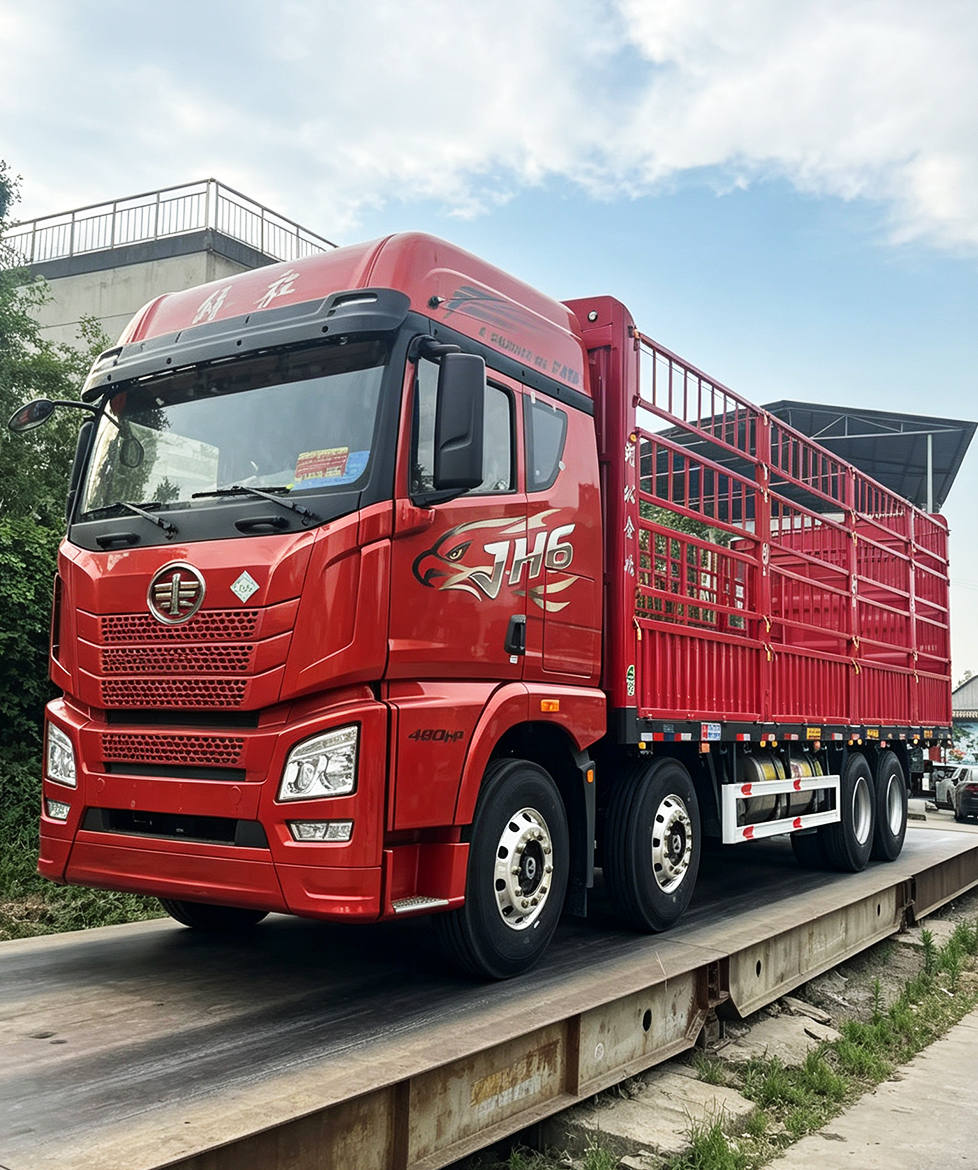
9.6m cargo trailers, stake semi-trailers, and box semi-trailers can all transport general cargo, but they differ in cargo protection, loading and unloading methods, and applicable scenarios. Vehicles with open or standard cargo structures typically facilitate loading and unloading from the sides, rear, or top, making them suitable for machinery, building materials, steel, and certain general goods that are not sensitive to rain. Stake semi-trailers feature sideboards and stake structures, providing a level of enclosure for the cargo, and are suitable for bagged goods, building materials, and general logistics freight. Box semi-trailers feature a fully enclosed cargo body structure, ideal for packaged goods, palletized cargo, equipment parts, and other items requiring protection against rain and dust. However, loading and unloading for box bodies generally require consideration of rear doors, side doors, and warehouse operating conditions. 9.6m cargo trailers, stake semi-trailers, and box semi-trailers can all transport general cargo, but they differ in cargo protection, loading and unloading methods, and applicable scenarios. Vehicles with open or standard cargo structures typically facilitate loading and unloading from the sides, rear, or top, making them suitable for machinery, building materials, steel, and certain general goods that are not sensitive to rain. Stake semi-trailers feature sideboards and stake structures, providing a level of enclosure for the cargo, and are suitable for bagged goods, building materials, and general logistics freight. Box semi-trailers feature a fully enclosed cargo body structure, ideal for packaged goods, palletized cargo, equipment parts, and other items requiring protection against rain and dust. However, loading and unloading for box bodies generally require consideration of rear doors, side doors, and warehouse operating conditions. When making a selection, customers can first evaluate whether the cargo requires protection, whether side forklift loading/unloading is needed, whether crane hoisting is required, and how demanding cargo securing needs are. Choosing a model suited to the transportation workflow is generally more important than simply comparing prices. When making a selection, customers can first evaluate whether the cargo requires protection, whether side forklift loading/unloading is needed, whether crane hoisting is required, and how demanding cargo securing needs are. Choosing a model suited to the transportation workflow is generally more important than simply comparing prices.
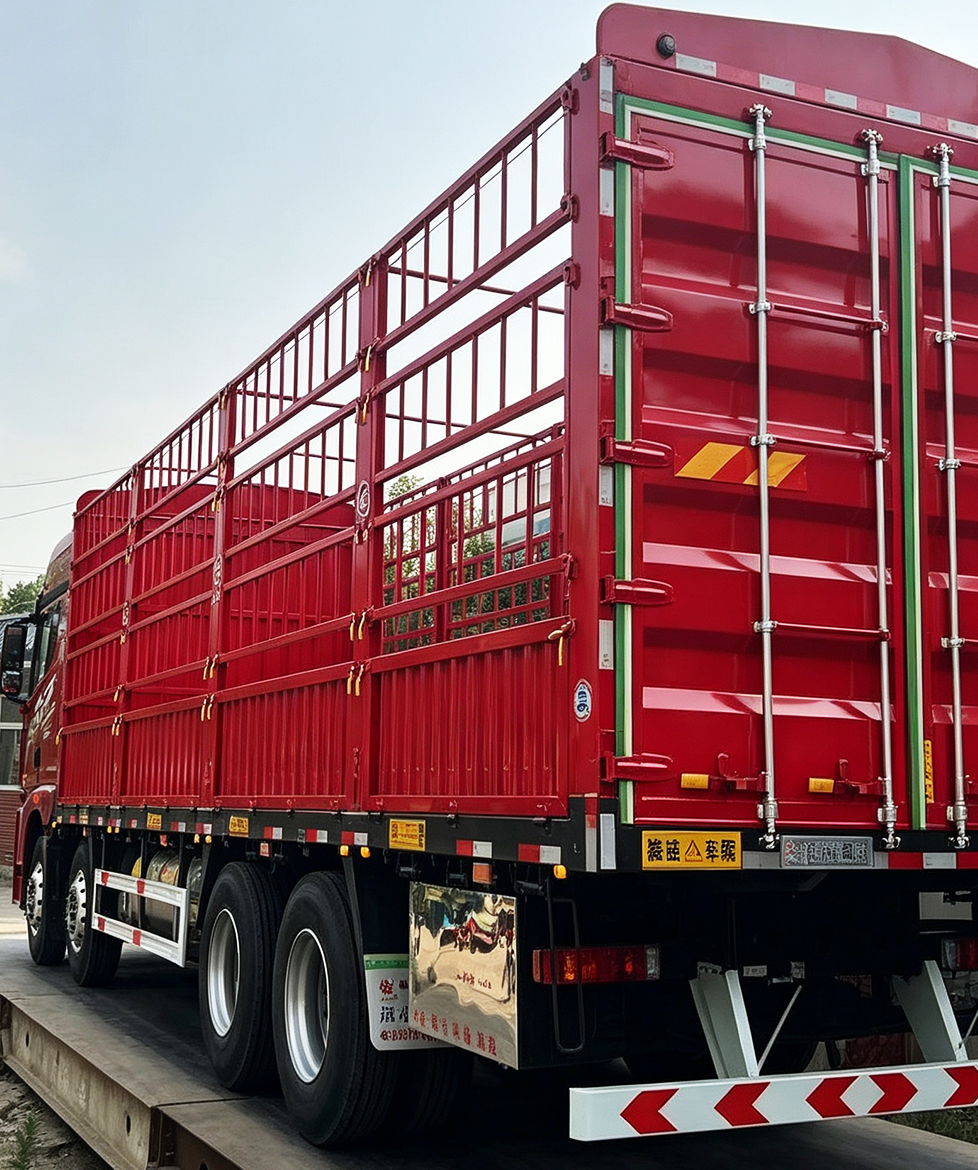
Cargo transportation safety depends not only on the trailer itself, but also directly on the loading and securing methods used for the cargo. Whether transporting building materials, equipment, bulk bags, or packaged goods, the load should be distributed as evenly as possible across the cargo bed or platform. During loading, avoid concentrating cargo significantly in localized areas or leaning towards one side of the vehicle for extended periods. For heavier, longer, or irregularly shaped cargo, securing devices, straps, or other auxiliary measures should be used according to actual conditions to minimize the risk of shifting during transit. Before transport, verify that the cargo does not exceed the vehicle's permitted limits, that all tie-down points are secure, and that the vehicle lights, tires, brakes, sideboards, or cargo body structures are in good working order. For inter-regional or export transportation, confirm in advance whether the route has height, width, weight restrictions, or special road requirements. Cargo transportation safety depends not only on the trailer itself, but also directly on the loading and securing methods used for the cargo. Whether transporting building materials, equipment, bulk bags, or packaged goods, the load should be distributed as evenly as possible across the cargo bed or platform. During loading, avoid concentrating cargo significantly in localized areas or leaning towards one side of the vehicle for extended periods. For heavier, longer, or irregularly shaped cargo, securing devices, straps, or other auxiliary measures should be used according to actual conditions to minimize the risk of shifting during transit. Before transport, verify that the cargo does not exceed the vehicle's permitted limits, that all tie-down points are secure, and that the vehicle lights, tires, brakes, sideboards, or cargo body structures are in good working order. For inter-regional or export transportation, confirm in advance whether the route has height, width, weight restrictions, or special road requirements. When ordering a 9.6-meter cargo trailer, customers with specific cargo securing or specialized loading/unloading requirements can provide cargo photos, dimensions, and loading methods in advance to facilitate communication regarding suitable accessories and structural solutions. When ordering a 9.6-meter cargo trailer, customers with specific cargo securing or specialized loading/unloading requirements can provide cargo photos, dimensions, and loading methods in advance to facilitate communication regarding suitable accessories and structural solutions.
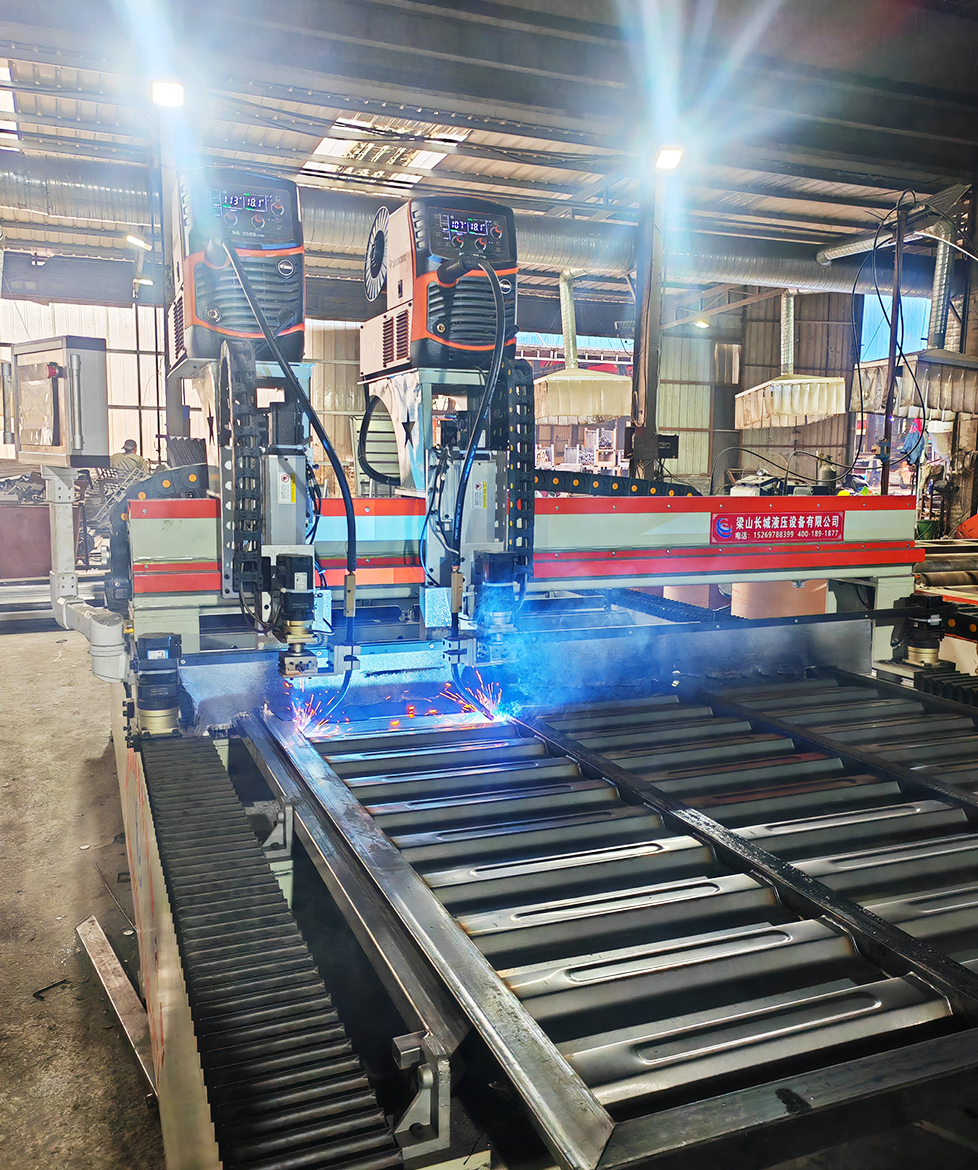
Before exporting cargo trailers, customers should first confirm the country or region where the vehicle will be used. Different markets may have varying regulations regarding vehicle length, width, axle load, braking, lighting, tires, and safety markings. In addition to the destination country information, customers should also specify the cargo to be transported, estimated payload, main road conditions, tractor parameters, loading and unloading methods, required quantity, destination port, and planned delivery schedule. If local regulatory documents, reference vehicle models, vehicle photos, or technical drawings are available, providing them together is also recommended. For dealers, logistics companies, and large fleets that require brand promotion, requirements such as body color, brand logo, toolbox, spare tire carrier, and basic spare parts packages can also be confirmed in advance. Before exporting cargo trailers, customers should first confirm the country or region where the vehicle will be used. Different markets may have varying regulations regarding vehicle length, width, axle load, braking, lighting, tires, and safety markings. In addition to the destination country information, customers should also specify the cargo to be transported, estimated payload, main road conditions, tractor parameters, loading and unloading methods, required quantity, destination port, and planned delivery schedule. If local regulatory documents, reference vehicle models, vehicle photos, or technical drawings are available, providing them together is also recommended. For dealers, logistics companies, and large fleets that require brand promotion, requirements such as body color, brand logo, toolbox, spare tire carrier, and basic spare parts packages can also be confirmed in advance. Comprehensive preliminary information helps confirm a suitable product solution before production, reducing subsequent modifications and communication costs. Comprehensive preliminary information helps confirm a suitable product solution before production, reducing subsequent modifications and communication costs.
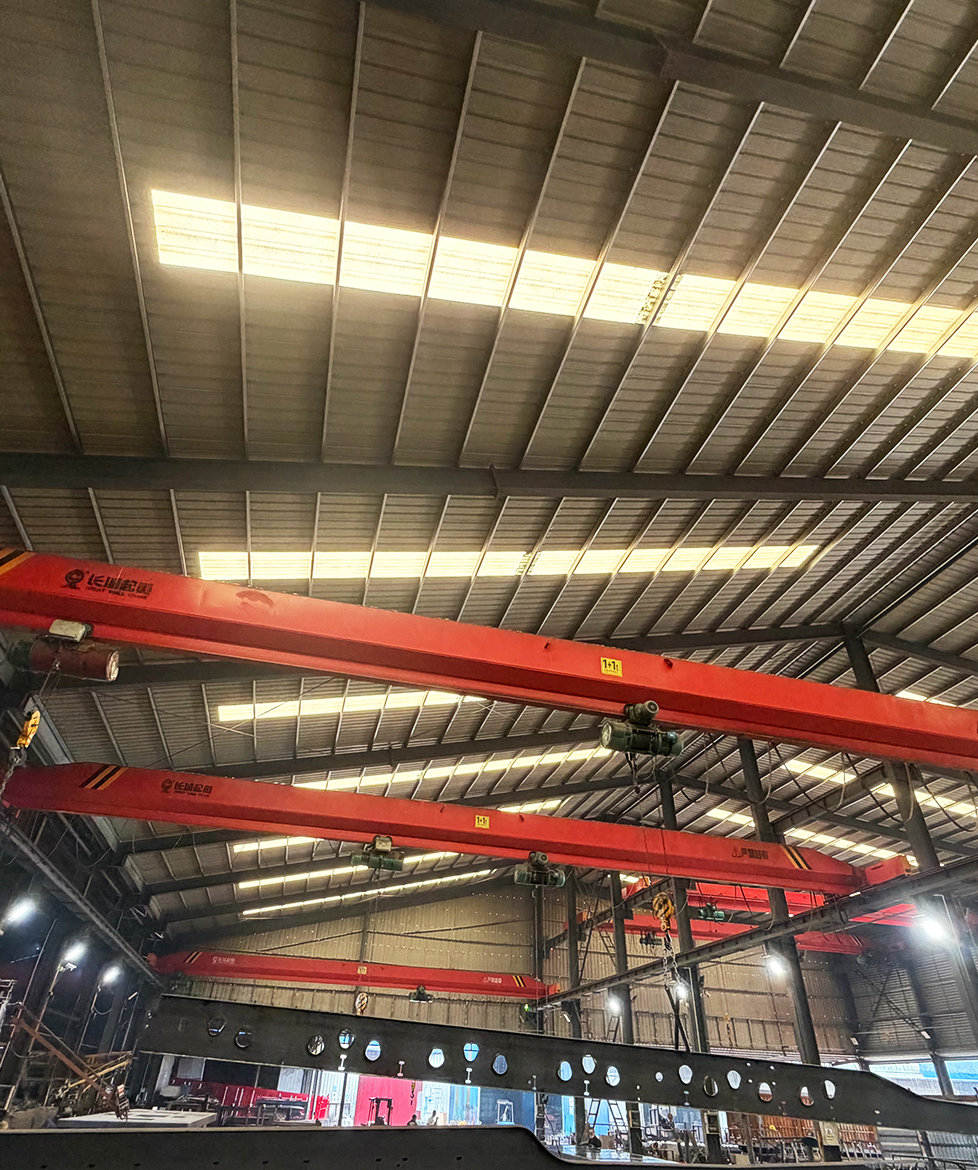
The key points of daily maintenance for box cargo trailers include not only basic components such as tires, brakes, lights, and suspension, but also the cargo box, doors, and sealing structures. Before putting the vehicle into service, inspect whether there is any damage to the cargo box surface, whether the rear doors or other opening parts operate smoothly, whether the locking mechanisms are reliable, and whether the seals are intact. For vehicles frequently operated in rainy conditions, dusty environments, or on long-haul routes, greater attention should be paid to the sealing condition of the cargo box. The interior of the cargo box should be kept relatively clean to avoid the long-term accumulation of residues that could affect cargo transportation. If transporting goods that are susceptible to moisture, easily contaminated, or have strict packaging requirements, a basic cleaning and inspection routine should also be established based on the characteristics of the cargo. The key points of daily maintenance for box cargo trailers include not only basic components such as tires, brakes, lights, and suspension, but also the cargo box, doors, and sealing structures. Before putting the vehicle into service, inspect whether there is any damage to the cargo box surface, whether the rear doors or other opening parts operate smoothly, whether the locking mechanisms are reliable, and whether the seals are intact. For vehicles frequently operated in rainy conditions, dusty environments, or on long-haul routes, greater attention should be paid to the sealing condition of the cargo box. The interior of the cargo box should be kept relatively clean to avoid the long-term accumulation of residues that could affect cargo transportation. If transporting goods that are susceptible to moisture, easily contaminated, or have strict packaging requirements, a basic cleaning and inspection routine should also be established based on the characteristics of the cargo. Meanwhile, the vehicle's tires, brakes, air circuits, electrical circuits, and suspension system should be inspected in accordance with the maintenance schedule. Promptly identifying and addressing issues such as loose door locks, aging seals, abnormal lights, or tire wear helps improve vehicle operational stability. Meanwhile, the vehicle's tires, brakes, air circuits, electrical circuits, and suspension system should be inspected in accordance with the maintenance schedule. Promptly identifying and addressing issues such as loose door locks, aging seals, abnormal lights, or tire wear helps improve vehicle operational stability.
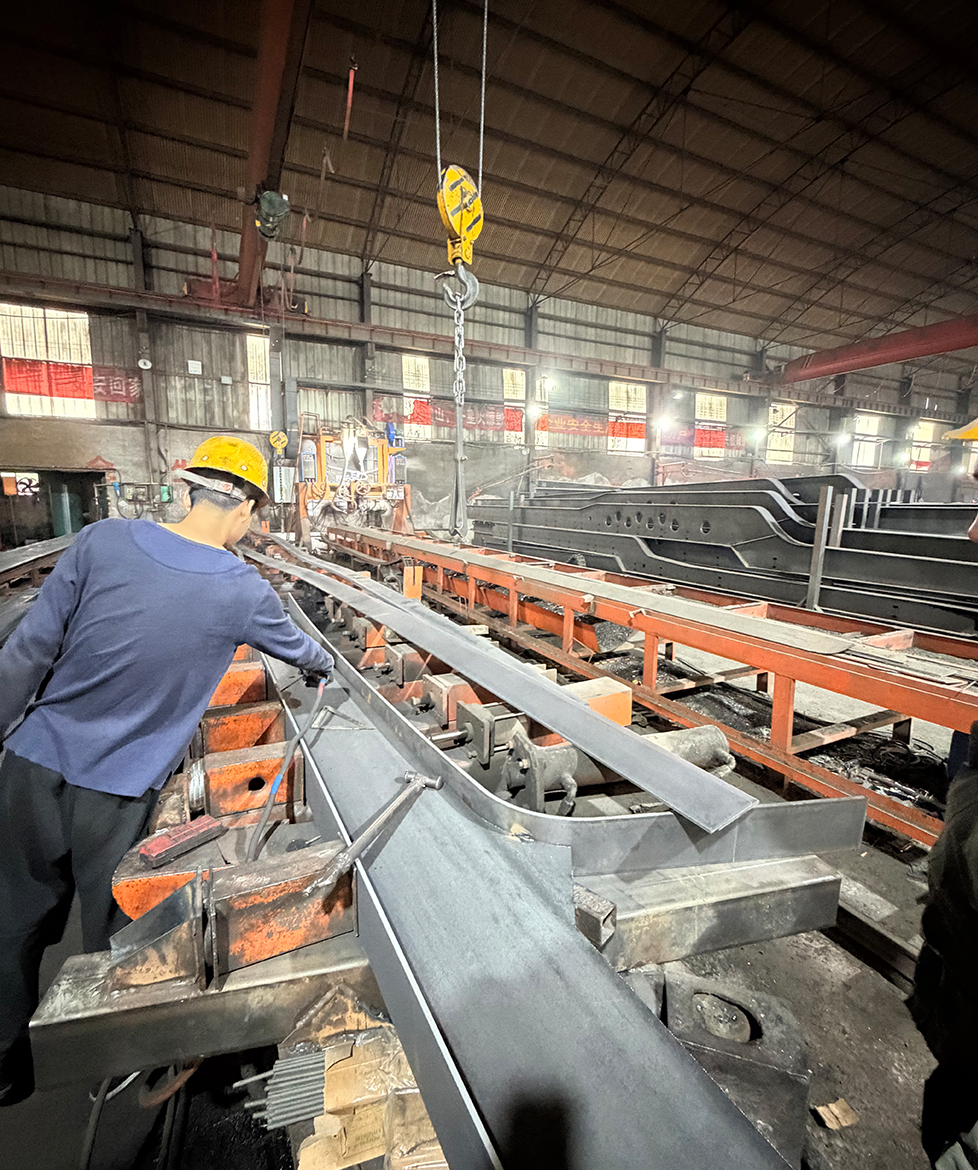
Rear dump semi-trailers are mainly used for transporting sand, gravel, crushed stone, ore, coal, earthwork, and other bulk materials. When choosing a suitable dump semi-trailer, one cannot only look at vehicle length or box volume; more importantly, it is essential to understand the actual transported cargo and operating conditions. First, customers need to confirm the type and density of the cargo. Sand, gravel, earthwork, coal, and ore vary in weight, particle size, moisture content, and abrasiveness, placing different demands on vehicle load capacity, box volume, and body structure. For higher-density cargo, key consideration must be given to local weight limits; for bulky lightweight materials, the box volume needs to be properly matched. Second, understand the loading and unloading methods of the cargo. Is loading carried out by loaders, excavators, or other equipment? Is the discharge site level? How many times does it need to unload per day? This information will affect the body structure, hydraulic lifting system, and daily operational arrangements of the rear dump semi-trailer. Rear dump semi-trailers are mainly used for transporting sand, gravel, crushed stone, ore, coal, earthwork, and other bulk materials. When choosing a suitable dump semi-trailer, one cannot only look at vehicle length or box volume; more importantly, it is essential to understand the actual transported cargo and operating conditions. First, customers need to confirm the type and density of the cargo. Sand, gravel, earthwork, coal, and ore vary in weight, particle size, moisture content, and abrasiveness, placing different demands on vehicle load capacity, box volume, and body structure. For higher-density cargo, key consideration must be given to local weight limits; for bulky lightweight materials, the box volume needs to be properly matched. Second, understand the loading and unloading methods of the cargo. Is loading carried out by loaders, excavators, or other equipment? Is the discharge site level? How many times does it need to unload per day? This information will affect the body structure, hydraulic lifting system, and daily operational arrangements of the rear dump semi-trailer. Road conditions also cannot be ignored. Will it mainly operate on highways, standard roads, construction site roads, or mining roads? If there are many potholes, slopes, turns, or complex road conditions, the vehicle's chassis, suspension, tires, and overall configuration all need to be confirmed according to actual conditions. Road conditions also cannot be ignored. Will it mainly operate on highways, standard roads, construction site roads, or mining roads? If there are many potholes, slopes, turns, or complex road conditions, the vehicle's chassis, suspension, tires, and overall configuration all need to be confirmed according to actual conditions.
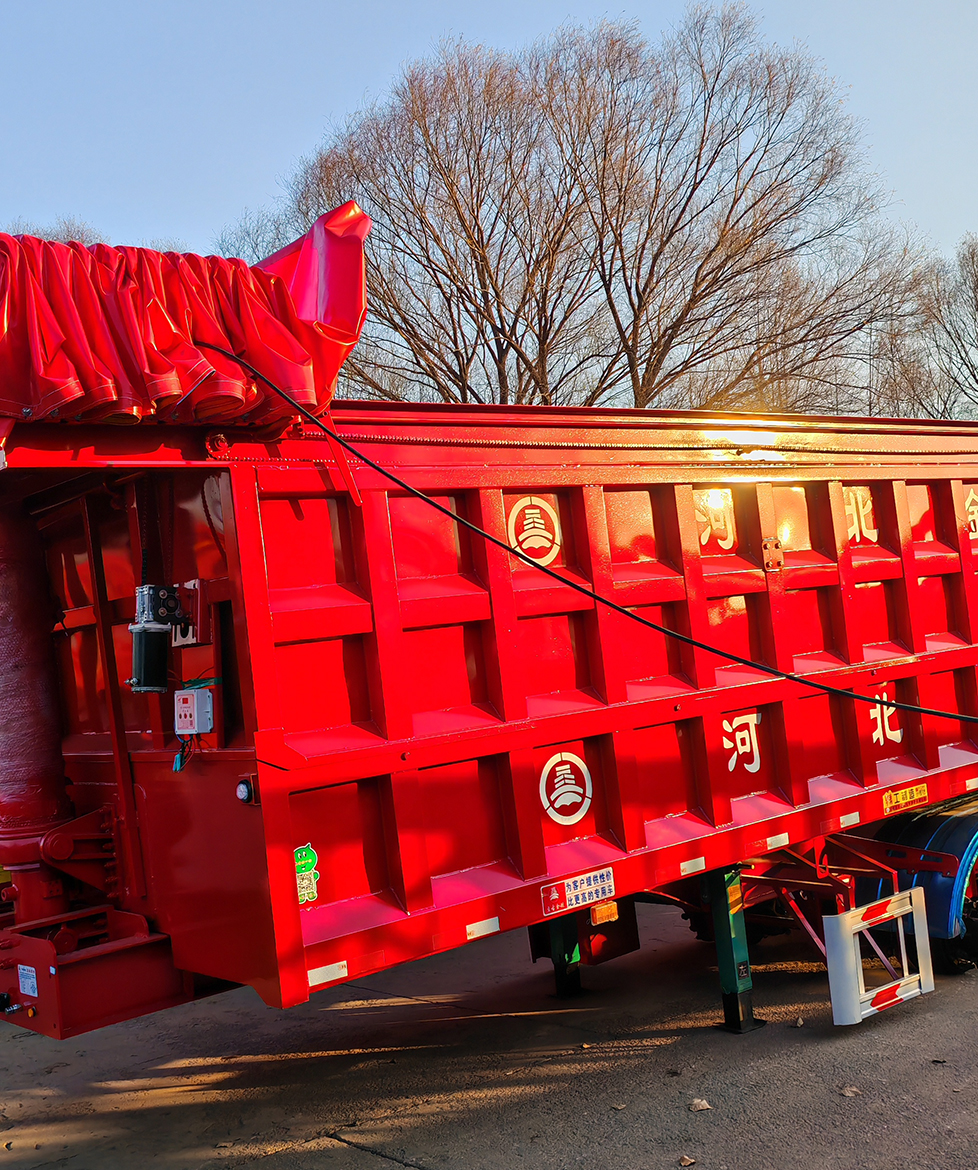
Both rear dump trailers and side dump trailers are used for bulk material transportation, but they differ in unloading direction, applicable sites, and operational requirements. Before purchasing, customers should make a selection based on actual cargo types and unloading procedures. Rear dump trailers use a hydraulic system to lift the trailer body backward, allowing cargo to be discharged from the rear. This method is suitable for sand, gravel, earthwork, ores, coal, and other scenarios requiring concentrated rearward dumping. Rear dump structures are commonly used in engineering transport, sand and gravel hauling, and general bulk cargo transport. Side dump trailers unload by tilting the cargo body to one side. They are typically suitable for sites with clear lateral unloading space. Side dump trailers have more specific requirements regarding site width, ground conditions, and surrounding safety clearance, so customers must ensure adequate lateral operating space is available. Whether choosing a rear dump or side dump model, you should confirm the cargo type, loading method, unloading site, road conditions, and local transport regulations. For uneven roads, slopes, confined spaces, or high-frequency dumping operations, operating conditions must be specified in advance. Both rear dump trailers and side dump trailers are used for bulk material transportation, but they differ in unloading direction, applicable sites, and operational requirements. Before purchasing, customers should make a selection based on actual cargo types and unloading procedures. Rear dump trailers use a hydraulic system to lift the trailer body backward, allowing cargo to be discharged from the rear. This method is suitable for sand, gravel, earthwork, ores, coal, and other scenarios requiring concentrated rearward dumping. Rear dump structures are commonly used in engineering transport, sand and gravel hauling, and general bulk cargo transport. Side dump trailers unload by tilting the cargo body to one side. They are typically suitable for sites with clear lateral unloading space. Side dump trailers have more specific requirements regarding site width, ground conditions, and surrounding safety clearance, so customers must ensure adequate lateral operating space is available. Whether choosing a rear dump or side dump model, you should confirm the cargo type, loading method, unloading site, road conditions, and local transport regulations. For uneven roads, slopes, confined spaces, or high-frequency dumping operations, operating conditions must be specified in advance. Based on the customer's actual transportation process, Jinhang Trailer can assist in determining whether a rear dump, side dump, or other dump trailer model is more suitable for project needs. Based on the customer's actual transportation process, Jinhang Trailer can assist in determining whether a rear dump, side dump, or other dump trailer model is more suitable for project needs.
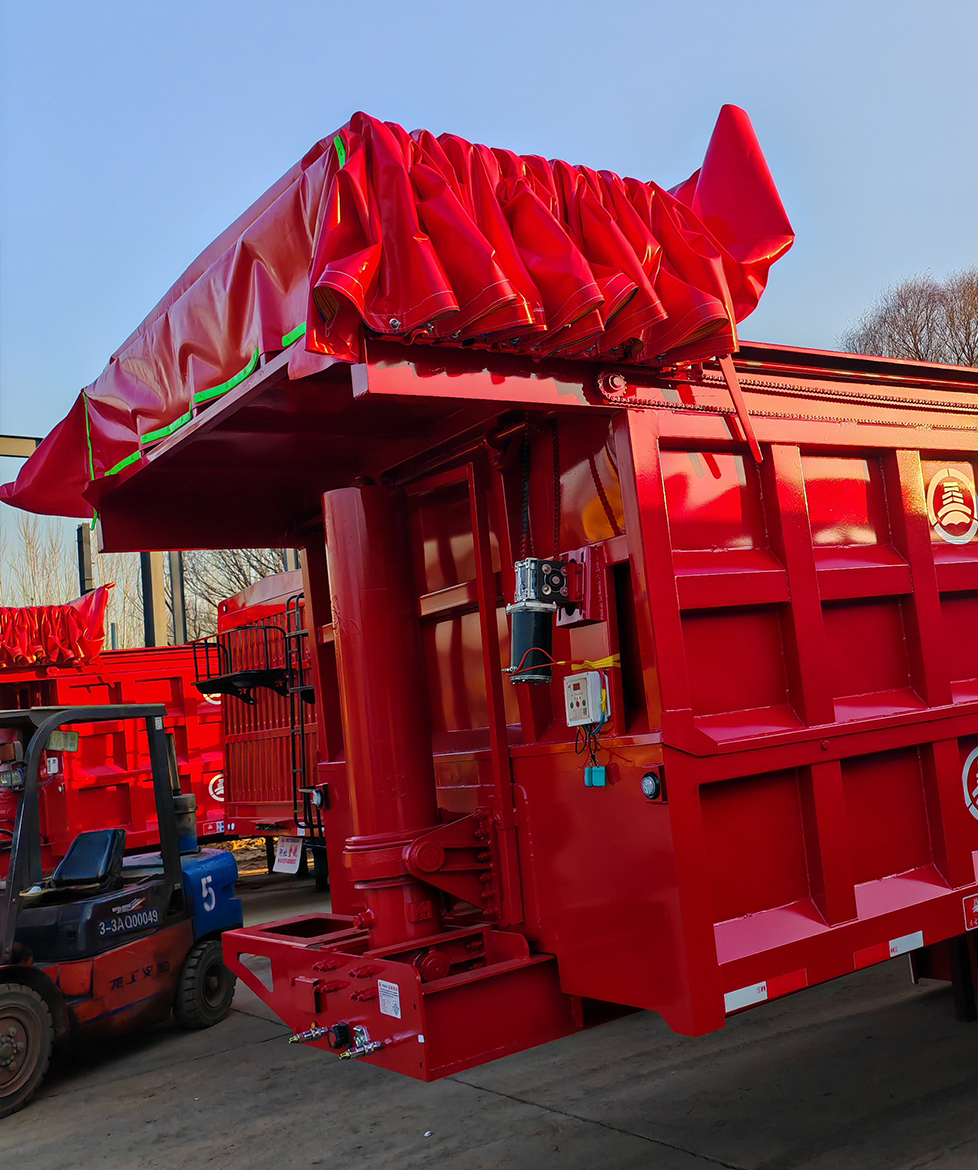
The 9.5-meter rear dump semi-trailer is suitable for scenarios requiring high-frequency transportation and fast unloading of bulk materials. It is commonly used in engineering construction, sand and gravel transportation, earthwork transportation, mining material turnover, and other short-haul or medium-to-short-haul bulk cargo transportation tasks. In engineering construction scenarios, the vehicle can be used to transport sand, gravel, earthwork, crushed stone, and construction materials. Customers usually need to pay attention to whether the vehicle is suitable for construction site roads, loading equipment types, and unloading locations. For construction sites, ground conditions change rapidly, and vehicle configurations need to fully consider stability and daily durability. In sand and gravel transportation scenarios, cargo weight and particle abrasiveness are key factors. Customers should confirm the single-trip payload capacity, cargo particle size, loading/unloading frequency, and main transport distance. A reasonable cargo box structure and load-bearing configuration will help the vehicle better adapt to long-term bulk material transportation. In mining areas or complex road environments, customers should pay special attention to road slope, road smoothness, average daily trips, and cargo weight. Mining roads differ from ordinary highways, and the vehicle needs to confirm suitable structural and component configurations based on actual working conditions. The 9.5-meter rear dump semi-trailer is suitable for scenarios requiring high-frequency transportation and fast unloading of bulk materials. It is commonly used in engineering construction, sand and gravel transportation, earthwork transportation, mining material turnover, and other short-haul or medium-to-short-haul bulk cargo transportation tasks. In engineering construction scenarios, the vehicle can be used to transport sand, gravel, earthwork, crushed stone, and construction materials. Customers usually need to pay attention to whether the vehicle is suitable for construction site roads, loading equipment types, and unloading locations. For construction sites, ground conditions change rapidly, and vehicle configurations need to fully consider stability and daily durability. In sand and gravel transportation scenarios, cargo weight and particle abrasiveness are key factors. Customers should confirm the single-trip payload capacity, cargo particle size, loading/unloading frequency, and main transport distance. A reasonable cargo box structure and load-bearing configuration will help the vehicle better adapt to long-term bulk material transportation. In mining areas or complex road environments, customers should pay special attention to road slope, road smoothness, average daily trips, and cargo weight. Mining roads differ from ordinary highways, and the vehicle needs to confirm suitable structural and component configurations based on actual working conditions. Based on customers' actual transportation scenarios, Jinhang Trailer can provide configuration consultations and customization advice for the 9.5-meter rear dump semi-trailer. Based on customers' actual transportation scenarios, Jinhang Trailer can provide configuration consultations and customization advice for the 9.5-meter rear dump semi-trailer.
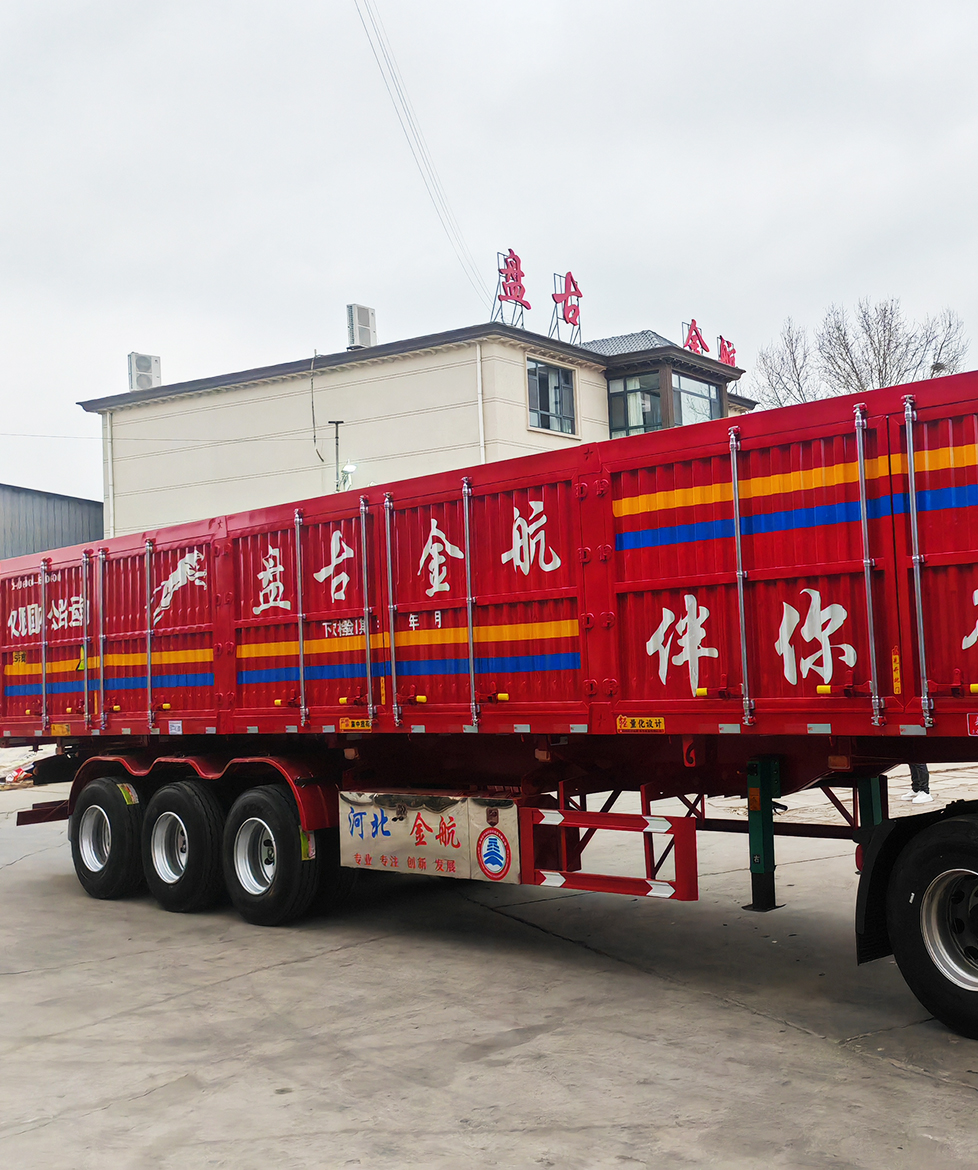
End dump semi-trailers can improve the unloading efficiency of bulk materials, but the lifting and unloading process imposes high requirements on site conditions, cargo status, and operating procedures. Conducting routine inspections and standardizing operations are essential foundations for ensuring the safety of both vehicles and personnel. Before unloading, the driver should first confirm that the vehicle is parked on flat, firm ground. If the ground has noticeable slope, subsidence, soft soil, potholes, or a significant lateral slope, the vehicle may experience instability during the lifting process. Sufficient rear clearance should also be reserved in the unloading area, and it should be confirmed that there are no personnel, equipment, power lines, or other obstacles around. When loading cargo, it should be distributed as evenly as possible. Cargo severely biased to one side, sticking due to long-term moisture, or large chunks of material jamming inside the trailer bed can all affect normal unloading. If abnormal unloading is detected, do not force the operation to continue; inspect the cargo status and vehicle condition first. End dump semi-trailers can improve the unloading efficiency of bulk materials, but the lifting and unloading process imposes high requirements on site conditions, cargo status, and operating procedures. Conducting routine inspections and standardizing operations are essential foundations for ensuring the safety of both vehicles and personnel. Before unloading, the driver should first confirm that the vehicle is parked on flat, firm ground. If the ground has noticeable slope, subsidence, soft soil, potholes, or a significant lateral slope, the vehicle may experience instability during the lifting process. Sufficient rear clearance should also be reserved in the unloading area, and it should be confirmed that there are no personnel, equipment, power lines, or other obstacles around. When loading cargo, it should be distributed as evenly as possible. Cargo severely biased to one side, sticking due to long-term moisture, or large chunks of material jamming inside the trailer bed can all affect normal unloading. If abnormal unloading is detected, do not force the operation to continue; inspect the cargo status and vehicle condition first. Before lifting, the vehicle's braking status, hydraulic system, and relevant connecting components should also be checked. During operation, lifting and unloading should be performed in accordance with the vehicle's operating requirements, avoiding continued operation when the vehicle is noticeably unstable or the site conditions do not meet specifications. Standardized operations and timely maintenance help reduce downtime and contribute to extending the service life of the vehicle. Before lifting, the vehicle's braking status, hydraulic system, and relevant connecting components should also be checked. During operation, lifting and unloading should be performed in accordance with the vehicle's operating requirements, avoiding continued operation when the vehicle is noticeably unstable or the site conditions do not meet specifications. Standardized operations and timely maintenance help reduce downtime and contribute to extending the service life of the vehicle.
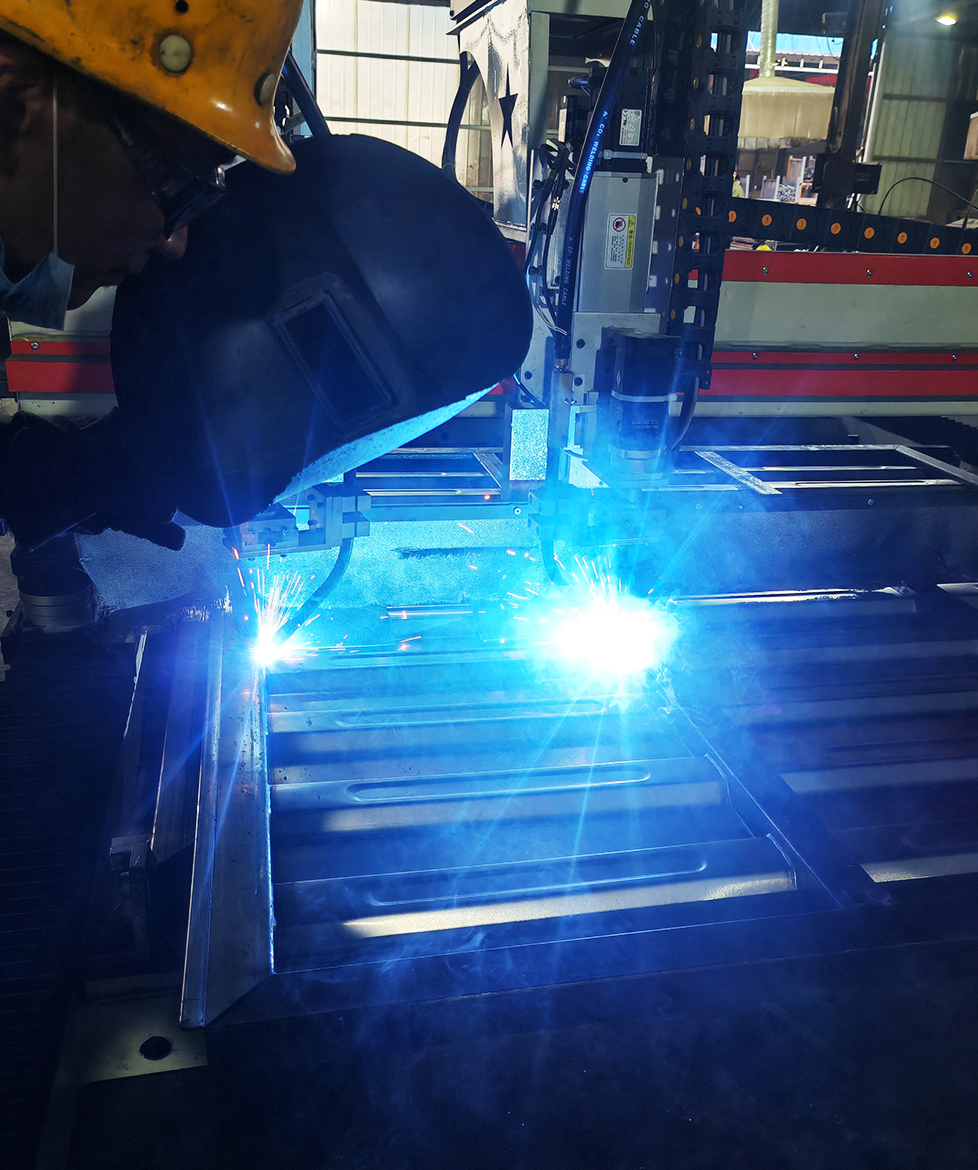
Before exporting a rear dump semi-trailer, the customer and manufacturer should first confirm the actual operating requirements of the vehicle and the regulations of the destination country. Sufficient preliminary communication helps reduce subsequent configuration adjustments and ensures the product better aligns with local transport environments. First, it is necessary to confirm what cargo the vehicle will transport. The type of cargo, density, expected payload, loading method, and dumping frequency are essential bases for determining the vehicle's structure and configuration. For different materials such as sand and gravel, ore, coal, and earthwork, customers should provide accurate usage details whenever possible. Second, it is important to understand the primary roads and work sites where the vehicle will operate. Will the vehicle run on standard roads, highways, ports, construction sites, or mining roads? Road conditions, gradients, surface smoothness, and dumping site conditions will all affect the choice of vehicle structure and components. Regulations of the destination country or region also need to be confirmed in advance. Different markets may have varying requirements for vehicle dimensions, axle loads, braking, lighting, tires, safety markings, and road transport. Export orders should not rely solely on standard model specifications, but rather confirm solutions in line with local actual regulations. After confirming the requirements, Jinhang Trailer can communicate with customers regarding box structures, axles, suspensions, braking systems, tires, hydraulic lifting systems, coatings, and accessories, preparing thoroughly for production, inspection, and shipping. Before exporting a rear dump semi-trailer, the customer and manufacturer should first confirm the actual operating requirements of the vehicle and the regulations of the destination country. Sufficient preliminary communication helps reduce subsequent configuration adjustments and ensures the product better aligns with local transport environments. First, it is necessary to confirm what cargo the vehicle will transport. The type of cargo, density, expected payload, loading method, and dumping frequency are essential bases for determining the vehicle's structure and configuration. For different materials such as sand and gravel, ore, coal, and earthwork, customers should provide accurate usage details whenever possible. Second, it is important to understand the primary roads and work sites where the vehicle will operate. Will the vehicle run on standard roads, highways, ports, construction sites, or mining roads? Road conditions, gradients, surface smoothness, and dumping site conditions will all affect the choice of vehicle structure and components. Regulations of the destination country or region also need to be confirmed in advance. Different markets may have varying requirements for vehicle dimensions, axle loads, braking, lighting, tires, safety markings, and road transport. Export orders should not rely solely on standard model specifications, but rather confirm solutions in line with local actual regulations. After confirming the requirements, Jinhang Trailer can communicate with customers regarding box structures, axles, suspensions, braking systems, tires, hydraulic lifting systems, coatings, and accessories, preparing thoroughly for production, inspection, and shipping. The following content is suitable for placement in the "Related Blogs" and "FAQ" sections at the bottom of the "9.5m Rear Dump Semi-Trailer" product detail page. Focusing primarily on model selection, applications, safety, export, and maintenance, it facilitates customer understanding and enriches SEO content on the product page. The following content is suitable for placement in the "Related Blogs" and "FAQ" sections at the bottom of the "9.5m Rear Dump Semi-Trailer" product detail page. Focusing primarily on model selection, applications, safety, export, and maintenance, it facilitates customer understanding and enriches SEO content on the product page.
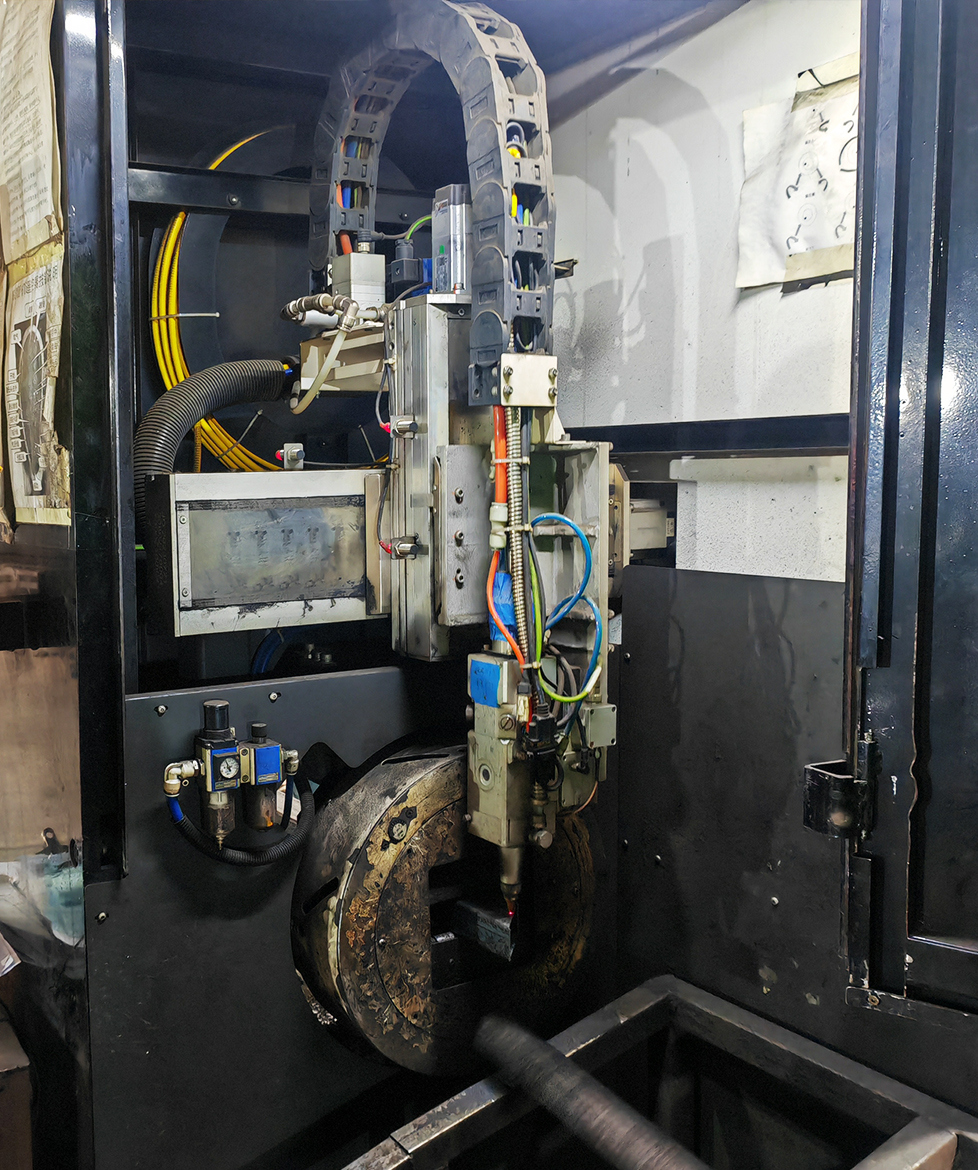
Before exporting a 6.8m ladder flatbed trailer, clients must provide the equipment type, weight, dimensions, loading/unloading method, transport route, tractor details, destination country, quantity, port of destination, and delivery timeline. If used for construction machinery transport, details such as track width, wheelbase, ground clearance, approach angle, ladder requirements, and securing methods are also required. Requests for custom brand painting, toolboxes, spare tire racks, or other accessories should be specified upfront. Destination country standards regarding vehicle dimensions, axle load, braking, lighting, and safety markings must be verified in advance. For models with unconfirmed detailed parameters, technical drawings and configuration specs should be finalized prior to production.
The key to how wing-van trailers boost efficiency lies in their upward-opening side wings. With both sides open, forklifts can load and unload directly from the side without relying solely on the rear door. For palletized, packaged goods, or multi-point operations, this design cuts wait times and enhances convenience. However, wing trailers are not suitable for all transport tasks. Buyers should consider if the warehouse or site has sufficient side space, available forklifts, and cargo suitable for side loading. The key to how wing-van trailers boost efficiency lies in their upward-opening side wings. With both sides open, forklifts can load and unload directly from the side without relying solely on the rear door. For palletized, packaged goods, or multi-point operations, this design cuts wait times and enhances convenience. However, wing trailers are not suitable for all transport tasks. Buyers should consider if the warehouse or site has sufficient side space, available forklifts, and cargo suitable for side loading. Before purchasing, customers are advised to choose the right model based on daily loading processes, cargo specs, fleet operations, and road conditions. Before purchasing, customers are advised to choose the right model based on daily loading processes, cargo specs, fleet operations, and road conditions.
The JHT9401CCY stake transport semi-trailer can be configured with a length ranging from 10 to 11.5 meters. Featuring a 3-axle structure, it is primarily designed for transporting steel, sand and gravel, big-bag mineral materials, heavy grains, and other general cargo. Steel transportation typically requires attention to cargo length, single-piece weight, center of gravity, and lashing methods; sand, gravel, and mineral materials require consideration of cargo density, loading volume, and vehicle load-bearing capacity; while big bags and heavy grains require proper stacking height planning to prevent off-center loading or shifting during transit. When requesting a quote, customers are advised to provide cargo weight, dimensions, packaging method, loading and unloading equipment, and major road conditions in order to confirm the most suitable body length, suspension, and securing accessories.
Steel features high weight, large variations in length, and a concentrated center of gravity. Before purchasing a fence semi-trailer, you should first confirm the length, width, unit weight, bundling method, and loading/unloading equipment for the steel. When loading, the cargo should be placed within the primary load-bearing area of the vehicle as much as possible, with front-to-back and side-to-side weight properly distributed to avoid significant eccentric loading. Depending on the steel shape and transport route, chains, straps, chocks, or other suitable securing methods can be used. Before transport, inspect the sideboards, upright posts, tie-down points, tires, suspension, and braking systems. For extra-long steel, verify road height limits, width limits, turning clearance, and cargo overhang regulations in advance.
During the transportation of fruits, vegetables, and agricultural products, efforts should be made to minimize crushing, collisions, and cargo shifting. Before loading, it is recommended to arrange the cargo in layers based on its packaging, pressure tolerance, and weight, preventing heavy items from pressing on fragile goods. Cargo should be evenly distributed throughout the vehicle compartment and not concentrated on one side or in localized areas. For lightweight and easily shifted items, straps, dividers, or other securing accessories can be used based on actual conditions. Before transit, sideboards, pillars, locks, and tie-down points should also be inspected to ensure they are in good condition. For long-distance transport, the loading and unloading sequence should be arranged logically to minimize repeated handling en route and reduce the risk of cargo damage.
While the stake structure provides a certain level of containment, heavy cargo still requires separate securement. Securing methods for steel materials, bulk bags (FIBCs) of minerals, and heavy grains should be selected based on cargo shape, packaging, and center of gravity. After loading is complete, check whether the cargo exceeds allowable vehicle limits, whether tie-down points are secure, and whether the sideboards and locking mechanisms function properly. For goods prone to rolling, sliding, or having a high center of gravity, additional chocks, straps, or other auxiliary measures should be added. Once the vehicle is in service, regularly inspect the sideboards, stakes, tie-down rings, tires, suspension, brakes, and axles, and promptly address any looseness or abnormal wear.
The length of the JHT9401CCYE stake semi-trailer can be confirmed between 9.5 and 13 meters according to project requirements. It is mainly used for the transportation of fruits and vegetables, agricultural and sideline products, general merchandise, building materials, and other general cargo. Fruits, vegetables, and agricultural products typically require reduced squeezing, collision, and shifting; general merchandise transport focuses more on loading and unloading efficiency and space utilization; building materials transport requires special consideration of cargo weight, dimensions, and securing methods. The stake structure provides a relatively open loading and unloading space, facilitating loading via forklifts, cranes, and manual labor. When selecting a model, customers are advised to provide packaging dimensions, unit weight, loading height, loading/unloading equipment, and main transport routes of frequently shipped goods, in order to confirm the appropriate vehicle length, stake structure, and accessory configurations.
The JHT9401CCYE stake semi-trailer offers a length range of 9.5 to 13 meters, suitable for different cargo volumes and transport routes. Shorter models are generally better suited for transport tasks around suburban areas, rural roads, routes with frequent turns, or loading and unloading sites with limited space. Longer models are more suitable for logistics scenarios with larger cargo volumes, relatively stable routes, and the need to maximize single-trip capacity. When choosing trailer length, you should also take into account local vehicle dimension regulations, tractor matching, road width, and loading/unloading space. A longer trailer does not necessarily mean higher transport efficiency; the key is whether the cargo dimensions match the actual route conditions.
During the transportation of fruits, vegetables, and agricultural by-products, efforts should be made to minimize crushing, collisions, and cargo shifting. Before loading, it is recommended to arrange cargo in layers based on packaging, pressure resistance, and weight, avoiding placing heavy items on top of fragile goods. Cargo should be evenly distributed inside the compartment and must not be concentrated on one side or in specific areas. For lighter and easily movable packages, straps, partitions, or other securing accessories can be used as appropriate. Before transport, also check whether sideboards, pillars, locks, and anchor points are in proper condition. For long-distance transportation, the loading and unloading sequence should be planned reasonably to minimize repeated handling en route and reduce the risk of cargo damage.
Stake semi-trailers feature a relatively open cargo space and can be loaded and unloaded from the sides, rear, or top depending on site conditions, making them suitable for transporting general merchandise, agricultural products, and building materials. When operating with forklifts, ensure sufficient working space on both sides and at the rear of the vehicle; when using cranes for loading and unloading, verify the cargo weight, lifting points, and platform load-bearing areas. Loading methods vary for building materials, packaged goods, and palletized cargo, so customers should specify their commonly used loading and unloading equipment in advance. For long-term fleet operations, establishing a standard cargo loading checklist to record dimensions, quantities, placement arrangements, and securing requirements can reduce loading time and improve vehicle turnaround efficiency.
The 12-meter rigid wing van truck has a cargo body volume of approximately 63 m³ and a rated load capacity of 18 tons, making it suitable for palletized cargo, agricultural products, general merchandise, household appliances, industrial products, and other general goods requiring higher loading and unloading efficiency. When closed, it provides the cargo protection features of an enclosed box van; when both side wings are opened, it offers larger side-loading space for forklifts. This model is ideal for warehouse distribution, logistics transfer, supermarket delivery, and transport tasks with frequent loading and unloading. Before purchasing, customers should confirm cargo dimensions, pallet specifications, forklift operation methods, and loading/unloading sites.
Standard box trucks are typically loaded and unloaded from the rear of the vehicle, making them suitable for warehouse docks, rear-door access, or fixed loading platform operations. Wing-body trucks feature openable wings on both sides, allowing forklifts to load and unload directly from the sides when opened. For palletized goods, home appliances, and packaged cargo, this design reduces repetitive handling and enhances loading and unloading flexibility. If the customer's loading site has ample side space and requires frequent daily loading and unloading, a wing-body truck is well worth considering; if operations primarily rely on fixed loading docks from the rear, a standard box truck may already suffice.
This model is equipped with 4 Shandong Hyva 80-600 bi-directional cylinders to support the opening and closing of the side wings on both sides. Once the wings are opened, forklifts can access the cargo area from the side of the vehicle, which is suitable for palletized goods and logistics scenarios requiring fast batch loading and unloading. Compared with relying entirely on rear-door operations, side loading and unloading provides warehouses and fleets with more operational methods. During use, cylinders, hydraulic lines, connection parts, and locking mechanisms should be inspected regularly. When opening or closing the wings, ensure the vehicle is parked stably and that there are no buildings, equipment, or personnel around.
Before loading, the layout should be planned according to cargo dimensions, pallet specifications, individual piece weight, and the loading/unloading sequence. Cargo should be distributed as evenly as possible to avoid excessive local weight or over-stacking. For home appliances, agricultural products, and fragile goods, dividers, straps, or cushioning materials can be used based on actual conditions to reduce collisions during transport. After loading is completed, confirm that the cargo is secured, the wing panels are locked, and the box sealing is in normal condition. When using a forklift for side loading and unloading, sufficient operating space should be reserved on both sides of the vehicle to prevent the opened wing panels from colliding with walls, equipment, or other vehicles.
The 12-meter rigid box truck has an overall vehicle length of 12 meters, a cargo box volume of approximately 63 m³, and a rated payload of 18 tons, making it suitable for transporting agricultural products, general merchandise, home appliances, industrial products, packaged goods, and other general cargo. The enclosed cargo box reduces the impact of rain, dust, and the external environment on goods, making it ideal for regional distribution, medium- to long-distance logistics, warehouse transfers, and bulk cargo transportation. Before purchasing, customers should provide the dimensions (length, width, and height), packaging method, unit weight, pallet specifications, and loading/unloading equipment of the regularly transported goods to confirm whether the cargo box space matches actual transport requirements.
The cargo box volume of this model is approximately 63 m³, with internal cargo dimensions of about 9,600 × 2,460 × 2,700 mm. For multi-category general cargo, loading planning directly affects vehicle transport efficiency. Before loading, placement should be arranged according to cargo dimensions, packaging specifications, and quantity per shipment. Palletized goods require advance confirmation of pallet specifications and forklift aisles, while home appliances and industrial products require consideration of stacking height, spacing between goods, and collision protection. Properly planning cargo placement not only minimizes unused space inside the cargo box, but also balances weight distribution more evenly, reducing the risk of cargo shifting during transit.
The enclosed box body provides essential protection against rain, dust, and external environmental factors for agricultural products, home appliances, and industrial goods. When transporting agricultural products, stacking height should be arranged based on packaging and cargo characteristics to avoid excessive crushing; for home appliances and industrial products, partitions, cushioning materials, or securing devices can be used to reduce collisions and shifting during transit. Before using the vehicle, inspect the box floor, side panels, rear doors, locking mechanisms, and sealing components. For long-distance transportation or rainy season operations, extra attention should be paid to the box sealing and cargo packaging condition.
This model's sub-beam uses 220# bent parts made of T700 4.5 mm, the cargo floor uses T700 2.0 mm, and the side panels use T700 1.2 mm. The sub-beams, floor, and side panels together form the fundamental structure of the cargo box. When purchasing, customers should consider cargo weight, loading and unloading methods, and transport frequency to confirm whether the cargo box structure meets actual operational needs. If the vehicle is primarily used to transport palletized goods or frequently loaded and unloaded with forklifts, key attention should also be paid to floor load capacity, rear door opening, forklift passage, and cargo securing methods.
Shijiazhuang Jinhang Trailer Manufacturing Co., Ltd. was established in July 2010, focusing on the manufacturing and customization services of various semi-trailers. In the early days of establishment, the factory area was approximately 10,000 square meters, with annual sales of about 200 trailers. With the continuous increase in market demand and customer cooperation, the factory area expanded to about 20,000 square meters in 2015, with annual sales of about 1,000 units; by 2018, the factory area reached approximately 30,000 square meters, with annual sales of around 2,000 units. In 2023, the Jinhang trailer manufacturing base reached 46,666 square meters, with annual sales of about 2,300 units. In 2025, the company's annual sales reached about 2,400 trailers. By 2026, Jinhang has over 100 employees and more than 300 pieces of production and testing equipment. From domestic customer cooperation to export business development, Jinhang has always adhered to the corporate philosophy of "Quality like Gold, Technology Leading". We value every manufacturing detail of each trailer and cherish every customer cooperation opportunity. Shijiazhuang Jinhang Trailer Manufacturing Co., Ltd. was established in July 2010, focusing on the manufacturing and customization services of various semi-trailers. In the early days of establishment, the factory area was approximately 10,000 square meters, with annual sales of about 200 trailers. With the continuous increase in market demand and customer cooperation, the factory area expanded to about 20,000 square meters in 2015, with annual sales of about 1,000 units; by 2018, the factory area reached approximately 30,000 square meters, with annual sales of around 2,000 units. In 2023, the Jinhang trailer manufacturing base reached 46,666 square meters, with annual sales of about 2,300 units. In 2025, the company's annual sales reached about 2,400 trailers. By 2026, Jinhang has over 100 employees and more than 300 pieces of production and testing equipment. From domestic customer cooperation to export business development, Jinhang has always adhered to the corporate philosophy of "Quality like Gold, Technology Leading". We value every manufacturing detail of each trailer and cherish every customer cooperation opportunity.
Transportation of fruits, vegetables, and agricultural supplies has specific requirements for loading and unloading efficiency, cargo stacking, and vehicle ventilation conditions. When purchasing a stake semi-trailer, customers should first confirm the cargo type, packaging method, unit weight, stacking height, and handling equipment. Fruits and vegetables generally require minimizing crushing and collision, while agricultural supplies may involve diverse packaging specifications and significant weight differences. When loading, cargo should be properly zoned based on its characteristics to avoid localized overloading or shifting during transit. Vehicle length, platform structure, sidewall height, locks, and accessories all need to be confirmed in accordance with routine transportation operations. Customers who frequently use forklifts for loading and unloading should also specify forklift operating clearance and site conditions. Transportation of fruits, vegetables, and agricultural supplies has specific requirements for loading and unloading efficiency, cargo stacking, and vehicle ventilation conditions. When purchasing a stake semi-trailer, customers should first confirm the cargo type, packaging method, unit weight, stacking height, and handling equipment. Fruits and vegetables generally require minimizing crushing and collision, while agricultural supplies may involve diverse packaging specifications and significant weight differences. When loading, cargo should be properly zoned based on its characteristics to avoid localized overloading or shifting during transit. Vehicle length, platform structure, sidewall height, locks, and accessories all need to be confirmed in accordance with routine transportation operations. Customers who frequently use forklifts for loading and unloading should also specify forklift operating clearance and site conditions. Jinhang Trailer can communicate and customize drop-deck structures, mechanical or air suspensions, as well as lock and accessory configurations according to customer cargo types and transportation workflows. Jinhang Trailer can communicate and customize drop-deck structures, mechanical or air suspensions, as well as lock and accessory configurations according to customer cargo types and transportation workflows.
A semi-trailer capable of long-term stable operation relies on rational design, standardized manufacturing, and meticulous inspection. At Jinhang Trailer, every vehicle begins with customer requirement confirmation. The customer's cargo, load capacity requirements, road conditions, tractor specifications, country of use, and delivery deadlines will all influence the final product solution. During the manufacturing process, vehicles undergo frame fabrication, body or platform assembly, suspension and axle installation, pneumatic and electrical system assembly, hydraulic system installation, painting, and complete vehicle inspection. Different models also have different focuses: Dump semi-trailers focus more on the cargo box structure and lifting system, flatbed trailers focus more on load capacity and cargo securement, while container chassis trailers require confirmation of twist lock positions and container specifications. Before leaving the factory, Jinhang conducts inspections on dimensions, assembly, braking, lighting, electrical circuits, appearance, and related functions based on vehicle configurations to prepare for subsequent transport and operation. We believe that quality is not something that only starts at the final inspection A semi-trailer capable of long-term stable operation relies on rational design, standardized manufacturing, and meticulous inspection. At Jinhang Trailer, every vehicle begins with customer requirement confirmation. The customer's cargo, load capacity requirements, road conditions, tractor specifications, country of use, and delivery deadlines will all influence the final product solution. During the manufacturing process, vehicles undergo frame fabrication, body or platform assembly, suspension and axle installation, pneumatic and electrical system assembly, hydraulic system installation, painting, and complete vehicle inspection. Different models also have different focuses: dump semi-trailers focus more on the cargo box structure and lifting system, flatbed trailers focus more on load capacity and cargo securement, while container chassis trailers require confirmation of twist lock positions and container specifications. Before leaving the factory, Jinhang conducts inspections on dimensions, assembly, braking, lighting, electrical circuits, appearance, and related functions based on vehicle configurations to prepare for subsequent transport and operation. We believe that quality is not something that only starts at the final inspection, but should run throughout the entire process of requirement confirmation, manufacturing, assembly inspection, and delivery preparation. starts, but should run throughout the entire process of requirement confirmation, manufacturing, assembly inspection, and delivery preparation.
In 2026, Jinhang Trailer exported and delivered 24 rear dump semi-trailers to Guinea. This is one of the company's key projects to continuously advance its export business and serve overseas transport customers. Rear dump semi-trailers are mainly used for transporting bulk materials such as sand, gravel, ore, coal, and earthwork. Differences in cargo density, payload requirements, road conditions, and unloading frequency result in varying specifications for the box structure, axles, suspension, tires, braking, and hydraulic lifting systems. In export projects, product manufacturing is only one part of the process. Confirming customer requirements, communicating technical solutions, production scheduling, quality inspection, shipment preparation, dispatch coordination, and after-sales support are equally vital to the smooth completion of the project. The delivery of 24 rear dump semi-trailers for this Guinea project demonstrates Jinhang's ability to provide product manufacturing and export delivery support for overseas volume clients. Jinhang can, according to the customer's transported cargo, estimated payload, roa In 2026, Jinhang Trailer exported and delivered 24 rear dump semi-trailers to Guinea. This is one of the company's key projects to continuously ad- vance export business and serve overseas transport customers. Rear dump semi-trailers are mainly used for transporting bulk materials such as sand, gravel, ore, coal, and earthwork. Different cargo's density, payload requirements, road conditions, and unloading frequency vary, demanding different cargo box structures, axles, suspensions, tires, brakes, and hydraulic lifting systems. In export projects, product manufacturing is only one part of the process. Customer requirement confirmation, technical solution communication, production scheduling, quality inspection, shipment preparation, dispatch coordination, and after-sales support are equally vital to the smooth completion of the project. The delivery of 24 rear dump semi-trailers for this Guinea project reflects Jinhang's capability to provide product manufacturing and export delivery support for overseas volume clients. Jinhang can offer more tailored configuration recommendations for rear dump semi-trailers based on the customer's transported cargo, estimated payload, road conditions, country of operation, and destination port information. road conditions, country of operation, and destination port information, to provide more tailored configuration recommendations for rear dump semi-trailers.
Shijiazhuang Jinhang Trailer Manufacturing Co., Ltd. was founded in July 2010, specializing in manufacturing and customizing various semi-trailers. Initially, the plant covered ~10,000 m² with annual sales of ~200 trailers. Driven by growing market demand and partnerships, it expanded to ~20,000 m² in 2015 (sales: ~1,000 units) and ~30,000 m² in 2018 (sales: ~2,000 units). In 2023, Jinhang's base reached 46,666 m² with annual sales of ~2,300 units. In 2025, sales reached ~2,400 trailers. By 2026, Jinhang has over 100 employees and 300+ sets of production and testing equipment. From domestic partnerships to export expansion, Jinhang adheres to the philosophy of "Gold Quality, Tech Leadership." We value every manufacturing detail and cherish every opportunity to cooperate. Shijiazhuang Jinhang Trailer Manufacturing Co., Ltd. was founded in July 2010, focusing on semi-trailer manufacturing and customization services. Initially, the plant covered ~10,000 m² with annual sales of ~200 trailers. Driven by growing market demand and partnerships, it expanded to ~20,000 m² in 2015 (sales: ~1,000 units) and ~30,000 m² in 2018 (sales: ~2,000 units). In 2023, Jinhang's base reached 46,666 m² with annual sales of ~2,300 units. In 2025, sales reached ~2,400 trailers. By 2026, Jinhang has over 100 employees and 300+ sets of production and testing equipment. From domestic partnerships to export expansion, Jinhang adheres to the philosophy of "Gold Quality, Tech Leadership." We value every manufacturing detail and cherish every opportunity to cooperate.
The packaging, weight, dimensions, and loading/unloading methods of agricultural and building materials vary, leading to different requirements for stake side dump semi-trailers. Bagged agricultural products usually require attention to side panel height, cargo stacking stability, and the prevention of shifting during transport. For bulk building materials like sand, gravel, earthwork, and crushed stone, focus should be placed on the cargo box structure, cargo density, unloading efficiency, and vehicle load-bearing capacity. When transporting industrial materials or blocky engineering materials, it is also necessary to confirm whether the cargo is prone to uneven loading, sticking, or impacting the cargo box. Customers can provide the cargo name, unit weight, dimensions, loading equipment, and daily transport frequency to help manufacturers determine the suitable vehicle structure. Road conditions also affect vehicle selection. Will the vehicle operate on public roads, construction sites, material yards, mining areas, or rural roads? Different road surfaces and unloading sites may have varying requirements for the frame, suspension, tires, and unloading stability. The packaging, weight, dimensions, and loading/unloading methods of agricultural and building materials vary, leading to different requirements for stake side dump semi-trailers. Bagged agricultural products usually require attention to side panel height, cargo stacking stability, and the prevention of shifting during transport. For bulk building materials like sand, gravel, earthwork, and crushed stone, focus should be placed on the cargo box structure, cargo density, unloading efficiency, and vehicle load-bearing capacity. When transporting industrial materials or blocky engineering materials, it is also necessary to confirm whether the cargo is prone to uneven loading, sticking, or impacting the cargo box. Customers can provide the cargo name, unit weight, dimensions, loading equipment, and daily transport frequency to help manufacturers determine the suitable vehicle structure. Road conditions also affect vehicle selection. Will the vehicle operate on public roads, construction sites, material yards, mining areas, or rural roads? Different road surfaces and unloading sites may have varying requirements for the frame, suspension, tires, and unloading stability. Jinhang Trailer can communicate the side panel, cargo box, unloading, and accessory solutions for 13-meter stake side dump semi-trailers based on customer cargo and usage scenarios. Jinhang Trailer can communicate the side panel, cargo box, unloading, and accessory solutions for 13-meter stake side dump semi-trailers based on customer cargo and usage scenarios.
A 13-meter stake side dump trailer is suitable for transporting cargo that requires side-wall enclosure as well as self-dumping capabilities. Depending on actual configurations and working conditions, common applications include agricultural supplies, sand and gravel, earthwork, building materials, industrial materials, and other bulk cargo transport. The side-wall structure provides lateral containment for goods, making it suitable for carrying bagged, granular, or block materials. The self-dumping function helps reduce manual unloading time, improving transport and material turnaround efficiency. When selecting a model, customers should first confirm the cargo density, single-trip payload, packaging method, loading equipment, and unloading site conditions. For heavier, sticky, or irregularly sized goods, the state of the cargo should be specified in advance to communicate and select the appropriate cargo box and dumping configurations. A 13-meter stake side dump trailer is suitable for transporting cargo that requires side-wall enclosure as well as self-dumping capabilities. Depending on actual configurations and working conditions, common applications include agricultural supplies, sand and gravel, earthwork, building materials, industrial materials, and other bulk cargo transport. The side-wall structure provides lateral containment for goods, making it suitable for carrying bagged, granular, or block materials. The self-dumping function helps reduce manual unloading time, improving transport and material turnaround efficiency. When selecting a model, customers should first confirm the cargo density, single-trip payload, packaging method, loading equipment, and unloading site conditions. For heavier, sticky, or irregularly sized goods, the state of the cargo should be specified in advance to communicate and select the appropriate cargo box and dumping configurations. The vehicle length is 13 meters, but the actual scope of application must be confirmed in combination with local road conditions, turning clearance, tractor matching, and vehicle regulations. The vehicle length is 13 meters, but the actual scope of application must be confirmed in combination with local road conditions, turning clearance, tractor matching, and vehicle regulations.
2. What is the difference between a side-wall dump semi-trailer and a rear-dump semi-trailer? Both side-wall dump semi-trailers and rear-dump semi-trailers can be used for bulk cargo transport, but their side-wall structures, unloading directions, and applicable scenarios may differ. Side-wall dump semi-trailers typically emphasize side-wall containment and flexible loading, with specific unloading methods to be confirmed based on the actual vehicle structure. Rear-dump semi-trailers mainly unload cargo from the rear by lifting the cargo box, making them suitable for engineering transport scenarios where there is clear space for rear unloading. When comparing the two types of vehicles, customers should focus on confirming the following points: Comparison Item Side-wall Dump Semi-trailer Rear-dump Semi-trailer Structural Features Balances side-wall containment with dumping needs Primarily uses rear lifting for unloading Applicable Cargo Agricultural supplies, building materials, bulk goods, and general engineering materials Sand, gravel, earthwork, ore, coal, and other bulk materials Unloading Conditions Confirmed based on specific structure and unloading method Requires sufficient space at the rear for unloading Selection Focus Side-wall structure, loading method, and unloading design Lifting system, stability, and rear site conditions 2. What is the difference between a side-wall dump semi-trailer and a rear-dump semi-trailer? Both side-wall dump semi-trailers and rear-dump semi-trailers can be used for bulk cargo transport, but their side-wall structures, unloading directions, and applicable scenarios may differ. Side-wall dump semi-trailers typically emphasize side-wall containment and flexible loading, with specific unloading methods to be confirmed based on the actual vehicle structure. Rear-dump semi-trailers mainly unload cargo from the rear by lifting the cargo box, making them suitable for engineering transport scenarios where there is clear space for rear unloading. When comparing the two types of vehicles, customers should focus on confirming the following points: Comparison Item Side-wall Dump Semi-trailer Rear-dump Semi-trailer Structural Features Balances side-wall containment with dumping needs Primarily uses rear lifting for unloading Applicable Cargo Agricultural supplies, building materials, bulk goods, and general engineering materials Sand, gravel, earthwork, ore, coal, and other bulk materials Unloading Conditions Confirmed based on specific structure and unloading method Requires sufficient space at the rear for unloading Selection Focus Side-wall structure, loading method, and unloading design Lifting system, stability, and rear site conditions If a customer needs to balance both general cargo loading and dumping functions, they should provide photos of the cargo and the loading/unloading process when requesting a quote to avoid judging the vehicle type solely by its name. If a customer needs to balance both general cargo loading and dumping functions, they should provide photos of the cargo and the loading/unloading process when requesting a quote to avoid judging the vehicle type solely by its name.
Before putting a side-wall dump semi-trailer into use, ensure that the cargo is loaded evenly and that the vehicle parking position and unloading site meet operational requirements. When loading, avoid concentrating the cargo significantly on one side, and do not exceed the vehicle's permitted height, width, and load capacity. For bagged, granular, or block cargo, stack it reasonably according to the cargo's characteristics and use appropriate securing measures. Before unloading, ensure the ground is level and firm, and that there are no personnel, equipment, buildings, power lines, or other obstacles around the vehicle. If the vehicle uses side unloading, ensure there is sufficient operating space on the tipping side; if rear unloading is used, ensure there is sufficient space behind the vehicle. Before putting a side-wall dump semi-trailer into use, ensure that the cargo is loaded evenly and that the vehicle parking position and unloading site meet operational requirements. When loading, avoid concentrating the cargo significantly on one side, and do not exceed the vehicle's permitted height, width, and load capacity. For bagged, granular, or block cargo, stack it reasonably according to the cargo's characteristics and use appropriate securing measures. Before unloading, ensure the ground is level and firm, and that there are no personnel, equipment, buildings, power lines, or other obstacles around the vehicle. If the vehicle uses side unloading, ensure there is sufficient operating space on the tipping side; if rear unloading is used, ensure there is sufficient space behind the vehicle. If you encounter cargo sticking, unsmooth lifting, vehicle tilting, structural abnormalities, or hydraulic system issues, stop the operation and check for the cause. After unloading is complete, ensure the cargo box has fully returned to its position and is locked properly before continuing to drive. If you encounter cargo sticking, unsmooth lifting, vehicle tilting, structural abnormalities, or hydraulic system issues, stop the operation and check for the cause. After unloading is complete, ensure the cargo box has fully returned to its position and is locked properly before continuing to drive.
13-meter standard dump semi-trailers are primarily suitable for transporting bulk cargo that requires centralized loading and rapid unloading. Depending on the vehicle structure and actual configuration, they can be used for the transport of sand, gravel, earthwork, crushed stone, coal, ore, construction materials, and other engineering materials. The standard box structure provides a certain level of containment for the cargo, making it suitable for granular, powdery, or block materials. The dump function reduces manual unloading time, making it ideal for construction projects, material yard turnover, mining area transport, and other high-frequency unloading scenarios. When selecting a model, customers should confirm the cargo density, single-load weight, loading method, unloading frequency, and road conditions in advance. For cargo that is prone to sticking, has high moisture content, or is highly abrasive, the cargo characteristics should also be specified to facilitate communication regarding the trailer structure and unloading plan. 13-meter standard dump semi-trailers are primarily suitable for transporting bulk cargo that requires centralized loading and rapid unloading. Depending on the vehicle structure and actual configuration, they can be used for the transport of sand, gravel, earthwork, crushed stone, coal, ore, construction materials, and other engineering materials. The standard box structure provides a certain level of containment for the cargo, making it suitable for granular, powdery, or block materials. The dump function reduces manual unloading time, making it ideal for construction projects, material yard turnover, mining area transport, and other high-frequency unloading scenarios. When selecting a model, customers should confirm the cargo density, single-load weight, loading method, unloading frequency, and road conditions in advance. For cargo that is prone to sticking, has high moisture content, or is highly abrasive, the cargo characteristics should also be specified to facilitate communication regarding the trailer structure and unloading plan. 13 meters is only the vehicle length information; actual suitability must also be confirmed in combination with vehicle dimensions, axle load, tractor unit, and the regulations of the destination country. 13 meters is only the vehicle length information; actual suitability must also be confirmed in combination with vehicle dimensions, axle load, tractor unit, and the regulations of the destination country.
Both standard box tipper trailers and conventional rear dump trailers can transport bulk materials, but they differ in box structure, cargo containment, and primary applications. Standard box tipper trailers emphasize box-type bodies and cargo containment, suitable for tasks requiring reduced spillage or standardized loading. Conventional rear dump trailers rely on rear-tilting bodies to discharge cargo from the back, commonly used for gravel, earthwork, and construction materials. When choosing between the two, evaluate cargo type, body capacity, handling methods, discharge site, and road conditions. Comparison Item Standard Box Tipper Trailer Conventional Rear Dump Trailer Structural Focus Standard/enclosed box combined with tipping function Rear-tilt body with lifting system Cargo Containment Depends on box structure, higher focus on containment Depends on body height and structure Applicable Cargo Bulk materials, engineering materials, specific box-transport needs Sand, gravel, earthwork, ore, coal, etc. Selection Key Points Box dimensions, capacity, discharge method Lifting system, rear clearance, and stability Both standard box tipper trailers and conventional rear dump trailers can transport bulk materials, but they differ in box structure, cargo containment, and primary applications. Standard box tipper trailers emphasize box-type bodies and cargo containment, suitable for tasks requiring reduced spillage or standardized loading. Conventional rear dump trailers rely on rear-tilting bodies to discharge cargo from the back, commonly used for gravel, earthwork, and construction materials. When choosing between the two, evaluate cargo type, body capacity, handling methods, discharge site, and road conditions. Comparison Item Standard Box Tipper Trailer Conventional Rear Dump Trailer Structural Focus Standard/enclosed box combined with tipping function Rear-tilt body with lifting system Cargo Containment Depends on box structure, higher focus on containment Depends on body height and structure Applicable Cargo Bulk materials, engineering materials, specific box-transport needs Sand, gravel, earthwork, ore, coal, etc. Selection Key Points Box dimensions, capacity, discharge method Lifting system, rear clearance, and stability If transporting powder, granular, or spill-prone cargo, please specify cargo state and loading method during inquiry to evaluate if a box structure is preferable. If transporting powder, granular, or spill-prone cargo, please specify cargo state and loading method during inquiry to evaluate if a box structure is preferable.
When choosing a JHT9400L dump semi-trailer, you should first clarify the cargo to be transported and the actual operating environment. For bulk materials such as sand, gravel, earthwork, and ore, it is necessary to confirm the cargo density, particle size, moisture content, and abrasiveness. For powdery minerals, building materials, or other goods prone to spilling, focus should be placed on the box height, sealing or enclosure structure, and loading/unloading methods. Road conditions also affect vehicle configuration. Will the vehicle mainly travel on ordinary roads, highways, construction sites, material yards, or mining roads? Road width, gradient, surface flatness, and turning conditions all need to be specified before purchase. In addition, you should confirm the loading equipment, unloading location, daily transport frequency, tractor parameters, and destination country regulations. Complete operating condition data helps in confirming the cargo box volume, axle load, suspension, tires, braking, and unloading structure. When choosing a JHT9400L dump semi-trailer, you should first clarify the cargo to be transported and the actual operating environment. For bulk materials such as sand, gravel, earthwork, and ore, it is necessary to confirm the cargo density, particle size, moisture content, and abrasiveness. For powdery minerals, building materials, or other goods prone to spilling, focus should be placed on the box height, sealing or enclosure structure, and loading/unloading methods. Road conditions also affect vehicle configuration. Will the vehicle mainly travel on ordinary roads, highways, construction sites, material yards, or mining roads? Road width, gradient, surface flatness, and turning conditions all need to be specified before purchase. In addition, you should confirm the loading equipment, unloading location, daily transport frequency, tractor parameters, and destination country regulations. Complete operating condition data helps in confirming the cargo box volume, axle load, suspension, tires, braking, and unloading structure. Jinhang Trailer can communicate the product configuration and customization plan for the JHT9400L based on the customer's cargo and transport tasks. Jinhang Trailer can communicate the product configuration and customization plan for the JHT9400L based on the customer's cargo and transport tasks.
The efficiency of dump container trailers is mainly reflected in three aspects: loading organization, transport protection, and unloading speed. Before loading, customers should reasonably arrange the loading according to the cargo density and the volume of a single transport to avoid local accumulation or significant uneven loading of the cargo. For powdery, granular, and block materials, it should be confirmed whether the loading equipment is suitable for the container height and feeding method. Before unloading, a flat, solid site with sufficient operating space should be selected. The vehicle should complete rear-dumping or other forms of unloading operations according to the actual structural requirements. During the unloading process, attention should be paid to whether the cargo is sticking, whether the container is fully opened, and whether the vehicle remains stable. The efficiency of dump container trailers is mainly reflected in three aspects: loading organization, transport protection, and unloading speed. Before loading, customers should reasonably arrange the loading according to the cargo density and the volume of a single transport to avoid local accumulation or significant uneven loading of the cargo. For powdery, granular, and block materials, it should be confirmed whether the loading equipment is suitable for the container height and feeding method. Before unloading, a flat, solid site with sufficient operating space should be selected. The vehicle should complete rear-dumping or other forms of unloading operations according to the actual structural requirements. During the unloading process, attention should be paid to whether the cargo is sticking, whether the container is fully opened, and whether the vehicle remains stable. After the vehicle is put into operation, repetitive problems can be reduced through fixed loading sequences, unloading inspections, and maintenance records. Regular inspection of the container, lifting parts, frame, tires, suspension, and braking system also helps to reduce unplanned downtime. After the vehicle is put into operation, repetitive problems can be reduced through fixed loading sequences, unloading inspections, and maintenance records. Regular inspection of the container, lifting parts, frame, tires, suspension, and braking system also helps to reduce unplanned downtime.
The 13-meter side-tipper skeleton trailer is primarily suitable for transporting bulk materials that require side unloading. Common applications include sand, gravel, earthwork, ore, coal, construction materials, and other goods that require rapid unloading. The side-tipping structure allows cargo to be unloaded to one side of the vehicle, making it suitable for transport scenarios where the unloading direction is specific and there is sufficient lateral working space. Compared to standard flatbed trailers, this model is better suited for tasks that require concentrated loading and unloading through the side of the vehicle. When selecting a model, customers should first confirm the density, unit weight, particle size, moisture content, and abrasiveness of the cargo. Different types of cargo have varying requirements for the trailer structure, load-bearing capacity, and the stability of the side-tipping operation. The 13-meter side-tipper skeleton trailer is primarily suitable for transporting bulk materials that require side unloading. Common applications include sand, gravel, earthwork, ore, coal, construction materials, and other goods that require rapid unloading. The side-tipping structure allows cargo to be unloaded to one side of the vehicle, making it suitable for transport scenarios where the unloading direction is specific and there is sufficient lateral working space. Compared to standard flatbed trailers, this model is better suited for tasks that require concentrated loading and unloading through the side of the vehicle. When selecting a model, customers should first confirm the density, unit weight, particle size, moisture content, and abrasiveness of the cargo. Different types of cargo have varying requirements for the trailer structure, load-bearing capacity, and the stability of the side-tipping operation. Customers also need to specify the main transport routes, unloading sites, daily transport frequency, and tractor information. For complex environments such as mining areas, construction sites, and sand/gravel yards, road gradients, ground flatness, and lateral unloading space should be confirmed in advance. Customers also need to specify the main transport routes, unloading sites, daily transport frequency, and tractor information. For complex environments such as mining areas, construction sites, and sand/gravel yards, road gradients, ground flatness, and lateral unloading space should be confirmed in advance.
Both skeleton side tipper trailers and rear dump trailers can be used for bulk material transport, with the main differences lying in the dumping direction and site requirements. Skeleton side tipper trailers unload by tipping the cargo box to one side, making them ideal for scenarios where there is sufficient lateral space and cargo needs to be concentrated on one side. Rear dump trailers, on the other hand, lift the cargo box backward to discharge cargo from the rear of the vehicle, making them more suitable for transport operations with clearly defined rear dumping space. When choosing, customers should focus on comparing unloading locations, site widths, road conditions, cargo types, and daily transport processes. Both skeleton side tipper trailers and rear dump trailers can be used for bulk material transport, with the main differences lying in the dumping direction and site requirements. Skeleton side tipper trailers unload by tipping the cargo box to one side, making them ideal for scenarios where there is sufficient lateral space and cargo needs to be concentrated on one side. Rear dump trailers, on the other hand, lift the cargo box backward to discharge cargo from the rear of the vehicle, making them more suitable for transport operations with clearly defined rear dumping space. When choosing, customers should focus on comparing unloading locations, site widths, road conditions, cargo types, and daily transport processes. If a customer's unloading site is not fixed, or if lateral space is restricted, the actual operating conditions should be fully communicated before purchasing to determine whether a side-tipping structure is suitable. If a customer's unloading site is not fixed, or if lateral space is restricted, the actual operating conditions should be fully communicated before purchasing to determine whether a side-tipping structure is suitable.
The safe use of a side-tipping trailer is closely related to cargo loading, vehicle parking, and unloading operations. When loading, try to distribute the cargo evenly within the trailer to avoid concentration on one side or excessive stacking in specific areas. For cargo with high moisture content, a tendency to stick, or heavy weight, evaluate in advance whether the cargo will discharge smoothly during the tipping process. Before side-dump unloading, confirm that the vehicle is parked on flat, solid ground and ensure there is sufficient workspace on the tipping side. Sites that are significantly sloped, soft, uneven, or contain obstacles may affect vehicle stability during the tipping process. Before operation, also check the vehicle's braking status, trailer connections, tipping mechanism, tires, suspension, and axles. There must be no personnel, vehicles, power lines, or other facilities on the side of the vehicle that could interfere with unloading. The safe use of a side-tipping trailer is closely related to cargo loading, vehicle parking, and unloading operations. When loading, try to distribute the cargo evenly within the trailer to avoid concentration on one side or excessive stacking in specific areas. For cargo with high moisture content, a tendency to stick, or heavy weight, evaluate in advance whether the cargo will discharge smoothly during the tipping process. Before side-dump unloading, confirm that the vehicle is parked on flat, solid ground and ensure there is sufficient workspace on the tipping side. Sites that are significantly sloped, soft, uneven, or contain obstacles may affect vehicle stability during the tipping process. Before operation, also check the vehicle's braking status, trailer connections, tipping mechanism, tires, suspension, and axles. There must be no personnel, vehicles, power lines, or other facilities on the side of the vehicle that could interfere with unloading. After unloading is complete, confirm that the trailer body has returned to its position and is locked properly before continuing to drive. If there is any unsmooth lifting, abnormal noise, structural deformation, or other irregularities, stop the machine immediately for inspection. After unloading is complete, confirm that the trailer body has returned to its position and is locked properly before continuing to drive. If there is any unsmooth lifting, abnormal noise, structural deformation, or other irregularities, stop the machine immediately for inspection.
Existing data for the 13-meter skeleton side-tipper trailer indicates the use of T700L material, reinforced mechanical suspension, three Jinhang 13T B2 axles, and 10 thickened leaf springs. During loading and unloading, the frame, platform, suspension, and axles of the side-tipper trailer collectively bear the vehicle's dead weight, cargo weight, and road impact. While materials and reinforced structures are part of the vehicle design, actual performance still depends on load distribution, road conditions, loading/unloading frequency, and operational methods. The 3-axle structure, 12R22.5 12PR tires, and mechanical suspension are suitable for the current product configuration. Before purchasing, customers should confirm compatibility based on local axle load regulations, transport routes, cargo density, and tractor capacity. Existing data for the 13-meter skeleton side-tipper trailer indicates the use of T700L material, reinforced mechanical suspension, three Jinhang 13T B2 axles, and 10 thickened leaf springs. During loading and unloading, the frame, platform, suspension, and axles of the side-tipper trailer collectively bear the vehicle's dead weight, cargo weight, and road impact. While materials and reinforced structures are part of the vehicle design, actual performance still depends on load distribution, road conditions, loading/unloading frequency, and operational methods. The 3-axle structure, 12R22.5 12PR tires, and mechanical suspension are suitable for the current product configuration. Before purchasing, customers should confirm compatibility based on local axle load regulations, transport routes, cargo density, and tractor capacity. For fleets operating long-term in mining areas, construction sites, or complex road conditions, road conditions and average daily transport frequency should be specified in advance, and a regular inspection system for tires, leaf springs, axles, brakes, and connection points should be established. For fleets operating long-term in mining areas, construction sites, or complex road conditions, road conditions and average daily transport frequency should be specified in advance, and a regular inspection system for tires, leaf springs, axles, brakes, and connection points should be established.
Before exporting a 13-meter skeleton side tipper trailer, the destination country, transported cargo, unloading direction, vehicle dimensions, axle load, braking system, and road usage requirements should be confirmed first. Customers need to provide the cargo type, estimated payload, cargo density, main road conditions, side-dumping site conditions, tractor truck specifications, required quantity, destination port, and estimated delivery time. The current configuration of this model includes 3 Jinhang 13T B2 axles, 12R22.5 12PR tires, reinforced mechanical suspension, and 10-piece thickened leaf springs. Current configuration data indicates that ABS is not equipped. Different countries may have different regulations regarding ABS, braking systems, lighting, reflective markings, axle loads, and vehicle dimensions, which should be verified in accordance with the destination country's regulations prior to export. Before exporting a 13-meter skeleton side tipper trailer, the destination country, transported cargo, unloading direction, vehicle dimensions, axle load, braking system, and road usage requirements should be confirmed first. Customers need to provide the cargo type, estimated payload, cargo density, main road conditions, side-dumping site conditions, tractor truck specifications, required quantity, destination port, and estimated delivery time. The current configuration of this model includes 3 Jinhang 13T B2 axles, 12R22.5 12PR tires, reinforced mechanical suspension, and 10-piece thickened leaf springs. Current configuration data indicates that ABS is not equipped. Different countries may have different regulations regarding ABS, braking systems, lighting, reflective markings, axle loads, and vehicle dimensions, which should be verified in accordance with the destination country's regulations prior to export. Customers can also communicate in advance whether they require brand painting, toolboxes, spare tire carriers, side tipper system accessories, wear parts, and basic spare parts packages. Customers can also communicate in advance whether they require brand painting, toolboxes, spare tire carriers, side tipper system accessories, wear parts, and basic spare parts packages.
The JHT9400CCY 13-meter straight-bed stake transport semi-trailer is suitable for transporting agricultural supplies, building materials, industrial products, and other general cargo. Building materials and industrial products often feature varying dimensions, diverse packaging formats, and different loading and unloading methods. The straight-bed structure provides a relatively continuous loading area, making it convenient to arrange steel products, packaged goods, equipment spare parts, and other general cargo. Agricultural supplies may involve bagged, boxed, or palletized loads. Customers need to confirm the sideboards, securing methods, and accessory configurations based on cargo height, unit weight, and handling equipment. The JHT9400CCY 13-meter straight-bed stake transport semi-trailer is suitable for transporting agricultural supplies, building materials, industrial products, and other general cargo. Building materials and industrial products often feature varying dimensions, diverse packaging formats, and different loading and unloading methods. The straight-bed structure provides a relatively continuous loading area, making it convenient to arrange steel products, packaged goods, equipment spare parts, and other general cargo. Agricultural supplies may involve bagged, boxed, or palletized loads. Customers need to confirm the sideboards, securing methods, and accessory configurations based on cargo height, unit weight, and handling equipment. Prior to purchasing, it is recommended to provide the dimensions, weight, packaging method, loading and unloading equipment, and primary routes of frequently transported cargo to confirm a more suitable vehicle configuration. Prior to purchasing, it is recommended to provide the dimensions, weight, packaging method, loading and unloading equipment, and primary routes of frequently transported cargo to confirm a more suitable vehicle configuration.
Straight-frame stake semi-trailers adopt a relatively continuous platform structure, which is suitable for arranging loading according to cargo dimensions and loading methods. Before loading, customers should confirm the length, width, height, weight, and packaging type of the cargo. For building materials, industrial products, and agricultural supplies, the placement should be planned as much as possible according to cargo specifications to avoid localized concentration, wasted space, or exceeding the vehicle's allowable limits. When using forklifts, cranes, or manual loading and unloading, the operating space for handling equipment also needs to be considered in advance. For heavier or longer goods, the center of gravity and securing points should be reasonably arranged to avoid shifting or uneven loading during transit. Straight-frame stake semi-trailers adopt a relatively continuous platform structure, which is suitable for arranging loading according to cargo dimensions and loading methods. Before loading, customers should confirm the length, width, height, weight, and packaging type of the cargo. For building materials, industrial products, and agricultural supplies, the placement should be planned as much as possible according to cargo specifications to avoid localized concentration, wasted space, or exceeding the vehicle's allowable limits. When using forklifts, cranes, or manual loading and unloading, the operating space for handling equipment also needs to be considered in advance. For heavier or longer goods, the center of gravity and securing points should be reasonably arranged to avoid shifting or uneven loading during transit. If the fleet frequently transports various types of goods, a standard cargo loading list can be created to record cargo dimensions, quantities, securing methods, and handling equipment requirements, thereby improving vehicle dispatching and loading efficiency. If the fleet frequently transports various types of goods, a standard cargo loading list can be created to record cargo dimensions, quantities, securing methods, and handling equipment requirements, thereby improving vehicle dispatching and loading efficiency.
Although stake semi-trailers have sideboards and stake structures, different types of cargo still require appropriate securing methods. For bagged agricultural supplies, attention should be paid to stable stacking and preventing shifting during transport; for building materials and industrial products, tie-down straps, chains, chocks, or other auxiliary securing methods should be selected based on weight, length, and shape. After loading, check whether the cargo is evenly distributed, whether there is noticeable uneven loading, whether the tie-down points are secure, and whether the sideboards and locking mechanisms are functioning properly. For bulky cargo, also verify that its height, width, and transit route meet relevant requirements. Although stake semi-trailers have sideboards and stake structures, different types of cargo still require appropriate securing methods. For bagged agricultural supplies, attention should be paid to stable stacking and preventing shifting during transport; for building materials and industrial products, tie-down straps, chains, chocks, or other auxiliary securing methods should be selected based on weight, length, and shape. After loading, check whether the cargo is evenly distributed, whether there is noticeable uneven loading, whether the tie-down points are secure, and whether the sideboards and locking mechanisms are functioning properly. For bulky cargo, also verify that its height, width, and transit route meet relevant requirements. After the vehicle is put into service, regularly inspect the sideboards, stakes, locks, tie-down points, tires, suspension, braking, and lighting systems, and promptly address any looseness or abnormal wear. After the vehicle is put into service, regularly inspect the sideboards, stakes, locks, tie-down points, tires, suspension, braking, and lighting systems, and promptly address any looseness or abnormal wear.
The length of the JHT9400CCY stake semi-trailer can be specified within the range of 12 to 13 meters. The choice of length should be comprehensively evaluated based on cargo dimensions, single-trip load capacity, transport routes, loading and unloading sites, tractor matching, and local regulations. If the customer transports goods of uniform size, large volume, and on relatively fixed routes, the platform space can be planned according to the regular cargo. If the vehicle needs to enter urban roads, warehouses, construction sites, or other space-constrained areas, special attention should be paid to vehicle length and turning conditions. The length of the JHT9400CCY stake semi-trailer can be specified within the range of 12 to 13 meters. The choice of length should be comprehensively evaluated based on cargo dimensions, single-trip load capacity, transport routes, loading and unloading sites, tractor matching, and local regulations. If the customer transports goods of uniform size, large volume, and on relatively fixed routes, the platform space can be planned according to the regular cargo. If the vehicle needs to enter urban roads, warehouses, construction sites, or other space-constrained areas, special attention should be paid to vehicle length and turning conditions. A longer vehicle body does not necessarily mean higher transport efficiency. Platform utilization, cargo securing, loading/unloading equipment, and road conditions are equally important. A longer vehicle body does not necessarily mean higher transport efficiency. Platform utilization, cargo securing, loading/unloading equipment, and road conditions are equally important.
The JHT9400CCYE 13-meter drop deck stake transport semi-trailer is mainly used for transporting fruits and vegetables, agricultural supplies, general merchandise, and other general cargo. Fruits and vegetables, agricultural supplies, and general merchandise typically feature diverse cargo varieties, high loading and unloading frequencies, and varied packaging forms. The stake structure provides side containment while facilitating loading and unloading from the sides, rear, or top. The drop deck structure can be configured according to cargo loading methods and vehicle operating scenarios. When selecting a model, customers should verify cargo dimensions, single-trip weight, pallet or packaging methods, handling equipment, and primary transport routes. The JHT9400CCYE 13-meter drop deck stake transport semi-trailer is mainly used for transporting fruits and vegetables, agricultural supplies, general merchandise, and other general cargo. Fruits and vegetables, agricultural supplies, and general merchandise typically feature diverse cargo varieties, high loading and unloading frequencies, and varied packaging forms. The stake structure provides side containment while facilitating loading and unloading from the sides, rear, or top. The drop deck structure can be configured according to cargo loading methods and vehicle operating scenarios. When selecting a model, customers should verify cargo dimensions, single-trip weight, pallet or packaging methods, handling equipment, and primary transport routes. For fleets requiring frequent loading and unloading or transporting multiple types of cargo, it is recommended to organize common cargo dimensions and loading methods in advance to determine the most suitable platform, sidewall, and accessory configurations. For fleets requiring frequent loading and unloading or transporting multiple types of cargo, it is recommended to organize common cargo dimensions and loading methods in advance to determine the most suitable platform, sidewall, and accessory configurations.
Both drop-deck and flat-deck stake semi-trailers are suitable for general cargo transportation, but they differ in platform structure and primary application focus. Drop-deck models feature a platform structure with varying heights, making them suitable for transport tasks that require planning based on cargo dimensions, loading methods, or the vehicle's center of gravity. Specific drop-deck heights and platform zoning should be based on the vehicle's blueprints. Flat-deck models have a relatively continuous platform with a uniform loading area, suitable for building materials, industrial products, agricultural supplies, and other general cargo that requires continuous loading space. Both drop-deck and flat-deck stake semi-trailers are suitable for general cargo transportation, but they differ in platform structure and primary application focus. Drop-deck models feature a platform structure with varying heights, making them suitable for transport tasks that require planning based on cargo dimensions, loading methods, or the vehicle's center of gravity. Specific drop-deck heights and platform zoning should be based on the vehicle's blueprints. Flat-deck models have a relatively continuous platform with a uniform loading area, suitable for building materials, industrial products, agricultural supplies, and other general cargo that requires continuous loading space. When choosing, focus on cargo dimensions, loading/unloading equipment, loading position, transport routes, and local regulations. Do not judge solely based on the name "drop-deck" or "flat-deck"; it is necessary to confirm based on the actual transport process. When choosing, focus on cargo dimensions, loading/unloading equipment, loading position, transport routes, and local regulations. Do not judge solely based on the name "drop-deck" or "flat-deck"; it is necessary to confirm based on the actual transport process.
Standard box trailers are usually loaded and unloaded through the rear doors, making them suitable for transport scenarios primarily involving rear loading and unloading. The side panels of a wing van trailer can open upward, allowing forklifts to load and unload cargo from both sides of the vehicle, providing greater operational space. Both vehicle types provide cargo with a certain level of protection against rain, dust, and transport damage. If a customer's cargo requires frequent forklift loading and unloading, or if the warehouse has ample side loading and unloading space, wing van trailers usually offer greater advantages. Standard box trailers are usually loaded and unloaded through the rear doors, making them suitable for transport scenarios primarily involving rear loading and unloading. The side panels of a wing van trailer can open upward, allowing forklifts to load and unload cargo from both sides of the vehicle, providing greater operational space. Both vehicle types provide cargo with a certain level of protection against rain, dust, and transport damage. If a customer's cargo requires frequent forklift loading and unloading, or if the warehouse has ample side loading and unloading space, wing van trailers usually offer greater advantages. When selecting a vehicle model, it is recommended to evaluate cargo dimensions, loading and unloading equipment, handling frequency, transport routes, and cargo protection requirements. When selecting a vehicle model, it is recommended to evaluate cargo dimensions, loading and unloading equipment, handling frequency, transport routes, and cargo protection requirements.
Before exporting the JHT9400CCYE stake transport semi-trailer, vehicle length, platform structure, axles, suspension, braking, side walls, locks, and accessory configurations should be confirmed. Customers need to provide the cargo to be transported, estimated payload, cargo dimensions, loading and unloading methods, country of use, road conditions, tractor unit specifications, required quantity, destination port, and delivery time. Different countries may have different regulations regarding vehicle length, width, axle load, braking, lighting, and safety markings. The specific platform height of the drop deck and cargo loading methods should also be confirmed via technical drawings before production. Before exporting the JHT9400CCYE stake transport semi-trailer, vehicle length, platform structure, axles, suspension, braking, side walls, locks, and accessory configurations should be confirmed. Customers need to provide the cargo to be transported, estimated payload, cargo dimensions, loading and unloading methods, country of use, road conditions, tractor unit specifications, required quantity, destination port, and delivery time. Different countries may have different regulations regarding vehicle length, width, axle load, braking, lighting, and safety markings. The specific platform height of the drop deck and cargo loading methods should also be confirmed via technical drawings before production. If customers require branded livery, custom logos, toolboxes, spare tire carriers, or basic spare parts, these can also be requested during the inquiry stage. If customers require branded livery, custom logos, toolboxes, spare tire carriers, or basic spare parts, these can also be requested during the inquiry stage.
Palletized cargo transport has high requirements for loading/unloading efficiency and cargo space. Wing-opening trailers can be opened from the sides, providing convenience for forklifts to load and unload from both sides of the vehicle. Before choosing a wing-opening trailer, customers should confirm pallet dimensions, single-load weight, cargo height, forklift operation methods, and loading/unloading site conditions. If cargo needs to be loaded and unloaded quickly from both sides, wing-opening trailers are more flexible than models that only allow loading through the rear door. In addition, it should be confirmed whether the cargo requires rain and dust protection, whether cargo securing devices are needed, and the road conditions where the vehicle will mainly travel. Different transport tasks may have different requirements for body structure, number of axles, suspension, and tires. Palletized cargo transport has high requirements for loading/unloading efficiency and cargo space. Wing-opening trailers can be opened from the sides, providing convenience for forklifts to load and unload from both sides of the vehicle. Before choosing a wing-opening trailer, customers should confirm pallet dimensions, single-load weight, cargo height, forklift operation methods, and loading/unloading site conditions. If cargo needs to be loaded and unloaded quickly from both sides, wing-opening trailers are more flexible than models that only allow loading through the rear door. In addition, it should be confirmed whether the cargo requires rain and dust protection, whether cargo securing devices are needed, and the road conditions where the vehicle will mainly travel. Different transport tasks may have different requirements for body structure, number of axles, suspension, and tires. Jinhang Trailer can provide corresponding wing-opening trailer configuration suggestions based on the customer's pallet specifications, cargo weight, and loading/unloading methods. Jinhang Trailer can provide corresponding wing-opening trailer configuration suggestions based on the customer's pallet specifications, cargo weight, and loading/unloading methods.
The core of how wing-van trailers improve loading and unloading efficiency lies in their side-wing structure that can be opened upwards. When both sides of the vehicle are opened, forklifts can load and unload cargo directly from the sides, without having to rely entirely on the rear access. For logistics scenarios involving palletized cargo, packaged goods, and operations requiring multiple access points simultaneously, this structure can reduce waiting times and improve loading and unloading convenience. However, wing-van trailers are not suitable for all transport tasks. Customers should also consider whether the warehouse or loading site has sufficient side operating space, whether it is equipped with forklifts, and whether the cargo is suitable for side loading and unloading. The core of how wing-van trailers improve loading and unloading efficiency lies in their side-wing structure that can be opened upwards. When both sides of the vehicle are opened, forklifts can load and unload cargo directly from the sides, without having to rely entirely on the rear access. For logistics scenarios involving palletized cargo, packaged goods, and operations requiring multiple access points simultaneously, this structure can reduce waiting times and improve loading and unloading convenience. However, wing-van trailers are not suitable for all transport tasks. Customers should also consider whether the warehouse or loading site has sufficient side operating space, whether it is equipped with forklifts, and whether the cargo is suitable for side loading and unloading. Before purchasing, it is recommended that customers choose the appropriate vehicle model by considering their daily loading and unloading processes, cargo specifications, fleet operation methods, and road conditions. Before purchasing, it is recommended that customers choose the appropriate vehicle model by considering their daily loading and unloading processes, cargo specifications, fleet operation methods, and road conditions.
Before exporting wing van trailers, it is first necessary to confirm the customer's actual transportation needs and destination country requirements. Customers should provide the cargo type, estimated load capacity, cargo dimensions, loading and unloading methods, operating road conditions, tractor specifications, required quantity, destination port, and scheduled delivery time. For customers requiring forklift side loading and unloading, loading/unloading equipment and warehouse operating conditions should also be specified. The destination country or region also needs to be confirmed in advance. Different markets may have different requirements for vehicle dimensions, axle loads, braking systems, lighting, tires, safety signs, and road transport regulations. Before exporting wing van trailers, it is first necessary to confirm the customer's actual transportation needs and destination country requirements. Customers should provide the cargo type, estimated load capacity, cargo dimensions, loading and unloading methods, operating road conditions, tractor specifications, required quantity, destination port, and scheduled delivery time. For customers requiring forklift side loading and unloading, loading/unloading equipment and warehouse operating conditions should also be specified. The destination country or region also needs to be confirmed in advance. Different markets may have different requirements for vehicle dimensions, axle loads, braking systems, lighting, tires, safety signs, and road transport regulations. Based on the information provided by the customer, Jinhang Trailer can confirm the configuration scheme of the wing van trailer, including box structure, axles, suspension, brakes, tires, painting, and brand markings. Based on the information provided by the customer, Jinhang Trailer can confirm the configuration scheme of the wing van trailer, including box structure, axles, suspension, brakes, tires, painting, and brand markings.
Routine maintenance of wing-van trailers should focus on the cargo body structure, wing opening parts, sealing parts, air lines, electrical circuits, tires, and suspension system. Before using the vehicle, check whether the wing opening and closing operate smoothly, the locking parts are reliable, and the cargo body sealing is intact. For vehicles frequently used in rainy weather, dusty environments, or high-frequency loading and unloading scenarios, special attention should be paid to the condition of cargo body joints and seals. Meanwhile, tires, brake systems, lights, electrical circuits, and suspension components should be inspected according to normal maintenance schedules. If abnormal wear, air leaks, looseness, or unsmooth operation are detected, they should be addressed promptly to avoid compromising transportation safety and vehicle operating efficiency. Routine maintenance of wing-van trailers should focus on the cargo body structure, wing opening parts, sealing parts, air lines, electrical circuits, tires, and suspension system. Before using the vehicle, check whether the wing opening and closing operate smoothly, the locking parts are reliable, and the cargo body sealing is intact. For vehicles frequently used in rainy weather, dusty environments, or high-frequency loading and unloading scenarios, special attention should be paid to the condition of cargo body joints and seals. Meanwhile, tires, brake systems, lights, electrical circuits, and suspension components should be inspected according to normal maintenance schedules. If abnormal wear, air leaks, looseness, or unsmooth operation are detected, they should be addressed promptly to avoid compromising transportation safety and vehicle operating efficiency. Establishing basic vehicle inspection records helps fleets identify problems in advance and schedule maintenance reasonably. Establishing basic vehicle inspection records helps fleets identify problems in advance and schedule maintenance reasonably.
The 6.8-meter ramp flatbed trailer is suitable for transporting some wheeled equipment, construction machinery, agricultural machinery, vehicles, and other cargo that needs to be loaded or unloaded via ramps. Before selecting a vehicle model, customers should confirm the total weight, length, width, height, track width, wheelbase, and ground clearance of the equipment. Different equipment has different requirements for platform size, ramp length, ramp load capacity, and loading/unloading angles. The 6.8-meter ramp flatbed trailer is suitable for transporting some wheeled equipment, construction machinery, agricultural machinery, vehicles, and other cargo that needs to be loaded or unloaded via ramps. Before selecting a vehicle model, customers should confirm the total weight, length, width, height, track width, wheelbase, and ground clearance of the equipment. Different equipment has different requirements for platform size, ramp length, ramp load capacity, and loading/unloading angles. If the equipment needs to drive onto the platform by itself, the approach angle, tire condition, and driving operation space of the equipment should also be confirmed. For equipment that requires hoisting, focus should be placed on platform support and cargo securing methods. If the equipment needs to drive onto the platform by itself, the approach angle, tire condition, and driving operation space of the equipment should also be confirmed. For equipment that requires hoisting, focus should be placed on platform support and cargo securing methods.
When choosing the dimensions of a ramp flatbed trailer, you shouldn't just look at the vehicle length. Customers also need to confirm the length, width, height, wheelbase, axle distance, weight, and loading/unloading method of the equipment being transported. If the equipment drives onto the platform itself, focus on confirming the ramp length, ramp width, load-bearing capacity, and the equipment's approach angle. If the ramp is too short, it may result in an excessively steep loading angle; if the platform width is insufficient, it may affect the stability of the equipment during transit. If you are transporting different types of machinery, it is recommended to provide the maximum dimensions and maximum weight, and specify whether the equipment needs to be disassembled, folded, or requires auxiliary loading/unloading equipment. When choosing the dimensions of a ramp flatbed trailer, you shouldn't just look at the vehicle length. Customers also need to confirm the length, width, height, wheelbase, axle distance, weight, and loading/unloading method of the equipment being transported. If the equipment drives onto the platform itself, focus on confirming the ramp length, ramp width, load-bearing capacity, and the equipment's approach angle. If the ramp is too short, it may result in an excessively steep loading angle; if the platform width is insufficient, it may affect the stability of the equipment during transit. If you are transporting different types of machinery, it is recommended to provide the maximum dimensions and maximum weight, and specify whether the equipment needs to be disassembled, folded, or requires auxiliary loading/unloading equipment. Jinhang Trailer can communicate platform dimensions, ramp types, fixing accessories, and other vehicle configurations based on equipment parameters and transport routes. Jinhang Trailer can communicate platform dimensions, ramp types, fixing accessories, and other vehicle configurations based on equipment parameters and transport routes.
After construction machinery is loaded, it should be properly secured based on the equipment's weight, center of gravity, tire or track structure, and transportation route. The equipment should be positioned within the platform's load-bearing area as much as possible to avoid noticeable eccentric loading or an excessively high center of gravity. After loading, straps, chains, wheel chocks, or other suitable securing methods can be used according to the shape of the cargo and vehicle accessories. Before transport, check that the ramps are retracted and locked, cargo tie-down points are secure, and the vehicle's tires, suspension, brakes, lights, and towing connections are in normal condition. After construction machinery is loaded, it should be properly secured based on the equipment's weight, center of gravity, tire or track structure, and transportation route. The equipment should be positioned within the platform's load-bearing area as much as possible to avoid noticeable eccentric loading or an excessively high center of gravity. After loading, straps, chains, wheel chocks, or other suitable securing methods can be used according to the shape of the cargo and vehicle accessories. Before transport, check that the ramps are retracted and locked, cargo tie-down points are secure, and the vehicle's tires, suspension, brakes, lights, and towing connections are in normal condition. If the transport route includes slopes, potholes, sharp turns, or long-distance sections, it is even more necessary to evaluate equipment securing, speed control, and en-route inspection arrangements in advance. If the transport route includes slopes, potholes, sharp turns, or long-distance sections, it is even more necessary to evaluate equipment securing, speed control, and en-route inspection arrangements in advance.
Before exporting a 6.8m ramp flatbed trailer, clients must provide equipment type, weight, dimensions, loading/unloading method, route, tractor info, country of use, quantity, destination port, and delivery timeline. For machinery transport, also specify wheel track, wheelbase, ground clearance, approach angle, ramp specs, and securing method. Custom branding, toolboxes, spare tire carriers, or other accessories should be requested upfront. Destination country regulations on vehicle length, width, axle load, braking, lighting, and safety markings must be confirmed beforehand. For models with unconfirmed parameters, finalize technical drawings and configurations prior to production.
13-meter flatbed trailers are suitable for transporting machinery and equipment, steel, building materials, engineering materials, vehicles, and other open cargo requiring loading and unloading from the top, sides, or rear. The open platform facilitates the use of cranes, forklifts, and other loading and unloading equipment. For cargo with longer dimensions or irregular shapes, the flatbed structure is generally more convenient for loading than an enclosed cargo body. When purchasing, customers should first verify the length, width, height, single-piece weight, and securing method of the cargo. For heavy cargo such as equipment and steel, the cargo's center of gravity, support points, and transportation route should also be confirmed in advance. 13-meter flatbed trailers are suitable for transporting machinery and equipment, steel, building materials, engineering materials, vehicles, and other open cargo requiring loading and unloading from the top, sides, or rear. The open platform facilitates the use of cranes, forklifts, and other loading and unloading equipment. For cargo with longer dimensions or irregular shapes, the flatbed structure is generally more convenient for loading than an enclosed cargo body. When purchasing, customers should first verify the length, width, height, single-piece weight, and securing method of the cargo. For heavy cargo such as equipment and steel, the cargo's center of gravity, support points, and transportation route should also be confirmed in advance. The rated payload of this model is 40,000 kg. Actual loading should be confirmed in conjunction with local road regulations, axle load limits, and tractor matching conditions. The rated payload of this model is 40,000 kg. Actual loading should be confirmed in conjunction with local road regulations, axle load limits, and tractor matching conditions.
The main advantage of flatbed semi-trailers is their flexible loading and unloading methods. Cargo can be loaded and unloaded via cranes, forklifts, rear ramps, or other methods depending on on-site conditions. When transporting large equipment, customers should confirm in advance whether the cargo can drive on and off by itself, whether mechanical ramps are required, and if the loading/unloading site has sufficient space. For cargo requiring side-loading via crane, the lifting range of the crane equipment and the load-bearing area of the platform should be checked. After loading, the cargo should be distributed as evenly as possible to avoid localized overloading or severe eccentric loading. For oversized and long cargo, considerations should also be given to front and rear overhangs, turning radius space, height/width clearances, and cargo securement. The main advantage of flatbed semi-trailers is their flexible loading and unloading methods. Cargo can be loaded and unloaded via cranes, forklifts, rear ramps, or other methods depending on on-site conditions. When transporting large equipment, customers should confirm in advance whether the cargo can drive on and off by itself, whether mechanical ramps are required, and if the loading/unloading site has sufficient space. For cargo requiring side-loading via crane, the lifting range of the crane equipment and the load-bearing area of the platform should be checked. After loading, the cargo should be distributed as evenly as possible to avoid localized overloading or severe eccentric loading. For oversized and long cargo, considerations should also be given to front and rear overhangs, turning radius space, height/width clearances, and cargo securement. Properly planning loading and unloading procedures as well as securing methods can improve vehicle operating efficiency and help minimize safety risks to both cargo and vehicle during transit. Properly planning loading and unloading procedures as well as securing methods can improve vehicle operating efficiency and help minimize safety risks to both cargo and vehicle during transit.
Current specifications for this model indicate the use of 3 Jinhang 13T axles, 12R22.5 12PR tires, reinforced mechanical suspension, and 10 thickened leaf springs. Axles, tires, and suspension must collectively bear the loads from cargo, the vehicle body, and road impacts. When purchasing, customers should confirm these based on the rated load, road conditions, transport distance, vehicle usage frequency, and local maintenance conditions. 12R22.5 tires are one of the existing configurations for this model; specific tire brands, tread patterns, air pressure, and operating environments should be subject to official technical documentation. The mechanical suspension structure is relatively straightforward, making it suitable for transport scenarios where maintenance convenience is a priority. Current specifications for this model indicate the use of 3 Jinhang 13T axles, 12R22.5 12PR tires, reinforced mechanical suspension, and 10 thickened leaf springs. Axles, tires, and suspension must collectively bear the loads from cargo, the vehicle body, and road impacts. When purchasing, customers should confirm these based on the rated load, road conditions, transport distance, vehicle usage frequency, and local maintenance conditions. 12R22.5 tires are one of the existing configurations for this model; specific tire brands, tread patterns, air pressure, and operating environments should be subject to official technical documentation. The mechanical suspension structure is relatively straightforward, making it suitable for transport scenarios where maintenance convenience is a priority. If the vehicle is used for complex road conditions, construction sites, or long-distance transport, customers should specify the road conditions and operational intensity in advance to confirm whether the vehicle configuration needs adjustment. If the vehicle is used for complex road conditions, construction sites, or long-distance transport, customers should specify the road conditions and operational intensity in advance to confirm whether the vehicle configuration needs adjustment.
Before exporting a 13-meter flatbed semi-trailer, priority should be given to confirming requirements regarding overall vehicle dimensions, axle loads, axles, tires, suspension, braking, lighting, and safety markings. This model currently adopts a 3-axle structure, 12R22.5 12PR tires, and reinforced mechanical suspension; the current configuration information indicates that it is not equipped with ABS. Different countries may have varying requirements for ABS, braking systems, reflective markings, lighting, and axle loads, so confirmation must be made in accordance with the destination country's regulations prior to export. Customers should also provide details on cargo to be transported, estimated payload, road conditions, tractor parameters, loading and unloading methods, quantity required, destination port, and delivery schedule. Before exporting a 13-meter flatbed semi-trailer, priority should be given to confirming requirements regarding overall vehicle dimensions, axle loads, axles, tires, suspension, braking, lighting, and safety markings. This model currently adopts a 3-axle structure, 12R22.5 12PR tires, and reinforced mechanical suspension; the current configuration information indicates that it is not equipped with ABS. Different countries may have varying requirements for ABS, braking systems, reflective markings, lighting, and axle loads, so confirmation must be made in accordance with the destination country's regulations prior to export. Customers should also provide details on cargo to be transported, estimated payload, road conditions, tractor parameters, loading and unloading methods, quantity required, destination port, and delivery schedule. If customers transport large machinery or equipment, advance communication should also be made regarding cargo dimensions, securing methods, platform load-bearing areas, whether ramps are required, and whether custom brand painting and accessory configurations are needed. If customers transport large machinery or equipment, advance communication should also be made regarding cargo dimensions, securing methods, platform load-bearing areas, whether ramps are required, and whether custom brand painting and accessory configurations are needed.
Featuring an open platform structure, the 13.75-meter flatbed semi-trailer is suitable for transporting machinery, engineering equipment, steel, building materials, vehicles, and other cargo that is not suitable for enclosed vans. For large equipment and construction machinery, the open platform facilitates loading and unloading using cranes, forklifts, or ramps. When selecting a trailer model, customers should confirm the length, width, height, weight, and loading/unloading methods of the cargo in advance to prevent issues such as cargo exceeding the platform boundaries or difficulties in securing it. The rated payload of this model is 40,000 kg, but the actual payload must be determined based on local axle load regulations, tractor capacity, road conditions, and the cargo's center of gravity. For heavier or irregularly sized equipment, tie-down points and transport securement methods should also be planned in advance. Featuring an open platform structure, the 13.75-meter flatbed semi-trailer is suitable for transporting machinery, engineering equipment, steel, building materials, vehicles, and other cargo that is not suitable for enclosed vans. For large equipment and construction machinery, the open platform facilitates loading and unloading using cranes, forklifts, or ramps. When selecting a trailer model, customers should confirm the length, width, height, weight, and loading/unloading methods of the cargo in advance to prevent issues such as cargo exceeding the platform boundaries or difficulties in securing it. The rated payload of this model is 40,000 kg, but the actual payload must be determined based on local axle load regulations, tractor capacity, road conditions, and the cargo's center of gravity. For heavier or irregularly sized equipment, tie-down points and transport securement methods should also be planned in advance. When inquiring, customers can provide cargo photos, dimensions, weight, loading/unloading equipment, and transport routes to determine a more suitable vehicle solution. When inquiring, customers can provide cargo photos, dimensions, weight, loading/unloading equipment, and transport routes to determine a more suitable vehicle solution.
The 13.75m flatbed semi-trailer adopts T700L material and is equipped with reinforced mechanical suspension and 10 thickened leaf springs, making it suitable for heavy-duty cargo transport projects. When flatbed trailers transport mechanical equipment, steel, and construction materials, the chassis frame and platform must withstand heavy concentrated loads. High-strength materials and reinforced structures can serve as part of a heavy-duty model design, but specific load-bearing performance still depends on frame structure, cargo distribution, axle load, and actual road conditions. The mechanical suspension structure is relatively straightforward, facilitating maintenance and parts replacement in certain regions. The 10 thickened leaf springs are part of the existing configuration for this model; customers still need to confirm whether it is suitable for long-term use based on cargo weight, transport frequency, and operating road conditions. The 13.75m flatbed semi-trailer adopts T700L material and is equipped with reinforced mechanical suspension and 10 thickened leaf springs, making it suitable for heavy-duty cargo transport projects. When flatbed trailers transport mechanical equipment, steel, and construction materials, the chassis frame and platform must withstand heavy concentrated loads. High-strength materials and reinforced structures can serve as part of a heavy-duty model design, but specific load-bearing performance still depends on frame structure, cargo distribution, axle load, and actual road conditions. The mechanical suspension structure is relatively straightforward, facilitating maintenance and parts replacement in certain regions. The 10 thickened leaf springs are part of the existing configuration for this model; customers still need to confirm whether it is suitable for long-term use based on cargo weight, transport frequency, and operating road conditions. When purchasing, it is recommended not to focus solely on material names, but also to evaluate the overall vehicle structure, platform dimensions, axle configuration, tire specifications, and operation manuals. When purchasing, it is recommended not to focus solely on material names, but also to evaluate the overall vehicle structure, platform dimensions, axle configuration, tire specifications, and operation manuals.
Before loading heavy equipment, verify the equipment's weight, center of gravity, support points, and hoisting or ramp loading/unloading methods. For heavier equipment, the cargo's center of gravity should be positioned within the vehicle's load-bearing area as much as possible to avoid significant bias to one side or concentration in a localized area. After loading, select appropriate straps, chains, chocks, or other securing methods according to the equipment's shape and the transport route. The 13.75-meter flatbed trailer can be optionally equipped with 850 mm mechanical ramps, making it suitable for certain wheeled equipment, construction machinery, and vehicles to drive onto and off the platform independently. However, because different equipment features different approach angles, ground clearances, wheel tracks, and weights, confirm whether the equipment matches the ramp dimensions before using the ramps. Before loading heavy equipment, verify the equipment's weight, center of gravity, support points, and hoisting or ramp loading/unloading methods. For heavier equipment, the cargo's center of gravity should be positioned within the vehicle's load-bearing area as much as possible to avoid significant bias to one side or concentration in a localized area. After loading, select appropriate straps, chains, chocks, or other securing methods according to the equipment's shape and the transport route. The 13.75-meter flatbed trailer can be optionally equipped with 850 mm mechanical ramps, making it suitable for certain wheeled equipment, construction machinery, and vehicles to drive onto and off the platform independently. However, because different equipment features different approach angles, ground clearances, wheel tracks, and weights, confirm whether the equipment matches the ramp dimensions before using the ramps. Before long-distance transport or transport over complex road conditions, also inspect the tie-down points, tires, suspension, axles, brakes, and towing connection components. During transport, control the vehicle speed in accordance with vehicle and cargo safety requirements when navigating ramps, potholes, or sharp turns. Before long-distance transport or transport over complex road conditions, also inspect the tie-down points, tires, suspension, axles, brakes, and towing connection components. During transport, control the vehicle speed in accordance with vehicle and cargo safety requirements when navigating ramps, potholes, or sharp turns.
Before exporting a 13.75m flatbed trailer, you should confirm the vehicle dimensions, payload capacity, axles, tires, suspension, braking system, and road regulations of the destination country. Current data for this model indicates that it adopts 3 Jinhang 13T axles, 8.25R20 16PR tires, reinforced mechanical suspension, and 10-leaf thickened leaf springs; the current configuration does not include ABS. Before export, confirm whether the braking system and safety configurations comply with local requirements according to destination country regulations. Customers should also provide information on cargo to be transported, cargo weight and dimensions, tractor unit information, road conditions, loading and unloading methods, required quantity, destination port, and estimated delivery time. Before exporting a 13.75m flatbed trailer, you should confirm the vehicle dimensions, payload capacity, axles, tires, suspension, braking system, and road regulations of the destination country. Current data for this model indicates that it adopts 3 Jinhang 13T axles, 8.25R20 16PR tires, reinforced mechanical suspension, and 10-leaf thickened leaf springs; the current configuration does not include ABS. Before export, confirm whether the braking system and safety configurations comply with local requirements according to destination country regulations. Customers should also provide information on cargo to be transported, cargo weight and dimensions, tractor unit information, road conditions, loading and unloading methods, required quantity, destination port, and estimated delivery time. If construction machinery needs to be transported, it is recommended to also confirm whether 850 mm mechanical ramps, a toolbox, spare tire carrier, customized paint, brand logo, or basic spare parts package are required. If construction machinery needs to be transported, it is recommended to also confirm whether 850 mm mechanical ramps, a toolbox, spare tire carrier, customized paint, brand logo, or basic spare parts package are required.
The length of the JHT9402XXY box semi-trailer can be confirmed within the range of 10.5 to 11.5 meters, adopting a 3-axle structure, and is mainly used for general cargo transport. This model is suitable for agricultural products, general merchandise, industrial products, ton bags, light building materials, and other general goods. The enclosed cargo box provides rain, dust, and transit protection for goods, making it suitable for warehouse transfer, logistics distribution, and cross-regional transportation. Ton bags and light building materials may vary in weight, dimensions, and loading and unloading methods. Customers should specify in advance the unit weight, packaging form, stacking height, pallet conditions, and forklift operation methods to confirm cargo space and loading/unloading configurations. The length of the JHT9402XXY box semi-trailer can be confirmed within the range of 10.5 to 11.5 meters, adopting a 3-axle structure, and is mainly used for general cargo transport. This model is suitable for agricultural products, general merchandise, industrial products, ton bags, light building materials, and other general goods. The enclosed cargo box provides rain, dust, and transit protection for goods, making it suitable for warehouse transfer, logistics distribution, and cross-regional transportation. Ton bags and light building materials may vary in weight, dimensions, and loading and unloading methods. Customers should specify in advance the unit weight, packaging form, stacking height, pallet conditions, and forklift operation methods to confirm cargo space and loading/unloading configurations. For customers who frequently transport multiple types of cargo, it is recommended to provide the dimension ranges and transportation proportions of the main goods, facilitating the manufacturer to prepare a more practical vehicle solution. For customers who frequently transport multiple types of cargo, it is recommended to provide the dimension ranges and transportation proportions of the main goods, facilitating the manufacturer to prepare a more practical vehicle solution.
The JHT9402XXY box transport semi-trailer offers length options ranging from 10.5 to 11.5 meters. The selection between different lengths should be determined by cargo volume, road conditions, loading/unloading site constraints, tractor truck matching, and local regulations. If the client's transport routes are narrow, feature numerous turns, or have limited space at loading/unloading sites, priority should be given to evaluating the maneuverability of a shorter body. If the client transports larger quantities of cargo along relatively fixed routes, and local vehicle dimension regulations permit, a longer body and larger cargo box volume can be further considered. A longer body does not necessarily mean higher practical transport efficiency. Factors such as cargo dimensions, stacking methods, single-trip load capacity, and compatibility with loading/unloading equipment are equally critical. Before procurement, clients should provide details regarding typical cargo dimensions, weight, and on-site loading/unloading conditions. The JHT9402XXY box transport semi-trailer offers length options ranging from 10.5 to 11.5 meters. The selection between different lengths should be determined by cargo volume, road conditions, loading/unloading site constraints, tractor truck matching, and local regulations. If the client's transport routes are narrow, feature numerous turns, or have limited space at loading/unloading sites, priority should be given to evaluating the maneuverability of a shorter body. If the client transports larger quantities of cargo along relatively fixed routes, and local vehicle dimension regulations permit, a longer body and larger cargo box volume can be further considered. A longer body does not necessarily mean higher practical transport efficiency. Factors such as cargo dimensions, stacking methods, single-trip load capacity, and compatibility with loading/unloading equipment are equally critical. Before procurement, clients should provide details regarding typical cargo dimensions, weight, and on-site loading/unloading conditions. Based on client project requirements, Jinhang Trailer can communicate and customize suitable body lengths and overall configurations within the 10.5 to 11.5-meter range. Based on client project requirements, Jinhang Trailer can communicate and customize suitable body lengths and overall configurations within the 10.5 to 11.5-meter range.
Both ton bags and light building materials can be transported using box semi-trailers, but loading and securing methods need to be arranged according to the cargo characteristics. For ton bag cargo, attention is usually required regarding stacking height, center of gravity, forklift loading/unloading, and internal compartment space. When loading, cargo should be evenly distributed as much as possible to avoid localized excessive weight or movement of ton bags during transit. Light building materials may feature large volume, irregular shapes, or requirements for moisture protection. Customers should specify product packaging, dimensions, piece weight, and handling equipment in advance, and discuss cargo securing, internal protection, or other accessory configurations when necessary. Both ton bags and light building materials can be transported using box semi-trailers, but loading and securing methods need to be arranged according to the cargo characteristics. For ton bag cargo, attention is usually required regarding stacking height, center of gravity, forklift loading/unloading, and internal compartment space. When loading, cargo should be evenly distributed as much as possible to avoid localized excessive weight or movement of ton bags during transit. Light building materials may feature large volume, irregular shapes, or requirements for moisture protection. Customers should specify product packaging, dimensions, piece weight, and handling equipment in advance, and discuss cargo securing, internal protection, or other accessory configurations when necessary. For customers transporting multiple types of cargo simultaneously, it is recommended to establish a common cargo loading list specifying the quantity, placement position, and securing method of each cargo type, which helps improve loading efficiency and transport safety. For customers transporting multiple types of cargo simultaneously, it is recommended to establish a common cargo loading list specifying the quantity, placement position, and securing method of each cargo type, which helps improve loading efficiency and transport safety.
The length of the JHT9401XXYE box transport semi-trailer can be confirmed within the range of 9 to 10.2 meters according to project requirements, mainly used for the transport of general cargo such as agricultural products, general merchandise, industrial products, and home appliances. When selecting the length, customers should first determine the dimensions, packaging method, single-load capacity, and loading/unloading methods of the frequently transported goods. If the vehicle is mainly used on urban outskirts, ordinary roads, or routes with numerous turns, priority should be given to road width, turning space, and loading/unloading yards. If customers need to transport various types of cargo, the cargo box should be planned based on the most commonly transported cargo dimensions, rather than simply pursuing a longer body. The vehicle body length should also match the tractor truck, local vehicle regulations, and road conditions in the destination country. The length of the JHT9401XXYE box transport semi-trailer can be confirmed within the range of 9 to 10.2 meters according to project requirements, mainly used for the transport of general cargo such as agricultural products, general merchandise, industrial products, and home appliances. When selecting the length, customers should first determine the dimensions, packaging method, single-load capacity, and loading/unloading methods of the frequently transported goods. If the vehicle is mainly used on urban outskirts, ordinary roads, or routes with numerous turns, priority should be given to road width, turning space, and loading/unloading yards. If customers need to transport various types of cargo, the cargo box should be planned based on the most commonly transported cargo dimensions, rather than simply pursuing a longer body. The vehicle body length should also match the tractor truck, local vehicle regulations, and road conditions in the destination country. Customers can provide cargo dimension lists, loading and unloading site photos, and reference vehicle materials, and Jinhang Trailer will assist in communicating and determining the appropriate length and configuration accordingly. Customers can provide cargo dimension lists, loading and unloading site photos, and reference vehicle materials, and Jinhang Trailer will assist in communicating and determining the appropriate length and configuration accordingly.
The JHT9401XXYE van transport semi-trailer offers optional mechanical suspension or air suspension. Customers should make a comprehensive evaluation based on road conditions, transport frequency, cargo characteristics, maintenance capabilities, and budget. Mechanical suspension features a relatively straightforward structure, making it suitable for standard roads, regional logistics, and application scenarios where ease of maintenance is prioritized. Air suspension offers significant advantages for long-haul transport and scenarios requiring a smoother ride, though pneumatic system maintenance and local service capabilities must also be considered. The JHT9401XXYE van transport semi-trailer offers optional mechanical suspension or air suspension. Customers should make a comprehensive evaluation based on road conditions, transport frequency, cargo characteristics, maintenance capabilities, and budget. Mechanical suspension features a relatively straightforward structure, making it suitable for standard roads, regional logistics, and application scenarios where ease of maintenance is prioritized. Air suspension offers significant advantages for long-haul transport and scenarios requiring a smoother ride, though pneumatic system maintenance and local service capabilities must also be considered. If the vehicle primarily operates on standard highways and the fleet places higher value on easy maintenance and spare parts availability, mechanical suspension serves as a common choice. If the vehicle is used for high-frequency, long-distance transport, customers can further evaluate the fit of air suspension in terms of cargo protection, ride smoothness, and fleet maintenance capability. The final suspension configuration should be confirmed based on vehicle application, road conditions, and regulatory requirements of the country of operation. If the vehicle primarily operates on standard highways and the fleet places higher value on easy maintenance and spare parts availability, mechanical suspension serves as a common choice. If the vehicle is used for high-frequency, long-distance transport, customers can further evaluate the fit of air suspension in terms of cargo protection, ride smoothness, and fleet maintenance capability. The final suspension configuration should be confirmed based on vehicle application, road conditions, and regulatory requirements of the country of operation.
The 13-meter box transport semi-trailer is mainly used for general cargo transportation, suitable for agricultural products, general merchandise, industrial products, household appliances, packaged goods, and other items requiring a certain degree of transport protection. The enclosed cargo box reduces direct exposure of goods to rain, dust, and external environments, making it suitable for long-distance logistics, warehouse transfer, bulk distribution, and cross-regional transportation. For household appliances, industrial products, and goods with high outer packaging requirements, the box structure also minimizes external collisions and contamination during transit. However, whether the vehicle is suitable for a specific type of cargo still requires confirmation based on cargo dimensions, single-trip weight, packaging form, and loading/unloading methods. If transporting palletized cargo, customers should specify pallet specifications and forklift operation methods in advance; if transporting oversized equipment, the internal box space and loading/unloading clearance need to be confirmed. The 13-meter box transport semi-trailer is mainly used for general cargo transportation, suitable for agricultural products, general merchandise, industrial products, household appliances, packaged goods, and other items requiring a certain degree of transport protection. The enclosed cargo box reduces direct exposure of goods to rain, dust, and external environments, making it suitable for long-distance logistics, warehouse transfer, bulk distribution, and cross-regional transportation. For household appliances, industrial products, and goods with high outer packaging requirements, the box structure also minimizes external collisions and contamination during transit. However, whether the vehicle is suitable for a specific type of cargo still requires confirmation based on cargo dimensions, single-trip weight, packaging form, and loading/unloading methods. If transporting palletized cargo, customers should specify pallet specifications and forklift operation methods in advance; if transporting oversized equipment, the internal box space and loading/unloading clearance need to be confirmed. When purchasing a 13-meter box transport semi-trailer, it is recommended to provide cargo photos, dimensions, estimated payload, transport routes, and country of use to confirm a proper vehicle configuration. When purchasing a 13-meter box transport semi-trailer, it is recommended to provide cargo photos, dimensions, estimated payload, transport routes, and country of use to confirm a proper vehicle configuration.
The loading efficiency of a 13-meter box semi-trailer mainly depends on whether the cargo dimensions, box cargo space, packaging methods, and loading and unloading processes are properly matched. Customers can first organize information regarding the length, width, height, unit weight, pallet specifications, and loading quantity per shipment of frequently transported cargo. Planning the cargo arrangement based on this information can reduce wasted space inside the cargo box and prevent goods from squeezing against each other or shifting during transit. If the vehicle mainly handles loading and unloading via warehouse docks, the rear door structure, dock height, and forklift operating conditions should be confirmed in advance. For customers requiring side loading and unloading, they should compare the differences between standard box trailers and wing-van trailers. During loading, efforts should be made to distribute weight evenly within the box, utilizing tie-down straps, dividers, or other securing methods according to cargo characteristics. After the vehicle is put into operation, establishing a loading checklist for frequently carried cargo will also help improve fleet dispatch efficiency. The loading efficiency of a 13-meter box semi-trailer mainly depends on whether the cargo dimensions, box cargo space, packaging methods, and loading and unloading processes are properly matched. Customers can first organize information regarding the length, width, height, unit weight, pallet specifications, and loading quantity per shipment of frequently transported cargo. Planning the cargo arrangement based on this information can reduce wasted space inside the cargo box and prevent goods from squeezing against each other or shifting during transit. If the vehicle mainly handles loading and unloading via warehouse docks, the rear door structure, dock height, and forklift operating conditions should be confirmed in advance. For customers requiring side loading and unloading, they should compare the differences between standard box trailers and wing-van trailers. During loading, efforts should be made to distribute weight evenly within the box, utilizing tie-down straps, dividers, or other securing methods according to cargo characteristics. After the vehicle is put into operation, establishing a loading checklist for frequently carried cargo will also help improve fleet dispatch efficiency. Jinhang Trailer can communicate and customize configurations of the cargo box and related accessories based on customers' cargo dimensions, loading/unloading equipment, and transport tasks. Jinhang Trailer can communicate and customize configurations of the cargo box and related accessories based on customers' cargo dimensions, loading/unloading equipment, and transport tasks.
When exporting a 13-meter box transport semi-trailer, the country or region of operation must first be confirmed. Different markets may have different regulations regarding vehicle length, width, axle load, braking, lighting, tires, and safety markings. Customers should also specify the cargo being transported, expected payload, cargo dimensions, loading/unloading equipment, primary road conditions, tractor specifications, quantity required, destination port, and scheduled delivery time. If the vehicle is used for transporting agricultural produce, home appliances, or industrial products, it should also be specified whether the cargo requires moisture proofing, securing, partitioning, or other protection. In addition to basic vehicle configurations, customers can also confirm requirements in advance for body color, branding/logos, door types, locks, toolboxes, spare tire carriers, and basic spare parts. When exporting a 13-meter box transport semi-trailer, the country or region of operation must first be confirmed. Different markets may have different regulations regarding vehicle length, width, axle load, braking, lighting, tires, and safety markings. Customers should also specify the cargo being transported, expected payload, cargo dimensions, loading/unloading equipment, primary road conditions, tractor specifications, quantity required, destination port, and scheduled delivery time. If the vehicle is used for transporting agricultural produce, home appliances, or industrial products, it should also be specified whether the cargo requires moisture proofing, securing, partitioning, or other protection. In addition to basic vehicle configurations, customers can also confirm requirements in advance for body color, branding/logos, door types, locks, toolboxes, spare tire carriers, and basic spare parts. Comprehensive preliminary information helps confirm an appropriate technical solution before production, minimize subsequent modifications, and improve communication and delivery efficiency for bulk export projects. Comprehensive preliminary information helps confirm an appropriate technical solution before production, minimize subsequent modifications, and improve communication and delivery efficiency for bulk export projects.
The JHT9400TJZ30 container semi-trailer can be equipped with either mechanical suspension or air suspension. Customers should make their choice based on road conditions, payload requirements, usage frequency, and maintenance practices. Mechanical suspension has a relatively straightforward structure, making it suitable for standard roads, construction transport, and operating scenarios requiring easy maintenance. Air suspension offers distinct advantages in ride smoothness, cargo protection, and specific transport conditions, but it places higher demands on the pneumatic system and routine maintenance. When choosing a suspension type, one should not look only at individual costs, but also make a comprehensive assessment considering transport routes, vehicle usage intensity, local service conditions, and tractor configurations. The JHT9400TJZ30 container semi-trailer can be equipped with either mechanical suspension or air suspension. Customers should make their choice based on road conditions, payload requirements, usage frequency, and maintenance practices. Mechanical suspension has a relatively straightforward structure, making it suitable for standard roads, construction transport, and operating scenarios requiring easy maintenance. Air suspension offers distinct advantages in ride smoothness, cargo protection, and specific transport conditions, but it places higher demands on the pneumatic system and routine maintenance. When choosing a suspension type, one should not look only at individual costs, but also make a comprehensive assessment considering transport routes, vehicle usage intensity, local service conditions, and tractor configurations. Jinhang Trailer can provide mechanical or air suspension solutions tailored to the customer's country of operation, road conditions, and fleet maintenance capabilities. Jinhang Trailer can provide mechanical or air suspension solutions tailored to the customer's country of operation, road conditions, and fleet maintenance capabilities.
Before exporting the JHT9400TJZ30 container transport semi-trailer, the product length, container specifications, twist lock configuration, number of axles, suspension, braking, tires, and destination country requirements should be confirmed first. Customers also need to provide information on cargo transported, estimated payload, road conditions, port or logistics park operating conditions, tractor specifications, required quantity, destination port, and delivery time. For customers needing to transport construction materials, powdered minerals, bulk bags, recycled resource waste, or lump engineering materials, the internal container loading method, cargo weight, and loading/unloading equipment conditions should also be specified. Before exporting the JHT9400TJZ30 container transport semi-trailer, the product length, container specifications, twist lock configuration, number of axles, suspension, braking, tires, and destination country requirements should be confirmed first. Customers also need to provide information on cargo transported, estimated payload, road conditions, port or logistics park operating conditions, tractor specifications, required quantity, destination port, and delivery time. For customers needing to transport construction materials, powdered minerals, bulk bags, recycled resource waste, or lump engineering materials, the internal container loading method, cargo weight, and loading/unloading equipment conditions should also be specified. The more complete the information, the more conducive it is to confirming vehicle structure, lock accessories, and suspension configurations in advance, reducing subsequent adjustments. The more complete the information, the more conducive it is to confirming vehicle structure, lock accessories, and suspension configurations in advance, reducing subsequent adjustments.
Locks are crucial components for securing containers on container semi-trailers. The position and quantity of locks must match the specifications of the containers planned for transport, rather than being selected solely based on the vehicle length. When purchasing the JHT9400TJZ30 container semi-trailer, customers should specify in advance the types and specifications of containers to be transported, as well as whether there is a need for mixed transport of various container types. In addition to locks, the configuration of relevant accessories can also be discussed based on project requirements, such as protective guards, toolboxes, spare tire carriers, mudguards, side guards, and other transport auxiliary components. Locks are crucial components for securing containers on container semi-trailers. The position and quantity of locks must match the specifications of the containers planned for transport, rather than being selected solely based on the vehicle length. When purchasing the JHT9400TJZ30 container semi-trailer, customers should specify in advance the types and specifications of containers to be transported, as well as whether there is a need for mixed transport of various container types. In addition to locks, the configuration of relevant accessories can also be discussed based on project requirements, such as protective guards, toolboxes, spare tire carriers, mudguards, side guards, and other transport auxiliary components. Different countries and transport routes may have different requirements for safety accessories, reflective markings, and vehicle appearance. Export orders should confirm the destination country and operating scenarios prior to production. Different countries and transport routes may have different requirements for safety accessories, reflective markings, and vehicle appearance. Export orders should confirm the destination country and operating scenarios prior to production.
Logistics centers and container highway transport routes. Container transport typically requires frequent loading and unloading, depot access, and short- to long-haul transfers. The vehicle's axle count, axle load, tires, suspension, and braking system should be confirmed based on cargo weight, road conditions, and local transport regulations. This model can transport not only general containers, but also containers loaded with building materials, powdered minerals, ton bags, recyclable scrap materials, and bulk engineering materials. The actual payload and scope of use must be determined in combination with container specifications and local regulations. Logistics centers and container highway transport routes. Container transport typically requires frequent loading and unloading, depot access, and short- to long-haul transfers. The vehicle's axle count, axle load, tires, suspension, and braking system should be confirmed based on cargo weight, road conditions, and local transport regulations. This model can transport not only general containers, but also containers loaded with building materials, powdered minerals, ton bags, recyclable scrap materials, and bulk engineering materials. The actual payload and scope of use must be determined in combination with container specifications and local regulations. Before purchasing, customers should clarify transport routes, cargo weight, container specifications, and daily transport frequency to determine the appropriate configuration. Before purchasing, customers should clarify transport routes, cargo weight, container specifications, and daily transport frequency to determine the appropriate configuration.
The JHT9400TJZ30 container semi-trailer is available in two lengths: 11 meters and 11.5 meters. Customers should make their selection based on container specifications, transport routes, turning conditions, tractor matching, and local regulations. The 11m model is ideal for transport scenarios with specific demands on vehicle length, site space, or turning maneuverability. The 11.5m model can be configured according to the customer's container loading arrangement and transport routes. The JHT9400TJZ30 container semi-trailer is available in two lengths: 11 meters and 11.5 meters. Customers should make their selection based on container specifications, transport routes, turning conditions, tractor matching, and local regulations. The 11m model is ideal for transport scenarios with specific demands on vehicle length, site space, or turning maneuverability. The 11.5m model can be configured according to the customer's container loading arrangement and transport routes. Before finalizing the length, it is recommended that customers provide the planned container types, country of use, major routes, loading and unloading locations, and tractor specifications. The vehicle length cannot be determined independently of container twist lock positions and local overall dimension limits. Jinhang Trailer can assist in evaluating the 11m or 11.5m model options based on the customer's transport tasks. Before finalizing the length, it is recommended that customers provide the planned container types, country of use, major routes, loading and unloading locations, and tractor specifications. The vehicle length cannot be determined independently of container twist lock positions and local overall dimension limits. Jinhang Trailer can assist in evaluating the 11m or 11.5m model options based on the customer's transport tasks.
The JHT9400TJZ30 container semi-trailer is available in two lengths: 11 meters and 11.5 meters. Customers should choose based on container specifications, transport routes, turning conditions, tractor matching, and local regulations. The 11-meter model is suitable for transport scenarios with specific requirements for vehicle length, site space, or turning flexibility. The 11.5-meter model can be configured according to the customer's container loading arrangements and transport routes. The JHT9400TJZ30 container semi-trailer is available in two lengths: 11 meters and 11.5 meters. Customers should choose based on container specifications, transport routes, turning conditions, tractor matching, and local regulations. The 11-meter model is suitable for transport scenarios with specific requirements for vehicle length, site space, or turning flexibility. The 11.5-meter model can be configured according to the customer's container loading arrangements and transport routes. Before determining the length, customers are advised to provide the planned container types, country of use, main routes, loading and unloading locations, and tractor specifications. Vehicle length cannot be determined independently of container twist lock positions and local overall dimension limits. Jinhang Trailer can assist in discussing 11-meter or 11.5-meter configuration solutions based on customer transport tasks. Before determining the length, customers are advised to provide the planned container types, country of use, main routes, loading and unloading locations, and tractor specifications. Vehicle length cannot be determined independently of container twist lock positions and local overall dimension limits. Jinhang Trailer can assist in discussing 11-meter or 11.5-meter configuration solutions based on customer transport tasks.
The JHT9400TJZ30 container semi-trailer features a 3-axle structure, suitable for ports, logistics parks, warehousing centers, and container highway transport routes. Container transport often requires frequent loading and unloading, depot entry and exit, and both long- and short-haul transshipment. The vehicle's axle count, axle load, tires, suspension, and braking systems should be confirmed based on cargo weight, road conditions, and local transport regulations. This model can transport not only general containers but also serve containerized transport carrying building materials, powdered minerals, jumbo bags, recycled resource waste, and bulk engineering materials. The actual payload capacity and operating scope must be determined in accordance with container specifications and local regulations. The JHT9400TJZ30 container semi-trailer features a 3-axle structure, suitable for ports, logistics parks, warehousing centers, and container highway transport routes. Container transport often requires frequent loading and unloading, depot entry and exit, and both long- and short-haul transshipment. The vehicle's axle count, axle load, tires, suspension, and braking systems should be confirmed based on cargo weight, road conditions, and local transport regulations. This model can transport not only general containers but also serve containerized transport carrying building materials, powdered minerals, jumbo bags, recycled resource waste, and bulk engineering materials. The actual payload capacity and operating scope must be determined in accordance with container specifications and local regulations. Before purchasing, customers should clarify transport routes, cargo weight, container specifications, and daily transport frequency to determine the appropriate configuration. Before purchasing, customers should clarify transport routes, cargo weight, container specifications, and daily transport frequency to determine the appropriate configuration.
Locks are crucial components for securing containers on container semi-trailers. The position and quantity of locks must match the specifications of the containers planned for transport, rather than being selected solely based on vehicle length. When purchasing the JHT9400TJZ30 container semi-trailer, customers should specify in advance the types and specifications of containers to be transported, as well as whether there is a need for mixed transport of multiple container types. In addition to locks, relevant accessory configurations can also be discussed based on project requirements, such as protective guards, toolboxes, spare tire carriers, mudguards, side guards, and other transport auxiliary components. Locks are crucial components for securing containers on container semi-trailers. The position and quantity of locks must match the specifications of the containers planned for transport, rather than being selected solely based on vehicle length. When purchasing the JHT9400TJZ30 container semi-trailer, customers should specify in advance the types and specifications of containers to be transported, as well as whether there is a need for mixed transport of multiple container types. In addition to locks, relevant accessory configurations can also be discussed based on project requirements, such as protective guards, toolboxes, spare tire carriers, mudguards, side guards, and other transport auxiliary components. Different countries and transport routes may have different requirements for safety accessories, reflective markings, and vehicle appearance. Destination countries and operating scenarios should be confirmed prior to production for export orders. Different countries and transport routes may have different requirements for safety accessories, reflective markings, and vehicle appearance. Destination countries and operating scenarios should be confirmed prior to production for export orders.
The JHT9400TJZ30 container transport semi-trailer offers optional mechanical suspension or air suspension. Customers should make their choice based on road conditions, payload requirements, frequency of use, and maintenance habits. Mechanical suspension features a relatively straightforward structure, making it suitable for certain standard roads, construction transport, and applications requiring easy maintenance. Air suspension offers distinct advantages in ride smoothness, cargo protection, and specific transport conditions, but it places higher demands on the pneumatic system and routine maintenance. When choosing a suspension type, decisions should not be based solely on initial cost, but should also comprehensively consider the transport route, vehicle operating intensity, local maintenance conditions, and tractor configuration. The JHT9400TJZ30 container transport semi-trailer offers optional mechanical suspension or air suspension. Customers should make their choice based on road conditions, payload requirements, frequency of use, and maintenance habits. Mechanical suspension features a relatively straightforward structure, making it suitable for certain standard roads, construction transport, and applications requiring easy maintenance. Air suspension offers distinct advantages in ride smoothness, cargo protection, and specific transport conditions, but it places higher demands on the pneumatic system and routine maintenance. When choosing a suspension type, decisions should not be based solely on initial cost, but should also comprehensively consider the transport route, vehicle operating intensity, local maintenance conditions, and tractor configuration. Jinhang Trailer can provide tailored mechanical suspension or air suspension solutions based on the customer's country of operation, road conditions, and fleet maintenance capabilities. Jinhang Trailer can provide tailored mechanical suspension or air suspension solutions based on the customer's country of operation, road conditions, and fleet maintenance capabilities.
Before exporting the JHT9400TJZ30 container chassis semi-trailer, product length, container specifications, twist lock configuration, number of axles, suspension, brakes, tires, and destination country requirements should be confirmed first. Customers also need to provide information on cargo to be transported, estimated payload, operating road conditions, port or logistics park operating conditions, tractor unit details, required quantity, destination port, and delivery schedule. For customers who need to transport building materials, powdered minerals, bulk bags (FIBC), recyclable waste, or lump engineering materials, internal container loading methods, cargo weight, and loading/unloading equipment conditions should also be specified. Before exporting the JHT9400TJZ30 container chassis semi-trailer, product length, container specifications, twist lock configuration, number of axles, suspension, brakes, tires, and destination country requirements should be confirmed first. Customers also need to provide information on cargo to be transported, estimated payload, operating road conditions, port or logistics park operating conditions, tractor unit details, required quantity, destination port, and delivery schedule. For customers who need to transport building materials, powdered minerals, bulk bags (FIBC), recyclable waste, or lump engineering materials, internal container loading methods, cargo weight, and loading/unloading equipment conditions should also be specified. The more complete the information provided, the more favorable it is to confirm the vehicle structure, lock accessories, and suspension configurations in advance, minimizing subsequent modifications. The more complete the information provided, the more favorable it is to confirm the vehicle structure, lock accessories, and suspension configurations in advance, minimizing subsequent modifications.
The JHT9401ZHX dump semi-trailer features a 10.4-meter rear dump structure, making it ideal for customers who need to transport and quickly unload bulk materials. Common transported cargo includes sand, gravel, earthwork, coal, ore, and other bulk engineering materials. When choosing a 10.4m rear dump semi-trailer, customers should not only focus on vehicle length, but also consider factors such as cargo density, single-trip payload, road conditions, loading equipment, and dumping sites. The vehicle length directly impacts cargo box volume, turning convenience, loading methods, and compliance with local road regulations. For customers requiring larger cargo space, fixed transport routes, and well-defined dumping sites, the 10.4-meter rear dump semi-trailer is a recommended primary option. For projects involving narrow roads, frequent turns, or site restrictions, further verification is necessary to ensure the vehicle dimensions match actual operating conditions. The JHT9401ZHX dump semi-trailer features a 10.4-meter rear dump structure, making it ideal for customers who need to transport and quickly unload bulk materials. Common transported cargo includes sand, gravel, earthwork, coal, ore, and other bulk engineering materials. When choosing a 10.4m rear dump semi-trailer, customers should not only focus on vehicle length, but also consider factors such as cargo density, single-trip payload, road conditions, loading equipment, and dumping sites. The vehicle length directly impacts cargo box volume, turning convenience, loading methods, and compliance with local road regulations. For customers requiring larger cargo space, fixed transport routes, and well-defined dumping sites, the 10.4-meter rear dump semi-trailer is a recommended primary option. For projects involving narrow roads, frequent turns, or site restrictions, further verification is necessary to ensure the vehicle dimensions match actual operating conditions. When inquiring, customers are advised to provide the cargo type, estimated payload, operating road conditions, dumping site conditions, tractor specifications, destination country, and required quantity. Jinhang Trailer can recommend suitable product configurations accordingly. When inquiring, customers are advised to provide the cargo type, estimated payload, operating road conditions, dumping site conditions, tractor specifications, destination country, and required quantity. Jinhang Trailer can recommend suitable product configurations accordingly.
Both 9.5-meter and 10.4-meter rear dump semi-trailers can be used for bulk material transportation, but they are suited for slightly different transport tasks. When making a choice, customers should base their decision on cargo, road conditions, loading and unloading methods, and regulatory requirements, rather than simply assuming that a longer body is always better. The 10.4-meter model may be more suitable for transport demands requiring larger loading volume in terms of cargo box space and loading arrangement. However, increased cargo box volume does not mean cargo weight can be increased indefinitely; actual loading must still comply with local road regulations, axle load requirements, and tractor matching conditions. The 9.5-meter model may be easier to operate in scenarios with narrower roads, frequent turns at job sites, or restricted travel routes. The 10.4-meter model requires customers to further verify the driving route, loading equipment, unloading site, and local vehicle length limits. Both 9.5-meter and 10.4-meter rear dump semi-trailers can be used for bulk material transportation, but they are suited for slightly different transport tasks. When making a choice, customers should base their decision on cargo, road conditions, loading and unloading methods, and regulatory requirements, rather than simply assuming that a longer body is always better. The 10.4-meter model may be more suitable for transport demands requiring larger loading volume in terms of cargo box space and loading arrangement. However, increased cargo box volume does not mean cargo weight can be increased indefinitely; actual loading must still comply with local road regulations, axle load requirements, and tractor matching conditions. The 9.5-meter model may be easier to operate in scenarios with narrower roads, frequent turns at job sites, or restricted travel routes. The 10.4-meter model requires customers to further verify the driving route, loading equipment, unloading site, and local vehicle length limits. The right approach is to first clarify the transportation tasks, and then determine the vehicle model and technical solutions. Jinhang Trailer can assist customers in comparing configurations of rear dump semi-trailers of different lengths. The right approach is to first clarify the transportation tasks, and then determine the vehicle model and technical solutions. Jinhang Trailer can assist customers in comparing configurations of rear dump semi-trailers of different lengths.
The hydraulic lifting system is an essential component for unloading a rear dump semi-trailer. After the vehicle is loaded with bulk materials, the body needs to be lifted backward via the lifting system so that the cargo can be unloaded from the rear. Whether the hydraulic system is suitable for actual operating conditions directly affects unloading efficiency and daily operating experience. When purchasing the 10.4-meter JHT9401ZHX rear dump semi-trailer, customers should specify in advance the transport cargo, payload weight, unloading frequency, unloading site conditions, and road conditions. Different cargo items have different flowability. Dry sand, gravel, and granular materials may behave differently during the unloading process compared to moist, highly viscous, or easily clumping materials. Vehicle configuration and daily operations should take cargo condition into account to prevent unloading difficulties caused by cargo sticking, uneven loading, or uneven ground. In addition to the hydraulic system, connection points between the body and chassis, vehicle stability during lifting, unloading site conditions, and driver operating standards are equally critical. Customers should conduct routine inspections according to vehicle operating requirements, and perform timely maintenance if leakage, abnormal noise, unsmooth lifting, or other anomalies are detected. The hydraulic lifting system is an essential component for unloading a rear dump semi-trailer. After the vehicle is loaded with bulk materials, the body needs to be lifted backward via the lifting system so that the cargo can be unloaded from the rear. Whether the hydraulic system is suitable for actual operating conditions directly affects unloading efficiency and daily operating experience. When purchasing the 10.4-meter JHT9401ZHX rear dump semi-trailer, customers should specify in advance the transport cargo, payload weight, unloading frequency, unloading site conditions, and road conditions. Different cargo items have different flowability. Dry sand, gravel, and granular materials may behave differently during the unloading process compared to moist, highly viscous, or easily clumping materials. Vehicle configuration and daily operations should take cargo condition into account to prevent unloading difficulties caused by cargo sticking, uneven loading, or uneven ground. In addition to the hydraulic system, connection points between the body and chassis, vehicle stability during lifting, unloading site conditions, and driver operating standards are equally critical. Customers should conduct routine inspections according to vehicle operating requirements, and perform timely maintenance if leakage, abnormal noise, unsmooth lifting, or other anomalies are detected. Jinhang Trailer can provide suitable rear dump system configurations and maintenance recommendations based on the cargo and working conditions confirmed by customers. Jinhang Trailer can provide suitable rear dump system configurations and maintenance recommendations based on the cargo and working conditions confirmed by customers.
The safe operation of rear dump semi-trailers relies heavily on standardized loading and unloading management. While the vehicle's own configuration is critical, factors such as even cargo distribution, suitable unloading sites, and whether drivers follow required operating procedures equally affect vehicle stability and service life. During loading, cargo should be distributed as evenly as possible throughout the trailer bed, avoiding significant bias toward one side or localized concentration. For bulk materials, high-moisture goods, or materials prone to sticking, close attention should be paid to the loading method and unloading state to prevent anomalies during lifting. Before unloading, confirm that the ground is level and solid, and ensure sufficient clearance space is reserved at the rear. Dumping operations should not be performed on surfaces that are noticeably sloped, soft, uneven, or in confined areas. Prior to operation, also verify that there are no personnel, vehicles, obstacles, or facilities around the vehicle that could compromise lifting safety. Fleet managers can establish basic inspection and operation logs covering loading conditions, hydraulic system status, tire and suspension checks, unloading site conditions, and incident handling records. Through routine management, potential issues can be detected earlier, reducing unplanned downtime. The safe operation of rear dump semi-trailers relies heavily on standardized loading and unloading management. While the vehicle's own configuration is critical, factors such as even cargo distribution, suitable unloading sites, and whether drivers follow required operating procedures equally affect vehicle stability and service life. During loading, cargo should be distributed as evenly as possible throughout the trailer bed, avoiding significant bias toward one side or localized concentration. For bulk materials, high-moisture goods, or materials prone to sticking, close attention should be paid to the loading method and unloading state to prevent anomalies during lifting. Before unloading, confirm that the ground is level and solid, and ensure sufficient clearance space is reserved at the rear. Dumping operations should not be performed on surfaces that are noticeably sloped, soft, uneven, or in confined areas. Prior to operation, also verify that there are no personnel, vehicles, obstacles, or facilities around the vehicle that could compromise lifting safety. Fleet managers can establish basic inspection and operation logs covering loading conditions, hydraulic system status, tire and suspension checks, unloading site conditions, and incident handling records. Through routine management, potential issues can be detected earlier, reducing unplanned downtime. For high-frequency transport customers, Jinhang Trailer recommends communicating basic operation and maintenance guidelines with drivers and maintenance personnel before putting vehicles into service. For high-frequency transport customers, Jinhang Trailer recommends communicating basic operation and maintenance guidelines with drivers and maintenance personnel before putting vehicles into service.
The safe operation of rear dump semi-trailers is inseparable from standardized loading and unloading management. While the vehicle's own configuration is important, factors such as whether the cargo is evenly loaded, whether the unloading site is suitable, and whether the driver operates as required will equally affect vehicle stability and service life. During loading, efforts should be made to distribute the cargo evenly within the trailer body, avoiding noticeable bias toward one side or concentration in localized areas. For bulky materials, materials with high moisture content, or goods prone to sticking, close attention should be paid to the loading methods and unloading conditions to prevent abnormal cargo shifts during the lifting process. Before unloading, confirm that the ground is level and solid, and reserve sufficient rear unloading space. The vehicle should not perform lifting and unloading operations on noticeably sloped, soft, potholed, or space-constrained areas. Prior to operation, it is also essential to ensure that there are no personnel, vehicles, obstacles, or facilities around the vehicle that could affect lifting safety. Fleet managers can establish basic inspection and operation records, including loading conditions, hydraulic system status, tire and suspension checks, unloading site conditions, and abnormality handling logs. Through daily management, potential issues can be detected earlier, reducing unplanned downtime. The safe operation of rear dump semi-trailers is inseparable from standardized loading and unloading management. While the vehicle's own configuration is important, factors such as whether the cargo is evenly loaded, whether the unloading site is suitable, and whether the driver operates as required will equally affect vehicle stability and service life. During loading, efforts should be made to distribute the cargo evenly within the trailer body, avoiding noticeable bias toward one side or concentration in localized areas. For bulky materials, materials with high moisture content, or goods prone to sticking, close attention should be paid to the loading methods and unloading conditions to prevent abnormal cargo shifts during the lifting process. Before unloading, confirm that the ground is level and solid, and reserve sufficient rear unloading space. The vehicle should not perform lifting and unloading operations on noticeably sloped, soft, potholed, or space-constrained areas. Prior to operation, it is also essential to ensure that there are no personnel, vehicles, obstacles, or facilities around the vehicle that could affect lifting safety. Fleet managers can establish basic inspection and operation records, including loading conditions, hydraulic system status, tire and suspension checks, unloading site conditions, and abnormality handling logs. Through daily management, potential issues can be detected earlier, reducing unplanned downtime. For high-frequency transport clients, Jinhang Trailer recommends communicating basic operation and maintenance guidelines to drivers and maintenance personnel before the vehicle is put into service. For high-frequency transport clients, Jinhang Trailer recommends communicating basic operation and maintenance guidelines to drivers and maintenance personnel before the vehicle is put into service.
When exporting dump semi-trailers, the model name and trailer length are only part of the solution. Before producing the JHT9401ZHX 10.4-meter rear dump semi-trailer, detailed configurations must also be confirmed based on the customer's country, transport cargo, operating road conditions, and tractor unit specifications. First, the customer needs to provide cargo and payload information. When transporting sand, gravel, ore, coal, earthwork, or other bulk materials, the cargo density and estimated payload will affect the cargo box structure and overall configuration recommendations. Second, the road and unloading site conditions must be confirmed. Will the vehicle operate on standard highways, construction sites, mining areas, or other complex environments? Road width, slope, surface conditions, and unloading space will influence the discussion direction for vehicle dimensions, suspension, tires, and structural configurations. Regulations of the destination country should also be confirmed before quoting. Different countries may have varying requirements regarding vehicle overall dimensions, axle load, braking, lighting, reflective markings, tires, and road transport standards. Overseas customers should provide the destination country or operating region information in advance to avoid non-compliance issues after production. When exporting dump semi-trailers, the model name and trailer length are only part of the solution. Before producing the JHT9401ZHX 10.4-meter rear dump semi-trailer, detailed configurations must also be confirmed based on the customer's country, transport cargo, operating road conditions, and tractor unit specifications. First, the customer needs to provide cargo and payload information. When transporting sand, gravel, ore, coal, earthwork, or other bulk materials, the cargo density and estimated payload will affect the cargo box structure and overall configuration recommendations. Second, the road and unloading site conditions must be confirmed. Will the vehicle operate on standard highways, construction sites, mining areas, or other complex environments? Road width, slope, surface conditions, and unloading space will influence the discussion direction for vehicle dimensions, suspension, tires, and structural configurations. Regulations of the destination country should also be confirmed before quoting. Different countries may have varying requirements regarding vehicle overall dimensions, axle load, braking, lighting, reflective markings, tires, and road transport standards. Overseas customers should provide the destination country or operating region information in advance to avoid non-compliance issues after production. Based on the confirmed information, Jinhang Trailer will communicate solutions for the cargo box, axles, suspension, braking, tires, hydraulic system, painting, and accessories, and make preparations for production, inspection, and delivery. Based on the confirmed information, Jinhang Trailer will communicate solutions for the cargo box, axles, suspension, braking, tires, hydraulic system, painting, and accessories, and make preparations for production, inspection, and delivery.
3.8-meter cargo dump trailers are suitable for scenarios requiring the transport and quick unloading of bulk cargo. Depending on the cargo and actual operating conditions, they can be used for transporting earthwork, sand, gravel, agricultural materials, and other bulk cargo that meets transportation requirements. This model is suitable for customers with specific requirements for vehicle length, site space, or short-distance turnover. Compared with longer dump semi-trailers, 3.8-meter cargo dump trailers may be easier to operate in scenarios with limited space, frequent turns, or where flexible access to working areas is required. However, whether the model is suitable for a specific project cannot be determined solely by vehicle length. Factors such as cargo density, single-trip capacity, loading equipment, road width, ground slope, discharge location, and the towing or matching vehicle conditions all need to be confirmed before procurement. 3.8-meter cargo dump trailers are suitable for scenarios requiring the transport and quick unloading of bulk cargo. Depending on the cargo and actual operating conditions, they can be used for transporting earthwork, sand, gravel, agricultural materials, and other bulk cargo that meets transportation requirements. This model is suitable for customers with specific requirements for vehicle length, site space, or short-distance turnover. Compared with longer dump semi-trailers, 3.8-meter cargo dump trailers may be easier to operate in scenarios with limited space, frequent turns, or where flexible access to working areas is required. However, whether the model is suitable for a specific project cannot be determined solely by vehicle length. Factors such as cargo density, single-trip capacity, loading equipment, road width, ground slope, discharge location, and the towing or matching vehicle conditions all need to be confirmed before procurement. When inquiring, customers are recommended to provide cargo photos, estimated payload, average daily trips, road conditions, and unloading site descriptions to facilitate the discussion of a more suitable configuration plan. When inquiring, customers are recommended to provide cargo photos, estimated payload, average daily trips, road conditions, and unloading site descriptions to facilitate the discussion of a more suitable configuration plan.
Cargo dump semi-trailers unload by lifting the cargo box, which significantly reduces manual unloading time. To improve unloading efficiency, in addition to vehicle configuration, cargo loading status, unloading sites, and operating procedures are equally important. During loading, the cargo should be distributed as evenly as possible inside the box. Heavy tilting to one side, excessively high local accumulation, or sticking caused by moisture and caking can all affect the unloading process. For materials with larger particles, higher humidity, or strong viscosity, customers should explain the cargo condition in advance. Before unloading, a flat, firm site with sufficient working space should be selected. When lifting the vehicle, operations should be avoided in significantly sloped, soft, pitted, or crowded areas with personnel and vehicles. After unloading is completed, check whether the cargo box has fully lowered and locked properly before continuing to drive. Cargo dump semi-trailers unload by lifting the cargo box, which significantly reduces manual unloading time. To improve unloading efficiency, in addition to vehicle configuration, cargo loading status, unloading sites, and operating procedures are equally important. During loading, the cargo should be distributed as evenly as possible inside the box. Heavy tilting to one side, excessively high local accumulation, or sticking caused by moisture and caking can all affect the unloading process. For materials with larger particles, higher humidity, or strong viscosity, customers should explain the cargo condition in advance. Before unloading, a flat, firm site with sufficient working space should be selected. When lifting the vehicle, operations should be avoided in significantly sloped, soft, pitted, or crowded areas with personnel and vehicles. After unloading is completed, check whether the cargo box has fully lowered and locked properly before continuing to drive. Establishing basic loading, unloading, and maintenance records helps fleets identify recurring issues and reasonably schedule vehicle inspections and parts replacements. Establishing basic loading, unloading, and maintenance records helps fleets identify recurring issues and reasonably schedule vehicle inspections and parts replacements.
Before dumping operations, the driver should ensure that the unloading site is flat, firm, and has sufficient unloading space. Significantly sloped, soft, or uneven ground may affect the stability of the vehicle during the lifting process. Prior to unloading, check the surrounding area for personnel, other vehicles, equipment, power lines, or obstacles. Cargo should be loaded as evenly as possible to avoid significant off-center loading. For materials with high moisture, prone to sticking, or containing large chunks, extra attention should be paid to whether any abnormalities occur during unloading. Routine inspections should cover basic items such as the cargo box, lifting components, chassis frame, tires, suspension, brakes, air lines, and lighting. If unsmooth hydraulic operation, loose parts, air leaks, oil leaks, abnormal wear, or unusual noises are detected, they should be addressed promptly, and continuing operation with faults is not recommended. Before dumping operations, the driver should ensure that the unloading site is flat, firm, and has sufficient unloading space. Significantly sloped, soft, or uneven ground may affect the stability of the vehicle during the lifting process. Prior to unloading, check the surrounding area for personnel, other vehicles, equipment, power lines, or obstacles. Cargo should be loaded as evenly as possible to avoid significant off-center loading. For materials with high moisture, prone to sticking, or containing large chunks, extra attention should be paid to whether any abnormalities occur during unloading. Routine inspections should cover basic items such as the cargo box, lifting components, chassis frame, tires, suspension, brakes, air lines, and lighting. If unsmooth hydraulic operation, loose parts, air leaks, oil leaks, abnormal wear, or unusual noises are detected, they should be addressed promptly, and continuing operation with faults is not recommended. Standardized operation and routine maintenance not only help ensure unloading safety, but also reduce vehicle downtime and maintenance costs. Standardized operation and routine maintenance not only help ensure unloading safety, but also reduce vehicle downtime and maintenance costs.
Featuring a relatively enclosed box body structure, the 9.6m box cargo semi-trailer is suitable for transporting goods that require protection from rain, dust, and transit conditions. Common cargo includes palletized goods, packaged goods, equipment parts, daily logistics cargo, and other general merchandise sensitive to the external environment. Compared with open trailers, a box-type body reduces direct exposure of cargo to rain, dust, and external impacts. Therefore, for long-distance transport, regions with frequent seasonal rains, or customers with strict requirements for packaging protection, box models are generally more worthwhile to consider. However, box trailers are not suitable for all types of cargo. Customers still need to confirm cargo dimensions, loading and unloading orientation, forklift usage, cargo stacking height, and warehouse dock conditions. If the cargo is tall, wide, or requires side crane lifting, the ease of loading and unloading may need further evaluation. Featuring a relatively enclosed box body structure, the 9.6m box cargo semi-trailer is suitable for transporting goods that require protection from rain, dust, and transit conditions. Common cargo includes palletized goods, packaged goods, equipment parts, daily logistics cargo, and other general merchandise sensitive to the external environment. Compared with open trailers, a box-type body reduces direct exposure of cargo to rain, dust, and external impacts. Therefore, for long-distance transport, regions with frequent seasonal rains, or customers with strict requirements for packaging protection, box models are generally more worthwhile to consider. However, box trailers are not suitable for all types of cargo. Customers still need to confirm cargo dimensions, loading and unloading orientation, forklift usage, cargo stacking height, and warehouse dock conditions. If the cargo is tall, wide, or requires side crane lifting, the ease of loading and unloading may need further evaluation. Jinhang Trailer can discuss and configure suitable box dimensions, door structures, internal accessories, and related options based on customer cargo and transportation workflows. Jinhang Trailer can discuss and configure suitable box dimensions, door structures, internal accessories, and related options based on customer cargo and transportation workflows.
Both box cargo semi-trailers and wing van semi-trailers provide reliable protection for goods, but the primary difference between the two lies in their loading and unloading methods. Box cargo semi-trailers are typically loaded and unloaded from the rear, making them ideal for warehouse back-door loading, loading dock operations, or transport scenarios where cargo is sequentially moved in and out via the rear doors. With a fully enclosed body structure, they are best suited for customers who prioritize protection against rain, dust, and general cargo safety. Wing van semi-trailers feature side panels that open upwards like wings, allowing forklifts to load and unload cargo directly from the sides. For palletized goods, high-frequency loading and unloading, or operations requiring multiple forklifts to work simultaneously, wing van models generally offer superior loading convenience. Both box cargo semi-trailers and wing van semi-trailers provide reliable protection for goods, but the primary difference between the two lies in their loading and unloading methods. Box cargo semi-trailers are typically loaded and unloaded from the rear, making them ideal for warehouse back-door loading, loading dock operations, or transport scenarios where cargo is sequentially moved in and out via the rear doors. With a fully enclosed body structure, they are best suited for customers who prioritize protection against rain, dust, and general cargo safety. Wing van semi-trailers feature side panels that open upwards like wings, allowing forklifts to load and unload cargo directly from the sides. For palletized goods, high-frequency loading and unloading, or operations requiring multiple forklifts to work simultaneously, wing van models generally offer superior loading convenience. If a customer's warehouse and loading docks primarily accommodate rear-access operations, a box cargo semi-trailer is generally the better fit; if the facility provides ample side space and demands higher loading efficiency, a wing van semi-trailer is an excellent choice. If a customer's warehouse and loading docks primarily accommodate rear-access operations, a box cargo semi-trailer is generally the better fit; if the facility provides ample side space and demands higher loading efficiency, a wing van semi-trailer is an excellent choice.
When purchasing a box cargo trailer, the cargo box is a critical factor influencing actual transport efficiency. Customers should first provide the cargo's length, width, height, packaging form, and quantity per load to confirm whether the internal space of the cargo box is suitable. For palletized cargo, details such as pallet specifications, forklift dimensions, cargo stacking methods, and loading/unloading frequency should also be specified. For equipment, spare parts, or other specialized cargo, it is also necessary to confirm whether cargo tie-down points, protective devices, or other interior accessories are required. Door configurations should also be discussed in the early stages. Customers need to clarify whether loading and unloading are primarily conducted from the rear or if other methods are required; whether a warehouse loading dock is available; and whether door opening will be restricted by site constraints. Requirements for cargo box sealing, ventilation, interior lighting, and custom brand livery can also be proposed during the design confirmation phase. When purchasing a box cargo trailer, the cargo box is a critical factor influencing actual transport efficiency. Customers should first provide the cargo's length, width, height, packaging form, and quantity per load to confirm whether the internal space of the cargo box is suitable. For palletized cargo, details such as pallet specifications, forklift dimensions, cargo stacking methods, and loading/unloading frequency should also be specified. For equipment, spare parts, or other specialized cargo, it is also necessary to confirm whether cargo tie-down points, protective devices, or other interior accessories are required. Door configurations should also be discussed in the early stages. Customers need to clarify whether loading and unloading are primarily conducted from the rear or if other methods are required; whether a warehouse loading dock is available; and whether door opening will be restricted by site constraints. Requirements for cargo box sealing, ventilation, interior lighting, and custom brand livery can also be proposed during the design confirmation phase. Providing cargo photos, loading/unloading site images, or reference vehicle information will help manufacturers understand customer requirements more accurately. Providing cargo photos, loading/unloading site images, or reference vehicle information will help manufacturers understand customer requirements more accurately.
The 9.6-meter cargo trailer is suitable for transporting building materials, equipment parts, packaged goods, daily logistics cargo, and other general freight. For buyers, the vehicle length is just basic information; what truly affects practical performance is the cargo characteristics, loading and unloading methods, and transportation routes. Before model selection, it is recommended to confirm the dimensions, individual weight, packaging format, and loading/unloading equipment of the cargo. For example, palletized goods handled by forklifts require consideration of cargo placement and forklift operating space; for equipment or building materials loaded by cranes, attention should be paid to cargo securing methods and the vehicle platform structure. Road conditions are equally crucial. If the vehicle primarily operates on highways, standard national roads, or urban distribution routes, the configuration priorities differ from those for construction sites, rural roads, or complex road conditions. Customers should also provide tractor specifications, destination country or operating region, estimated quantity, and delivery schedule. The 9.6-meter cargo trailer is suitable for transporting building materials, equipment parts, packaged goods, daily logistics cargo, and other general freight. For buyers, the vehicle length is just basic information; what truly affects practical performance is the cargo characteristics, loading and unloading methods, and transportation routes. Before model selection, it is recommended to confirm the dimensions, individual weight, packaging format, and loading/unloading equipment of the cargo. For example, palletized goods handled by forklifts require consideration of cargo placement and forklift operating space; for equipment or building materials loaded by cranes, attention should be paid to cargo securing methods and the vehicle platform structure. Road conditions are equally crucial. If the vehicle primarily operates on highways, standard national roads, or urban distribution routes, the configuration priorities differ from those for construction sites, rural roads, or complex road conditions. Customers should also provide tractor specifications, destination country or operating region, estimated quantity, and delivery schedule. Based on customers' specific transport tasks, Jinhang Trailer can communicate and provide suitable configuration solutions including cargo bodies, sideboards, cargo securing accessories, axles, suspensions, brakes, and more. Based on customers' specific transport tasks, Jinhang Trailer can communicate and provide suitable configuration solutions including cargo bodies, sideboards, cargo securing accessories, axles, suspensions, brakes, and more.
9.6m cargo trailers, stake semi-trailers, and box semi-trailers can all transport general cargo, but they differ in cargo protection, loading and unloading methods, and applicable scenarios. Vehicles with open or standard cargo structures typically facilitate loading and unloading from the sides, rear, or top, making them suitable for machinery, building materials, steel, and certain general goods that are not sensitive to rain. Stake semi-trailers feature sideboards and stake structures, providing a level of enclosure for the cargo, and are suitable for bagged goods, building materials, and general logistics freight. Box semi-trailers feature a fully enclosed cargo body structure, ideal for packaged goods, palletized cargo, equipment parts, and other items requiring protection against rain and dust. However, loading and unloading for box bodies generally require consideration of rear doors, side doors, and warehouse operating conditions. 9.6m cargo trailers, stake semi-trailers, and box semi-trailers can all transport general cargo, but they differ in cargo protection, loading and unloading methods, and applicable scenarios. Vehicles with open or standard cargo structures typically facilitate loading and unloading from the sides, rear, or top, making them suitable for machinery, building materials, steel, and certain general goods that are not sensitive to rain. Stake semi-trailers feature sideboards and stake structures, providing a level of enclosure for the cargo, and are suitable for bagged goods, building materials, and general logistics freight. Box semi-trailers feature a fully enclosed cargo body structure, ideal for packaged goods, palletized cargo, equipment parts, and other items requiring protection against rain and dust. However, loading and unloading for box bodies generally require consideration of rear doors, side doors, and warehouse operating conditions. When making a selection, customers can first evaluate whether the cargo requires protection, whether side forklift loading/unloading is needed, whether crane hoisting is required, and how demanding cargo securing needs are. Choosing a model suited to the transportation workflow is generally more important than simply comparing prices. When making a selection, customers can first evaluate whether the cargo requires protection, whether side forklift loading/unloading is needed, whether crane hoisting is required, and how demanding cargo securing needs are. Choosing a model suited to the transportation workflow is generally more important than simply comparing prices.
Cargo transportation safety depends not only on the trailer itself, but also directly on the loading and securing methods used for the cargo. Whether transporting building materials, equipment, bulk bags, or packaged goods, the load should be distributed as evenly as possible across the cargo bed or platform. During loading, avoid concentrating cargo significantly in localized areas or leaning towards one side of the vehicle for extended periods. For heavier, longer, or irregularly shaped cargo, securing devices, straps, or other auxiliary measures should be used according to actual conditions to minimize the risk of shifting during transit. Before transport, verify that the cargo does not exceed the vehicle's permitted limits, that all tie-down points are secure, and that the vehicle lights, tires, brakes, sideboards, or cargo body structures are in good working order. For inter-regional or export transportation, confirm in advance whether the route has height, width, weight restrictions, or special road requirements. Cargo transportation safety depends not only on the trailer itself, but also directly on the loading and securing methods used for the cargo. Whether transporting building materials, equipment, bulk bags, or packaged goods, the load should be distributed as evenly as possible across the cargo bed or platform. During loading, avoid concentrating cargo significantly in localized areas or leaning towards one side of the vehicle for extended periods. For heavier, longer, or irregularly shaped cargo, securing devices, straps, or other auxiliary measures should be used according to actual conditions to minimize the risk of shifting during transit. Before transport, verify that the cargo does not exceed the vehicle's permitted limits, that all tie-down points are secure, and that the vehicle lights, tires, brakes, sideboards, or cargo body structures are in good working order. For inter-regional or export transportation, confirm in advance whether the route has height, width, weight restrictions, or special road requirements. When ordering a 9.6-meter cargo trailer, customers with specific cargo securing or specialized loading/unloading requirements can provide cargo photos, dimensions, and loading methods in advance to facilitate communication regarding suitable accessories and structural solutions. When ordering a 9.6-meter cargo trailer, customers with specific cargo securing or specialized loading/unloading requirements can provide cargo photos, dimensions, and loading methods in advance to facilitate communication regarding suitable accessories and structural solutions.
Before exporting cargo trailers, customers should first confirm the country or region where the vehicle will be used. Different markets may have varying regulations regarding vehicle length, width, axle load, braking, lighting, tires, and safety markings. In addition to the destination country information, customers should also specify the cargo to be transported, estimated payload, main road conditions, tractor parameters, loading and unloading methods, required quantity, destination port, and planned delivery schedule. If local regulatory documents, reference vehicle models, vehicle photos, or technical drawings are available, providing them together is also recommended. For dealers, logistics companies, and large fleets that require brand promotion, requirements such as body color, brand logo, toolbox, spare tire carrier, and basic spare parts packages can also be confirmed in advance. Before exporting cargo trailers, customers should first confirm the country or region where the vehicle will be used. Different markets may have varying regulations regarding vehicle length, width, axle load, braking, lighting, tires, and safety markings. In addition to the destination country information, customers should also specify the cargo to be transported, estimated payload, main road conditions, tractor parameters, loading and unloading methods, required quantity, destination port, and planned delivery schedule. If local regulatory documents, reference vehicle models, vehicle photos, or technical drawings are available, providing them together is also recommended. For dealers, logistics companies, and large fleets that require brand promotion, requirements such as body color, brand logo, toolbox, spare tire carrier, and basic spare parts packages can also be confirmed in advance. Comprehensive preliminary information helps confirm a suitable product solution before production, reducing subsequent modifications and communication costs. Comprehensive preliminary information helps confirm a suitable product solution before production, reducing subsequent modifications and communication costs.
The key points of daily maintenance for box cargo trailers include not only basic components such as tires, brakes, lights, and suspension, but also the cargo box, doors, and sealing structures. Before putting the vehicle into service, inspect whether there is any damage to the cargo box surface, whether the rear doors or other opening parts operate smoothly, whether the locking mechanisms are reliable, and whether the seals are intact. For vehicles frequently operated in rainy conditions, dusty environments, or on long-haul routes, greater attention should be paid to the sealing condition of the cargo box. The interior of the cargo box should be kept relatively clean to avoid the long-term accumulation of residues that could affect cargo transportation. If transporting goods that are susceptible to moisture, easily contaminated, or have strict packaging requirements, a basic cleaning and inspection routine should also be established based on the characteristics of the cargo. The key points of daily maintenance for box cargo trailers include not only basic components such as tires, brakes, lights, and suspension, but also the cargo box, doors, and sealing structures. Before putting the vehicle into service, inspect whether there is any damage to the cargo box surface, whether the rear doors or other opening parts operate smoothly, whether the locking mechanisms are reliable, and whether the seals are intact. For vehicles frequently operated in rainy conditions, dusty environments, or on long-haul routes, greater attention should be paid to the sealing condition of the cargo box. The interior of the cargo box should be kept relatively clean to avoid the long-term accumulation of residues that could affect cargo transportation. If transporting goods that are susceptible to moisture, easily contaminated, or have strict packaging requirements, a basic cleaning and inspection routine should also be established based on the characteristics of the cargo. Meanwhile, the vehicle's tires, brakes, air circuits, electrical circuits, and suspension system should be inspected in accordance with the maintenance schedule. Promptly identifying and addressing issues such as loose door locks, aging seals, abnormal lights, or tire wear helps improve vehicle operational stability. Meanwhile, the vehicle's tires, brakes, air circuits, electrical circuits, and suspension system should be inspected in accordance with the maintenance schedule. Promptly identifying and addressing issues such as loose door locks, aging seals, abnormal lights, or tire wear helps improve vehicle operational stability.
Rear dump semi-trailers are mainly used for transporting sand, gravel, crushed stone, ore, coal, earthwork, and other bulk materials. When choosing a suitable dump semi-trailer, one cannot only look at vehicle length or box volume; more importantly, it is essential to understand the actual transported cargo and operating conditions. First, customers need to confirm the type and density of the cargo. Sand, gravel, earthwork, coal, and ore vary in weight, particle size, moisture content, and abrasiveness, placing different demands on vehicle load capacity, box volume, and body structure. For higher-density cargo, key consideration must be given to local weight limits; for bulky lightweight materials, the box volume needs to be properly matched. Second, understand the loading and unloading methods of the cargo. Is loading carried out by loaders, excavators, or other equipment? Is the discharge site level? How many times does it need to unload per day? This information will affect the body structure, hydraulic lifting system, and daily operational arrangements of the rear dump semi-trailer. Rear dump semi-trailers are mainly used for transporting sand, gravel, crushed stone, ore, coal, earthwork, and other bulk materials. When choosing a suitable dump semi-trailer, one cannot only look at vehicle length or box volume; more importantly, it is essential to understand the actual transported cargo and operating conditions. First, customers need to confirm the type and density of the cargo. Sand, gravel, earthwork, coal, and ore vary in weight, particle size, moisture content, and abrasiveness, placing different demands on vehicle load capacity, box volume, and body structure. For higher-density cargo, key consideration must be given to local weight limits; for bulky lightweight materials, the box volume needs to be properly matched. Second, understand the loading and unloading methods of the cargo. Is loading carried out by loaders, excavators, or other equipment? Is the discharge site level? How many times does it need to unload per day? This information will affect the body structure, hydraulic lifting system, and daily operational arrangements of the rear dump semi-trailer. Road conditions also cannot be ignored. Will it mainly operate on highways, standard roads, construction site roads, or mining roads? If there are many potholes, slopes, turns, or complex road conditions, the vehicle's chassis, suspension, tires, and overall configuration all need to be confirmed according to actual conditions. Road conditions also cannot be ignored. Will it mainly operate on highways, standard roads, construction site roads, or mining roads? If there are many potholes, slopes, turns, or complex road conditions, the vehicle's chassis, suspension, tires, and overall configuration all need to be confirmed according to actual conditions.
Both rear dump trailers and side dump trailers are used for bulk material transportation, but they differ in unloading direction, applicable sites, and operational requirements. Before purchasing, customers should make a selection based on actual cargo types and unloading procedures. Rear dump trailers use a hydraulic system to lift the trailer body backward, allowing cargo to be discharged from the rear. This method is suitable for sand, gravel, earthwork, ores, coal, and other scenarios requiring concentrated rearward dumping. Rear dump structures are commonly used in engineering transport, sand and gravel hauling, and general bulk cargo transport. Side dump trailers unload by tilting the cargo body to one side. They are typically suitable for sites with clear lateral unloading space. Side dump trailers have more specific requirements regarding site width, ground conditions, and surrounding safety clearance, so customers must ensure adequate lateral operating space is available. Whether choosing a rear dump or side dump model, you should confirm the cargo type, loading method, unloading site, road conditions, and local transport regulations. For uneven roads, slopes, confined spaces, or high-frequency dumping operations, operating conditions must be specified in advance. Both rear dump trailers and side dump trailers are used for bulk material transportation, but they differ in unloading direction, applicable sites, and operational requirements. Before purchasing, customers should make a selection based on actual cargo types and unloading procedures. Rear dump trailers use a hydraulic system to lift the trailer body backward, allowing cargo to be discharged from the rear. This method is suitable for sand, gravel, earthwork, ores, coal, and other scenarios requiring concentrated rearward dumping. Rear dump structures are commonly used in engineering transport, sand and gravel hauling, and general bulk cargo transport. Side dump trailers unload by tilting the cargo body to one side. They are typically suitable for sites with clear lateral unloading space. Side dump trailers have more specific requirements regarding site width, ground conditions, and surrounding safety clearance, so customers must ensure adequate lateral operating space is available. Whether choosing a rear dump or side dump model, you should confirm the cargo type, loading method, unloading site, road conditions, and local transport regulations. For uneven roads, slopes, confined spaces, or high-frequency dumping operations, operating conditions must be specified in advance. Based on the customer's actual transportation process, Jinhang Trailer can assist in determining whether a rear dump, side dump, or other dump trailer model is more suitable for project needs. Based on the customer's actual transportation process, Jinhang Trailer can assist in determining whether a rear dump, side dump, or other dump trailer model is more suitable for project needs.
The 9.5-meter rear dump semi-trailer is suitable for scenarios requiring high-frequency transportation and fast unloading of bulk materials. It is commonly used in engineering construction, sand and gravel transportation, earthwork transportation, mining material turnover, and other short-haul or medium-to-short-haul bulk cargo transportation tasks. In engineering construction scenarios, the vehicle can be used to transport sand, gravel, earthwork, crushed stone, and construction materials. Customers usually need to pay attention to whether the vehicle is suitable for construction site roads, loading equipment types, and unloading locations. For construction sites, ground conditions change rapidly, and vehicle configurations need to fully consider stability and daily durability. In sand and gravel transportation scenarios, cargo weight and particle abrasiveness are key factors. Customers should confirm the single-trip payload capacity, cargo particle size, loading/unloading frequency, and main transport distance. A reasonable cargo box structure and load-bearing configuration will help the vehicle better adapt to long-term bulk material transportation. In mining areas or complex road environments, customers should pay special attention to road slope, road smoothness, average daily trips, and cargo weight. Mining roads differ from ordinary highways, and the vehicle needs to confirm suitable structural and component configurations based on actual working conditions. The 9.5-meter rear dump semi-trailer is suitable for scenarios requiring high-frequency transportation and fast unloading of bulk materials. It is commonly used in engineering construction, sand and gravel transportation, earthwork transportation, mining material turnover, and other short-haul or medium-to-short-haul bulk cargo transportation tasks. In engineering construction scenarios, the vehicle can be used to transport sand, gravel, earthwork, crushed stone, and construction materials. Customers usually need to pay attention to whether the vehicle is suitable for construction site roads, loading equipment types, and unloading locations. For construction sites, ground conditions change rapidly, and vehicle configurations need to fully consider stability and daily durability. In sand and gravel transportation scenarios, cargo weight and particle abrasiveness are key factors. Customers should confirm the single-trip payload capacity, cargo particle size, loading/unloading frequency, and main transport distance. A reasonable cargo box structure and load-bearing configuration will help the vehicle better adapt to long-term bulk material transportation. In mining areas or complex road environments, customers should pay special attention to road slope, road smoothness, average daily trips, and cargo weight. Mining roads differ from ordinary highways, and the vehicle needs to confirm suitable structural and component configurations based on actual working conditions. Based on customers' actual transportation scenarios, Jinhang Trailer can provide configuration consultations and customization advice for the 9.5-meter rear dump semi-trailer. Based on customers' actual transportation scenarios, Jinhang Trailer can provide configuration consultations and customization advice for the 9.5-meter rear dump semi-trailer.
End dump semi-trailers can improve the unloading efficiency of bulk materials, but the lifting and unloading process imposes high requirements on site conditions, cargo status, and operating procedures. Conducting routine inspections and standardizing operations are essential foundations for ensuring the safety of both vehicles and personnel. Before unloading, the driver should first confirm that the vehicle is parked on flat, firm ground. If the ground has noticeable slope, subsidence, soft soil, potholes, or a significant lateral slope, the vehicle may experience instability during the lifting process. Sufficient rear clearance should also be reserved in the unloading area, and it should be confirmed that there are no personnel, equipment, power lines, or other obstacles around. When loading cargo, it should be distributed as evenly as possible. Cargo severely biased to one side, sticking due to long-term moisture, or large chunks of material jamming inside the trailer bed can all affect normal unloading. If abnormal unloading is detected, do not force the operation to continue; inspect the cargo status and vehicle condition first. End dump semi-trailers can improve the unloading efficiency of bulk materials, but the lifting and unloading process imposes high requirements on site conditions, cargo status, and operating procedures. Conducting routine inspections and standardizing operations are essential foundations for ensuring the safety of both vehicles and personnel. Before unloading, the driver should first confirm that the vehicle is parked on flat, firm ground. If the ground has noticeable slope, subsidence, soft soil, potholes, or a significant lateral slope, the vehicle may experience instability during the lifting process. Sufficient rear clearance should also be reserved in the unloading area, and it should be confirmed that there are no personnel, equipment, power lines, or other obstacles around. When loading cargo, it should be distributed as evenly as possible. Cargo severely biased to one side, sticking due to long-term moisture, or large chunks of material jamming inside the trailer bed can all affect normal unloading. If abnormal unloading is detected, do not force the operation to continue; inspect the cargo status and vehicle condition first. Before lifting, the vehicle's braking status, hydraulic system, and relevant connecting components should also be checked. During operation, lifting and unloading should be performed in accordance with the vehicle's operating requirements, avoiding continued operation when the vehicle is noticeably unstable or the site conditions do not meet specifications. Standardized operations and timely maintenance help reduce downtime and contribute to extending the service life of the vehicle. Before lifting, the vehicle's braking status, hydraulic system, and relevant connecting components should also be checked. During operation, lifting and unloading should be performed in accordance with the vehicle's operating requirements, avoiding continued operation when the vehicle is noticeably unstable or the site conditions do not meet specifications. Standardized operations and timely maintenance help reduce downtime and contribute to extending the service life of the vehicle.
Before exporting a rear dump semi-trailer, the customer and manufacturer should first confirm the actual operating requirements of the vehicle and the regulations of the destination country. Sufficient preliminary communication helps reduce subsequent configuration adjustments and ensures the product better aligns with local transport environments. First, it is necessary to confirm what cargo the vehicle will transport. The type of cargo, density, expected payload, loading method, and dumping frequency are essential bases for determining the vehicle's structure and configuration. For different materials such as sand and gravel, ore, coal, and earthwork, customers should provide accurate usage details whenever possible. Second, it is important to understand the primary roads and work sites where the vehicle will operate. Will the vehicle run on standard roads, highways, ports, construction sites, or mining roads? Road conditions, gradients, surface smoothness, and dumping site conditions will all affect the choice of vehicle structure and components. Regulations of the destination country or region also need to be confirmed in advance. Different markets may have varying requirements for vehicle dimensions, axle loads, braking, lighting, tires, safety markings, and road transport. Export orders should not rely solely on standard model specifications, but rather confirm solutions in line with local actual regulations. After confirming the requirements, Jinhang Trailer can communicate with customers regarding box structures, axles, suspensions, braking systems, tires, hydraulic lifting systems, coatings, and accessories, preparing thoroughly for production, inspection, and shipping. Before exporting a rear dump semi-trailer, the customer and manufacturer should first confirm the actual operating requirements of the vehicle and the regulations of the destination country. Sufficient preliminary communication helps reduce subsequent configuration adjustments and ensures the product better aligns with local transport environments. First, it is necessary to confirm what cargo the vehicle will transport. The type of cargo, density, expected payload, loading method, and dumping frequency are essential bases for determining the vehicle's structure and configuration. For different materials such as sand and gravel, ore, coal, and earthwork, customers should provide accurate usage details whenever possible. Second, it is important to understand the primary roads and work sites where the vehicle will operate. Will the vehicle run on standard roads, highways, ports, construction sites, or mining roads? Road conditions, gradients, surface smoothness, and dumping site conditions will all affect the choice of vehicle structure and components. Regulations of the destination country or region also need to be confirmed in advance. Different markets may have varying requirements for vehicle dimensions, axle loads, braking, lighting, tires, safety markings, and road transport. Export orders should not rely solely on standard model specifications, but rather confirm solutions in line with local actual regulations. After confirming the requirements, Jinhang Trailer can communicate with customers regarding box structures, axles, suspensions, braking systems, tires, hydraulic lifting systems, coatings, and accessories, preparing thoroughly for production, inspection, and shipping. The following content is suitable for placement in the "Related Blogs" and "FAQ" sections at the bottom of the "9.5m Rear Dump Semi-Trailer" product detail page. Focusing primarily on model selection, applications, safety, export, and maintenance, it facilitates customer understanding and enriches SEO content on the product page. The following content is suitable for placement in the "Related Blogs" and "FAQ" sections at the bottom of the "9.5m Rear Dump Semi-Trailer" product detail page. Focusing primarily on model selection, applications, safety, export, and maintenance, it facilitates customer understanding and enriches SEO content on the product page.

Uploaded successfully
Upload failed
Copyright © 2026 Shijiazhuang Jinhang Trailer Manufacturing Co., Ltd.